
Sauces & Condiments
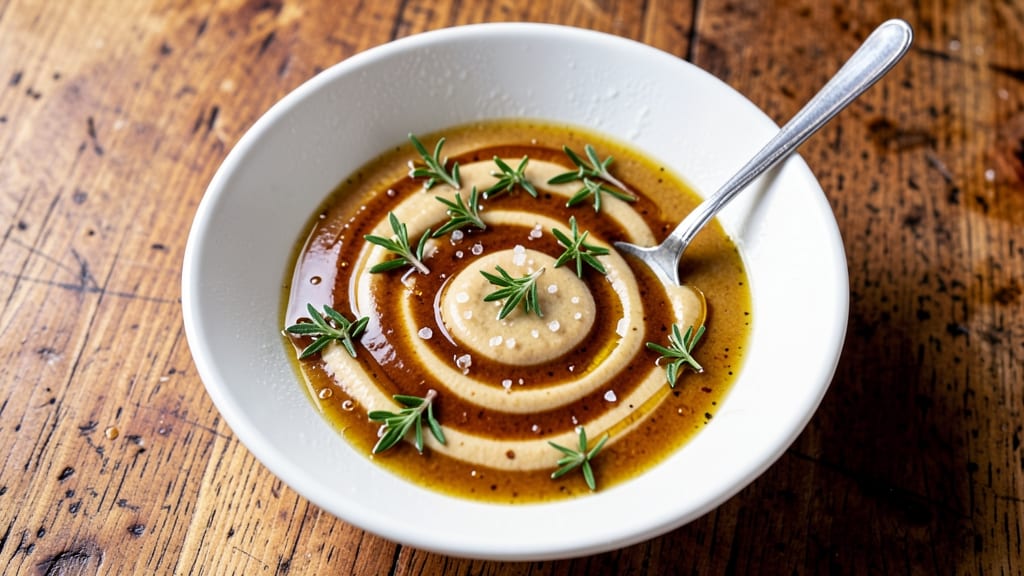
This Braggs apple cider vinegar salad dressing transforms simple greens into a vibrant, tangy masterpiece with just five ingredients and 10 minutes of prep. The sharp apple tang cuts through rich ingredients, balancing flavors perfectly while keeping your dressings fresh and restaurant-quality.
I developed this recipe after realizing store-bought options lacked the bright acidity and depth of homemade—now it’s my go-to for everything from crisp romaine to hearty kale salads.
The secret lies in the ratio: 2 parts oil to 1 part vinegar, with Dijon mustard adding subtle depth and a touch of honey to soften the acidity.
Braggs apple cider vinegar provides that signature sharpness without overpowering, while fresh herbs (like thyme or dill) elevate it to gourmet levels. This dressing stays fresh for up to 2 weeks in the fridge, making it ideal for meal prep or last-minute salads.
What sets this apart is its versatility—drizzle it over warm roasted vegetables, toss with grilled chicken, or use as a marinade for steak. The balance of sweet, tangy, and herby notes makes it adaptable to any dish where you need a bright, flavorful boost.
Once you try this, store-bought dressings will never compare.
For best results, whisk all ingredients together thoroughly and let the dressing sit for 15 minutes before using—this allows the flavors to meld completely. Store in an airtight jar, and shake before each use to maintain that signature tang.
Ready in just 10 minutes, this dressing is the perfect way to elevate any salad or dish instantly.
Ingredients for braggs apple cider vinegar recipe salad dressing
Five ingredients, ten minutes—this dressing transforms wilted greens into restaurant-quality bites instantly.
| Ingredient | Amount | Notes |
|---|---|---|
| Braggs Apple Cider Vinegar 🍎 | ½ cup | Unfiltered for maximum tang |
| Extra-Virgin Olive Oil 🫒 | 1 cup | Light and fruity preferred |
| Dijon Mustard 🌶️ | 1 tbsp | Mild or hot variety |
| Raw Honey 🍯 | 1 tbsp | Local preferred for depth |
| Fresh Thyme Leaves 🌿 | ¼ cup | Finely chopped, stems removed |
| Diamond Crystal Kosher Salt 🧂 | ½ tsp | Fine grain preferred |
| Freshly Ground Black Pepper 🌶️ | ¼ tsp | Cracked peppercorns preferred |
The Braggs apple cider vinegar is non-negotiable here—its unfiltered tang cuts through everything like a knife. Grab the 16-ounce bottle from the vinegar aisle, not the salad dressing section. Fresh thyme is ideal, but dried at one-third the amount works in a pinch. For the olive oil, Trader Joe's or Whole Foods carry excellent light varieties—avoid the heavy, peppery ones. The Dijon mustard? Maille is my go-to, but any good-quality brand will do. If you're using raw honey, local varieties add subtle floral notes that elevate the dressing.
No Braggs? Other apple cider vinegars work, but the flavor won't be identical. Short on olive oil? Avocado oil at the same ratio keeps the dressing light. Mustard hater? Swap for 1 tsp maple syrup to balance the acidity. The honey can be omitted if you prefer a sharper dressing, but trust me—it softens the vinegar beautifully. For extra depth, add a pinch of smoked paprika or a dash of garlic powder. This dressing is endlessly adaptable, so play with it!
Whisk everything together in a jar with a tight seal—glass is best—and let it sit for 15 minutes before using. Keeps for 2 weeks in the fridge, but shake it well before each use. The flavors meld beautifully over time, so it actually gets better after a few days. For meal prep, double the batch and store in small jars—perfect for tossing in lunches or drizzling over last-minute salads. Freezes for 3 months if you're prepping ahead for holidays or potlucks.
Why You'll Love This Recipe
- Five-Ingredient Magic: I swear, this dressing comes together faster than I can say "salad night." Just whisk those five pantry staples—Bragg’s vinegar, olive oil, Dijon, honey, and thyme—and boom, you’re done. No measuring cups, no fancy techniques, just a jar of pure flavor waiting for your greens.
- Tangy-Sweet Balance: That honey and Bragg’s vinegar? It’s a match made in salad heaven. The sharp apple cider cuts through richness, while the Dijon mustard adds depth, and the thyme? It’s like a little herbal hug in every bite. Honestly, I’ve never met a vinaigrette that doesn’t feel a little flat next to this one.
- Weeknight & Potluck Star: Between us, this is my go-to for both lazy dinners and bringing to gatherings. Drizzle it over roasted veggies, toss it with grain bowls, or even use it as a marinade—it’s that versatile. And because it keeps for weeks in the fridge, I’m always covered, whether it’s Tuesday or Thanksgiving.
- Budget-Friendly Upgrade: You’re using ingredients you already own, and they stretch far. A little goes a long way, so you’re not scrambling to buy specialty dressings. Plus, the raw honey and thyme make it feel fancy without the price tag—my wallet and taste buds thank me every time.
Step-by-step instructions for sharp apple tang salad dressing
Here's how to blend this bright, tangy dressing that transforms simple greens into a flavor explosion.
Whisk Vinegar and Mustard for Emulsion
In a medium bowl, combine the 0.5 cup Braggs Apple Cider Vinegar with the 1 tablespoon Dijon Mustard. Use a whisk and stir vigorously for 30 seconds until the mustard is completely dissolved and the mixture becomes smooth. This step is crucial—it creates a stable base that will later emulsify with the oil.
I like to press the whisk against the bowl's bottom occasionally to scrape up any mustard clinging to the sides. The tangy vinegar will immediately brighten your kitchen air, signaling you're on the right track. The mixture should look like a pale, slightly thick liquid with no visible streaks.
Sweeten and Season the Base
Add the 1 tablespoon Raw Honey and stir until fully incorporated. The honey will mellow the vinegar's sharpness while adding subtle floral notes. Next, sprinkle in the 0.5 teaspoon Diamond Crystal Kosher Salt and 0.25 teaspoon Freshly Ground Black Pepper, whisking constantly to distribute evenly.
Here's where it gets interesting—the honey should create a slight sheen on the surface. If you taste it now, you'll notice the perfect balance between sweet, tangy, and savory. This is your flavor foundation, so don't rush this mixing. The dressing should coat the back of a spoon with a velvety texture.
Fold in Fresh Thyme Leaves
Gently stir in the 0.25 cup Fresh Thyme Leaves using a rubber spatula. Unlike the vigorous whisking earlier, you want to fold these leaves in just enough to distribute them evenly without crushing them completely. You'll see some small green flecks throughout the mixture, which will add aromatic depth.
I always use a spatula for this step to avoid over-mixing, which could bruise the delicate thyme leaves. The leaves should be evenly dispersed but still visible—this ensures each bite of your salad will deliver that herbal punch. The dressing should now have a vibrant green hue from the thyme.
Gradually Emulsify the Olive Oil
With the motor running on low speed, slowly drizzle in the 1 cup Extra-Virgin Olive Oil over 1-2 minutes. This gradual addition is key to creating a stable emulsion. If you add the oil too quickly, the dressing will separate. You're looking for a smooth, creamy consistency that coats the whisk completely.
The dressing should transform from a thin liquid to a thick, glossy sauce. If it looks too thick, add 1 teaspoon water at a time until it reaches your desired consistency. The final product should pour smoothly but coat the back of a spoon. Taste and adjust seasoning if needed—you might want to add a touch more vinegar for extra tang or honey for sweetness.
Rest and Adjust for Perfect Balance
Cover the bowl with plastic wrap and let the dressing rest at room temperature for 10 minutes. This resting period allows all the flavors to meld together. After resting, give it one final stir. The dressing should now have a luxurious, velvety texture with no separation.
If you notice any separation after resting, simply whisk vigorously for 30 seconds to re-emulsify. This dressing keeps well in the refrigerator for up to 1 week, though I find it's best used within 3-4 days for maximum freshness. The flavors will continue to develop as it sits, becoming even more complex over time.
Pro Tips For Making Braggs Apple Cider Vinegar Recipe Salad Dressing
- Whisk in Stages: Start by mixing the vinegar, mustard, and honey—just these three—until the honey dissolves completely. Then slowly drizzle in the olive oil while whisking constantly. This prevents a greasy split and ensures the dressing emulsifies smoothly, especially if you’re using a thick honey or cold ingredients.
- Chill Before Using: Let the dressing sit in the fridge for at least 30 minutes after making it. The flavors meld better when cold, and the thyme releases its aroma more fully. Trust me, skipping this step means missing out on that bright, balanced taste.
- Strip Thyme Properly: Don’t just tear thyme leaves—pinch the stem between your fingers and pull downward to release the tiny leaves cleanly. This avoids bitter stems and gives you more usable herb per sprig. A little effort here means a big flavor payoff.
- Measure Honey by Weight: Use a kitchen scale for the honey—1 tablespoon by volume varies wildly. Aim for 15–20 grams (about 1 tablespoon) for a balanced dressing. Liquid honey measures differently, and you’ll end up with either a cloyingly sweet or tart result if you eyeball it.
Dietary considerations for this braggs apple cider vinegar recipe salad dressing
Gluten-Free Friendly
This dressing is naturally gluten-free since it only contains vinegar, oil, mustard, honey, thyme, salt, and pepper. Always check your Dijon mustard label—most brands are gluten-free, but some may contain trace amounts.
I recommend Maille or Colman's, both certified gluten-free. The honey and Braggs vinegar are also safe for gluten-sensitive diets. 🌱
Vegan Adaptations
To make this dressing fully vegan, simply ensure your honey is replaced with 1 tablespoon maple syrup or agave. The rest of the ingredients are already plant-based.
For extra richness, I sometimes add 1 teaspoon nutritional yeast to deepen the umami flavor. It works beautifully on grain bowls and veggie-based salads.
Low-Sugar Options
If you're watching sugar intake, reduce the honey to ½ tablespoon or omit it entirely. The dressing will still taste bright and tangy, though slightly sharper.
For a sugar-free alternative, use 1 teaspoon liquid stevia or monk fruit sweetener to maintain balance. The vinegar's acidity will dominate, so adjust to taste.
Allergen Awareness
This recipe contains mustard and honey, two common allergens. If allergies are a concern, substitute the mustard with 1 teaspoon apple cider vinegar (to mimic tang) and the honey with maple syrup. Always double-check labels on Braggs vinegar and olive oil for potential cross-contamination warnings.
Keto Compliance
This dressing fits well into a keto diet with its low-carb ingredients. The 1 tablespoon honey adds minimal carbs (17g per tablespoon), but you can omit it entirely without sacrificing flavor.
The dressing provides healthy fats from olive oil, making it a great keto-friendly option for salads or drizzling over low-carb veggies like zucchini or cauliflower.
Nut-Free Safety
Since this recipe contains no nuts or nut-derived ingredients, it's safe for those with nut allergies. Always verify your olive oil is nut-free (some brands process oils in facilities that handle nuts).
The dressing's simplicity makes it a reliable choice for allergy-conscious households. I often recommend it for school lunches or potlucks where nut allergies may be present. ✨
Nutrition facts
Frequently asked questions
Can I use regular apple cider vinegar instead of Braggs?
Yes, but the flavor will differ slightly. Braggs provides a deeper apple tang due to its unfiltered nature. For a similar result, use another unfiltered apple cider vinegar like Braggs Organic or Mother Vinegar. If you use filtered vinegar, you might want to add 1 extra teaspoon of honey to compensate for the milder flavor. The texture and emulsion will remain the same.
How do I fix a dressing that separated after resting?
Simply whisk vigorously for 30 seconds to re-emulsify. If it still separates, add 1 teaspoon water at a time while whisking until smooth. The key is patience—never pour in all the oil at once. For future batches, try adding ½ teaspoon xanthan gum to stabilize the emulsion, especially if you're making a larger quantity.
What are the best salads to pair with this dressing?
This dressing shines on bitter greens like arugula and radicchio, where the tang cuts through the peppery notes. It also works beautifully with warm roasted vegetables, grilled chicken, or crisp apples in a fall salad. For a heartier option, try it on shredded cabbage slaw or as a marinade for steak or shrimp—the acidity tenderizes proteins beautifully.
Can I make this dressing without honey?
Omit the honey for a sharper, more acidic dressing. If you prefer sweetness, try 1 teaspoon maple syrup or agave instead. For a savory twist, add ½ teaspoon Dijon mustard (already in the recipe) and increase the vinegar by ½ tablespoon. The dressing will still emulsify perfectly—it’s all about balancing the acidity with your preferred flavor profile.
How long can I store this dressing, and does it get better over time?
The dressing stays fresh for up to 2 weeks in an airtight jar in the fridge, but it actually improves as flavors meld! After 3-4 days, the thyme releases more aroma, and the vinegar’s sharpness mellows into a complex tang. For longer storage, freeze for up to 3 months—thaw in the fridge overnight. Pro tip: Store in small jars for easy portioning, and always shake before using to maintain that velvety texture.