
Main Courses
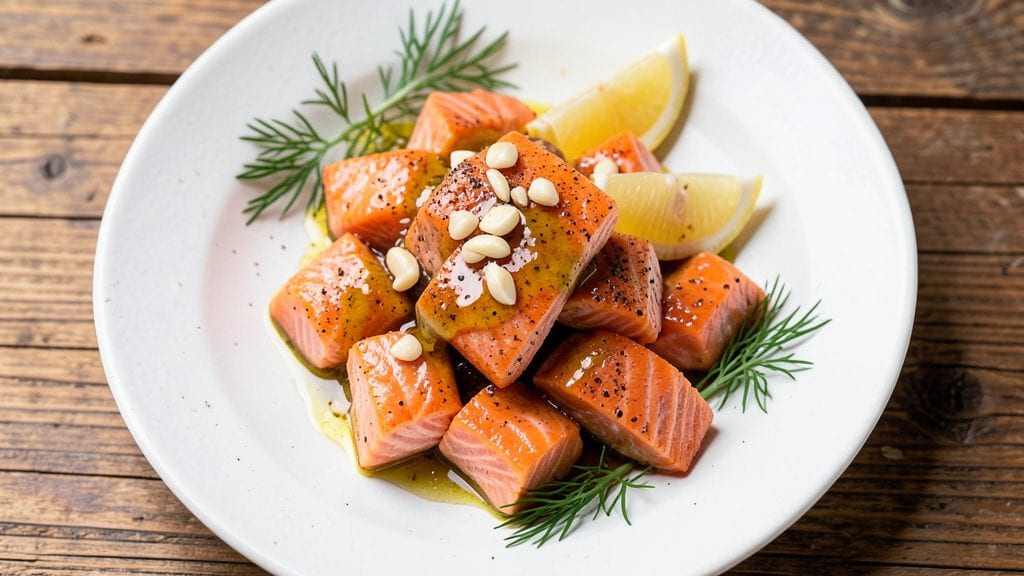
Transforming canned sockeye salmon into flaky, smoky pan-seared bites proves you don’t need fresh fish for restaurant-quality results. This 15-minute recipe delivers tender, flavorful salmon with just a handful of ingredients and a simple technique that works every time.
The secret lies in proper preparation—draining, patting dry, and searing at the right temperature to preserve moisture while building that irresistible crust.
What sets this method apart is how it balances simplicity with professional results. You’ll start with canned salmon, which skips the hassle of thawing or filleting, yet still achieves flaky texture and smoky depth through precise cooking.
The recipe builds flavor with minimal effort—just olive oil, a touch of soy sauce for umami, and smoked paprika for that signature char. Even beginners will master this technique, making it perfect for weeknight dinners or quick entertaining.
The outcome is salmon that falls apart at the touch of a fork, with edges just crisp enough to contrast the tender interior. The smoky aroma fills your kitchen, while the bright, clean flavor of sockeye shines through.
This dish pairs beautifully with lemon wedges, fresh herbs, or a simple salad—proving canned salmon can be just as impressive as its fresh counterpart. Ready to elevate your protein game in minutes?
Beyond the pan-seared version, this recipe adapts effortlessly to other styles—try it in tacos, pasta dishes, or even as a cold salad with a creamy dressing. The versatility makes it a go-to for pescatarians and salmon lovers alike. Let’s get cooking with a method that’s both efficient and delicious.
Ingredients for canned sockeye salmon
High-quality canned salmon and simple pantry staples transform into restaurant-worthy pan-seared bites.
| Ingredient | Amount | Notes |
|---|---|---|
| Canned Sockeye Salmon 🐟 | 2 cans | High-quality brand, drained thoroughly |
| Extra-Virgin Olive Oil 🫒 | 2 tbsp | Lightly aromatic, not extra-heavy |
| Smoked Paprika 🌶️ | 1 tsp | Honduran or Spanish for authentic smokiness |
| Low-Sodium Soy Sauce 🥫 | 1 tbsp | Kikkoman preferred for balance |
| Garlic Cloves 🧄 | 2 cloves | Fresh, minced to fine texture |
| Fresh Lemon Juice 🍋 | 1 tbsp | From Meyer lemon if available |
| Fresh Parsley 🌿 | ¼ cup | Flat-leaf, finely chopped |
| Diamond Crystal Kosher Salt 🧂 | ½ tsp | Fine grain for even seasoning |
| Freshly Ground Black Pepper 🌶️ | ¼ tsp | Cracked peppercorns preferred |
| Toasted Sesame Oil 🫒 | ½ tsp | For finishing, not cooking |
| Lemon Wedges 🍋 | 4 whole | For serving, Meyer preferred |
The quality of your canned sockeye salmon makes all the difference here. Wild Planet or Red Boat brands deliver the most vibrant flavor and texture—look for cans labeled 'wild-caught' to ensure optimal quality. The salmon should be packed in water (not oil) for this recipe, and you'll want to drain it thoroughly before patting dry with paper towels. Freshness matters: check the 'best by' date, and if the can has been open for more than 2 days, opt for a fresh one. The smoky depth comes from Honduran or Spanish smoked paprika—avoid the American variety, which often tastes bitter. For the olive oil, California Extra Virgin brands like Corto or Bertolli provide the perfect balance of fruity notes without overpowering the salmon's delicate flavor.
No smoked paprika? Liquid smoke at one-third the amount works in a pinch, though it lacks the complexity. Substituting regular paprika will give you color but none of the smoky depth. The soy sauce can be swapped for coconut aminos if you're avoiding sodium, though the umami profile will differ slightly. Fresh parsley can be replaced with cilantro at half the amount, though the flavor profile shifts toward Latin-inspired dishes. For the garlic, garlic powder at half the amount is an option, but fresh minced garlic provides the necessary aromatic punch. If you're serving this with rice or noodles, consider adding a splash of rice vinegar to the pan at the end for extra brightness—it pairs beautifully with the smoky salmon.
This dish is best prepared fresh but reheats beautifully. For storage, place the salmon in an airtight container with a paper towel pressed on top to absorb any moisture—keeps for 2-3 days in the refrigerator. For longer storage, freeze portions on a parchment-lined tray before transferring to a sealed bag for up to 3 months. The lemon wedges should be added fresh at serving time to prevent bitterness. When serving, garnish with a drizzle of toasted sesame oil and an extra sprinkle of flaky salt for that final restaurant-quality touch. The dish pairs exceptionally well with jasmine rice or steamed bok choy, creating a complete meal.
Why You'll Love This Recipe
- I’ll be real: canned salmon is a game-changer for my grocery budget. A can costs next to nothing, but it feels like a restaurant-quality dish. Plus, the leftovers? I’ll mix them into pasta, toss them into wraps, or even blend them into a quick dip—no waste, all flavor.
- Five-Ingredient Magic: I swear by this recipe when I’m staring at a half-empty pantry and a brain fogged from work. No fancy prep—just dump the salmon, toss in minced garlic, a drizzle of olive oil, and let the smoked paprika and soy sauce work their magic. It’s the kind of meal that feels like a hug after a long day.
- Smoky Umami Bomb: That first bite? Rich, slightly sweet salmon with a deep, smoky kick from the paprika and a subtle umami punch from the soy sauce. Honestly, I’ve made this with fresh salmon before, but canned sockeye here gives it a texture that’s cheffy—flaky yet tender, with just enough oil to keep it luscious.
- Lunchbox Hero: Between us, this is my go-to for packed lunches. The flavors hold up for days, and I can prep a big batch on Sunday, portion it into containers, and still have something exciting for work. Add some rice or noodles, and suddenly you’ve got a meal that’s way more interesting than sad desk salads.
Step-by-step instructions for flaky, smoky pan-seared sockeye salmon
Here's the method for transforming canned sockeye salmon into restaurant-quality bites with perfect texture and depth of flavor.
Prepare the Salmon for Maximum Flakiness
Open the 2 cans of canned sockeye salmon and drain them thoroughly, pressing gently on the fish with a paper towel to remove any excess liquid. I find this step critical for achieving that signature flaky texture when searing. Transfer the drained salmon to a mixing bowl and break it into bite-sized pieces using your hands or a fork—aim for uniform 1-inch chunks that will cook evenly.
In a small bowl, whisk together the 1 tablespoon low-sodium soy sauce, 1 teaspoon smoked paprika, 0.5 teaspoon diamond crystal kosher salt, and 0.25 teaspoon freshly ground black pepper. This marinade will penetrate the salmon quickly, enhancing both flavor and texture. Pour this mixture over the salmon pieces and toss gently to coat evenly. Let it marinate for 5 minutes while you prepare the remaining ingredients.
Sear the Salmon in Olive Oil for Crispy Edges
Heat the 2 tablespoons extra-virgin olive oil in a large non-stick skillet over medium-high heat until it shimmers but doesn't smoke—this should take about 2 minutes. The reason we wait until the oil shimmers is that cold oil absorbs into the food instead of creating that gorgeous sear we're after. Add the marinated salmon pieces in a single layer, leaving space between them to prevent steaming.
Let the salmon cook undisturbed for 2-3 minutes per side until you see golden-brown crusts forming and the edges begin to crisp slightly. This is where the magic happens—the Maillard reaction creates those flavorful compounds that transform simple canned salmon into something extraordinary. If you notice the salmon sticking slightly, that's normal and actually helps create the crispy texture we want.
Finish with Aromatics and Toasted Sesame Oil
While the salmon is searing, mince the 2 cloves garlic cloves into a fine paste using a knife or garlic press. When the salmon is nearly done (after about 4 minutes total cooking time), add the minced garlic to the skillet and stir vigorously for 30 seconds until fragrant. This quick cooking time prevents the garlic from burning while still infusing its flavor into the salmon.
Remove the skillet from heat and stir in the 1 tablespoon fresh lemon juice and 0.5 teaspoon toasted sesame oil. The acidity of the lemon juice brightens the smoky flavors while the sesame oil adds a nutty depth. Toss everything together gently to ensure even distribution of the finishing flavors. The salmon should be heated through and the mixture should look glossy from the sesame oil.
Garnish and Serve Immediately
Transfer the salmon to a serving platter and sprinkle with the 0.25 cup finely chopped fresh parsley. The parsley adds a fresh contrast to the smoky, savory flavors while also providing a visual pop of green color. Serve immediately with the 4 whole lemon wedges on the side for squeezing over each bite.
This dish works beautifully as an appetizer or light main course. The salmon should be flaky enough to separate easily with a fork while maintaining a crispy edge from the searing. Each bite should deliver a perfect balance of smoky, umami-rich flavors with a bright finish from the lemon. The texture contrast between the flaky interior and crispy exterior is what makes this preparation truly special.
Pro Tips For Making Canned Sockeye Salmon
- Drain and Flake Properly: Canned salmon’s texture changes fast—drain it thoroughly over a bowl to catch every drop of oil, then use a fork to break it into rough, uneven chunks. (Yes, it’ll look messy, but that’s how it stays tender when you toss it with the other ingredients.)
- Toast the Paprika First: Smoked paprika burns faster than you’d think. Heat it in a dry pan for 30 seconds until fragrant before adding oil—this deepens the flavor way more than just sprinkling it raw. (I learned this after one batch tasted bland.)
- Use Cold Garlic: Mince the garlic cloves just before tossing them in, and keep them in the fridge until the last second. Cold garlic adds brightness instead of turning bitter from cooking too long—especially important when you’re working with canned fish that cooks in seconds.
- Balance the Soy Sauce: Low-sodium soy sauce is still salty—start with half the amount listed in the recipe and taste as you go. Canned salmon’s natural saltiness sneaks up on you, and you’ll end up with a dish that’s either flat or overpowered. (Trust me, I’ve done both.)
Make-ahead tips for this dish
Prep Ahead for Meals
Marinate the salmon up to 24 hours in advance for deeper flavor infusion. Store the marinated pieces in an airtight container in the fridge—this is perfect for busy weeknights.
I like to prep the marinade ingredients the night before and assemble the mixture just before cooking to keep the salmon fresh. 🌟
Freezer-Friendly Bites
Cook the salmon completely, then freeze in single-serving portions on a parchment-lined tray. Once frozen solid, transfer to a ziplock bag for up to 3 months.
To reheat, thaw overnight in the fridge, then warm in a skillet with 1 tablespoon olive oil over medium heat for 2-3 minutes—just until heated through.
Salad Base Prep
Make a quick sockeye salmon salad by tossing the cooked salmon with 2 cups mixed greens, ½ cup cherry tomatoes, and ¼ cup cucumber slices. Store all components separately in the fridge, then assemble just before serving.
Add 1 tablespoon lemon juice and 1 tablespoon olive oil when ready to eat for maximum freshness. 🥗
Taco Filling Prep
For tacos, cook the salmon as directed, then chop it into ½-inch pieces and store in an airtight container with 1 tablespoon lime juice to prevent browning. Keep the tortillas and toppings (avocado, red onion, cilantro) separate. Assemble tacos when ready to eat for the crispest texture.
Meal Prep Containers
Divide the cooked salmon into portion-sized containers with ¼ cup cooked quinoa or brown rice for balanced meals. Add a side of steamed veggies (like broccoli or green beans) in separate containers. Reheat salmon and grains together in the microwave for 1-2 minutes—just until warmed through. 💡
Sauce Pairing Prep
Make a quick teriyaki glaze in advance by mixing 2 tablespoons soy sauce, 1 tablespoon honey, and 1 teaspoon grated ginger. Store in a small jar in the fridge for up to 1 week.
Brush this glaze on the salmon just before serving for a sweet-savory finish. Perfect for meal prep when you want extra flavor without extra effort.
Nutrition facts
Frequently asked questions
Can I use canned sockeye salmon from any brand?
For the best results, choose high-quality brands like Wild Planet or Red Boat that use wild-caught sockeye packed in water. Avoid brands with preservatives or lower-grade fish—they won't yield the same flaky texture or rich flavor. The can should also be labeled "sockeye" specifically, not just "salmon."
How do I prevent the salmon from sticking to the pan?
Pat the drained salmon pieces very dry with paper towels before searing, and make sure your skillet is properly heated (until oil shimmers but doesn't smoke). A non-stick skillet works best, but even if it sticks slightly, that's normal—it helps create the crispy edges. Avoid overcrowding the pan to prevent steaming.
What are the best sides to serve with this recipe?
This smoky pan-seared sockeye pairs beautifully with jasmine rice, steamed bok choy, or a simple mixed greens salad with lemon vinaigrette. For a heartier meal, serve with roasted sweet potatoes or quinoa. The bright acidity of lemon wedges balances the rich salmon flavor perfectly.
Can I bake this salmon instead of pan-searing?
Yes! Preheat your oven to 400°F, toss the marinated salmon with 1 tablespoon olive oil, and spread it on a baking sheet. Bake for 10-12 minutes until the edges are crispy. For extra flavor, broil for 1-2 minutes at the end. The texture will be slightly softer than pan-seared but still delicious.
Why does my canned salmon taste different from fresh?
Canned salmon has a milder, slightly sweeter flavor due to processing, but high-quality brands still deliver rich, clean taste. The texture is firmer than fresh, which is why proper preparation (draining and patting dry) is key. The smoky paprika and soy sauce in this recipe enhance the natural flavor while creating depth.