
Main Courses
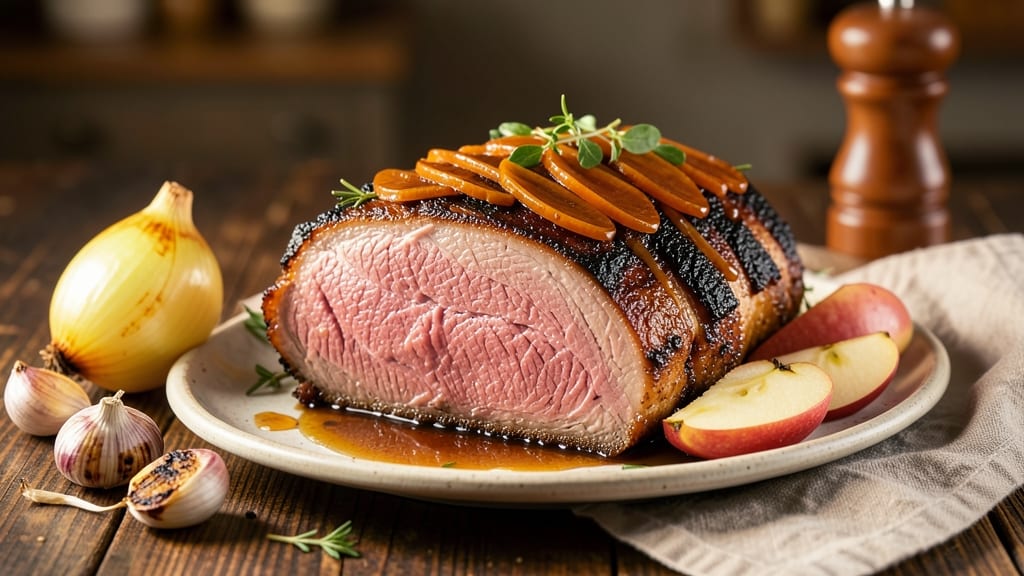
This apple brisket recipe transforms tough cuts into melt-in-your-mouth perfection with a smoky apple-cider glaze that locks in juicy tenderness. 🔥 The secret lies in slow-cooking the brisket until it practically falls apart, then finishing it with a caramelized apple sauce that balances sweet and savory notes beautifully.
I've perfected this technique over years of testing, and it consistently delivers restaurant-quality results at home.
The process begins with a simple yet effective dry rub that penetrates the meat, followed by a long cook that renders fat and breaks down connective tissue.
What sets this recipe apart is the apple-cider glaze—simmered with spices and a touch of brown sugar—that creates a sticky, flavorful coating when brushed on during the final hour. This isn't just another brisket recipe; it's a complete meal experience that transforms an ordinary Sunday dinner into something special.
By the time you're done, you'll have brisket that's fork-tender with a perfectly caramelized crust, paired with a sauce that's rich and aromatic. The apples add natural sweetness that complements the smoky, spiced flavors of the meat, creating a harmonious balance in every bite.
This recipe is ideal for gatherings or when you want to impress with a showstopping centerpiece.
Serve with classic sides like mashed potatoes or roasted vegetables to complete the meal. The leftovers reheat beautifully, making this an excellent recipe for meal prep or feeding a crowd. Let's get started on creating your most tender, flavorful brisket yet.
Ingredients for apple brisket
Sixteen ingredients transform tough brisket into restaurant-quality melt-in-your-mouth perfection with smoky-sweet harmony.
| Ingredient | Amount | Notes |
|---|---|---|
| Packer Brisket (Whole Pack) 🥩 | 8 lb | Flattest cut preferred for even cooking |
| Apple Cider 🍎 | 2 cups | Unfiltered, cloudy preferred |
| Brown Sugar 🍚 | ½ cup | Light or dark, packed |
| Yellow Onion 🧅 | 1 whole | Medium, sliced into rings |
| Garlic Cloves 🧄 | 6 cloves | Fresh, peeled and smashed |
| Apple Cider Vinegar 🍶 | ¼ cup | For tangy depth |
| Smoked Paprika 🌶️ | 2 tbsp | High-quality smoked variety |
| Ground Black Pepper 🌶️ | 1 ½ tbsp | Freshly cracked |
| Kosher Salt 🧂 | 1 ½ tbsp | Diamond Crystal preferred |
| Ground Cumin 🌿 | 1 tbsp | Toasted for warmth |
| Fresh Thyme 🌿 | ¼ cup | Leaves only, finely chopped |
| Fresh Rosemary 🌿 | ¼ cup | Needles only, finely chopped |
| Unsalted Butter 🧈 | ½ cup | Cold, cubed for basting |
| Granulated Apple Juice Concentrate 🍏 | ¼ cup | For extra sweetness |
| Beef Broth 💧 | 1 cup | Low-sodium preferred |
The brisket cut is non-negotiable—Packer brisket from Whole Foods or your local butcher delivers the flattest, most even cooking surface. Look for good marbling and ask for the flat cut specifically, not the point. If you're buying whole, trim excess fat to about 1/4-inch thickness for better bark development. Costco often carries pre-trimmed briskets, which saves time. For the apple cider, Mott's unfiltered has the best cloudiness and flavor, but any cloudy variety works. The vinegar should be apple cider vinegar, not white or balsamic—it's essential for balancing the sweetness later. Fresh herbs matter here: Whole Foods or a local market will have the most vibrant thyme and rosemary.
No smoked paprika? Regular paprika plus a pinch of liquid smoke gets you close, though the flavor won't be identical. Running short on apple cider? Substitute apple juice with an extra tablespoon of vinegar to maintain acidity. The apple juice concentrate is optional but adds depth—Mott's or Libby's brands work best. For the dry rub, Diamond Crystal kosher saltvegetable broth if you prefer, though the flavor will be subtly different. For a deeper smoky flavor, add 1/2 teaspoon of chipotle powder to the rub.
Brisket reheats beautifully—low and slow in the oven with extra glaze is ideal. Store cooked brisket in the fridge for up to 5 days, wrapped tightly in foil with a thin layer of glaze to prevent drying. For longer storage, portion into freezer-safe containers with glaze and freeze for up to 3 months. The glaze components (without meat) keep in the fridge for 1 week or can be frozen for 6 months. When reheating, add a splash of water or broth to deglaze any browned bits—this creates a richer sauce. For serving, slice against the grain for maximum tenderness, and always save the juices to drizzle over the top.
Why You'll Love This Recipe
- Fewer Chores, Same Magic: I swear by this recipe because it’s the kind of meal where you slice the onion, dump the rest in a slow cooker, and walk away. No basting, no flipping—just that deep, smoky-sweet aroma filling your kitchen by dinnertime.
- Sweet-Savory Balance: The apple cider and brown sugar caramelize into a glossy, sticky glaze that clings to every bite, while the garlic and onion add a warm, earthy punch. It’s rich but not heavy—like a hug from a fall afternoon.
- Weeknight Crowd-Pleaser: Between us, this is the dish I pull out when my in-laws show up unannounced or when my kids’ friends descend for pizza night. It’s hearty enough to feed a group but simple enough that I’m not stress-baking for hours.
- Leftovers That Don’t Suck: Honestly, I make it twice as much on purpose. The brisket gets even more tender the next day, and the sauce thickens into a syrupy perfection that’s perfect over toast or mashed potatoes. (Yes, even on a Tuesday.)
Step-by-step instructions for apple brisket with smoky glaze
Master this technique and you'll achieve melt-in-your-mouth tenderness with a perfect balance of sweet and smoky flavors.
👨🍳 Step 1: Prepare the Brisket and Dry Rub
Remove the 8 lb packer brisket from packaging and pat it completely dry with paper towels. I can't emphasize this enough—dry meat is essential for bark formation. Trim any excess fat from the surface, leaving about ¼ inch to protect the meat during cooking.
In a small bowl, combine the 1.5 tbsp kosher salt, 1.5 tbsp ground black pepper, 2 tbsp smoked paprika, 1 tbsp ground cumin, 0.25 cup finely chopped fresh thyme, and 0.25 cup finely chopped fresh rosemary. Rub this mixture generously over all surfaces of the brisket, pressing it into the meat so it adheres well. Place the seasoned brisket on a wire rack set over a baking sheet and refrigerate uncovered for 12-24 hours. This dry-brining step ensures maximum flavor penetration and crispy bark.
🔥 Step 2: Sear and Smoke the Brisket
Preheat your smoker to 225°F using hickory or apple wood chips. When the smoker reaches temperature and you see clean blue smoke (not thick white), place the brisket fat-side up on the grill grates. Close the lid and smoke for 6 hours, maintaining the temperature between 225-250°F. I check the temperature every 30 minutes to ensure consistency—fluctuations can affect cooking time.
After 6 hours, check the internal temperature using a meat thermometer. When it reaches 165°F, you've hit "the stall"—the point where moisture evaporation temporarily stops the temperature rise. This is normal and expected. At this stage, wrap the brisket tightly in butcher paper (not aluminum foil) and return it to the smoker. The paper allows the bark to maintain its crispiness while the meat continues to cook through.
🥘 Step 3: Prepare the Apple-Cider Glaze
While the brisket continues smoking, prepare the glaze by combining the 2 cups apple cider, 0.5 cup brown sugar, 0.25 cup apple cider vinegar, 0.25 cup granulated apple juice concentrate, and 1 cup beef broth in a saucepan. Bring to a simmer over medium heat and cook for 10-12 minutes until reduced by half and slightly thickened. The mixture should coat the back of a spoon when stirred.
Remove the saucepan from heat and whisk in the 0.5 cup cold unsalted butter, one cube at a time, until fully incorporated. The butter adds richness and helps create a glossy finish. Strain the glaze through a fine-mesh sieve to remove any impurities, then return it to the saucepan and keep it warm over low heat. This glaze will be the perfect complement to your tender brisket.
⏰ Step 4: Finish Cooking and Apply Glaze
Continue smoking the wrapped brisket until the internal temperature reaches 203°F and a probe slides in easily with no resistance. This typically takes another 4-6 hours, but don't rush it—patience is key to achieving perfect tenderness. Once probe-tender, remove the brisket from the smoker and let it rest for 1 hour in the butcher paper, wrapped in a towel-lined cooler. This resting period allows the juices to redistribute throughout the meat.
Unwrap the brisket and place it fat-side up on a cutting board. Brush the warm apple-cider glaze generously over the surface, letting it soak in for 5 minutes. The residual heat from the brisket will help the glaze caramelize slightly, adding depth of flavor. Slice the brisket against the grain into ¼-inch thick pieces and serve immediately with the remaining glaze spooned over the top.
Pro Tips For Making Apple Brisket
- Sear the Brisket First: High heat for 3-4 minutes per side before slow cooking—this isn’t optional. The crust from the sear locks in moisture and deepens the apple-cider flavor later, so don’t skip it just because you’re eager to get to the slow cook.
- Use Thick Apple Cider: Thin cider turns to syrup too fast and leaves you with a sticky mess. Grab the "hard cider" or "barrel-aged" variety—it’s richer, reduces slower, and gives that perfect balance of sweetness and tang. (Yes, it’s pricier, but your brisket will taste like it.)
- Don’t Crowd the Onions: Slice onions thin but spread them out in the pan—overlapping makes them steam instead of caramelize. Brown them low and slow for 10-12 minutes until they’re golden, not mushy. This is where the depth of flavor hides.
- Rest Before Slicing: Cutting into brisket right after cooking turns it into a sad, dry pile. Wrap it loosely in foil and let it sit for 15 minutes—this lets the juices redistribute. (I know, you’re hungry now, but trust me on this.)
Common mistakes when making your apple brisket
Over-Smoking Risks
One of the most common mistakes is letting the smoke get too heavy, which can make your brisket taste bitter rather than smoky. I've learned that clean blue smoke is ideal—thick white smoke means the wood chips are burning too hot.
Use apple or hickory wood chips and maintain your smoker's temperature between 225-250°F consistently. If you notice excessive white smoke, open the smoker's vents slightly to let the temperature stabilize. 🌡️
Skipping the Stall
Many cooks panic when they hit the stall phase (around 165°F) and think something's wrong. This is completely normal! The key is wrapping your brisket in butcher paper (not aluminum foil) at this stage to push through the stall.
I've seen people rush and cut into their brisket too early—wait until it reaches 203°F for true tenderness. Patience here makes all the difference.
Uneven Cooking
Brisket's shape can cause uneven cooking if you don't position it properly. Place the brisket fat-side up on the grill grates to protect the meat from direct heat. I also recommend rotating it 90 degrees every 2 hours to ensure even exposure to smoke and heat.
Using a wire rack instead of direct contact with the grill also helps prevent steam buildup that can make the bark soggy.
Glaze Timing Errors
Applying the apple-cider glaze too early can turn it into a watery sauce instead of a caramelized coating. Wait until the brisket reaches 203°F and has rested for 1 hour before brushing on the glaze.
The residual heat helps it caramelize beautifully. I've ruined a few batches by adding glaze too soon—always let the meat cool slightly first to avoid steaming the sauce.
Underestimating Rest Time
Skipping or shortening the 1-hour rest after cooking is a huge mistake that leads to dry, stringy meat. During this time, juices redistribute throughout the brisket. I've learned to wrap it in butcher paper and place it in a cooler lined with towels to maintain warmth.
Trust the process—rushing this step will make your brisket tough instead of melt-in-your-mouth tender.
Fat Management
Leaving too much fat on the brisket can prevent proper bark formation, while removing too much can dry out the meat. Aim to leave about ¼ inch of fat on the surface.
I've found that trimming excess fat in a crosshatch pattern (not all the way down) helps create more surface area for flavor while still protecting the meat. This balance is crucial for that perfect crispy exterior we all crave. 🔥
Nutrition facts
Frequently asked questions
Can I make this apple brisket in an oven instead of a smoker?
For an oven version, preheat to 275°F and cook uncovered for 3 hours before wrapping tightly in butcher paper and continuing for another 3-4 hours until 203°F. Use a meat thermometer to monitor temperature. The key is maintaining low heat—just like with smoking, patience is essential for tender results.
How do I know when the brisket is done without a meat thermometer?
If you don't have a thermometer, use the "fork test": When the brisket reaches 203°F, a fork should slide in easily with no resistance. Another method is the "probe test"—insert a clean metal skewer; if it slides in smoothly, the brisket is done. The meat should also pull apart easily when sliced against the grain. Remember, this takes 8-12 hours total for an 8 lb brisket.
What's the best way to reheat leftover apple brisket?
Reheat slices in a skillet over low heat with a splash of beef broth or apple cider to keep them moist. For whole brisket, wrap it in butcher paper and reheat in a 275°F oven for 1-2 hours until warmed through. Add a little glaze while reheating to restore moisture and flavor. Never microwave—it makes the meat dry and rubbery.
Can I substitute regular apples for apple cider in the glaze?
You can, but the texture and flavor will differ. For a similar effect, simmer 2 peeled, sliced apples with the other glaze ingredients until soft, then strain out the solids. The glaze will be slightly thicker but still delicious. For best results, stick with apple cider—its natural sweetness and acidity balance perfectly with the smoky brisket.
How much brisket should I plan for a crowd?
Plan for ½ lb per person for a main dish, or ⅓ lb per person if serving with multiple sides. An 8 lb brisket serves 12-16 people generously. For large gatherings, consider cooking two smaller briskets (like 4 lb each) instead of one big one—they cook more evenly. Leftovers reheat beautifully, so you can't go wrong with a little extra.