
Main Courses
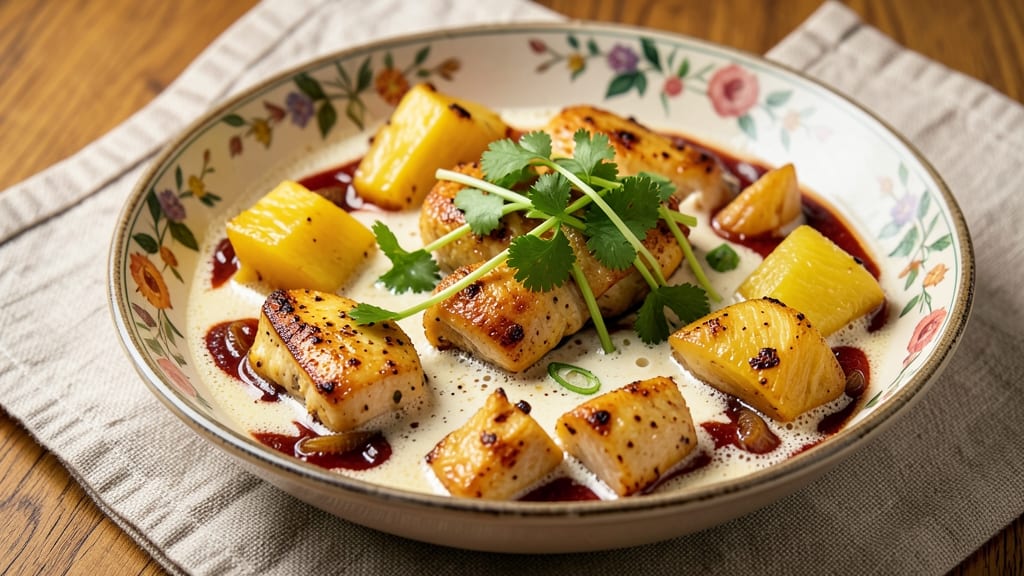
This Chicken Pineapple Indian Curry recipe delivers the bold flavors of a South Indian restaurant right in your kitchen—where tender chicken and sweet pineapple melt into a fragrant coconut-tomato sauce.
The key lies in balancing spices like cumin, coriander, and garam masala with just the right amount of heat, creating a dish that’s both comforting and complex.
I’ve perfected this recipe over years of testing, ensuring the chicken stays tender while the pineapple adds a bright, tropical contrast that cuts through the richness.
The foundation of this curry begins with a rich, aromatic base built from whole spices toasted until fragrant. A touch of coconut milk creates that signature velvety texture, while a splash of pineapple juice during cooking enhances the natural sweetness of the fruit.
What makes this recipe approachable is that it doesn’t require any special equipment—just a few essential spices and a little patience for the flavors to develop. The result is a curry that’s hearty enough for a weeknight dinner but impressive enough for guests.
By the time you’re done, you’ll have a simmering pot of golden curry where the chicken is fork-tender and the pineapple has softened just enough to release its juices. The sauce will be thick yet silky, with layers of spice and sweetness that balance perfectly.
Serve it over steamed basmati rice or warm naan, and you’ll have a meal that feels like a hug—warm, inviting, and full of flavor. This is the kind of dish that gets better with every bite and leaves everyone asking for seconds.
One of the best parts of this recipe is its versatility. You can adjust the heat to your preference or swap in other vegetables like bell peppers or potatoes if you prefer.
The technique is simple but the results are restaurant-quality, proving that authentic Indian flavors are well within reach for any home cook. Let’s get started on creating this fragrant, comforting curry that will become a staple in your meal rotation.
Ingredients for chicken pineapple curry indian
These aromatic ingredients blend into a fragrant curry that's both comforting and complex.
| Ingredient | Amount | Notes |
|---|---|---|
| Boneless, Skinless Chicken Thighs 🍗 | 1 ½ lb | Cut into 1-inch pieces |
| Fresh Pineapple Chunks 🍍 | 1 ½ cups | Fresh or canned (no syrup) |
| Coconut Milk 🥥 | 1 can | 13.5 oz can, full-fat preferred |
| Tomato Paste 🍅 | 2 tbsp | Smooth, no chunks |
| Yellow Onion 🧅 | 1 whole | Finely chopped |
| Garlic Cloves 🧄 | 6 cloves | Minced, fresh preferred |
| Ginger Root 🌿 | 1 tbsp | Freshly grated |
| Ground Cumin 🌶️ | 1 tsp | Toasted for depth |
| Ground Coriander 🌿 | 1 tsp | Freshly ground preferred |
| Turmeric Powder 🧂 | ½ tsp | Bright yellow color |
| Garam Masala 🌶️ | 1 tsp | Store-bought or homemade |
| Cayenne Pepper 🔥 | ¼ tsp | Adjust for heat preference |
| Salt 🧂 | 1 tsp | Kosher or sea salt |
| Black Pepper 🌶️ | ½ tsp | Freshly ground |
| Olive Oil 🫒 | 2 tbsp | Extra-virgin preferred |
| Fresh Cilantro 🌿 | ¼ cup | Chopped, for garnish |
| Lemon Juice 🍋 | 1 tbsp | Freshly squeezed |
The coconut milk is non-negotiable here—full-fat canned gives that creamy, velvety texture. Thai Kitchen or Aroy-D brand are my go-tos, but any good canned coconut milk works. For the pineapple, fresh is ideal (that sweet, juicy bite), but canned chunks in water save time. The chicken thighs are key—bone-in, skin-on stays juicier than breasts. Look for good marbling if you're buying whole thighs. Spices? Penzeys or local Indian markets have the best quality, but the regular grocery store stuff works too if it's fresh.
No coconut milk? Substitute with cashew cream (blend soaked cashews with water) for a similar texture. Short on pineapple? Mango chunks work surprisingly well. The tomato paste can be skipped if you're using a tomato-based curry powder, but I like the depth it adds. For the spices, toast your whole spices (cumin, coriander) in the oil first—that's where the magic happens. Fresh ginger and garlic? Always worth it—dried just doesn't compare. And if you're sensitive to heat, cut the cayenne in half or use red pepper flakes instead.
This curry tastes even better the next day as flavors meld. Keeps 4-5 days in the fridge, freezes for 3 months. I always make a double batch—portion into containers so lunches are sorted for the week. The sauce thickens as it cools, so add a splash of water or coconut milk if it gets too thick when reheating. Garnish with fresh cilantro right before serving—that bright green pop makes all the difference.
Why You'll Love This Recipe
- One-Pot Magic: I swear by this curry—just toss everything in one pot, and the coconut milk and pineapple chunks melt into a velvety sauce while the chicken cooks through. No fancy techniques, no extra dishes, and honestly? It’s the kind of meal that makes me feel like I’ve earned my dinner.
- Sweet-Savory Balance: That first bite where the caramelized pineapple hits your tongue, then the rich, spiced tomato paste kicks in? It’s the kind of contrast that makes you close your eyes. The onion adds depth, but the real star is how the coconut milk tames the heat just enough to keep it satisfying—not too heavy, not too sharp.
- Leftover Hero: Between us, this curry tastes even better the next day. I make a big batch on Sundays, and by Wednesday, it’s still my go-to for a quick lunch—just reheat with a splash of water, and it’s like a hug in a bowl. (Yes, even on a Tuesday night.)
- Budget-Friendly Luxury: Chicken thighs stay tender and juicy without breaking the bank, and pineapple chunks add freshness that feels fancy. Coconut milk makes it feel special, but the onion and tomato paste keep costs low. It’s the kind of recipe that makes me feel like I’m eating at a restaurant without the price tag.
Step-by-step instructions for chicken pineapple Indian curry
Let's create a fragrant, tender curry that balances sweet pineapple with aromatic Indian spices.
Sear the Chicken for Maximum Flavor
Heat the 2 tablespoons olive oil in a large, heavy-bottomed pot over medium-high heat. Once shimmering, add the 1.5 pounds boneless, skinless chicken thighs cut into 1-inch pieces, working in batches if needed to avoid crowding. Let them sear undisturbed for 3-4 minutes per side until golden brown and slightly crispy.
This initial sear builds deep flavor through the Maillard reaction. You'll know it's ready when the chicken releases easily from the pan. Transfer the seared chicken to a plate and set aside—we'll return it to the pot later. If you see any browned bits sticking, scrape them up with a wooden spoon; these flavorful bits are called fond and will dissolve into our sauce.
Build the Aromatic Spice Base
In the same pot, reduce heat to medium and add the finely chopped yellow onion. Cook for 5-6 minutes until softened and translucent. Add the 6 cloves minced garlic and 1 tablespoon freshly grated ginger root, cooking for another 1-2 minutes until fragrant—you should smell that pungent garlic-ginger aroma.
Next, stir in the 2 tablespoons tomato paste, spreading it evenly across the bottom of the pot. Cook for 2-3 minutes until it darkens slightly. This creates a rich, concentrated base that will carry all our flavors. Now add the 1 teaspoon ground cumin, 1 teaspoon ground coriander, 0.5 teaspoon turmeric powder, 0.25 teaspoon cayenne pepper, 1 teaspoon salt, and 0.5 teaspoon black pepper. Stir vigorously for 30 seconds to toast the spices—this releases their essential oils and deepens their flavor.
Simmer with Coconut Milk and Pineapple
Pour in the 1 can coconut milk, stirring to combine with the spice mixture. Bring to a gentle simmer, then add the 1.5 cups fresh pineapple chunks and the seared chicken pieces. Reduce heat to low and let it simmer uncovered for 20-25 minutes, stirring occasionally. The curry should bubble gently but not vigorously—this ensures the chicken cooks through without curdling the coconut milk.
Here's where the magic happens: the pineapple's natural acidity tenderizes the chicken while its sweetness balances the spices. You'll know it's ready when the chicken is fork-tender (it should pull apart easily) and the sauce has thickened slightly but remains saucy. If the sauce reduces too much before the chicken is done, add 2-3 tablespoons water to maintain the proper consistency.
Finish with Garam Masala and Lemon
Once the chicken is tender, stir in the 1 teaspoon garam masala and simmer for an additional 2-3 minutes to let the warm spices bloom. Remove from heat and stir in the 1 tablespoon freshly squeezed lemon juice. This brightens the dish and cuts through the richness of the coconut milk.
Taste and adjust seasoning if needed—you might want to add a pinch more salt or a dash of cayenne for heat. The curry should be balanced: sweet from pineapple, rich from coconut, with a warm spice backbone. Let it rest for 5 minutes off the heat before serving to allow flavors to meld completely. Garnish with 0.25 cup chopped fresh cilantro just before serving to add freshness and visual appeal.
Serve with Complementary Sides
Ladle the curry into bowls and serve immediately with steamed basmati rice or naan bread to soak up that delicious sauce. The tender chicken and sweet pineapple create a perfect balance, while the aromatic spices deliver that authentic Indian curry experience. Each bite should deliver a harmonious blend of textures and flavors—creamy coconut, juicy chicken, sweet pineapple, and warm spices.
This curry tastes even better the next day as the flavors continue to develop. Store leftovers in an airtight container in the refrigerator for up to 3 days or freeze for 3 months. When reheating, add a splash of water or coconut milk to prevent drying out.
Pro Tips For Making Chicken Pineapple Curry Indian
- Sear Chicken First: High heat for 3–4 minutes per side—don’t rush this. Browning the chicken before adding liquids builds flavor that no amount of spices can replicate, and the edges stay tender instead of rubbery.
- Prep Pineapple Properly: Cut into 1.5-inch chunks, peel off the tough outer skin, and leave the core intact. Overly small pieces turn to mush; too large, and they stay undercooked. (Yes, I’ve learned this the hard way.)
- Bloom Spices in Oil: Heat 1 tablespoon of oil until shimmering, then add whole spices (cumin, coriander, etc.) for 30 seconds before tossing in onions. This releases their aroma and prevents them from burning into bitterness.
- Simmer, Don’t Boil: Once coconut milk is added, keep the curry at a gentle simmer—not a rolling boil. High heat curdles coconut milk faster than you can say "disaster," and you’ll end up with a greasy, separated mess.
Serving suggestions for leftovers
Rice Pairings
Steamed basmati rice is my go-to side for this curry—its long grains soak up the rich coconut sauce beautifully while providing the perfect neutral base. Use 1 cup basmati rice per serving and cook it in a 1:1.5 rice-to-water ratio for fluffy, separate grains.
For extra flavor, rinse the rice first to remove excess starch, then cook with a bay leaf and pinch of salt. 🌾
For a more aromatic option, try jasmine rice—its subtle floral notes complement the pineapple's sweetness. I often cook a batch of basmati and jasmine together for variety. If you're short on time, microwaveable basmati rice pouches (like Tilda brand) are a lifesaver for quick meals.
Bread Options
Warm naan bread is the classic pairing—its chewy texture contrasts perfectly with the creamy curry. Store-bought naan from the Indian grocery aisle works in a pinch, but homemade is worth the effort.
Brush with garlic butter before serving to add another flavor layer. For gluten-free options, try cauliflower naan or rice-based flatbreads.
Roti or paratha add a heartier element—these thicker breads can handle the rich sauce without falling apart. I keep a batch of whole wheat roti in the freezer for quick reheating. For a modern twist, serve with crusty sourdough or garlic focaccia to appeal to non-Indian palates.
Fresh Elements
Add a cooling element with cucumber raita—mix ½ cup yogurt, ½ cup grated cucumber, 1 tsp roasted cumin, and salt to taste. This creamy dip cuts through the heat and adds a refreshing contrast.
For extra freshness, include a mango salad with sliced green mango, red onion, and lime.
Don't overlook garnishes—they elevate the dish visually and texturally. Fresh cilantro is a must, but also consider thinly sliced red onion or toasted coconut flakes for crunch. A squeeze of lime wedges on the side lets diners adjust brightness to their taste.
Drink Pairings
A crisp sparkling lime soda balances the curry's richness perfectly. I love San Pellegrino Limonata or homemade limeade with muddled mint. For an alcoholic option, try a light Indian lager like Kingfisher—its subtle bitterness complements the spices without overpowering.
For coffee lovers, serve with masala chai—the warm spices echo the curry's flavors while the caffeine cuts through the meal's richness. A simple black tea with lemon also works beautifully, especially if you add a pinch of cardamom to the brewing water.
Make-Ahead Serving
This curry reheats beautifully, making it perfect for meal prep. Portion into glass storage containers with a layer of rice or naan on top to keep everything warm.
Reheat in the microwave for 2-3 minutes, stirring halfway, or on the stovetop over low heat for 5-7 minutes with a splash of water.
For a restaurant-style presentation, serve family-style in a cast iron skillet with rice in the center. Use a ladle to spoon curry over individual portions, then pass the bread and garnishes around the table. The communal aspect makes it feel like a special occasion—even on a weeknight. 🍽️
Nutrition facts
Frequently asked questions
Why does this curry use chicken thighs instead of breasts?
Chicken thighs stay juicier and more tender during the long simmering process, which is perfect for curries. The fat content also helps create a richer sauce. Breasts can dry out—thighs are the classic choice for Indian curries where slow cooking is key.
Can I make this curry without coconut milk?
Yes! For a dairy-free version, substitute with cashew cream (blend soaked cashews with water) or Greek yogurt (add at the end). The texture will be slightly different but still delicious. For a lighter option, use half coconut milk and half chicken broth.
How do I adjust the heat level?
Start with the 0.25 tsp cayenne as written for mild heat. For medium heat, add 0.5 tsp cayenne or 1 tsp red pepper flakes. For spicy, use 1 tsp cayenne or 1-2 chopped green chilies. Always taste before serving—you can add more heat at the end if needed.
What's the best way to store leftovers?
Store in an airtight container in the fridge for 4-5 days or freeze for 3 months. Reheat gently on the stove with a splash of water or coconut milk to prevent drying. The flavors actually improve overnight as the spices meld together!
Can I use frozen pineapple instead of fresh?
Use frozen pineapple chunks in water (not syrup) for convenience. Thaw completely before adding to the curry. For best texture, add the pineapple 10 minutes before the end of cooking so it doesn't turn mushy. Fresh pineapple gives the best flavor, but frozen works perfectly in a pinch.