
Sauces & Condiments
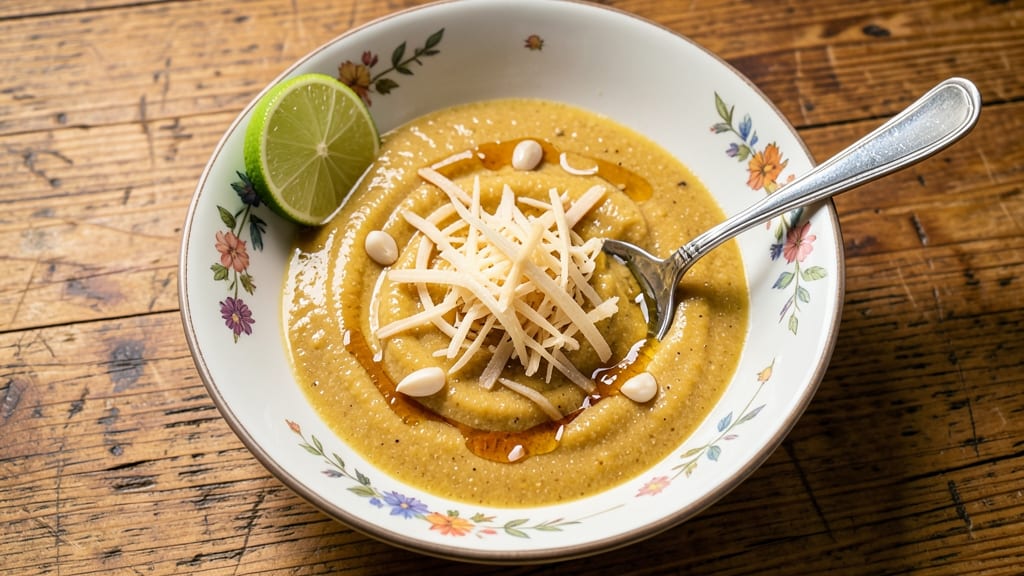
This ginger garlic lime apple cider vinegar honey recipe transforms simple pantry staples into a versatile sauce that elevates everything from grilled meats to fresh salads.
The balance of zesty lime, sharp apple cider vinegar, and sweet honey creates a bright, tangy glaze that caramelizes beautifully on proteins while adding depth to dressings.
I developed this recipe after realizing how often I reached for store-bought glazes that lacked complexity—this version delivers restaurant-quality flavor with just five ingredients and 10 minutes of prep.
The secret lies in the harmony of flavors: fresh ginger and garlic provide warmth, lime juice adds citrusy brightness, and apple cider vinegar introduces tangy depth. Honey ties everything together, preventing the sauce from being too sharp while enhancing the caramelization when brushed on meats.
What makes this sauce truly special is its dual-purpose nature—use it as a marinade for chicken or pork, a glaze for roasted vegetables, or a dressing for grain bowls and salads.
Once mixed, this sauce keeps in the refrigerator for up to two weeks, making it perfect for meal prep. The ingredients combine effortlessly in a bowl, and the sauce thickens slightly as it sits, creating a smooth, glossy finish that clings beautifully.
Whether you're searing steaks, tossing greens, or drizzling over grilled fish, this sauce delivers a bold, balanced flavor that transforms ordinary dishes into something extraordinary.
For best results, let the sauce sit for 15 minutes before using to allow flavors to meld fully. Store it in an airtight container, and shake gently before each use to redistribute any settled ingredients.
The possibilities are endless—try it as a finishing touch for tacos, a marinade for shrimp, or even a sweet-and-sour dip for spring rolls. This is the kind of sauce that becomes a staple in your kitchen once you discover its versatility.
Ingredients for ginger garlic lime apple cider vinegar honey
Eight pantry staples combine to create a restaurant-quality glaze that transforms proteins and salads.
| Ingredient | Amount | Notes |
|---|---|---|
| Fresh Ginger Root 🌿 | 2 tbsp | Finely grated, aromatic |
| Garlic Cloves 🧄 | 4 cloves | Minced, fresh preferred |
| Fresh Lime Juice 🍋 | ½ cup | Strained, no pulp |
| Apple Cider Vinegar 🍏 | ¼ cup | Raw, unfiltered preferred |
| Raw Honey 🍯 | ¼ cup | Wildflower or clover |
| Olive Oil 🫒 | ¼ cup | Extra-virgin, fruity |
| Diamond Crystal Kosher Salt 🧂 | ½ tsp | Fine grain preferred |
| Black Peppercorns 🌶️ | ¼ tsp | Freshly cracked |
The foundation starts with fresh ginger and garlic—these are non-negotiable for depth. Whole Foods or local farmers markets offer the most vibrant ginger, but any well-stocked grocery store's produce section will work. Look for ginger with taut, unblemished skin and a sharp aroma when peeled. Garlic should be firm with no sprouting cloves. For the vinegar, Bragg or local craft varieties add complexity, but any raw, unfiltered apple cider vinegar will suffice. The honey should be raw and unprocessed—local honey from farmers markets often has subtle floral notes that elevate the sauce. Extra-virgin olive oil from California or Italy provides the fruity finish, but don't stress if you only have a basic EVOO on hand.
No fresh ginger? Powdered ginger at half the amount works in a pinch, though texture will differ. Substitute garlic powder at one-third the volume, but fresh is truly superior. Lime juice can be swapped for lemon juice, though the flavor profile shifts slightly. For a sweeter glaze, increase honey to 0.375 cups or add 1 tbsp maple syrup. If you're avoiding honey, agave nectar maintains the same viscosity. The olive oil can be omitted entirely if you prefer a lighter dressing, but it adds luxurious mouthfeel. For a spicier kick, add 1/4 tsp cayenne pepper or a pinch of red pepper flakes.
This sauce thickens as it sits, creating a glossy, caramelized finish when used as a glaze. Store in an airtight glass jar in the refrigerator for up to two weeks. The flavors meld beautifully overnight, so making a batch ahead ensures maximum impact. For meal prep, portion into small containers—perfect for drizzling over roasted vegetables or tossing with grains. If the sauce separates, simply whisk before use. The honey's natural preservative properties extend shelf life, making this an ideal make-ahead sauce for entertaining or weekly meal planning.
Why You'll Love This Recipe
- No-Chop Necessary: I swear by this one—just grate the ginger (or use pre-grated), smash the garlic cloves flat with the side of your knife, and dump everything into a jar. No dicing, no mincing, no mess. The lime juice and honey do all the heavy lifting while you sip your morning coffee.
- Zingy Wake-Up Call: That first sip is like a hug for your taste buds—bright, spicy, and just sweet enough. The apple cider vinegar cuts through the honey’s richness while the garlic and ginger add this warm, earthy punch. Honestly? It’s my go-to when I need a flavor boost in plain water or tea.
- Dresses Up Anything: Drizzle it over grilled chicken, toss it into homemade salad dressings, or stir a spoonful into your marinade for roasted veggies. I’ve even used it as a glaze for baked fish—it’s the secret weapon that turns simple meals into something special. (Yes, even on a Tuesday night.)
- Lasts All Week: Make a big batch and keep it in the fridge for up to two weeks. It’s my budget-friendly pantry staple—no fancy ingredients, just real, whole foods that work hard. Plus, the vinegar and honey preserve the freshness, so you’re not scrambling to use it up before it goes bad.
Step-by-step instructions for bright tangy gloss
This vibrant marinade transforms ordinary dishes into restaurant-quality creations with minimal effort.
Prepare the Aromatic Base
In a medium bowl, combine the 2 tablespoons finely grated fresh ginger root and 4 minced garlic cloves. I prefer using a microplane for the ginger—it creates a fine, even texture that dissolves completely into the mixture. Let these sit for 5 minutes to release their essential oils and mellow slightly. This step develops the aromatic foundation that carries through every application.
While waiting, examine the ginger for any fibrous strands or tough bits. Remove these with your fingers—they won't dissolve properly and can create an unpleasant texture. The garlic should be minced to the consistency of coarse sand, with no large chunks remaining. This ensures even distribution and maximum flavor impact in every application.
Whisk in Acidic and Sweet Components
Add the ½ cup fresh lime juice (strained to remove pulp) and ¼ cup raw honey to the ginger-garlic mixture. The honey should be at room temperature—cold honey won't incorporate as smoothly. Using a whisk, combine these ingredients until the honey is fully dissolved and the mixture is homogenous. You'll notice the honey begins to cut through the acidity of the lime juice, creating a balanced sweet-tart profile.
Next, pour in the ¼ cup apple cider vinegar while whisking continuously. This component adds depth and tanginess that brightens the entire mixture. The combination should now have a vibrant golden hue with a glossy sheen. Taste a small amount—you'll notice the immediate balance between the sharp lime, sweet honey, and vinegar's acidity. This is your flavor baseline before adding the finishing touches.
Incorporate Fat and Seasonings
With the mixture still whisking, gradually drizzle in the ¼ cup extra-virgin olive oil. This creates an emulsified dressing that clings beautifully to meats and vegetables. The olive oil should be cold-pressed and fruity—its quality directly impacts the final product's richness. Add the ½ teaspoon Diamond Crystal kosher salt and ¼ teaspoon freshly cracked black peppercorns while continuing to whisk until fully integrated.
At this stage, the dressing should have a luxurious, velvety texture with a glossy finish. The peppercorns should be completely crushed—no visible specks should remain. Give the mixture one final taste and adjust the seasoning if needed. The salt should enhance all flavors without overpowering, while the pepper adds a subtle warmth that complements the other components. The dressing is now ready for immediate use or storage.
Application Techniques for Maximum Impact
For meats, apply the dressing generously while the protein is still warm from cooking. The heat helps the ingredients penetrate more effectively. Use a pastry brush for even distribution, focusing on all surfaces. For salads, toss the dressing with the greens just before serving to maintain crispness and prevent wilting. The acidity in the dressing will also help tenderize leafy vegetables slightly, creating a more enjoyable texture.
This dressing works particularly well with grilled chicken, pork tenderloin, or even as a marinade for tofu. For best results, marinate proteins for 30-60 minutes before cooking, turning occasionally to ensure even exposure. The dressing can be stored in an airtight container in the refrigerator for up to 5 days, though I recommend using it fresh for optimal flavor. The combination of fresh ingredients creates a vibrant, complex flavor profile that elevates any dish.
Pro Tips For Making Ginger Garlic Lime Apple Cider Vinegar Honey
- Peel Ginger Fast: Use a spoon’s back to scrape off the skin in one smooth motion—no peeler needed. I learned this the hard way after trying to slice through thick ginger skin with a knife (it’s a mess). A sharp paring knife works too, but the spoon is quicker for larger chunks.
- Smash Garlic Properly: Place a whole clove on a cutting board, cover with the flat side of your knife, and press down hard—twice. This breaks the cell walls without mincing, so the garlic blends into a smooth paste instead of turning into garlic confetti. Works best for dressings and marinades.
- Strain the Vinegar: If you’re using raw apple cider vinegar with sediment, strain it through a fine-mesh sieve into your mixing bowl first. That grit is real, and it’ll sit like sand at the bottom of your jar. Takes 10 seconds but saves you from crunching on it later.
- Warm the Honey First: Drizzle the honey into the warm (not hot) mixture last, after the vinegar and lime juice. Cold honey thickens everything up—like stirring syrup into iced tea. Let the other ingredients come to room temp first, or thin with a splash of warm water if needed.
Storing and reheating your leftovers
Refrigerator Storage
Transfer your sauce to a glass airtight container—I prefer mason jars with tight-sealing lids for maximum freshness. Store it in the refrigerator at 40°F or below for up to 2 weeks. The honey acts as a natural preservative, so you won’t need to worry about spoilage.
Give the jar a gentle shake before each use to redistribute any settled ingredients, especially the olive oil which may separate slightly. 🌡️
For best flavor development, let the sauce sit at room temperature for 15-20 minutes before using it. This allows the ginger, garlic, and vinegar to fully meld, creating a more cohesive taste. If you’re prepping ahead, make a double batch—it’s perfect for meal prep and keeps beautifully in the fridge.
Freezer Preservation
While this sauce isn’t ideal for long-term freezer storage due to its liquid nature, you can freeze it for up to 1 month if needed. Portion into ice cube trays or small silicone molds for easy single-use servings.
Once frozen, transfer the cubes to a freezer-safe bag, squeezing out excess air to prevent freezer burn. Thaw overnight in the refrigerator before using. 🧊
Reheating Methods
There’s no need to reheat this sauce—it’s best enjoyed at room temperature or slightly chilled. However, if you’ve stored it in the freezer, thaw it gently in the fridge.
For a quick fix, place the container in a bowl of warm water for 5-10 minutes to speed up the process without compromising texture. Always shake well before using to ensure even consistency.
Reviving Separated Sauce
If your sauce separates after storage, simply whisk vigorously for 30 seconds to re-emulsify. The olive oil and vinegar may naturally separate, but this technique brings everything back together beautifully.
For extra insurance, add 1 teaspoon of honey or 1 tablespoon of warm water to help bind the ingredients again. This trick works like magic every time! ✨
Long-Term Flavor Boost
For maximum flavor, let the sauce sit in the fridge for 24 hours before using it. This allows the ginger and garlic to infuse deeper, and the vinegar’s acidity to mellow slightly.
The result? A richer, more complex sauce that elevates every dish. If you’re prepping for a party, make it a day ahead—your guests will notice the difference! 💫
Nutrition facts
Frequently asked questions
Can I make this sauce without honey?
Yes, but the flavor profile will shift significantly. Honey balances the acidity and adds natural sweetness that prevents the sauce from being too sharp. For a substitute, use ¼ cup maple syrup or agave nectar—both work well but may alter the caramelization when used as a glaze. If you prefer a sugar-free option, reduce the apple cider vinegar to 2 tablespoons and add 1 teaspoon of Dijon mustard for depth.
How spicy should the ginger be?
The ginger should be fresh and aromatic, not overly spicy. Use young ginger (the thinner, smoother roots) for milder flavor. If your ginger is fibrous or very pungent, reduce to 1 tablespoon and add ½ teaspoon of ground ginger to balance. The goal is a warm, earthy note—not a burning heat that overpowers the other ingredients.
Can I use this sauce as a marinade for seafood?
but adjust the marinating time to 15-30 minutes max for delicate fish like salmon or cod. The acidity in the vinegar and lime can break down proteins too quickly, risking a mushy texture. For shrimp or scallops, use it as a finishing sauce instead of a marinade. If marinating shellfish, reduce the lime juice to ¼ cup to prevent over-acidification.
Why did my sauce separate after refrigerating?
This is completely normal—the olive oil and vinegar may naturally separate due to their different densities. Simply whisk vigorously for 30 seconds before using. For extra stability, add 1 teaspoon of honey or 1 tablespoon of warm water to help re-emulsify. Store in a glass jar (not plastic) to prevent further separation.
What's the best way to use this sauce on vegetables?
Toss it with roasted or steamed vegetables just before serving to maintain crispness. For hearty veggies like Brussels sprouts or sweet potatoes, use it as a glaze by brushing on during the last 5-7 minutes of roasting. The acidity helps caramelize natural sugars, creating a sticky, flavorful coating. Avoid using it on raw salads with delicate greens—toss lightly to prevent wilting.