
Sauces & Condiments
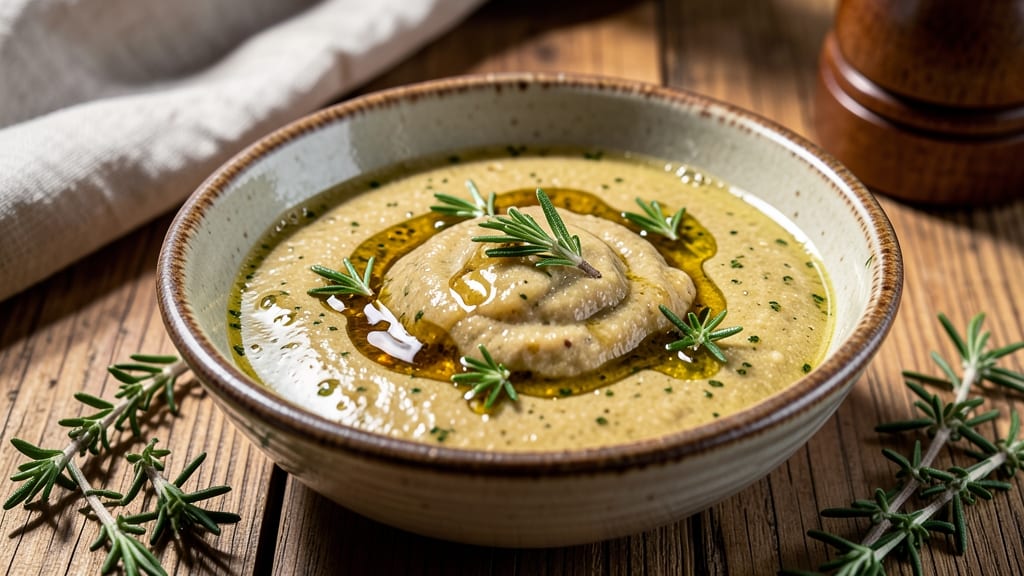
This garlic and apple cider vinegar recipe transforms simple pantry staples into a versatile, bright condiment that elevates roasted vegetables and meats with just a drizzle.
The combination of minced garlic and tangy vinegar creates a bold, aromatic base that builds flavor as it simmers—perfect for dressings, marinades, or finishing touches.
I developed this recipe after realizing how often I reached for store-bought vinegar blends that lacked depth, and this version delivers restaurant-quality zing at a fraction of the cost.
The secret lies in low-and-slow simmering to infuse the vinegar with garlic’s sweet, mellow notes without bitterness. A touch of honey or sugar balances the acidity, while fresh herbs (like thyme or rosemary) add complexity.
What makes this recipe stand out is its dual-purpose flexibility—use it as a quick salad dressing, a marinade for grilled chicken, or a finishing drizzle over roasted carrots and Brussels sprouts. The flavor only deepens over time, making it ideal for meal prep.
By the time you’ve finished simmering, you’ll have a golden, aromatic liquid that’s tangy yet sophisticated, with layers of garlic sweetness. The texture remains light enough to coat vegetables without weighing them down, while still clinging to meats for a savory punch.
This isn’t just a condiment—it’s a flavor multiplier that turns ordinary dishes into standout meals with minimal effort.
Store it in the refrigerator for up to two weeks, or extend its shelf life by canning for long-term use. The possibilities are endless: drizzle over roasted potatoes, toss with pasta, or use as a base for homemade vinaigrettes.
Here’s how to make it—simple, foolproof, and guaranteed to transform your cooking.
Ingredients for garlic and apple cider vinegar
Eight simple ingredients transform into a bold, aromatic condiment that elevates roasted vegetables and meats effortlessly.
| Ingredient | Amount | Notes |
|---|---|---|
| Apple Cider Vinegar 🍏 | 1 cup | Raw, unfiltered preferred |
| Garlic Cloves 🧄 | 8 whole | Minced finely for even infusion |
| Extra-Virgin Olive Oil 🫒 | ¼ cup | Light, fruity variety |
| Raw Honey 🍯 | 2 tbsp | Or maple syrup for vegan option |
| Fresh Thyme Leaves 🌿 | ¼ cup | Or 1 tsp dried thyme |
| Fresh Rosemary Sprigs 🌿 | 2 whole | Or 0.5 tsp dried rosemary |
| Sea Salt 🧂 | ½ tsp | Diamond Crystal preferred |
| Freshly Ground Black Pepper 🌶️ | ¼ tsp | None for pepper-free version |
The apple cider vinegar is the foundation—look for raw, unfiltered brands like Bragg or Texas Pete for that deep, complex flavor. Garlic should be fresh, with vibrant cloves that smell sweet when peeled. I always grab garlic from the bulk bin at Whole Foods—it's cheaper and stays fresher longer. The olive oil matters too; skip the cheap stuff. California Olive Ranch or Colavita are my go-tos for that bright, fruity punch that won't overpower the garlic. Fresh herbs? Trader Joe's sells pre-bundled thyme and rosemary that's perfect for this—no chopping required.
No fresh garlic? Garlic powder at half the amount works in a pinch, but you'll lose that sweet, mellow depth. Honey can be swapped for maple syrup if you're avoiding it, but the texture will be slightly thinner. Dried herbs are fine, but fresh is always better—just double the amount. The salt and pepper are flexible; if you're using a low-sodium vinegar, you might need to add a pinch more salt. For a spicier kick, toss in a pinch of red pepper flakes—trust me, it's worth it.
This condiment keeps beautifully in the fridge for up to two weeks in a sealed jar. The flavor actually deepens over time, so make extra. For longer storage, transfer to a clean glass jar and process in a water bath for canning—it'll last 6-12 months. I like to portion it into small jars for quick grab-and-go use. The oil will separate slightly, so just shake before using. It's perfect for drizzling over roasted veggies or tossing with pasta—just a little goes a long way.
Why You'll Love This Recipe
- Five-Ingredient Magic: I swear by this combo—just crush garlic, warm olive oil, and toss in vinegar, honey, and thyme. No peeling, no chopping, no stress. The vinegar and honey balance the garlic’s bite while the thyme adds that earthy lift.
- Bright, Tangy Kick: That first pour of apple cider vinegar into warm oil? It’s like a flavor explosion—sharp, sweet, and herby all at once. Drizzle it over roasted veggies or toss it with pasta, and suddenly everything tastes alive.
- Weeknight Secret Weapon: I keep a jar of this in the fridge for when I’m starving but too tired to cook. Drizzle it over grilled chicken, mix it into salad dressings, or even stir it into soup—it’s my go-to for making simple meals feel gourmet.
- Pantry Staple, Zero Waste: Between us, this recipe uses things you already have. No fancy ingredients, no extra trips to the store. And leftovers? Just store them in the fridge—they last for weeks, perfect for quick dressings or marinades when you’re in a rush.
Step-by-step instructions for garlic apple cider vinegar dressing
This bright, tangy infusion elevates roasted veggies and meats with minimal effort.
Mince the Garlic and Herbs
Peel the 8 whole garlic cloves and finely mince them using a sharp chef's knife or microplane. The goal is to create a paste-like consistency—this ensures even flavor distribution throughout the dressing. I like to press down firmly with the flat of my knife to break up any stubborn cloves that resist mincing.
Remove the 2 whole fresh rosemary sprigs from their stems and finely chop the needles using kitchen shears or a knife. For the 0.25 cup fresh thyme leaves, strip them from their stems by gently rubbing between your fingers. The herbs should be finely chopped but not pulverized—you want visible texture to complement the smooth garlic paste.
Combine Vinegar, Honey, and Seasonings
In a medium bowl, whisk together the 1 cup apple cider vinegar and 2 tbsp raw honey until the honey dissolves completely. This mixture should look smooth and slightly syrupy. Add the 0.5 tsp sea salt and 0.25 tsp freshly ground black pepper, whisking until fully incorporated. The salt and pepper will enhance the vinegar's acidity while balancing the sweetness of the honey.
Here's the thing—don't rush the whisking. You want the honey to fully emulsify with the vinegar so it doesn't settle at the bottom later. If you're using maple syrup instead of honey, the process is identical, though the flavor profile will be slightly more earthy.
Infuse with Garlic and Herbs
Add the minced garlic, chopped rosemary, and thyme leaves to the vinegar mixture. Stir well to combine, then let the mixture sit at room temperature for 15 minutes. This brief infusion allows the garlic to soften slightly and the herbs to release their aromatic oils. You'll notice the mixture becomes slightly cloudy as the garlic begins to mellow.
I like to give it a gentle stir every 5 minutes during this resting period to ensure even distribution of the flavors. This step is crucial—it prevents the garlic from becoming overly pungent and ensures the herbs contribute their full flavor profile.
Finish with Olive Oil and Rest
After the 15-minute infusion, slowly drizzle in the 0.25 cup extra-virgin olive oil while whisking continuously. The olive oil should emulsify with the vinegar mixture, creating a smooth, glossy dressing. If the mixture separates, simply whisk vigorously for another 30 seconds—it should come together beautifully.
Transfer the dressing to a clean jar and let it rest at room temperature for at least 1 hour before using. This resting period allows all the flavors to meld together harmoniously. The dressing will keep in the refrigerator for up to 1 week, making it perfect for meal prep. Give it a good shake before each use to re-emulsify any separated oils.
Pro Tips For Making Garlic And Apple Cider Vinegar
- SMASH THE GARLIC FIRST: Peel those cloves, then smash them flat with the side of your knife before mincing—this releases more flavor and keeps them from burning. I used to chop them finely and wondered why my vinegar dressing never packed a punch.
- LOW AND SLOW FOR THE VINEGAR: Simmer the vinegar on medium-low heat, not high—you’re not racing. A quick boil turns it harsh; a gentle simmer lets the acid mellow and marry with the garlic. Think of it like a slow dance, not a sprint.
- SALT THE HONEY: Toss a pinch of fine sea salt into the raw honey before adding it to the vinegar mix. It balances the sweetness and cuts through the sharpness of the garlic, making the whole thing taste more refined. Trust me, it’s a game-changer.
- STRAIN THE THYME: After infusing the thyme leaves, strain them out—unless you’re going for a rustic, herby bite. Finely chopped thyme works better for dressings, but whole leaves can make the texture gritty. Save the leaves for soups or stews where they can shine.
Pro cooking tips for this recipe
Infusion Timing Matters
The 15-minute infusion before adding oil is non-negotiable—it’s where the magic happens. Raw garlic contains allicin, which can turn bitter if overcooked. By letting it sit at room temperature, you mellow its sharpness while preserving its sweet, nutty notes.
I’ve found that stirring every 5 minutes during this time ensures even flavor distribution and prevents clumping. If you’re short on time, a 10-minute infusion still works, but the flavor will be slightly less complex. 🌱
Emulsification Secrets
Adding olive oil too quickly is the #1 way to ruin this dressing. Instead, drizzle it in a slow, steady stream while whisking vigorously—this creates tiny oil droplets that suspend evenly in the vinegar. If separation happens (it will), don’t panic!
Just whisk for 30 seconds or give the jar a good shake. For extra stability, add ½ tsp Dijon mustard to the vinegar mixture before emulsifying—it acts as a natural emulsifier. I’ve made this dressing dozens of times, and this trick has never failed me.
Herb Substitutions
No fresh thyme or rosemary? No problem. Swap them for 1 tsp dried thyme and ½ tsp dried rosemary, but reduce the amount by half—dried herbs are more concentrated. For a citrusy twist, add 1 tsp finely grated lemon zest to the vinegar mixture.
If you love heat, toss in ¼ tsp red pepper flakes with the garlic. The key is balance: if you add extra herbs, reduce the honey slightly to keep the dressing from becoming too sweet. 🌶️
Storage Hacks
This dressing keeps for up to 2 weeks in the fridge, but the flavor actually improves over time. Store it in a small, airtight glass jar (like a Le Parfait 8-oz jar) to save space.
Before each use, give it a good shake—the oil will separate, but it always comes back together. For long-term storage, transfer to a clean jar and process in a water bath for 10 minutes to can it.
The vinegar’s acidity makes it shelf-stable for 6-12 months—perfect for gifting or bulk prep. I like to label my jars with the date so I can track freshness.
Heat Control Tip
If you’re using this as a marinade, never boil it—high heat destroys the garlic’s delicate flavors and can make the vinegar taste harsh. Instead, simmer the vinegar, honey, and herbs over low heat for 5 minutes before adding oil.
For roasted vegetables, a drizzle of this dressing right out of the fridge is perfect—it caramelizes beautifully under the broiler. The oil in the dressing helps it cling to foods without making them soggy. Trust me, a little goes a long way! 🔥
Nutrition facts
Frequently asked questions
Can I make this without honey?
Replace the 2 tbsp honey with 1 tbsp maple syrup for a vegan option, or use 1 tbsp sugar to balance the acidity. For a fruitier twist, try 1 tbsp orange juice concentrate—it adds a subtle citrus note that pairs beautifully with the garlic. The key is maintaining the same 1:1 ratio to keep the dressing's tangy-sweet balance.
How do I use this as a marinade?
For marinades, reduce the olive oil to 2 tbsp (instead of ¼ cup) to prevent soggy meat. Let the dressing marinate for 30 minutes to 2 hours—never boil it, as high heat destroys the garlic's delicate flavors. Use it on chicken, pork, or tofu for a bold, aromatic kick. For extra protection, store marinated proteins in a sealed container in the fridge.
Why did my dressing separate?
Separation happens naturally because oil and vinegar don't mix permanently. Simply whisk vigorously for 30 seconds or shake the jar until smooth. For a more stable dressing, add ½ tsp Dijon mustard to the vinegar mixture before emulsifying—it acts as a natural emulsifier. Store it in a small, airtight jar to minimize separation over time.
Can I add other ingredients like mustard or soy sauce?
Yes! For depth, stir in 1 tsp Dijon mustard when combining vinegar and honey, or add 1 tsp soy sauce for umami richness. If using soy sauce, reduce the salt to ¼ tsp to avoid over-salting. For a creamy version, whisk in 1 tbsp Greek yogurt after adding oil. Just remember: start small—you can always add more, but you can't remove excess.
How much should I use on roasted vegetables?
Start with 1-2 teaspoons per pound of vegetables and adjust to taste. Drizzle over roasted Brussels sprouts, carrots, or asparagus before the last 5-10 minutes of roasting to let the flavors caramelize. For heartier veggies like potatoes, use 1-2 tablespoons and toss well. The dressing clings beautifully to roasted foods without making them soggy, thanks to the olive oil.