
Sauces & Condiments
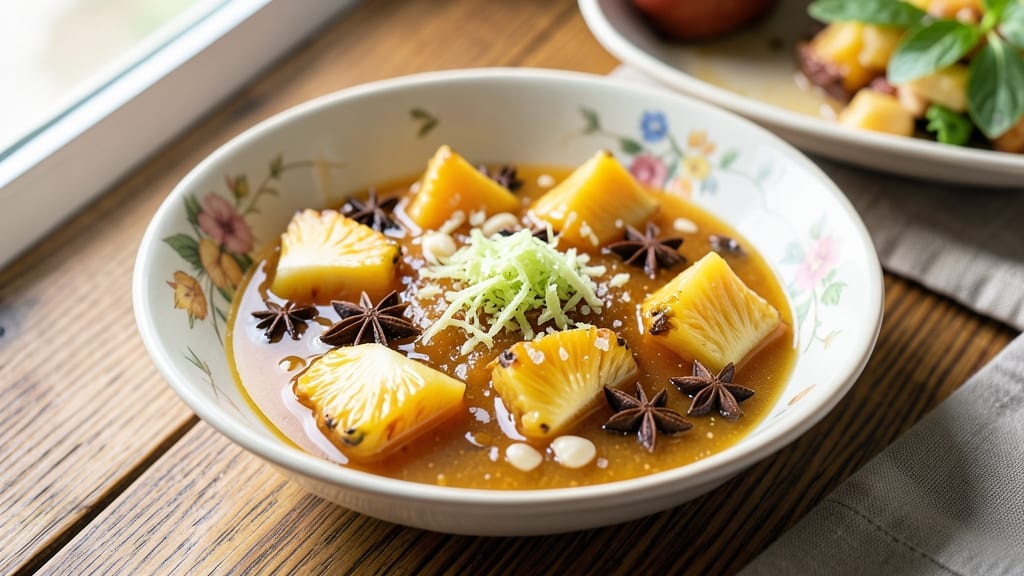
This Chinese pineapple sauce recipe transforms simple ingredients into a vibrant glaze that bridges sweet, tangy, and aromatic flavors—perfect for grilling, dipping, or drizzling. 🌟 The secret lies in balancing fresh pineapple with a touch of ginger and vinegar, then simmering until thick and glossy, creating a sauce that’s both traditional and adaptable to modern tastes.
The process is straightforward yet rewarding: blend pineapple with sugar and vinegar, then simmer with spices like star anise or chili for depth. This method preserves the sauce’s natural brightness while developing complex layers of flavor.
Whether paired with grilled meats, seafood, or even desserts, it adds a tropical twist that elevates any dish.
What you’ll end up with is a glossy, tangy-sweet sauce that clings beautifully to proteins, caramelizes slightly on the grill, and adds a refreshing contrast to rich flavors.
The texture is smooth yet slightly thickened, making it ideal for dipping or as a glaze. It’s the kind of sauce that turns ordinary meals into something memorable.
Use it as a marinade for chicken or pork, a dipping sauce for spring rolls, or even a topping for ice cream. The versatility ensures it fits seamlessly into both weeknight dinners and special occasions. Let’s make this sauce!
Ingredients for chinese pineapple sauce
Simple yet transformative ingredients for a vibrant sauce that balances tropical sweetness with aromatic depth.
| Ingredient | Amount | Notes |
|---|---|---|
| Fresh Pineapple Chunks 🍍 | 2 cups | Freshly chopped, skin removed |
| Granulated Sugar 🍚 | ½ cup | White or brown sugar preferred |
| Rice Vinegar 💧 | ¼ cup | White or seasoned variety |
| Fresh Ginger 🧄 | 1 tbsp | Finely grated, aromatic |
| Star Anise Pods 🌿 | 2 whole | Lightly crushed for aroma |
| Garlic Cloves 🧄 | 3 cloves | Minced, fresh preferred |
| Red Chili Flakes 🌶️ | ½ tsp | Adjust for heat preference |
| Cornstarch 🌾 | 1 tsp | For thickening consistency |
| Sesame Oil 🫒 | 1 tsp | Toasted for nutty depth |
| Salt 🧂 | ½ tsp | Diamond Crystal preferred |
The pineapple is the heart of this sauce—opt for ripe, fresh pineapple with vibrant color and no browning. Asian markets often carry pre-cut chunks, but whole fruit yields better flavor. If using frozen, thaw and drain excess liquid to prevent a watery sauce. Ginger and garlic should be freshly grated and minced for maximum aromatic impact; pre-minced jarred versions lack the same depth. Star anise adds a subtle licorice note—lightly crush the pods before adding to release their oils without bitterness.
No rice vinegar? Apple cider vinegar or white wine vinegar work in a pinch, though the flavor profile shifts slightly. Substitute brown sugar for white if you prefer a deeper molasses note, but reduce by 1 tbsp to maintain balance. Chili flakes can be omitted entirely for a mild version, or swap for 1/4 tsp ground Sichuan pepper for a numbing-spicy kick. The cornstarch is critical for achieving that signature glossy texture—don't skip it, even if you prefer a thinner consistency. For extra richness, add 1 tsp toasted sesame seeds at the end, though they're not in the base recipe.
Sauce thickens as it cools, so reheat gently with a splash of water if needed. Stores 5-7 days in an airtight container in the fridge, or 3 months frozen in ice cube trays for portion control. Double the batch—it disappears fast during grilling season. For a quicker version, blend all ingredients and simmer for 10 minutes instead of reducing, though the texture will be slightly less refined.
Why You'll Love This Recipe
- Pantry Magic: I swear by this sauce—no fancy shopping required. Just sugar, vinegar, and whatever’s already in your cupboard (like star anise, which I buy in bulk for tea anyway).
- Sweet-Tart Magic: That first bite of pineapple with the sauce clinging to it? The ginger’s sharp kick and star anise’s warmth cut through the sweetness in the best way—like a hug for your taste buds.
- Double-Duty Sauce: Drizzle it over grilled chicken or toss it with rice—it’s my go-to for lazy weeknights. (Honestly, I’ve even used it as a glaze for roasted veggies when I’m out of maple syrup.)
- Lasts All Week: Make a big batch—it keeps for days in the fridge. Between us, I’ve had this same jar for five days straight, and it’s still perfect for quick stir-fries or as a dip for spring rolls.
Step-by-step instructions for Chinese pineapple sauce
Transform simple ingredients into a vibrant glaze with bold tropical flavors.
🍳 Step 1: Simmer the Pineapple and Aromatics
In a medium saucepan, combine the 2 cups fresh pineapple chunks, 0.5 cup granulated sugar, and 0.25 cup rice vinegar. Bring to a gentle boil over medium-high heat, then immediately reduce to medium-low heat. Add the lightly crushed star anise pods and 3 minced garlic cloves—this releases their aromatic oils without burning.
Simmer uncovered for 10-12 minutes, stirring occasionally, until the pineapple softens and the mixture reduces by about one-third. You'll notice the sauce thicken slightly and develop a fragrant, slightly caramelized aroma. The star anise should infuse the liquid with a subtle licorice note, while the garlic adds depth. If the mixture sticks, add 1 tablespoon water to prevent burning.
👨🍳 Step 2: Incorporate Ginger and Chili
Remove the pan from heat and stir in the 1 tablespoon finely grated fresh ginger and 0.5 teaspoon red chili flakes. The ginger should dissolve into the warm liquid, releasing its bright, citrusy flavor. The chili flakes will add a subtle heat that balances the sweetness—adjust to taste if you prefer more or less spice.
Return the sauce to low heat and let it steep for 2-3 minutes, allowing the flavors to meld. This step is critical for building complexity. The ginger's sharpness cuts through the pineapple's sweetness, while the chili adds a smoky depth. Taste the sauce now—it should be tangy, slightly sweet, and aromatic with a hint of spice.
🥘 Step 3: Thicken with Cornstarch Slurry
In a small bowl, whisk together the 1 teaspoon cornstarch and 1 tablespoon cold water to create a smooth slurry. Slowly pour this mixture into the sauce while stirring constantly over low heat. The sauce will begin to thicken almost immediately, so keep stirring vigorously to prevent lumps.
Continue cooking for 1-2 minutes until the sauce reaches a glossy, syrupy consistency—it should coat the back of a spoon and hold its shape when drizzled. If it thickens too quickly, add 1 tablespoon water to adjust. The goal is a balance between a glaze and a dipping sauce, so test by letting a small amount cool slightly. It should be thick enough to cling but still flow smoothly.
🔥 Step 4: Finish with Sesame Oil and Salt
Remove the sauce from heat and stir in the 1 teaspoon toasted sesame oil and 0.5 teaspoon salt. The sesame oil adds a nutty, toasty aroma that elevates the dish, while the salt rounds out the flavors. Give it one final taste—it should harmonize all the elements: the pineapple's sweetness, the vinegar's tang, the ginger's brightness, and the chili's warmth.
Let the sauce cool to room temperature before using. If storing, transfer to an airtight container and refrigerate for up to 5 days. The flavors will deepen as it sits, making it even more complex. This sauce is now ready to glaze grilled meats, drizzle over noodles, or serve as a dipping sauce for spring rolls.
Pro Tips For Making Chinese Pineapple Sauce
- STRAIN TWICE: That first strain won’t catch all the grit from pineapple—especially if you’re using fresh chunks. After simmering, pour through a fine-mesh sieve, then a cheesecloth-lined colander. The second pass removes the tiny fibers that make your sauce taste like you rushed it.
- PEEL GINGER LIKE A PRO: Skip the messy peeler and use a spoon’s backside to scoop off the skin in one smooth motion. Then, slice thin—about 1/8-inch—and toast it in the dry pan for 30 seconds before adding to the sauce. That step unlocks the ginger’s aroma without bitterness.
- DON’T BOIL THE VINEGAR: Rice vinegar evaporates fast, and once it hits a rolling boil, you’re left with a harsh, one-dimensional sauce. Keep the heat at a gentle simmer—tiny bubbles, occasional swirls—and stir often. Your sauce will stay bright and balanced, not like vinegar punch.
- CRUSH STAR ANISE GENTLY: Whole pods add depth, but cracked ones release too much licorice heat. Lightly tap them with a rolling pin or the back of a spoon—just enough to bruise the surface. Remove them after 5 minutes of simmering, or your sauce will taste like a Christmas spice cabinet exploded.
Regional styles of this dish
Cantonese Sweet-Tangy
This version is all about balancing sweetness with bright acidity, a hallmark of Cantonese cuisine. Reduce the sugar slightly to 0.4 cup and increase the rice vinegar to 0.3 cup for a sharper tang.
Add 1 tsp soy sauce at the end to deepen the umami—this pairs perfectly with grilled pork or shrimp skewers. 🌟
Sichuan Spicy-Fiery
For a Sichuan-inspired twist, swap the chili flakes for 1 tbsp Sichuan peppercorns (toasted and crushed) and add 1 tsp doubanjiang (chili bean paste) during the final simmer.
The numbing-spicy kick complements the sweetness beautifully, especially when drizzled over mapo tofu or dan dan noodles. Adjust heat with extra peppercorns if needed.
Fujian Light and Herbal
Fujian cuisine favors fresh, herbal flavors. Reduce the sugar to 0.3 cup and add 1 tbsp fresh cilantro stems (not leaves) and 1 tsp shaoxing wine during the simmer.
Finish with 1 tsp toasted sesame seeds for texture. This lighter version works wonderfully as a dipping sauce for steamed dumplings or seafood dishes.
Hong Kong BBQ Glaze
For a sticky, caramelized glaze like those used in Hong Kong BBQ stalls, increase the sugar to 0.6 cup and add 1 tbsp honey at the end. Simmer longer—15-20 minutes—until the sauce thickens to a syrupy consistency.
Brush this onto grilled char siu (BBQ pork) or chicken wings for a restaurant-quality finish.
Taiwanese Pineapple Vinegar
Taiwanese street food often features a sweet-and-sour profile. Use 0.4 cup pineapple juice (strained from the chunks) and 0.3 cup black vinegar instead of rice vinegar. Add 1 tsp grated daikon radish for a subtle crunch and serve chilled as a dipping sauce for fried chicken or spring rolls.
The black vinegar adds a deeper, slightly funky note.
Modern Fusion Twist
For a contemporary take, blend ½ cup coconut milk into the finished sauce and top with toasted coconut flakes. This tropical fusion works brilliantly as a glaze for grilled fish or a drizzle over mango sticky rice.
The coconut milk softens the acidity while adding a creamy richness that modern palates love. 🌴
Nutrition facts
Frequently asked questions
Can I use canned pineapple instead of fresh?
Yes, but choose high-quality canned pineapple packed in juice (not syrup) for the best flavor. Drain and rinse the chunks well to remove excess liquid, then pat dry before using. The texture will be slightly softer, but the sauce will still taste delicious. For extra brightness, add 1 teaspoon lemon juice at the end.
How spicy should the sauce be?
The 0.5 teaspoon red chili flakes provide a mild heat that balances sweetness. For a milder version, reduce to ¼ teaspoon or omit entirely. For more heat, increase to 1 teaspoon or add ½ teaspoon cayenne pepper. Taste as you go—you can always adjust!
Can I make this sauce without cornstarch?
Yes! If avoiding cornstarch, try 1 teaspoon arrowroot powder or ½ teaspoon xanthan gum mixed with water for thickening. For a naturally thickened version, simmer the sauce longer (up to 20 minutes) and stir frequently. The texture will be slightly less glossy but still flavorful.
What’s the best way to store leftover sauce?
Transfer to an airtight container and refrigerate for up to 5 days. For longer storage, freeze in ice cube trays or small jars—thaw overnight in the fridge. Reheat gently in a saucepan over low heat, adding a splash of water if needed. The flavors actually improve after refrigeration!