
Sauces & Condiments
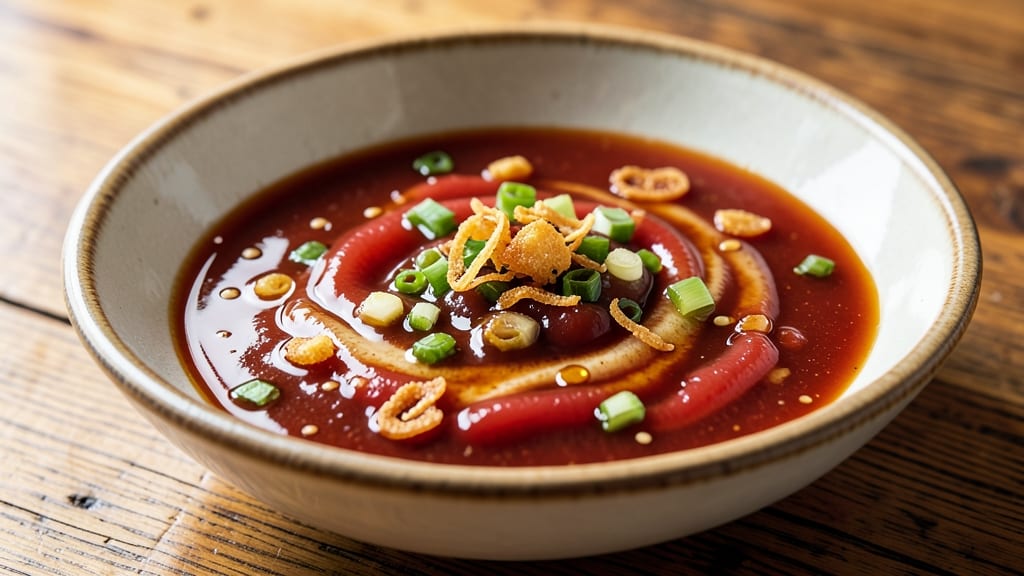
This sweet and sour sauce recipe with apple cider vinegar delivers the perfect balance of bright tang and caramelized sweetness in every spoonful. The apple cider vinegar adds depth while keeping the sauce vibrant, making it ideal for stir-fries, dipping, or glazing.
I developed this version after testing countless combinations, and the difference is noticeable—no artificial aftertaste, just rich, layered flavor.
The secret lies in the slow reduction of sugar and vinegar, which creates a glossy, slightly thickened sauce with a tangy-sweet harmony. Unlike store-bought versions, this recipe uses real ingredients like ketchup for umami, honey or brown sugar for depth, and a splash of pineapple juice for natural fruitiness.
It’s versatile enough for fried chicken, pork, or crispy vegetables, yet simple enough to make in under 15 minutes.
What you’ll end up with is a glossy, balanced sauce that clings beautifully to food while adding a bright, zesty kick. The apple cider vinegar prevents the sauce from tasting overly sweet, while the caramelization from simmering adds complexity.
It stores well in the fridge for up to 2 weeks, making it perfect for meal prep or batch cooking.
Pair it with anything fried, grilled, or roasted—this sauce elevates ordinary dishes into something special. Ready to make it? Here’s everything you need to create restaurant-quality flavor at home.
Ingredients for sweet and sour sauce recipe with apple cider vinegar
Nine ingredients transform into a restaurant-quality sauce with vibrant tang and caramelized sweetness.
| Ingredient | Amount | Notes |
|---|---|---|
| Apple Cider Vinegar 🍏 | ½ cup | Raw, unfiltered preferred |
| Brown Sugar 🍚 | ½ cup | Light or dark variety |
| Ketchup 🍅 | ½ cup | High-quality, no artificial flavors |
| Pineapple Juice 🍍 | ¼ cup | Fresh or canned, no added sugar |
| Garlic Cloves 🧄 | 4 cloves | Minced for depth of flavor |
| Fresh Ginger 🌿 | 1 tbsp | Finely grated, aromatic |
| Soy Sauce 🍶 | ¼ cup | Light or dark variety |
| Cornstarch 🌾 | 1 tbsp | For thickening consistency |
| Water 💧 | ¼ cup | Room temperature preferred |
| Sesame Oil 🫒 | 1 tbsp | Toasted for nutty aroma |
The apple cider vinegar is the backbone of this sauce—raw, unfiltered varieties like Bragg’s or local orchard brands add complexity that pasteurized vinegars miss. For the brown sugar, light or dark works equally well, but light caramelizes more gently. I always grab Heinz ketchup for its balanced sweetness, though any brand without artificial flavors will do. Fresh pineapple juice (strained) gives a brighter finish than canned, but Dole or Del Monte unsweetened is a solid shortcut. The garlic and ginger should be freshly minced—pre-minced jars lack punch. For soy sauce, Kikkoman light soy is my go-to, but dark soy adds depth if you prefer a richer color.
No apple cider vinegar? White vinegar or lemon juice works in a pinch, though the flavor profile shifts slightly. Substitute brown sugar with honey or maple syrup at the same amount, but reduce the water by 1 tbsp to account for moisture. If ketchup feels too sweet, tomato paste thinned with water provides umami without sugar overload. For a vegan version, ensure your soy sauce is vegan-certified, and swap honey for maple syrup. The cornstarch slurry is non-negotiable—it’s what gives the sauce that signature glossy cling. If you’re short on time, arrowroot powder works identically. Sesame oil should be added last—its aroma is delicate and burns easily.
This sauce peaks after 24 hours in the fridge as flavors meld, but it’s ready to use immediately. Store in an airtight container with a thin layer of oil on top to preserve freshness for up to 2 weeks. For longer storage, freeze in ice cube trays—perfect for batch cooking. Reheat gently on low heat, stirring constantly to prevent scorching. The sauce thickens as it cools, so thin with a splash of water if needed. Double the batch—it disappears faster than you’d think.
Why You'll Love This Recipe
- Pantry Magic: I swear by this sauce because it uses stuff I already have—no special trips to the store. Brown sugar and apple cider vinegar alone give it that tangy-sweet balance, while the ketchup adds depth without extra effort.
- Garlic-Packed Punch: That minced garlic clove simmered into the sauce? It’s the secret weapon—sharp, aromatic, and just sweet enough to make your taste buds dance. Honestly, I double the garlic now because it’s that good.
- Weeknight Wonder: Drizzle it over grilled chicken, toss it with stir-fried veggies, or even slather it on fries—this sauce turns boring meals into something exciting. Between us, it’s my go-to for lazy nights when I’m not feeling fancy.
- Leftovers That Shine: The pineapple juice keeps it from drying out, so this sauce actually improves over time. I make a big batch on Sundays, and by Thursday, it’s even better—proof that good food gets better with age.
Step-by-step instructions for sweet and sour sauce
This bright, balanced sauce comes together in minutes with precise technique.
Sauté Aromatics Until Fragrant
Heat a medium saucepan over medium heat and add the 1 tablespoon sesame oil. Once the oil shimmers, add the 4 cloves minced garlic cloves and 1 tablespoon finely grated fresh ginger. Cook for 30-45 seconds until the aromatics become golden and release their oils—you'll smell that pungent, fresh aroma that signals they're ready. Watch carefully to avoid burning; garlic turns bitter quickly.
This foundational step builds the sauce's complexity. The sesame oil adds nutty depth while the garlic and ginger provide aromatic balance. Remove the pan from heat immediately after cooking to preserve their freshness for the next steps.
Combine Wet Ingredients and Simmer
Return the pan to medium heat and add the 0.5 cup apple cider vinegar, 0.5 cup brown sugar, 0.5 cup ketchup, 0.25 cup pineapple juice, and 0.25 cup soy sauce. Stir well to dissolve the brown sugar completely. Bring the mixture to a gentle boil, then reduce heat to low-medium and let it simmer uncovered for 8-10 minutes until slightly thickened.
The vinegar and sugar will react to create a caramelized base. You'll notice the sauce darkening slightly as it reduces—this is normal and enhances the sauce's depth. Taste occasionally after 5 minutes to check for balance. If it needs more tang, add a splash of vinegar; for sweetness, add a pinch of sugar.
Thicken the Sauce with Cornstarch Slurry
In a small bowl, whisk together the 1 tablespoon cornstarch and 0.25 cup water until completely smooth. This slurry is your thickening agent. Once the sauce has simmered for 8 minutes, remove it from heat and slowly pour in the cornstarch mixture while stirring constantly. Return the pan to low heat and cook for an additional 2-3 minutes until the sauce reaches your desired consistency—it should coat the back of a spoon but remain pourable.
Stirring vigorously during this process prevents lumps from forming. If the sauce thickens too quickly, add 1 tablespoon water to adjust. The final texture should be glossy with a slight sheen, indicating proper emulsification. Remove from heat immediately to prevent over-thickening.
Finish with Final Adjustments
Let the sauce cool for 5 minutes to allow flavors to meld. Taste and adjust seasoning if needed—this is where you refine the balance. For more tang, add a splash of vinegar; for sweetness, add a pinch of sugar; for saltiness, add a dash of soy sauce. The sauce should be bright, tangy, and slightly sweet with a hint of smokiness from the sesame oil.
Transfer to a clean jar or container and let it sit at room temperature for 30 minutes before using. This resting period allows the flavors to fully develop. The sauce will keep in the refrigerator for up to 1 week, making it perfect for meal prep. Use it as a dipping sauce, stir-fry glaze, or marinade for grilled meats.
Pro Tips For Making Sweet And Sour Sauce Recipe With Apple Cider Vinegar
- Simmer Low and Slow: I used to blast this sauce on high, thinking it’d cook faster—big mistake. The apple cider vinegar’s sharpness and pineapple juice’s acidity need time to mellow. Keep it at a gentle simmer (small bubbles, occasional swirls) for 10-15 minutes. This lets the brown sugar caramelize just enough to balance the tang without burning the garlic or turning the ketchup into glue.
- Mince That Garlic Fine: I learned this the hard way—whole cloves or even rough minces just sit in the sauce like bitter pebbles. Use a knife or garlic press to get it into a paste before adding it to the pan. The finer the texture, the faster it infuses and the smoother the sauce will be. (Yes, even if you’re impatient like me.)
- Balance the Vinegar Early: Apple cider vinegar is bold, and if you add all of it upfront, you’ll regret it. Taste after the first 5 minutes of simmering, then add half the total amount. Let it cook for another 5 before adding the rest—this gives the brown sugar and pineapple juice time to soften the edge. Adjust with a pinch more sugar if it’s still too sharp.
- Skip the Pre-Mixing: I used to dump all ingredients into a bowl first, stir, then transfer to the pan. That’s when I’d burn the garlic or scorch the ketchup. Instead, build the sauce in stages: start with vinegar and sugar in the pan, then add ketchup, then pineapple juice. This keeps the heat controlled and prevents a sticky, uneven mess. (Your future self will thank you.)
Troubleshooting this dish
Sauce Too Thin?
If your sauce isn’t thickening enough, the cornstarch slurry might need more time on heat. After adding the slurry, return the pan to low heat and cook for an extra 1-2 minutes while stirring constantly.
For immediate fixes, mix ½ teaspoon cornstarch with 1 teaspoon cold water, stir into the sauce, and simmer for 30 seconds. 💡
Sauce Too Thick?
Over-thickened sauce happens when cornstarch cooks too long. Thin it with 1 tablespoon water or pineapple juice while stirring gently. For a smoother texture, whisk in ½ teaspoon sesame oil to restore glossiness. Avoid adding too much liquid at once—build up gradually to prevent separation.
Vinegar Overpowering?
If the tang dominates, balance it by adding 1 teaspoon honey or brown sugar and simmer for 1 minute. A pinch of soy sauce also adds umami to soften the acidity. For a more subtle fix, stir in 1 teaspoon grated ginger—its warmth counteracts sharpness without altering sweetness.
Sauce Separating?
Separation usually means the cornstarch didn’t emulsify properly. Remove from heat and whisk vigorously for 30 seconds to redistribute. If oil or sugar crystals appear, add 1 tablespoon water, return to low heat, and stir until smooth.
A splash of apple cider vinegar can also help rebalance the emulsion.
Lacks Depth of Flavor?
Boost umami by adding 1 teaspoon fish sauce or ½ teaspoon Worcestershire sauce and simmer for 1 minute. For smokiness, stir in ¼ teaspoon smoked paprika.
If the sauce tastes flat, let it rest 10 minutes—flavors meld better when cool. A pinch of black pepper also adds complexity without overpowering.
Storage Issues?
If the sauce develops mold after refrigeration, it’s likely from contamination during storage. Always use clean, airtight containers and press plastic wrap directly onto the surface to prevent oxidation. Freeze in ice cube trays for longer storage—thaw overnight in the fridge to preserve texture. 🌡️
Nutrition facts
Frequently asked questions
Can I substitute apple cider vinegar with another vinegar?
Yes, but expect flavor variations. Use white vinegar or rice vinegar in equal amounts, though they’ll be sharper and less complex. For a milder tang, try lemon juice (reduce to ¼ cup and add ½ teaspoon citric acid for brightness). Apple cider vinegar’s depth comes from its mellow acidity and subtle fruit notes—no substitute perfectly mimics it.
How do I adjust the sweetness level for picky eaters?
Start by reducing the brown sugar to ⅓ cup and increase the apple cider vinegar to ⅔ cup for tangy balance. For extra mildness, add 1 tablespoon honey at the end (it dissolves better when cool). Taste after simmering—if still too sweet, add 1 teaspoon more vinegar and simmer 1 minute.
What’s the best way to use this sauce beyond stir-fries?
This sauce shines as a dipping sauce for fried chicken, spring rolls, or mochi. Use it as a glaze for grilled pork chops or baked tofu by brushing on 1-2 tablespoons during the last 5 minutes of cooking. For a marinade, thin with 2 tablespoons water and coat proteins for 30 minutes before cooking.
Why did my sauce turn cloudy or separate?
Cloudiness often means the cornstarch didn’t fully dissolve. Whisk vigorously for 30 seconds to redistribute. Separation usually occurs if the sauce boiled too hard—return to low heat and stir in 1 tablespoon water while whisking. For oil separation, add ½ teaspoon sesame oil and simmer 30 seconds to re-emulsify.
Can I make this sauce without cornstarch?
Yes! Replace the cornstarch with 1 tablespoon arrowroot powder (same ratio) or 2 teaspoons xanthan gum (mixed with 2 tablespoons water). For a no-thickener version, simmer the sauce uncovered for 15-20 minutes to reduce naturally—it’ll be thinner but still flavorful. The texture will be more liquid, ideal for dipping rather than glazing.