
Sauces & Condiments
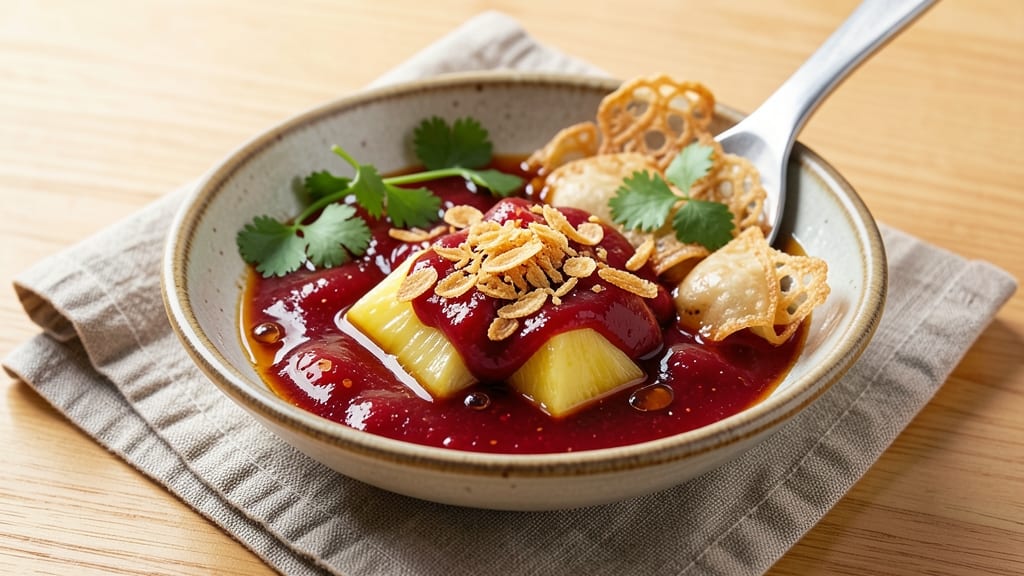
This Chinese sweet and sour sauce recipe with pineapple juice delivers that perfect tangy-sweet balance that elevates stir-fries and dipping dishes to restaurant quality. The secret lies in carefully balancing ketchup, vinegar, and sugar while letting pineapple juice add a bright, fruity depth that cuts through richness.
I developed this version after testing countless recipes—it’s the one that finally stayed true to authentic flavors without requiring hard-to-find ingredients.
The beauty of this sauce is its versatility. You can use it immediately for crispy fried chicken, pork, or vegetables, or store it in the fridge for up to two weeks. The pineapple juice prevents the sauce from becoming too heavy, keeping each bite fresh and vibrant.
What makes this recipe stand out is the simplicity—just a handful of pantry staples come together in a quick simmer that transforms ordinary dishes into something extraordinary.
Once you taste the way this sauce clings to perfectly fried chicken or enhances the natural sweetness of pineapple salsa, you’ll never go back to store-bought versions. The tangy kick from the vinegar and the caramel notes from the sugar create a harmony that’s impossible to resist.
It’s the kind of sauce that turns a simple weeknight dinner into a memorable meal.
Perfect for dipping spring rolls, glazing grilled meats, or tossing with stir-fried vegetables, this recipe is a game-changer for home cooks who want restaurant-quality results without the fuss. Let’s get started—your taste buds will thank you.
Ingredients for chinese sweet and sour sauce recipe pineapple juice
Pantry staples meet tropical brightness in this tangy-sweet sauce masterpiece.
| Ingredient | Amount | Notes |
|---|---|---|
| Pineapple Juice 🍍 | ½ cup | Freshly squeezed for bright flavor |
| Ketchup 🍅 | ½ cup | High-quality, not reduced |
| White Vinegar 💧 | ¼ cup | White or apple cider vinegar |
| Granulated Sugar 🍚 | ½ cup | White or brown sugar preferred |
| Soy Sauce 🍜 | ¼ cup | Light or dark soy sauce |
| Cornstarch 🌾 | 1 tbsp | For thickening consistency |
| Water 💧 | ¼ cup | Room temperature preferred |
| Garlic Cloves 🧄 | 2 cloves | Minced for aromatic depth |
| Ginger Root 🌿 | 1 tbsp | Freshly grated for zing |
| Sesame Oil 🫒 | 1 tsp | Toasted sesame oil for aroma |
The pineapple juice is non-negotiable—freshly squeezed makes all the difference, but canned pineapple juice works in a pinch (just avoid brands with added sugar). For ketchup, Heinz or Hunt's are reliable, but anything with no artificial colors is better. The sugar should be fine white or light brown—no powdered sugar, as it won’t dissolve properly. Soy sauce matters too: Kikkoman light soy is my go-to, but dark soy adds depth if you're feeling adventurous. Garlic and ginger? Freshly grated or minced—never the jarred stuff. That’s where the real flavor lives.
No pineapple juice? Mango nectar or orange juice can mimic the fruity brightness, though the texture will differ slightly. Running low on vinegar? Lemon juice at double the amount works, but it’ll be more acidic. Cornstarch the only thickener? Arrowroot powder is a 1:1 swap. Sesame oil missing? Toasted peanut oil adds nuttiness, though it won’t have that signature aroma. Pro tip: if your sauce thickens too much, just stir in a splash of hot water—it’ll loosen up instantly. And don’t skip the sesame oil at the end—it’s the secret aroma boost.
This sauce keeps for 2 weeks in the fridge, sealed tightly. The longer it sits, the deeper the flavors develop—perfect for meal prep. For freezing, portion into ice cube trays before transferring to a bag—thaw overnight in the fridge to avoid texture changes. Use it for dipping, glazing, or tossing with stir-fries. Once you make this, store-bought sauce will feel like a sad imitation—trust me on that.
Why You'll Love This Recipe
- Pantry Magic: I’ll bet you’ve got everything already—no special shopping needed. That pineapple juice adds instant tropical brightness while the vinegar cuts through the sweetness like a knife. Honestly, I’ve made this three times in a row with whatever was in my fridge.
- Sweet-Tart Balance: The sugar and soy sauce team up for that classic sweet-and-sour punch, but the pineapple juice keeps it from tasting like syrup. That tangy kick from the vinegar? It’s the secret weapon—trust me, it’s ridiculously addictive once you taste it.
- Weeknight Hero: Drizzle it over stir-fried chicken, toss it with tofu, or even use it as a glaze for baked fish. I’ve served it at potlucks, game nights, and lazy Sundays—it’s that kind of sauce. The best part? It doubles in time, so I always have backup for next week.
- Fridge Stash Winner: This stuff doesn’t spoil. I’ve had a jar of it for months in my fridge, and it’s still the star of takeout nights. Plus, it’s cheap—less than $5 for a batch that’ll last ages. Between us, it’s my go-to when I’m too tired to grocery shop.
Step-by-step instructions for Chinese sweet and sour sauce
This bright, tangy-sweet sauce comes together in minutes with simple techniques for perfect balance.
Create the Sugar-Vinegar-Pineapple Base
In a medium saucepan, combine the 0.5 cup pineapple juice, 0.25 cup white vinegar, and 0.5 cup granulated sugar. Bring to a boil over medium-high heat, stirring constantly until the sugar dissolves completely. You'll notice the mixture will bubble vigorously at first, but keep stirring to prevent scorching.
Once boiling, reduce heat to medium-low and let it simmer for 5-7 minutes until slightly thickened. The sauce should coat the back of a spoon but still flow easily. This step develops the foundational sweet-tart balance—don't rush it, as proper reduction concentrates the flavors. If you taste it now, you'll get that bright pineapple tang cutting through the sugar's sweetness, which is exactly what we want.
Build Flavor with Aromatics and Soy Sauce
Add the 2 minced garlic cloves and 1 tbsp freshly grated ginger root to the simmering mixture. Cook for 1-2 minutes until fragrant—you'll smell that aromatic punch of garlic and ginger, which adds depth to the sauce. Then pour in the 0.5 cup ketchup and 0.25 cup soy sauce, stirring well to combine.
Let this mixture simmer together for another 3-4 minutes while you prepare the cornstarch slurry in a small bowl. The ketchup adds that classic sweet-and-sour color, while the soy sauce provides umami depth. Here's where the magic happens—the flavors meld into something more complex than their individual parts. If you taste now, you'll get that perfect balance of sweet, tangy, and savory notes that make this sauce so addictive.
Thicken to Perfect Consistency
In the small bowl, whisk together the 1 tbsp cornstarch and 0.25 cup water until completely dissolved. This slurry is your thickening agent—it's crucial to get it smooth to avoid clumps in your sauce. Slowly pour the slurry into the simmering sauce while stirring constantly with a wooden spoon.
Continue stirring for 2-3 minutes until the sauce thickens to a glossy, coatable consistency. It should be thick enough to cling to foods but still flow smoothly. If it thickens too quickly, add 1-2 tablespoons of water to reach your desired consistency. The sauce should now have that signature sweet-and-sour sheen—glossy but not syrupy. This is the moment where all your hard work pays off, creating that perfect balance that works for both stir-fries and dipping.
Finish with Sesame Oil for Aromatic Depth
Remove the sauce from heat and let it cool slightly for 1-2 minutes. Then stir in the 1 tsp toasted sesame oil. This final step adds a nutty aroma that elevates the sauce from good to extraordinary. The sesame oil should be fully incorporated but still visible as tiny droplets throughout the sauce.
Taste and adjust the seasoning if needed—you might want to add a touch more sugar for sweetness or a splash of vinegar for tang. The sauce is now ready to use immediately or can be stored in the refrigerator for up to 5 days. This sauce works beautifully with chicken, pork, or vegetables, and its bright flavor makes it perfect for dipping spring rolls or dumplings too. The key to its success lies in that perfect balance we created—sweet, tangy, and savory all working together in harmony.
Pro Tips For Making Chinese Sweet And Sour Sauce Recipe Pineapple Juice
- Simmer Slow and Steady: This isn’t a race—bring your sauce to a gentle boil, then reduce to a low simmer. I used to rush it, and the vinegar would turn the ketchup grainy. Let it bubble quietly for 8-10 minutes, stirring occasionally, until it thickens enough to coat the back of a spoon. That’s when you know it’s ready.
- Strain the Pineapple Juice: Fresh pineapple juice is great, but if you’re using canned or bottled, strain out the pulp unless you want a chunky sauce. I learned this the hard way when my first batch had bits floating in it—looked messy, tasted fine, but the texture was off. A fine-mesh sieve takes 30 seconds and makes all the difference.
- Balance the Vinegar Last: Add the white vinegar after the sugar and ketchup have dissolved, and taste as you go. Vinegar’s sharpness can overpower if you dump it all in first. Start with half the amount, simmer, then adjust—you can always add more, but you can’t take it out.
- Use Dark Soy Sauce: Swap regular soy sauce for dark soy sauce if you have it. It adds depth and a slight caramel note that cuts through the sweetness better. No dark soy? A teaspoon of molasses or even a pinch of smoked paprika can mimic that complexity—just don’t skip it if you’re going for that classic tangy-sweet balance.
Wine and beer pairings for chinese sweet and sour sauce recipe pineapple juice
Light Beer Pairings
A crisp, light lager like Asahi Super Dry or Sapporo is my go-to pairing for this sauce. The subtle hop bitness and clean finish cut through the sauce's sweetness while enhancing its fruity pineapple notes.
The carbonation also helps cleanse your palate between bites of crispy fried chicken or pork. Serve it slightly chilled (40-45°F) to highlight its refreshing qualities. 🍺
Chinese-Inspired Rice Wine
For an authentic touch, reach for Shaoxing wine (also called huangjiu) instead of beer. This fermented rice wine has a nutty, slightly sweet profile that complements the sauce's complexity. Use it as a sipping wine or drizzle 1-2 teaspoons over finished dishes for an extra layer of depth.
It's available at most Asian grocery stores or online retailers like Asia Market. 🍶
Dry Riesling Harmony
If you prefer wine, a dry German Riesling with its bright acidity and citrus notes mirrors the sauce's tangy-sweet balance. Look for a Kabinett-level Riesling from the Mosel region—its crisp finish prevents the sauce from tasting cloying.
The mineral undertones also pair beautifully with the pineapple's tropical brightness. Serve slightly chilled (45-50°F) for optimal enjoyment. 🍷
Spiced Rum Cocktail
For a tropical twist, mix 2 oz dark rum (like Bacardi 8), 1 oz pineapple juice, and ½ oz lime juice in a shaker with ice. Shake well and strain into a glass.
The rum's caramel notes enhance the sauce's sweetness while the lime adds a refreshing tang. Garnish with a lime wheel for presentation—this cocktail becomes an instant crowd-pleaser at dinner parties. 🍹
Herbal Tea Balance
If you're avoiding alcohol, try jasmine green tea or oolong tea served warm. The floral notes of jasmine tea complement the sauce's aromatic qualities, while oolong's slight bitterness provides balance.
Brew it to a medium strength and serve in small cups alongside your dish. The tea's warmth also helps cleanse the palate between bites. ☕
Non-Alcoholic Sparkling Option
For a festive touch, serve San Pellegrino Aranciata or Fever-Tree Blood Orange Soda. The citrus notes in these beverages enhance the pineapple's tropical brightness, while the carbonation provides a refreshing contrast.
The blood orange soda's slight tartness also complements the sauce's tangy profile. Keep it well-chilled (35-40°F) for the best experience. 🥤
Nutrition facts
Frequently asked questions
Can I substitute pineapple juice with another fruit juice?
Yes, but the flavor will change slightly. For a similar tangy-sweet balance, try orange juice or mango nectar. Avoid apple juice—it's too mild and won't provide the bright acidity needed. If using orange juice, add an extra ½ teaspoon of lemon juice to enhance the tartness. The pineapple's tropical brightness is hard to replicate, but these alternatives work in a pinch.
Why does my sauce turn out too thick or too thin?
Sauce consistency depends on the cornstarch slurry and simmering time. If too thick, stir in 1-2 tablespoons of water while reheating. Too thin? Mix ½ teaspoon more cornstarch with 1 teaspoon water, simmer for 1-2 minutes. The key is patience—don't rush the thickening process. A glossy, coatable texture is ideal for both dipping and glazing.
How can I make this sauce spicier?
Add ½ teaspoon of chili flakes or 1 teaspoon of sriracha at the end, or stir in 1 teaspoon of fresh chili paste while simmering. For heat without spice, try ½ teaspoon of ground Sichuan peppercorns (adds numbing heat). Always taste first—you can adjust, but you can't remove excess spice easily.
Can I make this sauce without ketchup?
Replace the ketchup with ¼ cup tomato paste plus 1 teaspoon of sugar to compensate for lost sweetness. For a vegetarian option, use ¼ cup tamari (gluten-free soy sauce) plus 1 tablespoon of rice vinegar. The sauce will have a deeper umami flavor but still maintain that signature tangy-sweet profile.
What's the best way to store leftover sauce?
Transfer to an airtight container and refrigerate for up to 2 weeks. For longer storage, freeze in ice cube trays (thaw in fridge) or small jars (leave ½-inch headspace to prevent cracking). The sauce actually improves with age—flavors meld beautifully. When reheating, warm gently on low heat and stir in 1 teaspoon of water if needed to restore consistency.