
Sauces & Condiments
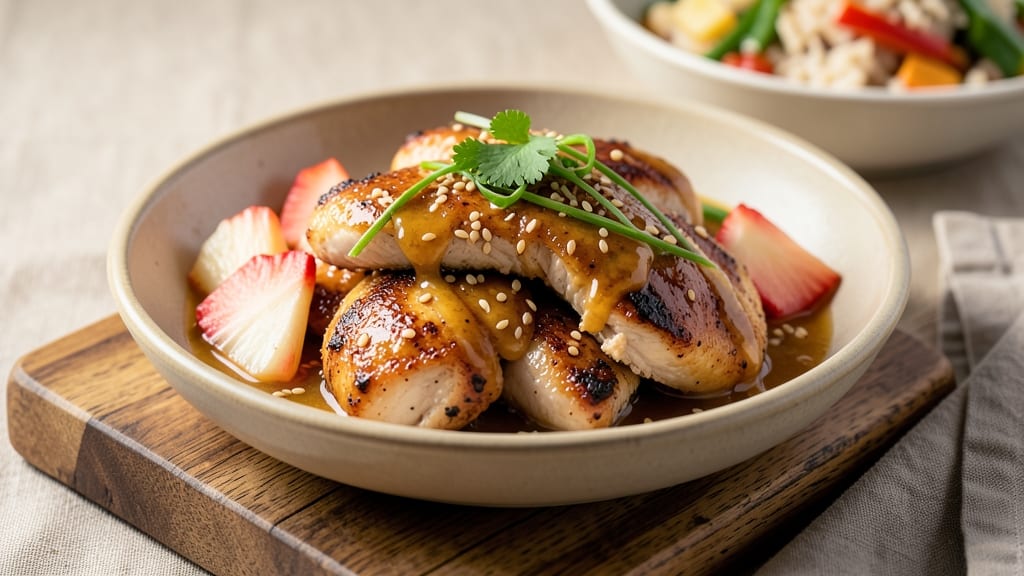
This gluten-free teriyaki sauce recipe with pineapple juice transforms ordinary grilled meats and stir-fries into restaurant-quality dishes with just 10 minutes of prep. The pineapple juice adds a bright, tangy sweetness that cuts through the richness of soy and ginger, creating a glaze that's both bold and balanced.
I developed this version after realizing how much better homemade sauce tastes compared to store-bought—especially when you can control the gluten-free ingredients.
The secret lies in the combination of coconut aminos (a gluten-free soy substitute), fresh ginger, and pineapple juice, which naturally tenderizes proteins while adding depth. Unlike many recipes that rely on thickeners, this version stays naturally glossy and sticky, perfect for drizzling or tossing.
The sauce keeps well in the fridge for up to 2 weeks, making it ideal for meal prep or batch cooking.
What makes this sauce truly versatile is its ability to elevate everything from grilled chicken and tofu to roasted vegetables and rice bowls. The pineapple juice prevents it from being too heavy, while the ginger and garlic add layers of warmth that pair beautifully with umami-rich ingredients.
Once you try this, store-bought teriyaki won't stand a chance.
For best results, let the sauce simmer until slightly thickened but still pourable—this ensures it clings perfectly to whatever you're cooking. Whether you're marinating proteins or finishing a stir-fry, this gluten-free teriyaki sauce delivers professional-quality flavor without the gluten. Ready to make it?
Ingredients for gluten free teriyaki sauce recipe with pineapple juice
This vibrant gluten-free teriyaki sauce transforms simple proteins into restaurant-worthy dishes with just 10 minutes of simmering.
| Ingredient | Amount | Notes |
|---|---|---|
| Coconut Aminos 🍶 | ¾ cup | Gluten-free soy substitute, low-sodium preferred |
| Pineapple Juice 🍍 | ½ cup | Freshly squeezed for vibrant flavor |
| Fresh Ginger 🌿 | ½ cup | Finely grated, peeled root |
| Garlic Cloves 🧄 | 6 cloves | Minced for aromatic depth |
| Sesame Oil 🫒 | 1 tbsp | Toasted for nutty aroma |
| Honey 🍯 | ¼ cup | Local raw honey preferred |
| Rice Vinegar 🍶 | 2 tbsp | White or seasoned variety |
| Fresh Lime Juice 🍋 | 2 tbsp | From 1 medium lime |
| Diamond Crystal Kosher Salt 🧂 | ½ tsp | Fine grain for even dissolving |
| Ground Black Pepper 🌶️ | ¼ tsp | Freshly cracked for heat |
The coconut aminos are the backbone here—Lao Garden brand or Annie Chun's are my go-tos, but any gluten-free soy substitute works. Fresh ginger is non-negotiable; organic ginger from the produce section has the most punch. If you're using frozen pineapple juice, thaw it first—Trader Joe's has a great organic option that's perfect. The garlic can be pre-minced to save time, but fresh is always better. For honey, local raw varieties add subtle floral notes that elevate the sauce. Toast your sesame oil in a small pan for 30 seconds before adding to release its nutty aroma—don't skip this step.
No coconut aminos? Tamari or gluten-free soy sauce works in a pinch, but reduce the amount by 15% since they're more concentrated. Short on pineapple juice? Mango nectar or apple juice adds sweetness, though it won't have the same bright acidity. Fresh ginger too spicy? Substitute with 1/4 tsp ground ginger, but you'll lose some depth. The lime juice can be swapped for lemon juice at double the amount, though it'll be slightly more tart. For a smokier profile, add 1/2 tsp smoked paprika at the end. If you're making this ahead, reduce the lime juice by half to prevent curdling.
This sauce keeps beautifully—2 weeks refrigerated in an airtight jar, or 6 months frozen in ice cube trays for single-use portions. For best texture, let it come to room temperature before using. The sauce thickens as it cools, so stir well before each use. I like to make a double batch—one for immediate use and one to freeze. It's perfect for meal prep: just reheat gently and drizzle over grilled meats, roasted veggies, or toss with noodles. The flavors actually improve after a day or two as everything melds together.
Why You'll Love This Recipe
- Pantry Magic: I swear by this sauce because it uses what I already have—no special trips to the store. Coconut aminos replace soy sauce without the gluten, and pineapple juice adds that bright tang that cuts through the richness. Honestly, it’s the kind of recipe that makes me feel like I’m cooking fancy, even when I’m just throwing things together.
- Ginger-Garlic Zing: That fresh ginger and garlic combo? It’s what makes this sauce sing. The ginger adds a warm, spicy kick while the garlic deepens the flavor—no need for fancy seasoning blends. Between us, it’s the kind of taste that makes my whole kitchen smell amazing while it simmers.
- Meal Prep MVP: This sauce doubles as a marinade, stir-fry sauce, or even a glaze for roasted veggies. I keep a jar in the fridge for quick weeknight dinners, and it’s especially great for batch-cooking proteins like chicken or tofu. (Yes, even on a Tuesday night.)
- Budget-Friendly Boost: Sesame oil gives it that restaurant-quality depth without breaking the bank, and coconut aminos stretch further than soy sauce. Plus, pineapple juice is cheaper than you’d think—it’s my secret for making a small jar last all week. Not the prettiest, but the taste makes up for it every time.
Step-by-step instructions for gluten-free teriyaki sauce
Here's how to create a vibrant, umami-rich teriyaki sauce that's gluten-free, naturally sweetened, and packed with tropical brightness.
Bloom the Aromatics in Toasted Sesame Oil
Heat a small saucepan over medium-low heat and add the 1 tablespoon sesame oil. Let it warm for 30 seconds until fragrant—you'll notice a nutty aroma develop. This is your flavor base, so don't rush it.
Add the 6 minced garlic cloves and 0.5 cup finely grated fresh ginger to the warm oil. Cook for 1-2 minutes until the garlic becomes translucent and the ginger softens slightly. You'll see the mixture bubble gently—this releases their essential oils and builds the sauce's aromatic foundation.
Be careful not to let the garlic brown, as it can turn bitter. If it starts to darken too quickly, reduce the heat slightly. The goal is to infuse the oil with flavor without burning the delicate aromatics.
Combine Wet Ingredients and Simmer
Pour in the 0.75 cup coconut aminos, 0.5 cup pineapple juice, and 2 tablespoons rice vinegar. Stir well to incorporate the aromatics into the liquid. The mixture will look thin and slightly frothy at first.
Bring the sauce to a gentle simmer over medium heat. Once bubbling, reduce the heat to low and let it simmer uncovered for 8-10 minutes. You'll notice the liquid reduce slightly and the aroma deepen—this is when the flavors start melding together.
During this time, taste the sauce occasionally. You'll want to balance the saltiness of the coconut aminos with the natural sweetness of the pineapple. If it needs more acidity, add a splash of the 2 tablespoons fresh lime juice now.
Sweeten and Season to Perfection
Stir in the 0.25 cup honey and the 0.5 teaspoon Diamond Crystal kosher salt. The sauce will become slightly thicker and more opaque as the honey dissolves. Keep it simmering gently for another 3-4 minutes to allow the sweetness to integrate completely.
Finally, add the 2 tablespoons fresh lime juice and 0.25 teaspoon ground black pepper. The lime brightens the flavors while the pepper adds a subtle heat that cuts through the sweetness. Taste again and adjust the seasoning if needed—you might want to add a pinch more salt or a splash more lime juice to achieve perfect balance.
This sauce should have a glossy sheen and coat the back of a spoon. It should be thick enough to cling to grilled meats or noodles but still pourable. If it's too thick, thin with 1-2 tablespoons water or additional pineapple juice.
Cool and Rest for Maximum Flavor
Remove the sauce from heat and let it cool to room temperature. This resting period allows the flavors to fully develop and meld together. The sauce will continue to thicken slightly as it cools, which is perfect for glazing or drizzling.
Once cooled, transfer the sauce to a clean jar or airtight container. It will keep in the refrigerator for up to 1 week, making it perfect for meal prep. The flavors actually improve over time as they continue to marry.
This vibrant teriyaki sauce is now ready to elevate your grilled meats, stir-fries, or rice bowls. Its perfect balance of sweet, tangy, umami, and tropical notes makes it a standout in any dish.
Pro Tips For Making Gluten Free Teriyaki Sauce Recipe With Pineapple Juice
- Simmer Low and Slow: Pineapple juice burns faster than you’d think—after the garlic and ginger sizzle, drop the heat to a bare simmer (just a few bubbles) and let it cook for 10-12 minutes. I learned this the hard way when my sauce turned bitter and cloying; low heat lets the flavors meld without scorching the natural sugars.
- Peel and Mince Ginger Like a Pro: Skip the pre-grated jar—fresh ginger is non-negotiable here, but don’t waste time peeling it like an apple. Just scrub it under water, then slice off the edges with a knife before grating. Thin, even shavings (about 1/4 cup) release flavor better than chunky bits, and they dissolve smoothly into the sauce.
- Balance the Sweet-Salty Ratio: Coconut aminos are salty, pineapple juice is sweet—taste as you go. If the sauce tastes flat after simmering, add a splash more coconut aminos (start with 1 tsp) or a pinch of sea salt. If it’s too sharp, stir in 1 tsp honey or maple syrup. I used to eyeball it and ended up with either a gluggy mess or something bland.
- Toast the Garlic First: Before adding garlic, heat the sesame oil in the pan until it shimmers (about 30 seconds), then toss in the minced cloves. Let them sizzle for 10 seconds until fragrant—this deepens their flavor without burning. I was skeptical until I tried it: the sauce now has a nutty, toasty depth that cuts through the pineapple’s brightness.
Regional styles of this dish
Hawaiian Tropical Twist
In Hawaii, teriyaki sauce often incorporates local flavors like pineapple juice and fresh ginger to complement grilled meats. This version keeps the traditional umami base of coconut aminos but adds a bright, tropical dimension.
The pineapple juice not only tenderizes proteins but also creates a beautiful caramelized glaze when grilled. I love using this sauce on grilled mahi-mahi or teriyaki-glazed pineapple slices for a true island-inspired dish. 🌺
Japanese-Inspired Gluten-Free
Traditional Japanese teriyaki relies on soy sauce and mirin, but this gluten-free adaptation swaps those for coconut aminos and pineapple juice. The result is a lighter, fruitier profile that still delivers the signature sweet-savory balance.
Serve it over grilled chicken or tofu with steamed rice and pickled vegetables for an authentic feel. The ginger and garlic add warmth that pairs beautifully with the umami-rich proteins. For extra authenticity, garnish with toasted sesame seeds and sliced green onions.
Caribbean Fusion Style
For a Caribbean-inspired twist, add 1 tablespoon of rum (or rum extract) to the simmering sauce and flambé it for 30 seconds. The alcohol burns off, leaving behind a subtle caramelized depth that complements the pineapple. This version works wonderfully on grilled jerk chicken or blackened fish.
The tropical flavors shine even brighter when paired with coconut rice or mango salsa. A sprinkle of tajín seasoning adds a tangy kick that balances the sweetness.
Asian-American Fusion
This sauce bridges traditional Asian flavors with American comfort food. Use it as a glaze for grilled pork chops or baked chicken thighs, then serve over mashed sweet potatoes or steamed jasmine rice.
The pineapple juice adds a refreshing contrast to the richness of the meat, while the ginger and garlic provide warmth. For a fusion twist, stir in 1 teaspoon of gochujang (Korean chili paste) at the end for a spicy-sweet kick. It’s a crowd-pleaser at family gatherings! 🍽️
Modern Vegan Adaptation
To make this sauce fully plant-based, simply omit the honey and replace it with maple syrup or agave nectar. The pineapple juice and coconut aminos already create a naturally sweet and tangy profile that vegans will love.
Use this sauce as a marinade for tofu or tempeh, or drizzle it over grilled portobello mushrooms. The sauce’s glossy texture and bold flavors make it perfect for vegan bowls, where it pairs beautifully with quinoa, roasted Brussels sprouts, and avocado. 🌱
Korean-Inspired Tangy Glaze
For a Korean-inspired variation, add 1 tablespoon of gochugaru (Korean chili flakes) and 1 teaspoon of sesame seeds to the sauce while simmering. The chili flakes add a subtle heat that cuts through the sweetness, while the sesame seeds provide a nutty crunch.
This version is fantastic on grilled bulgogi beef or spicy tofu. Serve it with kimchi and steamed rice for a full Korean-inspired meal. The pineapple juice adds a refreshing twist that balances the bold flavors. 🌶️
Nutrition facts
Frequently asked questions
Why does pineapple juice work so well in gluten-free teriyaki?
The pineapple juice adds natural sweetness while its acidity tenderizes proteins beautifully. It also prevents the sauce from becoming too heavy, creating a bright, glossy finish that caramelizes perfectly when grilled. Plus, the tropical notes complement the umami from coconut aminos and ginger.
Can I substitute coconut aminos with regular soy sauce?
No, regular soy sauce contains gluten. For a gluten-free version, use tamari or certified gluten-free soy sauce—but reduce the amount by 15% since they're more concentrated. The sauce will still be delicious, though the flavor profile will be slightly less fruity.
How do I adjust the sweetness level?
Start with the 0.25 cup honey amount, then taste as it simmers. For less sweetness, reduce honey by 1-2 tablespoons and add 1 extra tablespoon of rice vinegar for balance. For extra sweetness, add 1-2 tablespoons more honey at the end.
What's the best way to use this sauce?
This sauce excels as a glaze for grilled meats (chicken, pork, or fish), a marinade for tofu or tempeh, or a drizzle over rice bowls or noodles. For extra shine, brush it on during the last 5-7 minutes of grilling. It also works as a dip for spring rolls or an ingredient in stir-fries.
Why does my sauce turn out too thick or too thin?
If too thick, thin with 1-2 tablespoons pineapple juice or water. If too thin, simmer uncovered for 2-3 extra minutes to reduce. The sauce should coat the back of a spoon but remain pourable. For best results, simmer at low heat to avoid burning.