
Sauces & Condiments
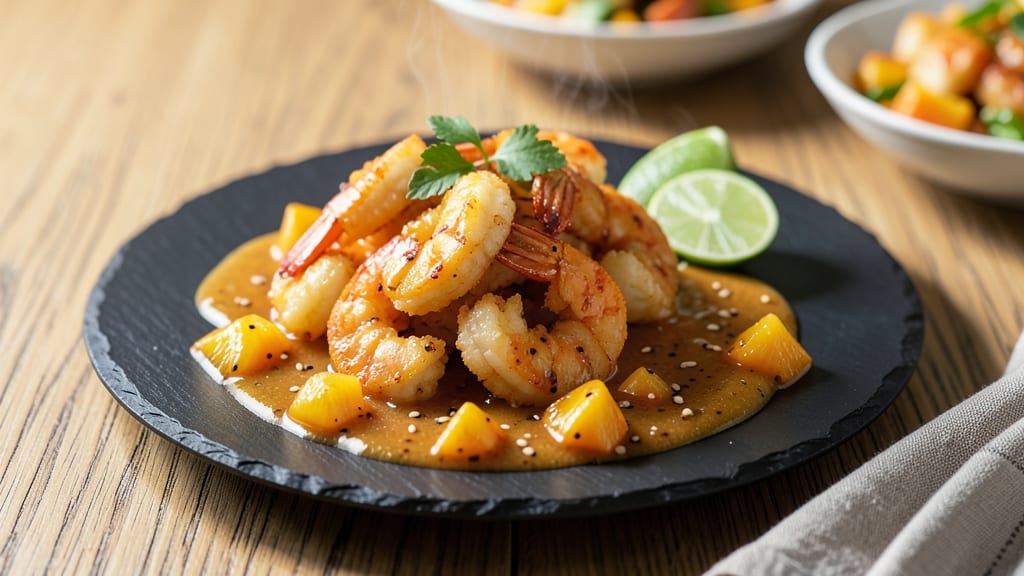
This coconut shrimp pineapple sauce transforms grilled shrimp into a tropical masterpiece with its velvety texture and bright, umami-rich flavor. 🌴 Simmering coconut milk, pineapple juice, and ginger creates a naturally sweet yet tangy base that perfectly complements seafood.
The secret lies in balancing heat and acidity—just enough to enhance the shrimp's natural sweetness without overpowering it.
The sauce's magic happens through gentle simmering, which reduces the liquid into a glossy, clingy glaze. No blending required—just stir and let the flavors meld together until thickened just enough to coat shrimp beautifully.
This 5-ingredient sauce comes together in under 20 minutes, making it ideal for weeknight dinners or special occasions when you want restaurant-quality results at home.
What you'll end up with is a creamy, aromatic sauce that pairs perfectly with grilled shrimp, whether served as a dipping sauce, drizzled over tacos, or spooned over rice.
The tropical notes of pineapple and coconut balance the shrimp's natural brininess, creating a harmonious flavor profile that feels both elegant and effortless.
Use this versatile sauce as a glaze for skewered shrimp, a dipping sauce for spring rolls, or a tangy topping for grilled fish. The possibilities are endless—let your creativity guide you! Here's how to make it.
Ingredients for coconut shrimp pineapple sauce
Five ingredients create this velvety tropical sauce—rich coconut, bright pineapple, and zesty ginger.
| Ingredient | Amount | Notes |
|---|---|---|
| Full-Fat Coconut Milk 🥥 | 1 can | High-quality, no additives |
| Fresh Pineapple Juice 🍍 | ½ cup | Freshly squeezed preferred |
| Fresh Ginger Root 🌿 | 2 tbsp | Finely grated, aromatic |
| Soy Sauce 🍶 | 2 tbsp | Light or dark variety |
| Lime Juice 🍋 | 1 tbsp | Freshly squeezed, bright |
| Honey 🍯 | 1 tbsp | Wildflower or clover preferred |
| Garlic Cloves 🧄 | 2 cloves | Minced, aromatic foundation |
| Red Chili Flakes 🌶️ | ½ tsp | Adjust for heat preference |
| Sea Salt 🧂 | ½ tsp | Diamond Crystal preferred |
| Extra-Virgin Olive Oil 🫒 | 1 tbsp | For finishing, fruity |
The coconut milk is the heart of this sauce—full-fat canned brands like Thai Kitchen or Goya give the best creaminess. If you're using the carton kind, shake it well first. Fresh pineapple juice is ideal (I grab a small pineapple from Trader Joe's and juice it myself), but bottled works in a pinch—just check for no added sugar. Ginger loses potency fast, so buy it fresh and grate it right before using. The garlic? Roast it first (400°F for 10 minutes) for a sweeter, deeper flavor that blends beautifully with the tropical notes. Soy sauce adds that umami kick—Kikkoman or La Choy are my go-tos, but any light soy works.
No fresh ginger? Powdered ginger at half the amount gets you close, though it lacks the fresh zing. Short on pineapple juice? Mango nectar or orange juice adds sweetness, but you'll need to boost the lime juice to keep that bright acidity. Out of soy sauce? Coconut aminos mimic the umami, though with a slightly sweeter profile. The honey can be swapped for maple syrup or agave if you're avoiding it. For extra richness, stir in 1 tbsp of coconut cream at the end—it thickens the sauce beautifully. And if you're feeling bold, add a splash of fish sauce for deeper seafood harmony.
This sauce keeps beautifully—5 days in the fridge sealed in a jar, or 3 months frozen in ice cube trays for single-serving portions. The flavors actually deepen overnight, so make extra if you can. For best results, reheat gently on low heat, stirring occasionally. I love drizzling this over grilled shrimp, but it's also amazing with tofu, chicken, or even roasted veggies. The sauce thickens as it cools, so if it seems too thin when warm, let it sit for 10 minutes before serving—it'll come together perfectly.
Why You'll Love This Recipe
- No Blender Needed: I swear by this—just a saucepan, a knife, and 15 minutes. The coconut milk and pineapple juice blend seamlessly when simmered, and the ginger? You’ll barely notice the prep since it’s just a quick grating. Honestly, my lazy Sundays thank me every time.
- Tropical Umami Magic: That first taste—creamy coconut cutting through the bright lime and ginger’s kick, with the soy sauce tying it all into something ridiculously balanced. It’s the kind of sauce that makes you pause mid-bite, like, "Wait, is this actually homemade?" (Yes. Yes, it is.)
- Taco Night to BBQ: Slather it on grilled shrimp for a party platter, drizzle it over rice bowls, or use it as a glaze for chicken skewers. Between us, I’ve even dumped it into a marinade for tofu—works like a charm. The lime keeps it fresh, so it doesn’t get heavy no matter what you pair it with.
- Leftovers That Don’t Suck: This sauce actually improves the next day. The flavors meld even more, and it’s cheap enough to make double batches. Store it in the fridge for up to five days, or freeze it in ice cube trays for quick glaze boosts. (Pro tip: Thaw overnight in the fridge—no microwave sad sauce here.)
Step-by-step instructions for tropical umami glaze
This vibrant sauce comes together in minutes with bold flavors that balance sweet, spicy, and umami perfectly.
🍳 Step 1: Bloom the Aromatics in Olive Oil
Heat the 1 tablespoon extra-virgin olive oil in a medium saucepan over medium-low heat. Add the 2 minced garlic cloves and 2 tablespoons finely grated fresh ginger root, stirring constantly for 1-2 minutes until fragrant but not browned. Here's the thing—ginger burns fast, so keep your eye on it. You want to smell that bright, citrusy aroma without any bitterness creeping in.
Once the aromatics are just fragrant, immediately add the 0.5 teaspoon red chili flakes and stir for 30 seconds to toast them lightly. This step develops the sauce's depth—those chili flakes will add subtle heat and complexity. If you prefer less spice, reduce to 0.25 teaspoon now and save the rest for later.
🍳 Step 2: Build the Sauce Base
Pour in the 0.5 cup fresh pineapple juice and 2 tablespoons soy sauce, scraping up any browned bits from the pan's bottom. Bring to a gentle simmer over medium heat, then reduce to low heat and let it reduce by half—about 5-7 minutes. You're looking for a syrupy consistency here, not a thin glaze. Stir occasionally, watching for the mixture to thicken noticeably.
While it reduces, add the 1 tablespoon honey and 1 tablespoon lime juice, stirring to combine. The honey will cut through the acidity of the lime while adding natural sweetness. This is where the sauce starts to come together—keep tasting as it simmers. You want the flavors to meld without overcooking the delicate pineapple notes.
🥘 Step 3: Incorporate the Coconut Milk
Open the 1 can full-fat coconut milk (shake it well first!) and pour it into the saucepan, stirring vigorously to break up any cream that's separated. Increase heat to medium-low and let the mixture simmer gently for 8-10 minutes, stirring occasionally. You want the sauce to thicken further until it coats the back of a spoon—this ensures it'll cling beautifully to grilled shrimp.
Here's where the magic happens: the coconut fat emulsifies with the other ingredients, creating that luscious, velvety texture. If the sauce gets too thick, add 1-2 tablespoons water to loosen it. The final consistency should be like a thick glaze—thin enough to drizzle but substantial enough to coat.
🔥 Step 4: Finish and Adjust
Remove the sauce from heat and stir in the 0.5 teaspoon sea salt. Let it rest for 5 minutes—this gives the flavors time to settle and deepen. Taste and adjust: need more sweetness? Add a touch more honey. Too tangy? A splash of lime juice brightens it up. The sauce should balance all flavors—sweet, spicy, salty, and umami—with the coconut adding richness.
For extra shine and depth, finish with a drizzle of 1 teaspoon extra-virgin olive oil (reserved from earlier). This step elevates the sauce from good to restaurant-quality. The oil adds a silky mouthfeel and enhances the coconut aroma. Let the sauce cool slightly before serving—it'll thicken further as it sits, so don't worry if it looks a bit loose right now.
Pro Tips For Making Coconut Shrimp Pineapple Sauce
- Simmer Slow and Low: That coconut milk will split like a bad relationship if you rush it—keep the heat at a gentle simmer (barely bubbles) for at least 10 minutes. I learned this the hard way when my sauce curdled into a sad, greasy mess after adding pineapple juice too soon.
- Zest Before You Grate: Fresh ginger root? Use the zest first—it’s where the magic lives. Rub the skin against a microplane or fine grater, then mince the flesh. The zest adds brightness without overpowering, and you’ll need less to avoid that bitter aftertaste.
- Balance the Soy: Soy sauce is salty, but coconut milk is mild—taste it before adding the full amount. Start with half the recipe’s soy, let it sit 5 minutes, then adjust. My first batch was way too salty because I trusted the recipe blindly.
- Strain the Pineapple: Fresh pineapple juice is great, but pulp ruins the texture. Strain it through a fine-mesh sieve or cheesecloth after blending. Yes, it takes 2 minutes extra, but your sauce will be silky instead of gritty—trust me, your mouth will notice.
Common mistakes when making great coconut shrimp pineapple sauce
Overcooking the Ginger
Ginger burns faster than you think, and once it turns bitter, there's no fixing it. I've ruined this sauce more times than I'd like to admit by letting the ginger brown.
Keep the heat at medium-low and stir constantly for just 1-2 minutes—that's all it takes to release its bright, citrusy aroma without turning it into medicine. If you notice any dark spots, immediately reduce the heat or remove the pan from the burner. 🌿
Skipping the Reduction Step
The sauce's magic happens during the 5-7 minute reduction where the pineapple juice and soy sauce meld together. Skipping this step leaves you with a thin, watery sauce that won't cling to shrimp.
I see people pour in the coconut milk too soon, and that's when the sauce loses its depth. Let it reduce by half first—you'll know it's ready when it coats the back of a spoon like syrup.
Not Shaking the Coconut Milk
This is a game-changer: always shake the coconut milk can well before opening it. The cream separates at the top, and if you pour it in without mixing, you'll end up with a lumpy, uneven sauce.
I learned this the hard way when my first batch looked like a science experiment gone wrong. Give it a good shake—30 seconds of vigorous shaking—and then pour it in while stirring vigorously to incorporate the cream.
Ignoring the Resting Time
Sauces need time to marry their flavors, and this one is no exception. After removing it from heat, let it rest for 5 minutes before tasting.
I can't tell you how many times I've tasted it too soon and thought it needed more honey or lime, only to realize after resting that it was actually perfect. The flavors deepen and balance during this time—patience pays off here.
Using Low-Quality Ingredients
This sauce shines when you use the best ingredients. Cheap coconut milk with additives or bottled pineapple juice with added sugar will make a noticeable difference. I recommend Thai Kitchen or Goya full-fat coconut milk and fresh pineapple juice whenever possible.
The same goes for your ginger—freshly grated beats powdered every time. Your taste buds will thank you for the upgrade. 🥥
Overthickening the Sauce
While you want the sauce to coat the back of a spoon, going too far results in a gluey mess. If it gets too thick during simmering, add 1-2 tablespoons water to loosen it. I've seen people try to compensate by adding more coconut milk, which throws off the balance.
The ideal consistency is like a thick glaze—thin enough to drizzle but substantial enough to cling beautifully to shrimp or veggies.
Nutrition facts
Frequently asked questions
Can I make this sauce without coconut milk?
You can substitute with 1 cup coconut cream for a richer texture, or use ½ cup heavy cream + ½ cup water for a lighter version. For dairy-free options, try cashew cream (blend 1 cup soaked cashews + 1 cup water)—it adds a neutral base that mimics coconut's richness. The sauce will be less tropical but still delicious!
How spicy should the sauce be?
The 0.5 teaspoon red chili flakes provide mild heat—adjust to taste! For a kick, add 1 extra teaspoon or a pinch of cayenne. If you love spice, toast the chili flakes in the oil for 30 seconds before adding other ingredients to deepen the flavor. For kids or sensitive palates, omit the chili entirely—it won't affect the sauce's tropical sweetness.
Can I use canned pineapple instead of fresh juice?
Yes, but drain the juice from 1 cup canned pineapple chunks (reserve ½ cup juice) and blend the chunks with ¼ cup water for a smoother texture. The sauce will have subtle pineapple bits, adding texture. For a completely smooth sauce, strain the blended mixture. Fresh juice gives brighter flavor, but canned works in a pinch!
What’s the best way to store leftover sauce?
Store in an airtight container in the fridge for 5-7 days—it thickens as it cools, so stir before reheating. For longer storage, freeze in ice cube trays (thaw in the fridge overnight). Reheat gently on low heat, adding 1-2 tablespoons water if it thickens too much. The sauce actually tastes better after resting overnight!
How can I use this sauce beyond shrimp?
This versatile glaze works on grilled chicken, fish, or tofu—drizzle over skewers or toss with veggies. Use as a dipping sauce for spring rolls or dumplings, or swirl into coconut rice for a tropical twist. Even as a marinade (reduce heat time to 5 minutes), it infuses proteins beautifully. The pineapple’s acidity tenderizes meat while the coconut adds richness!