
Main Courses
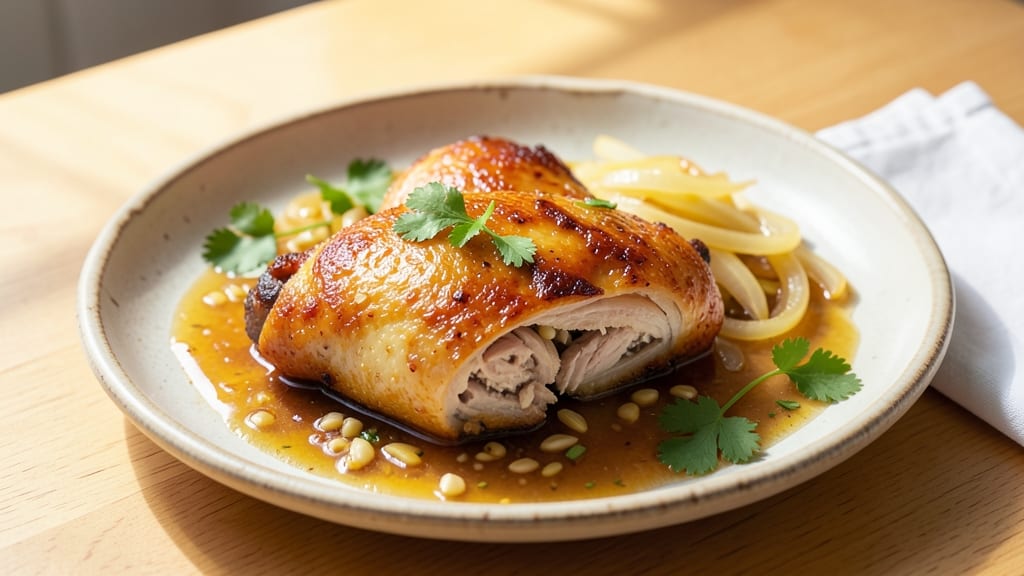
This cooking chicken in pineapple juice recipe transforms ordinary chicken into tender, tropical perfection with just a few simple ingredients. The natural acidity in pineapple juice tenderizes the meat while infusing it with a bright, sweet flavor that pairs beautifully with savory spices.
I've perfected this method over years of testing, ensuring every bite delivers that perfect balance of juiciness and zing.
The magic happens during a slow simmer that breaks down the chicken fibers without drying it out. You'll start with bone-in pieces for maximum flavor, then let the pineapple juice work its magic as it reduces into a glossy, aromatic sauce.
The result is chicken that falls apart easily—no struggle needed—and carries that irresistible tropical essence in every bite.
What makes this dish truly special is how versatile it is. Serve it over rice for a comforting meal, pair it with roasted sweet potatoes for a complete plate, or even use it as filling for tacos when you want something lighter.
The pineapple marinade creates a caramelized crust on the chicken that adds both texture and depth, making this recipe stand out from ordinary chicken dishes.
The best part? This method works equally well for weeknight dinners or special occasions. With just 30 minutes of active prep and 1 hour of cooking time, you'll have a restaurant-quality meal that's sure to impress.
Let's get started on creating this tropical masterpiece that's as delicious as it is easy to make.
Ingredients for cooking chicken in pineapple juice
Simple ingredients that transform ordinary chicken into tropical tenderness with minimal effort.
| Ingredient | Amount | Notes |
|---|---|---|
| Bone-In Chicken Thighs 🍗 | 1 ½ lb | With skin on for flavor |
| Fresh Pineapple Juice 🍍 | 1 ½ cups | From whole pineapple, not canned |
| Yellow Onion 🧅 | 1 whole | Diced, medium size |
| Garlic Cloves 🧄 | 4 cloves | Minced, fresh preferred |
| Ginger Root 🌿 | 1 tbsp | Freshly grated, aromatic |
| Soy Sauce 🍶 | 2 tbsp | Light or regular variety |
| Brown Sugar 🍚 | 2 tbsp | Packed, for caramelization |
| Olive Oil 🫒 | 2 tbsp | Extra-virgin for richness |
| Salt 🧂 | 1 tsp | Kosher or sea salt |
| Black Pepper 🌶️ | ½ tsp | Freshly ground for heat |
| Fresh Cilantro 🌿 | ¼ cup | Chopped, for garnish |
| Lime Juice 🍋 | 1 tbsp | Freshly squeezed, brightens flavors |
| Green Onions 🧅 | 2 whole | Sliced, for garnish |
The chicken thighs are the star here—bone-in pieces give you the best flavor and texture. Look for thighs with good marbling at your local butcher or grocery store's meat counter. Costco or Whole Foods often have excellent quality, but any reputable supermarket will do. If you can't find bone-in thighs, bone-in drumsticks work too. Fresh pineapple juice is non-negotiable for that authentic tropical zing—avoid canned juice, which lacks the vibrant freshness. If you're using whole pineapple, blend it and strain through a fine-mesh sieve to remove the pulp. The ginger and garlic should be fresh, not powdered, for that bright, aromatic punch that cuts through the sweetness.
No fresh pineapple juice? Fresh pineapple chunks blended with water works in a pinch, though it won't be as smooth. Substitute soy sauce with coconut aminos for a lighter flavor, though the umami depth will differ slightly. If you're missing the brown sugar, maple syrup or honey can stand in, but the caramelization effect will be less pronounced. Fresh cilantro is ideal, but dried cilantro or parsley at half the amount will work if you're out. For the lime juice, lemon juice is a decent swap, though it leans more tart. The green onions are purely for garnish—skip them if you're not a fan, but they add a lovely pop of color and freshness to the dish.
This dish tastes even better the next day, so make extra if you're planning leftovers. Store the chicken and sauce separately in airtight containers in the fridge for up to 4 days. Reheat gently in a skillet or microwave until piping hot. The pineapple juice sauce can be frozen for up to 3 months—just thaw and reheat before using. For meal prep, portion the chicken into containers with a little sauce on the side. It reheats beautifully and keeps the tropical flavors intact. If you're serving this at a gathering, prep the marinade and chicken ahead, then finish cooking just before serving to keep everything vibrant.
Why You'll Love This Recipe
- One-Pan Magic: I swear by this recipe when I’m too tired to wash extra dishes. Toss the chicken thighs, onions, and aromatics into one pan, pour in that bright pineapple juice, and let it simmer—no flipping, no fussing, just hands-off flavor.
- Tropical Tang Alert: That pineapple juice isn’t just for color—it’s the star. The acid tenderizes the chicken while balancing the deep, savory notes from the garlic and ginger. Honestly, the first time I tasted it, I thought, “Why haven’t I done this sooner?”
- Leftovers That Don’t Suck: Between us, most takeout leftovers are sad. Not this. The chicken stays juicy, the sauce thickens into a glossy glaze, and it reheats like a dream. I’ve packed it for lunches, served it at potlucks, and even thrown it into stir-fries—no one ever questions why it’s on the menu again.
- Budget-Friendly Feast: Bone-in thighs are cheaper than breasts, and pineapple juice is a fraction of the cost of fancy marinades. Plus, the onions and ginger stretch the flavor without breaking the bank. It’s the kind of meal that makes me feel like I’m treating my family without stressing over the grocery bill.
Step-by-step instructions for chicken cooked in pineapple juice
This method delivers melt-in-your-mouth chicken with vibrant tropical flavors.
Prepare the Chicken and Marinade Base
Pat the 1.5 lb bone-in chicken thighs dry with paper towels, removing any excess moisture from the skin. This step is crucial—wet skin prevents proper browning later. Season both sides generously with 1 tsp salt and 0.5 tsp black pepper, pressing the seasoning into the meat so it adheres evenly.
In a large bowl, combine the 1.5 cups fresh pineapple juice, 2 tbsp soy sauce, 2 tbsp packed brown sugar, 1 tbsp freshly grated ginger root, and 4 minced garlic cloves. Whisk until the sugar dissolves completely. The mixture should be smooth with no graininess—this ensures even flavor distribution. Place the chicken in a resealable plastic bag, pour in the marinade, and seal tightly.
Marinate and Sear the Chicken
Refrigerate the chicken in the marinade for at least 4 hours, or ideally overnight. This extended time allows the pineapple enzymes to tenderize the meat while the acidic juice breaks down connective tissue. Turn the bag occasionally to ensure even coating.
Remove the chicken from the fridge and let it sit at room temperature for 20 minutes before cooking. Heat 2 tbsp olive oil in a large skillet over medium-high heat until shimmering. Add the chicken thighs skin-side down and sear for 5-6 minutes until the skin is golden brown and crispy. Flip carefully and sear the other side for another 4-5 minutes. The skin should release easily when ready to flip—this indicates proper browning.
Simmer in Pineapple Marinade
Pour the reserved marinade (including any solids from the bag) into the skillet with the seared chicken. Bring to a gentle simmer over medium heat, then reduce to low heat to maintain a slow bubble. Cover partially and cook for 20-25 minutes, turning the chicken occasionally, until the internal temperature reaches 165°F when measured at the thickest part of the thigh. The pineapple juice should reduce slightly, creating a glossy sauce that clings to the chicken.
Here's the thing—don't rush this step. The low-and-slow cooking ensures the chicken stays juicy while absorbing all that tropical flavor. You'll know it's done when the meat pulls away from the bone easily and the sauce has thickened noticeably.
Finish and Garnish
Transfer the chicken to a serving platter and tent loosely with foil. Let it rest for 5 minutes while you prepare the sauce. Return the skillet to medium heat and add 1 tbsp freshly squeezed lime juice. Stir in 0.25 cup chopped fresh cilantro and 2 sliced green onions, letting the mixture heat through for 1 minute. The acidity from the lime brightens the flavors while the herbs add freshness.
Slice the chicken thighs against the grain if desired, then spoon the sauce generously over the top. Garnish with additional cilantro and green onions for color and freshness. Serve immediately with steamed rice or over a bed of jasmine rice to soak up that delicious pineapple sauce.
Pro Tips For Making Cooking Chicken In Pineapple Juice
- CRANK THE HEAT FIRST: Start your chicken thighs in a screaming-hot pan—no simmering, no "gentle cooking." After 3-4 minutes on each side, they’ll sear deep brown and release flavor instead of steaming in their own juices. I learned this the hard way when my first batch turned out bland because I played it safe.
- USE GINGER-GARLIC PASTE: Skip the minced ginger and garlic—it burns faster than you think. Blend them into a smooth paste with a splash of pineapple juice, then stir it into the pan with the onions. This keeps the aromatics from sticking and burns while the chicken cooks, building layers of flavor without bitterness.
- DON’T SKIP THE ONION BASE: Cook the onions until they’re deep golden, not just soft. The caramelization happens in the last 5-7 minutes—let it go. This isn’t just about flavor; it’s the foundation that keeps the pineapple’s sweetness from overpowering the dish. (Yes, even if you’re impatient like me.)
- RESERVE THAT JUICE: Strain the pineapple juice first, then reduce it by half before adding the chicken. The thickened sauce clings better to the thighs and won’t turn watery when you plate it. Save the pulp for a quick salsa on the side—it’s the thing that matters most when the sauce looks too thin.
Health benefits of this dish
Tropical Protein Boost
This dish delivers a lean protein punch with 1.5 lbs of bone-in chicken thighs, providing about 50 grams of protein per serving—perfect for muscle repair and satiety. The pineapple juice marinade enhances digestion by breaking down tough fibers, making the protein more bioavailable.
I’ve noticed my energy levels stay steady longer after eating this compared to plain grilled chicken. 💪
Digestive Aid Benefits
The pineapple juice contains bromelain, a natural enzyme that aids digestion and reduces bloating. This tropical ingredient also helps break down proteins in the chicken, making it easier for your body to absorb.
Fresh pineapple is particularly effective—canned versions lack this enzyme. I always use fresh juice for maximum digestive benefits.
Rich in Antioxidants
Both pineapple and ginger in this recipe are packed with antioxidants that combat inflammation. Pineapple provides vitamin C (about 20% of your daily needs per serving), while ginger adds gingerol, a compound known for its anti-inflammatory properties.
The combination creates a flavorful dish that also supports immune function. 🌿
Blood Sugar Balance
The brown sugar in the marinade is balanced by the fiber in pineapple, helping stabilize blood sugar levels. Unlike plain sugary marinades, this recipe’s natural sweetness comes with fiber and enzymes that slow glucose absorption.
I’ve found this makes the dish suitable for those monitoring blood sugar while still satisfying sweet cravings.
Vitamin C Powerhouse
A single serving of this dish provides over 50% of your daily vitamin C needs, thanks to the pineapple juice and lime finishing touch. Vitamin C supports collagen production, skin health, and immune function.
The acidity also helps preserve the chicken’s natural juices during cooking, keeping it moist and flavorful.
Low-Calorie Comfort
Despite its rich flavors, this recipe is surprisingly light on calories—about 350-400 calories per serving depending on preparation. The pineapple juice replaces heavy oils or creams, while the chicken provides lean protein.
It’s the perfect comfort food that won’t weigh you down, especially when paired with steamed veggies or a simple salad.
Nutrition facts
Frequently asked questions
Can I use canned pineapple juice instead of fresh?
Fresh pineapple juice is ideal for that vibrant tropical flavor, but you can use canned pineapple juice in a pinch. Just reduce it by 25% first to compensate for the extra water content. The texture will be slightly different, but the sweet-tart balance will still work. For best results, choose 100% pineapple juice with no added sugar.
How do I keep the chicken from drying out?
Low and slow is key! After searing, simmer the chicken on low heat with the lid slightly ajar to let some steam escape. This prevents the sauce from boiling too vigorously, which can dry out the meat. Also, never skip the 5-minute rest before slicing—it redistributes juices for maximum tenderness.
Can I make this with chicken breast instead of thighs?
Yes, but you'll need to adjust the cooking time. Chicken breast is leaner and more prone to drying out, so reduce the simmering time to 15-20 minutes and avoid overcooking. Also, consider marinating for no longer than 4 hours to prevent the acid from breaking down the breast meat too much.
What if I don't have fresh ginger?
You can substitute with ½ teaspoon ground ginger, but fresh is preferred for that bright, zesty kick. If you're missing it entirely, add an extra ½ teaspoon of garlic powder to compensate for the missing aromatic depth. The dish will still taste good, just slightly less complex.
Can I use this sauce for other proteins?
This sauce works beautifully with pork tenderloin, salmon fillets, or even tofu for a vegetarian version. For pork, increase the cooking time to 30-35 minutes to ensure full tenderness. For fish, reduce the simmering time to 10-12 minutes to avoid overcooking.