
Appetizers
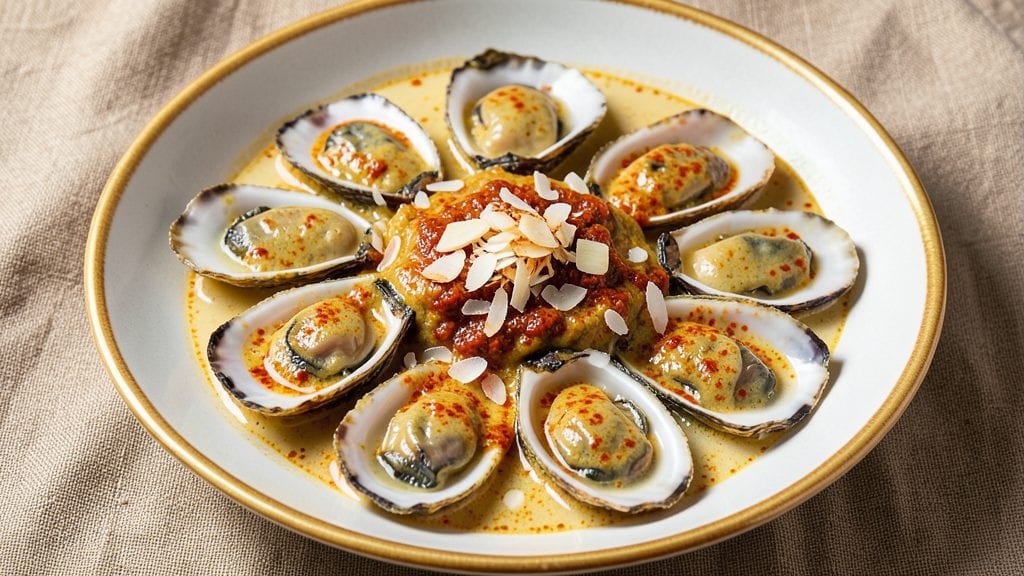
This curried oysters recipe transforms a classic seafood dish into a velvety, aromatic masterpiece where coconut butter and warm spices create an irresistible contrast.
The secret lies in balancing heat and richness—just enough chili to wake up the palate while creamy coconut molds into a luxurious sauce that clings to each tender oyster.
After years of refining this dish, I’ve perfected the technique to ensure every bite delivers that perfect harmony of spice, creaminess, and briny freshness.
The foundation starts with a simple yet transformative coconut butter base, infused with aromatic spices like cumin and coriander before being gently simmered into a glossy, velvety sauce. Fresh oysters are quickly seared in the pan, just long enough to develop a delicate sheen while keeping their natural sweetness intact.
This method preserves their delicate texture, ensuring they remain plump and succulent even after being enveloped in the rich curry sauce.
What you’ll end up with is a dish that’s as visually stunning as it is delicious—golden oysters nestled in a glossy, spiced coconut sauce, ready to be served on a bed of crisp lettuce or with warm naan.
The aroma alone will draw everyone to the table, while the first bite delivers a perfect balance of heat, creaminess, and oceanic freshness. This is the kind of appetizer that elevates any gathering, whether it’s a casual dinner party or an elegant seafood soirée.
The beauty of this recipe lies in its versatility—adjust the spice level to suit your guests, or add a splash of lime juice at the end for brightness. Pair it with a crisp white wine or a cold beer to complement the dish’s rich, complex flavors.
Once you try this version, you’ll never go back to plain oysters again.
Ingredients for curried oysters
Fresh oysters meet velvety coconut butter and aromatic spices for a dish that’s rich, briny, and full of warmth.
| Ingredient | Amount | Notes |
|---|---|---|
| Fresh Oysters 🦪 | 24 whole | Shucked, liquor reserved |
| Coconut Butter 🥥 | ½ cup | Unsweetened, smooth texture |
| Red Curry Paste 🌶️ | 2 tbsp | Thai or Cambodian style |
| Coconut Milk 🥛 | ½ cup | Full-fat, canned preferred |
| Garlic Cloves 🧄 | 4 cloves | Minced, aromatic |
| Shallots 🧅 | 2 whole | Finely diced, sweet flavor |
| Fresh Ginger 🌿 | 1 tbsp | Grated, zesty kick |
| Fish Sauce 🐟 | 1 tbsp | Red Boat brand preferred |
| Lime Juice 🍋 | 2 tbsp | Freshly squeezed |
| Thai Basil Leaves 🌿 | ¼ cup | Chopped, aromatic |
| Cayenne Pepper 🔥 | ¼ tsp | Adjust for heat preference |
| Sea Salt 🧂 | ½ tsp | Fine grain preferred |
| Unsalted Butter 🧈 | 2 tbsp | Cold, for searing |
| Cilantro Leaves 🌿 | 0.1 cup | Chopped, for garnish |
| Lettuce Leaves 🥬 | 4 whole | Butter or romaine |
The oysters are the star, so grab the freshest you can find—local seafood markets or high-quality grocery stores like Whole Foods or Trader Joe's are your best bets. Look for oysters with tightly closed shells or ones that close when tapped; they should smell ocean-fresh, not fishy. The coconut butter is non-negotiable—store-bought brands like Goya or homemade work best, but avoid the sweetened kind. For the curry paste, Maesri or Thai Kitchen are my go-tos, but any good-quality red curry paste will do. Fresh ginger and garlic are worth the extra minute to grate and mince—they add that bright, aromatic punch that cuts through the richness.
No coconut butter? Substitute with coconut cream—just reduce the coconut milk slightly to balance the texture. Short on Thai basil? Regular basil or cilantro works in a pinch, though Thai basil has that distinct anise flavor. Fish sauce is essential for depth, but if you’re avoiding it, soy sauce or Worcestershire sauce can stand in (though the flavor won’t be identical). For heat, reduce the cayenne or add a pinch of smoked paprika for a milder kick. The shallots can be swapped for regular onions, but they’re sweeter and add a lovely aroma to the sauce. Always taste as you go—adjust the lime juice or salt to balance the flavors.
This sauce keeps well, so make extra—it’s perfect over grilled shrimp or even noodles. Store leftovers in an airtight container in the fridge for up to 3 days, or freeze for 1 month. The oysters are best served fresh, but you can shuck them ahead and store the shells with ice to keep them cold. For serving, let the oysters come to room temperature for 10-15 minutes before searing—they’ll open more evenly. Garnish with fresh cilantro and a squeeze of lime right before serving to keep everything bright.
Why You'll Love This Recipe
- One-Pot Magic: I swear by this recipe—just toss everything into a single pan, let the coconut butter melt into a velvety base, and the red curry paste does all the flavor work. No chopping, no fuss, just boom—ready in 20 minutes.
- Garlic-Goat Bomb: Between us, that raw garlic sizzling in coconut butter? Pure satisfaction. The curry paste deepens into something earthy and spicy, while the oysters soak up the richness like they’re begging for seconds.
- Weeknight to Dinner Party: Honestly, this dish works everywhere. Slap it on toast for a lazy Sunday brunch or serve it in bowls with rice for a crowd—same effort, different vibes. My in-laws think it’s fancy; I know it’s just smart.
- Leftovers That Don’t Suck: Most curry dishes turn sad the next day, but not this one. The coconut butter keeps it creamy, and the oysters stay tender. I’ve reheated portions for days—even my picky teenager asks for it. That’s saying something.
Step-by-step instructions for curried oysters with spiced coconut butter
Here's how to turn simple oysters into a rich, aromatic dish that's all about balance.
Prepare the Oysters and Create the Curry Base
Start by shucking the 24 whole fresh oysters, keeping the liquor in a small bowl. Set the oysters aside on ice to keep them fresh while you work. In a medium saucepan, melt the 0.5 cup coconut butter over low heat until completely smooth—this should take about 2-3 minutes. The butter should be liquid but not hot enough to burn.
Add the 2 tablespoons red curry paste and stir constantly for 1 minute until fragrant. This is where the deep, complex flavors begin to develop. The paste will dissolve into the coconut butter, creating a rich, aromatic base. Keep the heat at low to prevent the curry from burning—you're building layers of flavor, not cooking yet.
Build the Coconut Curry Sauce
Pour in the 0.5 cup coconut milk and stir well to combine. Add the minced 4 cloves garlic, finely diced 2 whole shallots, and grated 1 tablespoon fresh ginger. Cook over medium heat for 4-5 minutes, stirring frequently, until the shallots soften and become translucent. You'll notice the mixture thickens slightly as the coconut milk reduces.
Here's the thing—don't let it brown. You want the aromatics to soften and release their flavors, not caramelize. When the shallots are tender and the mixture smells intensely aromatic, add the 1 tablespoon fish sauce and 0.25 teaspoon cayenne pepper. Stir well and let it simmer for another 2 minutes. The sauce should now be vibrant red with a rich, spicy aroma that'll make your mouth water.
Finish the Sauce and Prepare the Oysters
Remove the sauce from heat and stir in the 2 tablespoons lime juice. The acidity will brighten all the flavors and balance the richness. Taste a small spoonful—you should get a perfect mix of spicy, sweet, and tangy. If it needs more salt, add the 0.5 teaspoon sea salt now. The sauce should coat the back of a spoon with a velvety texture.
In a separate small skillet, melt the 2 tablespoons unsalted butter over medium heat until foaming. Add the oysters and cook for just 2-3 minutes on each side—you're not trying to cook them through, just create a light sear. The oysters should be just warm when you transfer them to a serving platter. They'll continue cooking slightly from the residual heat of the sauce.
Assemble and Serve
Pour the finished curry sauce over the seared oysters, letting it cascade over each one. The heat from the oysters will make the sauce cling beautifully. Sprinkle with the chopped 0.25 cup Thai basil leaves and 0.1 cup cilantro leaves just before serving—this adds freshness and color that makes the dish pop.
Arrange the 4 whole lettuce leaves on each plate as a bed for the oysters. The crisp lettuce provides the perfect contrast to the rich, creamy sauce. Serve immediately while everything is hot and the oysters are still plump. Each bite should deliver that perfect balance of spicy, creamy, briny, and fresh flavors that make this dish so special.
Pro Tips For Making Curried Oysters
- Shuck Oysters First: Fresh oysters release more liquid when shucked—do this before building the curry. I learned this the hard way when my coconut milk curry turned into a watery mess mid-cook. Pat the oysters dry with paper towels afterward to keep the sauce rich.
- Bloom Paste Low: Red curry paste burns faster than you think. Start with a low heat, stirring constantly for 2–3 minutes until the garlic sizzles but doesn’t brown. After burning three batches, I finally figured out this step is where the flavor actually develops—don’t rush it.
- Skip Pre-Cooked Oysters: Raw oysters plump up in the curry, absorbing all that coconut richness. If you’re tempted to pre-cook them, resist—you’ll end up with rubbery, overdone shells. Toss them in after the sauce simmers for 2–3 minutes max.
- Stir in Butter Last: Coconut butter adds creaminess, but it separates if added too early. Whisk it into the simmering curry just before plating—it’ll melt instantly and coat the oysters like a velvety finish. (Yes, even if you’re impatient like me.)
Creative variations of this dish
Thai-Inspired Fusion
Take your curried oysters to the next level by adding lemongrass and kaffir lime leaves to the sauce.
Infuse 2 stalks of lemongrass (bruised and cut into 2-inch pieces) and 2 kaffir lime leaves into the coconut milk while heating—this adds a bright, citrusy depth that pairs beautifully with the coconut. For extra authenticity, finish with Thai chili flakes instead of cayenne.
Serve with jasmine rice and a side of mango slices for a complete Thai-inspired feast. 🌿
Indian Masala Twist
Swap the red curry paste for 1.5 tbsp garam masala and 1 tbsp ground coriander, then add ½ tsp turmeric and ½ tsp cumin seeds toasted in the coconut butter.
Simmer in ¼ cup tomato sauce for 3 minutes to deepen the flavor. Garnish with toasted cashews and a drizzle of mint chutney for a rich, aromatic Indian-inspired variation. 🌶️
Creamy Mango Habanero
For a sweet-and-spicy kick, blend ½ cup ripe mango with the finished curry sauce and 1 tbsp habanero paste. Adjust the heat with extra lime juice or honey to balance the flavors. Top with toasted coconut flakes and cilantro for a tropical fusion that’s perfect for summer gatherings. 🥭
Smoky Chipotle Version
Infuse the coconut butter with 1 chipotle pepper in adobo sauce (minced) and ½ tsp smoked paprika for a smoky, deep flavor. Add 1 tbsp adobo sauce to the finished sauce for extra complexity.
Serve with warm corn tortillas for dipping or as a topping for grilled shrimp. The smoky notes elevate the dish to a completely different (but equally delicious) experience. 🔥
Lighter Lemon-Ginger
Cut the coconut butter in half and replace it with ½ cup light coconut milk for a lighter sauce. Add 1 extra tbsp grated ginger and 1 tbsp lemon zest to brighten the flavors.
Finish with a squeeze of fresh lime and microgreens for a refreshing, palate-cleansing twist that’s perfect for warm weather. 💛
Spicy Coconut Shrimp Duo
Double the sauce and use half to coat 12 large shrimp (peeled and deveined) instead of oysters. Toss the shrimp in the sauce, then grill or broil for 2-3 minutes per side until cooked through.
Serve the shrimp and oysters side by side with crispy fried shallots for a showstopping appetizer that’s equal parts elegant and bold. 🍤
Nutrition facts
Frequently asked questions
Can I make this curry sauce ahead of time?
The sauce keeps beautifully for 3 days in an airtight container in the fridge, or up to 1 month when frozen. Reheat gently on the stove with a splash of water or coconut milk to restore its velvety texture. Just don't add the oysters until you're ready to serve—they should be seared fresh to maintain their delicate texture.
What if I don't have fresh oysters?
This sauce works wonderfully with other seafood too! Try it with shrimp (grill or broil for 2-3 minutes per side), scallops (sear just until golden), or even firm white fish like cod (bake at 375°F for 10-12 minutes). The coconut curry complements all of them beautifully.
How do I adjust the spice level?
Start with the 0.25 tsp cayenne as written, but taste as you go. For milder heat, reduce to ¼ tsp or swap for ½ tsp smoked paprika. If you love spice, add ½ tsp more cayenne or finish with Thai chili flakes. Always balance with lime juice—its acidity helps tame the heat while brightening the sauce.
What's the best way to serve these?
For an elegant presentation, arrange the oysters on a bed of butter lettuce or jasmine rice. Serve with warm naan or crusty bread for dipping, and a side of mango slices to cut through the richness. A crisp Sauvignon Blanc or lager beer pairs perfectly with the dish.
Why did my oysters turn rubbery?
Overcooking is the most likely culprit—oysters cook in just 2-3 minutes of searing. They should be warm but still slightly chilled inside. Also, never use frozen oysters without thawing them first (place them in the fridge overnight). If they feel tough, the sauce may have been too acidic—balance future batches with more coconut milk or less lime.