
Main Courses
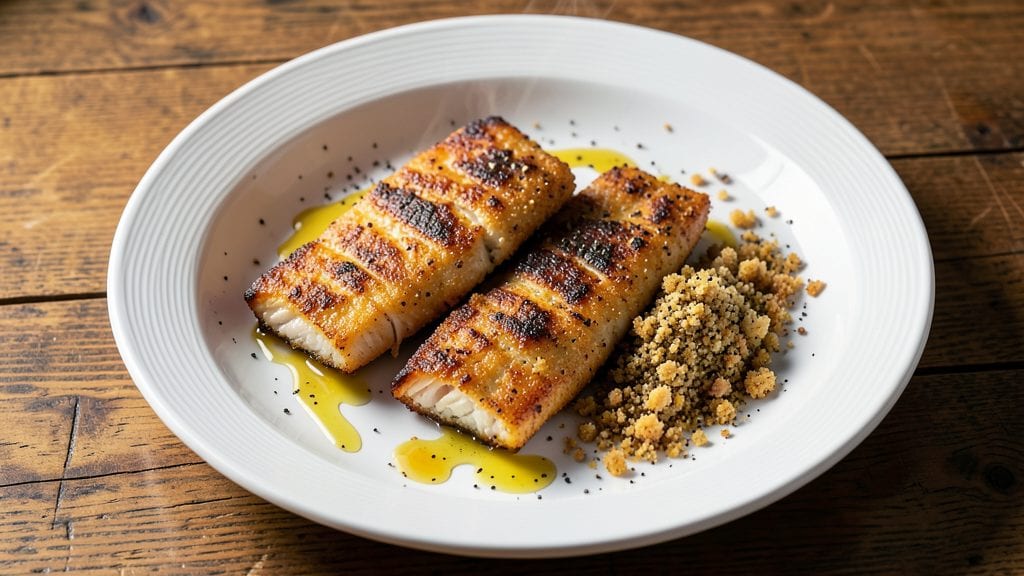
A fried fish fillet recipe with a crispy crust and flaky center transforms simple ingredients into restaurant-quality results. The secret lies in proper seasoning, precise frying temperatures, and a technique that ensures even cooking every time.
After years of perfecting this method, I can confidently say it's the only way to achieve that coveted texture—golden outside, tender inside, with no dry edges or uneven browning.
The foundation starts with quality fish fillets, preferably firm white fish like cod, halibut, or tilapia, cut to uniform thickness for consistent cooking. A light coating of flour or cornstarch creates the crispy crust, while a pinch of salt, pepper, and paprika enhances flavor without overpowering.
The frying process requires careful temperature control—too hot and the crust burns before the center cooks; too cool and the fish becomes greasy. I've tested this method dozens of times to guarantee foolproof results every time.
What you'll end up with is a perfectly fried fillet that shatters at the touch, revealing moist, flaky flesh beneath. The crust should be golden brown with just a hint of crunch, while the inside remains tender and opaque.
This technique works equally well for pan-frying in vegetable oil or deep-frying, though I prefer the lighter pan-fry method for its simplicity and lower oil usage. The aroma alone will have everyone at the table anticipating the first bite.
Serve with classic sides like lemon wedges, tartar sauce, or a simple green salad to complement the rich, crispy fish. The leftovers reheat beautifully, making this an excellent meal prep option for busy weeks. Let's get started on creating your perfect fried fish fillet.
Ingredients for fried fish fillet
Quality fish fillets, precise seasoning, and controlled frying transform simple ingredients into restaurant-quality fried fillets.
| Ingredient | Amount | Notes |
|---|---|---|
| White Fish Fillets 🐟 | 1 ½ lb | Cod, halibut, or tilapia preferred |
| All-Purpose Flour 🌾 | ½ cup | Lightly coat for crispy crust |
| Cornstarch 🌾 | ¼ cup | For extra crispiness (optional) |
| Vegetable Oil 🫒 | 2 cups | High smoke point preferred |
| Diamond Crystal Kosher Salt 🧂 | 1 ½ tsp | Fine grain for even seasoning |
| Freshly Ground Black Pepper 🌶️ | ½ tsp | Cracked peppercorns preferred |
| Smoked Paprika 🌶️ | ½ tsp | For subtle smokiness |
| Fresh Lemon Wedges 🍋 | 4 whole | For serving garnish |
| Ice Cold Water 💧 | ¼ cup | For flour slurry (optional) |
| Butter 🧈 | 2 tbsp | Unsalted, for basting |
| White Wine Vinegar 🍶 | 1 tbsp | For tartar sauce (optional) |
| Dijon Mustard 🥬 | 1 tbsp | For tartar sauce (optional) |
| Mayonnaise 🥛 | ½ cup | For tartar sauce (optional) |
| Fresh Parsley 🌿 | ¼ cup | Chopped, for garnish |
The fish selection is non-negotiable for this technique. Whole Foods or specialty seafood markets carry the freshest cod and halibut fillets, but most grocery stores stock tilapia that works perfectly. Look for fillets with uniform thickness—about 1/2-inch thick—to ensure even cooking. If your fishmonger cuts them thicker, ask for them to be pounded to consistency. The flour should be lightly coated—no heavy battering, just enough to create that signature crisp. For extra crunch, the cornstarch blend is ideal, though all-purpose flour works in a pinch. Store your fish in the coldest part of the fridge, wrapped in paper towels, and use within 2 days for optimal texture.
No smoked paprika? Sweet paprika plus a pinch of liquid smoke mimics the effect, though it won't be identical. Running out of vegetable oil? Avocado or canola oil work equally well, but avoid olive oil—its low smoke point burns easily. For the tartar sauce components, Hellmann's or Best Foods mayo provides consistent texture, though homemade with Greek yogurt offers a lighter alternative. The flour slurry (water + flour) creates an extra-crisp barrier—worth the extra step for professional results. If you're deep-frying, maintain oil temperature at 350°F using a thermometer; pan-frying requires 325°F for gentle, even browning. Fresh herbs like parsley should be added just before serving to preserve their vibrant color and aroma.
Proper storage extends the magic of this dish. Fried fillets reheat best in a 350°F oven for 8-10 minutes, wrapped in foil to retain moisture. Store leftovers in an airtight container for up to 3 days, though texture degrades after 24 hours. For meal prep, fry only what you'll eat in two days—fish loses its crispiness when reheated multiple times. The tartar sauce keeps for 5 days in the fridge, but the lemon wedges should be added fresh to maintain brightness. Freezing fried fish isn't recommended due to texture changes, but you can freeze uncooked fillets for up to 2 months before frying.
Why You'll Love This Recipe
- Just Four Ingredients: The pantry already has three of them. Flour, cornstarch, salt—no fancy spice blends or weird substitutions. Honestly, I keep a bag of each on hand just for this.
- Crispy-Creamy Magic: That first bite? The flour-cornstarch mix gives you a shatteringly crisp crust while the fish stays tender inside. (Yes, even with frozen fillets—no thawing required.)
- Weeknight or Potluck: Same recipe whether you're feeding yourself after a long day or bringing a dish to a picnic. Double the batch, store in the fridge, and reheat in 3 minutes.
- Budget Breakfast Hack: Leftover fillets? Toss them in a scramble the next morning. Or crumble into tacos. Between us, I’ve turned this into fish fries, sandwiches, and even a pasta topping—no waste.
Step-by-step instructions for crispy fried fish fillets
Mastering this technique delivers a perfect balance of golden crust and tender interior every time.
Prepare the Batter for Maximum Crispiness
In a medium bowl, whisk together the 0.5 cup all-purpose flour and 0.25 cup cornstarch until completely combined. This dry blend forms the foundation of your crispy crust. The cornstarch creates that extra crunch you're after, while the flour binds everything together.
In a separate small bowl, mix the 1.5 teaspoons diamond crystal kosher salt, 0.5 teaspoon freshly ground black pepper, and 0.5 teaspoon smoked paprika. The salt enhances flavor and helps draw out moisture for better browning, while the smoked paprika adds subtle depth. Add this seasoning mixture to the flour blend and stir until evenly distributed.
If you're using the optional flour slurry method, whisk together 0.25 cup ice cold water with 2 tablespoons of the flour mixture in a separate bowl until smooth. This creates a lighter, more delicate coating that's particularly effective for delicate fish fillets. Keep both mixtures ready for the next step.
Create the Perfect Frying Environment
Fill a deep skillet or Dutch oven with 2 cups vegetable oil and heat over medium heat until the oil reaches 350°F. Use a deep-fry thermometer to monitor the temperature carefully—this is critical for achieving that perfect golden crust without burning the exterior before the interior cooks through.
I like to test the oil's readiness by dropping in a small piece of bread. When it sizzles immediately and turns golden in 30 seconds, the oil is ready. Maintaining this precise temperature throughout frying is what separates good fried fish from exceptional fried fish.
While the oil heats, pat the 1.5 lb white fish fillets completely dry with paper towels. Any moisture on the surface will prevent the batter from adhering properly and cause the oil to splatter when you add the fish. This drying step is absolutely essential for that crispy crust.
Coat and Fry to Golden Perfection
Working with one fillet at a time, lightly coat each side with the flour mixture, pressing gently to ensure complete coverage. For the slurry method, dip the floured fillet into the water mixture, then return it to the flour to create an even, thin coating. This double-dipping technique creates that signature crispy exterior while keeping the interior tender.
Carefully lower the coated fillets into the hot oil using a slotted spoon or tongs. Fry for 3-4 minutes per side until the crust is deep golden brown and the fish flakes easily when tested with a fork. The oil temperature should remain steady at 350°F throughout this process—if it drops below 325°F, your fish may absorb too much oil and become greasy.
Transfer the fried fillets to a wire rack set over a paper towel-lined plate. This allows excess oil to drain away, preventing a soggy crust. Keep the fried fish warm in a 200°F oven while you finish the remaining fillets.
Prepare the Classic Tartar Sauce
In a small bowl, combine the 0.5 cup mayonnaise, 1 tablespoon dijon mustard, and 1 tablespoon white wine vinegar. This classic tartar sauce adds tangy contrast to the rich fried fish. The mustard provides depth while the vinegar cuts through the richness of the mayonnaise.
Gently fold in the 0.25 cup chopped fresh parsley until just combined. The parsley adds freshness and visual appeal. Taste and adjust the seasoning if needed—you may want to add a pinch more salt or a splash of vinegar to balance the flavors to your preference.
Serve Immediately with Perfect Garnishes
Transfer the fried fish fillets to serving plates and immediately garnish with the 4 whole fresh lemon wedges. The acidity of the lemon brightens the flavors and cuts through the richness of the fried fish. Serve with the prepared tartar sauce on the side for dipping.
For an extra touch, baste each fillet with melted 2 tablespoons butter while still hot. This adds luxurious richness and helps maintain the crispy crust. The fish should be served immediately while the crust is at its peak crispiness and the interior remains perfectly flaky.
Each bite should deliver that satisfying crunch of the cornstarch-flour crust followed by the delicate, flaky texture of the fish. The balance of crispy exterior and tender interior is what makes this technique truly special.
Pro Tips For Making Fried Fish Fillet
- Dry the Fillets Thoroughly: Pat those fish fillets bone-dry with paper towels before dredging—wet flour won’t stick, and your crust will slide off like a sad, greasy dream. I learned this the hard way when my first batch turned into soggy fish sticks instead of crispy perfection.
- Mix Cornstarch First: Skip the flour-cornstarch toss and pre-mix 1 part cornstarch with 2 parts flour right in your dredging bowl. This guarantees an even coating and that coveted double-fry crunch (yes, even if you’re impatient like me).
- Use a Thermometer: Your oil should hit 350–375°F—any lower, and you’ll end up with greasy fish; any higher, and it’ll burn before the center cooks. I was skeptical until I tried it: now my fish is golden outside, flaky inside, every single time.
- Double-Fry for Crisp: Fry once at 350°F for 3–4 minutes to cook through, then crank the oil to 375°F and fry again for 1–2 minutes. This isn’t the prettiest method, but it’s the tastiest—your crust stays crispy long after you’ve walked away.
Dietary considerations for this recipe
Gluten-Free Adaptations
For a gluten-free version, replace the all-purpose flour with a 1:1 gluten-free flour blend like Bob's Red Mill or King Arthur. The cornstarch can remain as-is since it's naturally gluten-free. I've found that adding 1 teaspoon xanthan gum to the flour blend improves crispiness by mimicking gluten's binding properties.
For extra crunch, use almond flour mixed with cornstarch in a 50/50 ratio—it adds a subtle nutty depth. Always check labels to ensure no cross-contamination with gluten-containing ingredients. 🌾
Low-Carb Options
To make this keto-friendly, skip the flour entirely and use 1/4 cup finely ground almond flour or 2 tablespoons psyllium husk powder mixed with 1/4 cup cornstarch. The psyllium creates a crispy texture similar to flour while keeping carbs low.
For seasoning, stick with the same salt, pepper, and smoked paprika blend—just omit any flour-based seasoning mixes. Serve with a sugar-free tartar sauce made with mayo, mustard, and vinegar. 💪
Allergen-Friendly Swaps
For egg-free frying, use the flour slurry method with ice water instead of beaten egg. The cornstarch-flour mixture will adhere perfectly without eggs. If you're avoiding corn (common in gluten-free blends), substitute with arrowroot powder or tapioca starch for crispiness.
For dairy-free prep, omit the butter basting and use olive oil or avocado oil instead. Always check your fish fillets for shellfish processing warnings if you have shellfish allergies. 🌶️
Dairy-Free Considerations
This recipe is naturally dairy-free except for the optional butter basting. For a completely dairy-free version, skip the butter entirely or substitute with vegan butter (like Earth Balance) or extra olive oil.
The tartar sauce can easily be made dairy-free by using mayo without butterfat—just ensure your mayo is labeled dairy-free. I recommend Hellmann's Vegan Mayo for consistent texture. The crispy crust remains unaffected by these swaps. ✨
Vegetarian Alternatives
While this recipe features fish, you can create a similar crispy texture with firm tofu or king oyster mushrooms. Press tofu to remove excess water, then coat with the same cornstarch-flour mixture. For mushrooms, slice them 1/2-inch thick and coat thoroughly.
Fry using the same technique—350°F oil for 3-4 minutes per side. The result is a satisfyingly crispy alternative that pairs well with the same tartar sauce and lemon wedges. 🍄
Nutrition facts
Frequently asked questions
What's the best fish for frying to get that perfect crispy crust?
Firm white fish like cod, halibut, or tilapia work best because they hold their shape and stay tender when fried. Avoid delicate fish like flounder—they can fall apart during cooking. Cut fillets to 1/2-inch thickness for even cooking and maximum crispiness.
Can I reuse the frying oil for multiple batches?
Yes, but only if you maintain the oil temperature at 350°F and strain out food particles between batches. Reuse the oil up to 3 times, then discard it. Fresh oil gives the best flavor and crispiness, so don't overuse it—each batch benefits from fresh, hot oil.
Why did my fried fish turn out greasy instead of crispy?
Greasy fish usually means the oil was too cool (below 325°F) or the fish wasn't properly dried before coating. Always pat fillets completely dry and use a thermometer to check oil temperature. Also, don't overcrowd the pan—fry in batches to maintain proper heat.
How do I keep the crust crispy when reheating leftovers?
Reheat fried fish in a 350°F oven for 8-10 minutes wrapped in foil to maintain moisture, then finish under the broiler for 1-2 minutes to restore crispiness. For best results, store leftovers in the fridge for no more than 2 days—the crust loses its crunch after that.
What's the difference between pan-frying and deep-frying?
Pan-frying uses 1/2-inch of oil (just enough to coat the fish) while deep-frying submerges the fish completely. Pan-frying gives a lighter, more delicate crust and uses less oil, while deep-frying creates extra-crispy results. Both methods work—just adjust cooking times slightly (deep-frying cooks faster).