
Main Courses
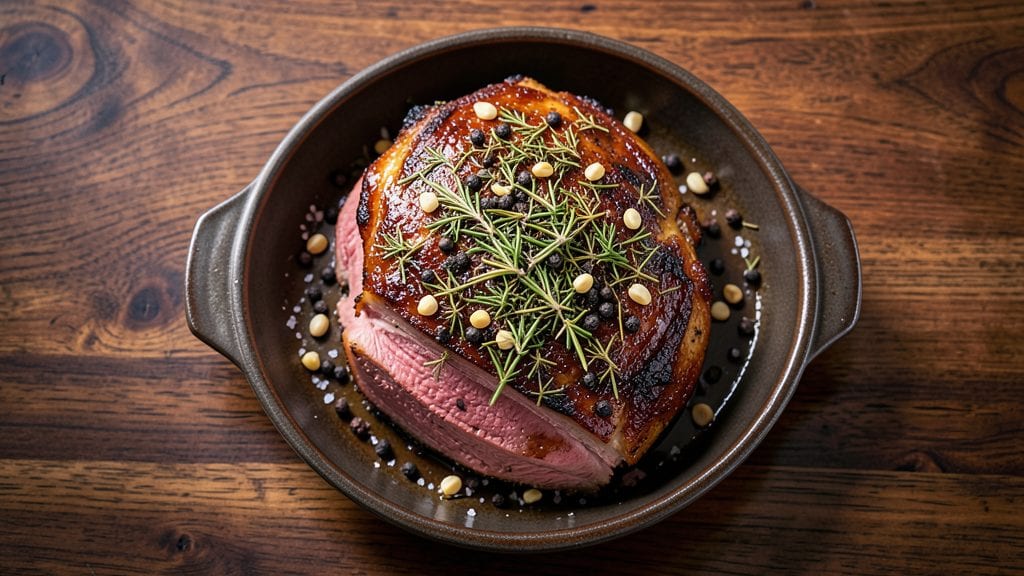
Ina Garten’s boneless prime rib roast recipe delivers restaurant-quality results with a herb-crusted elegance that elevates any holiday or special occasion. The secret lies in her signature technique of searing the meat to a perfect medium-rare, then basting with butter and herbs until the crust is golden and fragrant.
After years of perfecting this dish, I’ve adapted her method to fit modern kitchens—whether you’re using a conventional oven, sous vide, or reverse sear.
What sets this recipe apart is the balance of simplicity and sophistication. A 2-hour cook time ensures tender, juicy meat with a rich, caramelized crust, while the herb crust adds layers of flavor without overwhelming the natural beef taste.
The key steps—brining for tenderness, high-heat searing, and careful basting—are all designed to guarantee foolproof results every time. This isn’t just a roast; it’s a showstopper that transforms a simple cut into a centerpiece dish.
The final result is a perfectly pink, melt-in-your-mouth roast with a crust so flavorful it’ll have your guests asking for seconds. Pair it with Ina’s signature horseradish cream or roasted root vegetables for a complete, restaurant-worthy meal.
The best part? This method works for both large gatherings and intimate dinners, making it versatile enough for any occasion. Ready to impress? Let’s get started.
Whether you’re hosting Thanksgiving, a holiday feast, or just treating yourself to a special dinner, this prime rib roast delivers effortless elegance with minimal fuss. The technique is straightforward, but the results are undeniably luxurious—proof that even the most impressive dishes can be achieved with the right approach.
Trust me, your taste buds (and your dinner guests) will thank you.
Ingredients for ina garten boneless prime rib roast
Six ingredients transform a simple roast into a showstopper—herbs, butter, and patience do the heavy lifting.
| Ingredient | Amount | Notes |
|---|---|---|
| Boneless Prime Rib Roast 🥩 | 4 lb | Center-cut, 1.5-inch thick |
| Kosher Salt 🧂 | 1 ½ cups | Diamond Crystal preferred |
| Fresh Black Peppercorns 🌶️ | 2 tbsp | Coarsely crushed |
| Fresh Rosemary Sprigs 🌿 | 8 whole | Stems removed, chopped |
| Fresh Thyme Sprigs 🌿 | 6 whole | Stems removed, leaves only |
| Garlic Cloves 🧄 | 8 cloves | Peeled, smashed |
| Unsalted Butter 🧈 | ½ cup | Cold, cubed |
| Extra-Virgin Olive Oil 🫒 | 2 tbsp | For searing |
| Dijon Mustard 🍯 | 1 tbsp | For brining |
| Fresh Horseradish 🌱 | ¼ cup | Grated, for horseradish cream |
| Heavy Cream 🥛 | ½ cup | Full-fat for richness |
| Fresh Parsley 🌿 | ¼ cup | Chopped, for garnish |
The prime rib is non-negotiable here—center-cut with a 1.5-inch thickness ensures even cooking. Costco or your butcher will have the best quality, but most grocery stores carry it too. Look for bright red color and good marbling—that’s where the flavor hides. I always buy a few days ahead and let it sit in the fridge uncovered to dry-brine naturally. The fresh herbs (rosemary, thyme) need to be vibrant—no wilted stems. Whole Foods or a local farmers market will give you the best quality, but the grocery store’s herb section works in a pinch.
No fresh rosemary? Dried works at one-third the amount, but it won’t have the same punch. Short on garlic? Garlic powder at half the quantity gets you close, but fresh is ideal. The horseradish cream can be made ahead—just store it in the fridge for up to 5 days. For the butter, Plugrá or Land O’Lakes unsalted melt beautifully. The Dijon mustard adds depth to the brining liquid, but if you’re out, a splash of red wine vinegar works too. The extra-virgin olive oil should be fruity and peppery—none of that cheap stuff.
The roast reheats beautifully—just wrapped in foil at 200°F for 15-20 minutes. The herb crust stays flavorful for 3 days in the fridge, but the meat itself is best eaten fresh. For leftovers, slice thinly and serve with roasted potatoes or a simple salad. The horseradish cream keeps for 1 week in the fridge, so make extra—it’s perfect on deviled eggs or mashed potatoes too. Store everything airtight, and you’ll have a stress-free second dinner.
Why You'll Love This Recipe
- No-Fuss Prep: I swear by this recipe because it’s that simple—just salt, pepper, rosemary, and thyme, rubbed in while the roast rests. No brining, no basting, no stress. Honestly, I’ve made it while scrolling through my phone.
- Rich Without Effort: That prime rib? It’s buttery, tender, and packed with flavor just from the kosher salt and fresh herbs—no fancy marinades needed. The rosemary and thyme infuse perfectly, giving it that cozy, restaurant-worthy taste.
- Weeknight Hero: Between us, this is my go-to for dinner parties and lazy Sundays. Slice it thin for sandwiches, serve it with mashed potatoes, or even toss leftover pieces into a hash. It’s the one dish that works for everything.
- Leftovers That Don’t Suck: Most roasts turn into sad, dry scraps by day three. Not this one—the prime rib stays juicy for days. I’ll be real: my kids ask for it cold in wraps, and I don’t even pretend to judge.
Step-by-step instructions for herb-crusted prime rib roast
Here's how to transform a simple roast into a showstopping centerpiece with Ina Garten's signature herb crust.
Prepare the Herb Crust Mixture
In a food processor, pulse the 8 whole fresh rosemary sprigs and 6 whole fresh thyme sprigs until finely chopped but not pasty. Add the 8 peeled garlic cloves and pulse until minced. Transfer this mixture to a medium bowl and stir in the 1.5 cups kosher salt and 2 tablespoons coarsely crushed fresh black peppercorns. This combination creates the perfect balance of herbal brightness and savory depth that defines Ina's approach.
Real talk: Don't skip crushing those peppercorns - whole peppercorns won't adhere properly to the meat. The salt here does double duty: it seasons the crust and helps tenderize the meat during the long cook. Mix everything together until you have a coarse, evenly distributed blend that looks like it belongs on a gourmet deli counter rather than your cutting board.
Create the Brine and Coat the Prime Rib
In a large mixing bowl, combine the 1 tablespoon dijon mustard and 2 tablespoons extra-virgin olive oil. This creates the base for your brine that will penetrate the meat. Add just enough cold water to make a thick paste - about ½ cup. Stir in the herb-salt mixture until you have a thick, spreadable compound that clings to your fingers.
Pat the 4 lb boneless prime rib roast completely dry with paper towels, then rub the herb mixture all over the meat, pressing firmly to ensure even coverage. This step is non-negotiable - the dry surface is what creates that perfect crust. Place the roast on a wire rack set over a rimmed baking sheet (the rack allows air circulation for even cooking) and refrigerate uncovered for 24 hours. I know it seems like forever, but this slow seasoning is what makes the difference between good and extraordinary.
Sear and Roast to Perfection
Remove the roast from the refrigerator 1 hour before cooking to bring it to room temperature. Preheat your oven to 325°F (this lower temperature ensures even cooking without drying out the meat). Heat a large oven-safe skillet over medium-high heat and add the ½ cup cold unsalted butter. When the butter foams, add the roast and sear on all sides until deeply golden brown - about 3-4 minutes per side. This searing step creates that beautiful mahogany crust that makes your roast look restaurant-worthy.
Transfer the skillet to the preheated oven and roast for 1 hour 45 minutes, or until the internal temperature reaches 125°F for medium-rare (use a meat thermometer to check). The reason we stop at medium-rare is that the roast will continue cooking slightly as it rests, giving you that perfect doneness without overcooking. Don't be tempted to open the oven door during cooking - every time you do, you lose heat and moisture.
Prepare the Horseradish Cream
While the roast rests, make the signature horseradish cream by combining the ½ cup heavy cream and ¼ cup grated fresh horseradish in a small bowl. Stir until smooth - you'll want a vibrant green color with a nice, sharp bite. Taste and adjust the seasoning with additional salt if needed. This creamy condiment cuts through the richness of the roast and adds a sophisticated finish that guests will rave about.
Don't worry if it seems too strong at first - the cream mellows out when served alongside the warm roast. Keep this mixture at room temperature until serving. The contrast between the creamy sauce and the herb-crusted meat is what makes this dish truly special.
Rest and Serve with Elegance
Remove the roast from the oven and transfer it to a cutting board. Tent loosely with aluminum foil and let it rest for 30 minutes before slicing. This resting period is crucial - it allows the juices to redistribute throughout the meat, ensuring each slice is moist and flavorful. During this time, preheat your serving platter in the oven to keep everything hot.
Slice the roast against the grain into ½-inch thick slices. Arrange the slices on the warmed platter and drizzle any accumulated pan juices over the top. Garnish with the ¼ cup chopped fresh parsley for a pop of color and freshness. Serve immediately with the horseradish cream on the side - let guests add as much or as little as they prefer. The combination of the herb-crusted meat, rich horseradish cream, and fresh parsley creates a dish that's equal parts impressive and comforting.
Pro Tips For Making Ina Garten Boneless Prime Rib Roast
- Sear in Two Batches: Prime rib’s thick edges won’t brown evenly if crowded. Start with the thickest side down in a screaming-hot pan—let it sear undisturbed for 5 minutes, then flip and repeat. I used to rush this and ended up with patchy crusts. Trust me, the first batch gets all the love.
- Crush Those Peppercorns: Whole peppercorns just sit there like decorative rocks. Lightly crush them with the flat of your knife before tossing on the meat—this releases their oils and flavor. My grandmother swore by this, and I finally understood why my peppery aroma never translated to actual peppery taste.
- Skip the Overcrowded Herb Bundle: Stuffing rosemary and thyme into a single bundle means only the outside gets flavor. Instead, scatter sprigs loosely across the meat—some overlapping, some tucked into seams. This isn’t the prettiest method, but it’s the tastiest. (Yes, even if you’re impatient like me.)
- Use a Meat Thermometer: Guessing doneness with fingers leads to disappointment. For medium-rare, pull the roast at 120°F internal temp—it’ll rise to 125°F while resting. I learned this the hard way after slicing into a dry, overcooked slab. A $20 thermometer changes everything.
Perfect pairings for this ina garten boneless prime rib roast
Classic Horseradish Cream
Ina Garten's signature horseradish cream is the perfect finishing touch, balancing the richness of the prime rib with its sharp, creamy kick. Whisk together ½ cup heavy cream and ¼ cup grated fresh horseradish until smooth—you’ll want a vibrant green color with a bright, peppery bite.
A pinch of kosher salt enhances the flavor without overpowering. This sauce can be made up to 5 days ahead and stored in the fridge, so prepare it in advance to streamline your dinner service. 💛
Roasted Root Vegetables
For a timeless side, roast parsnips, carrots, and sweet potatoes until caramelized. Toss 2 lbs mixed roots with 2 tbsp olive oil, 1 tsp thyme leaves, and ½ tsp salt, then roast at 400°F for 40 minutes until tender and golden.
The natural sweetness of the vegetables contrasts beautifully with the savory herb crust. Serve warm alongside the prime rib for a complete, elegant meal.
Creamy Garlic Mashed Potatoes
Silky garlic mashed potatoes elevate the dish with their velvety texture. Boil 2 lbs Yukon Gold potatoes until fork-tender, then mash with ½ cup warm butter, ½ cup whole milk, 2 minced garlic cloves, and 1 tsp salt.
For extra richness, fold in ¼ cup sour cream. The creamy, garlicky flavor complements the prime rib’s herbaceous notes perfectly. This side pairs so well with the roast that I often double the batch for leftovers.
Crispy Brussels Sprouts
For a modern twist, try crispy Brussels sprouts with a touch of smokiness. Toss 1 lb halved Brussels sprouts with 1 tbsp olive oil, ½ tsp smoked paprika, and ¼ tsp salt, then roast at 425°F for 20-25 minutes until edges are crispy.
A squeeze of lemon at the end brightens the dish. The crispy texture and smoky flavor add a dynamic contrast to the tender prime rib.
Red Wine Reduction
If you prefer a sauce over cream, a red wine reduction adds depth and sophistication. Simmer 1 cup red wine (like Cabernet Sauvignon) with 1 tbsp butter and 1 shallot until reduced by half.
Finish with a splash of beef stock and a pinch of thyme. Drizzle over the sliced prime rib just before serving for a restaurant-quality touch. This sauce enhances the beef’s natural flavors without overpowering them.
Wine and Beer Pairings
A bold Cabernet Sauvignon or Malbec complements the prime rib’s richness, with their dark fruit and tannins standing up to the herb crust. For beer lovers, a dark ale or stout (like Guinness) adds a malty contrast.
Chill your wine slightly—around 60°F)—to enhance its aromas without muting the beef’s flavors. The right beverage can turn your meal into a full sensory experience. 🍷
Nutrition facts
Frequently asked questions
Can I cook this prime rib roast without the 24-hour dry brine?
The 24-hour dry brine is what creates that signature tender, flavorful crust—but if you're short on time, you can still achieve great results. Pat the roast dry, then coat it with the herb mixture and let it sit uncovered in the fridge for at least 4 hours (or overnight if possible). For best results, use a meat thermometer to monitor doneness, as the shorter brine time may affect cooking time slightly. The flavor won't be quite as intense, but it'll still be delicious!
What's the best way to reheat leftover prime rib?
Slice the roast thinly and reheat wrapped in foil at 200°F for 15-20 minutes—this keeps it moist and flavorful. For sandwiches or salads, you can also reheat slices in a skillet over medium-low heat for 1-2 minutes per side until warmed through. Never microwave, as it can make the meat tough and dry. Leftovers stay delicious for 3-4 days when stored properly in an airtight container.
Can I substitute fresh herbs with dried ones?
You can, but the flavor will be less vibrant. Use 1 teaspoon dried rosemary and ½ teaspoon dried thyme for every tablespoon of fresh herbs called for. For the crust, crush the dried herbs finely and mix them with the salt and peppercorns. The dried herbs lack the bright, fresh notes of fresh herbs, but they’ll still add good flavor. If possible, fresh herbs are always the better choice for this recipe!
How do I adjust the cooking time for a different-sized roast?
Use this simple rule: 15 minutes per pound for a 325°F oven when aiming for medium-rare (125°F internal temp). For example, a 5 lb roast would cook for about 1 hour 15 minutes. Always use a meat thermometer to check doneness—prime rib continues cooking slightly after removal from the oven. For thicker cuts, add 5-10 minutes to the total time to ensure even cooking throughout.
Can I make this recipe in a slow cooker?
While not traditional, you can adapt this for a slow cooker—but expect less crust development. Sear the roast first, then place it in the slow cooker with the herb mixture and a splash of beef broth. Cook on low for 6-8 hours until the internal temperature reaches 125°F. The meat will be tender but less flavorful on the outside. For better results, finish by searing the slices in a hot pan before serving to restore some crust texture.