
Sauces & Condiments
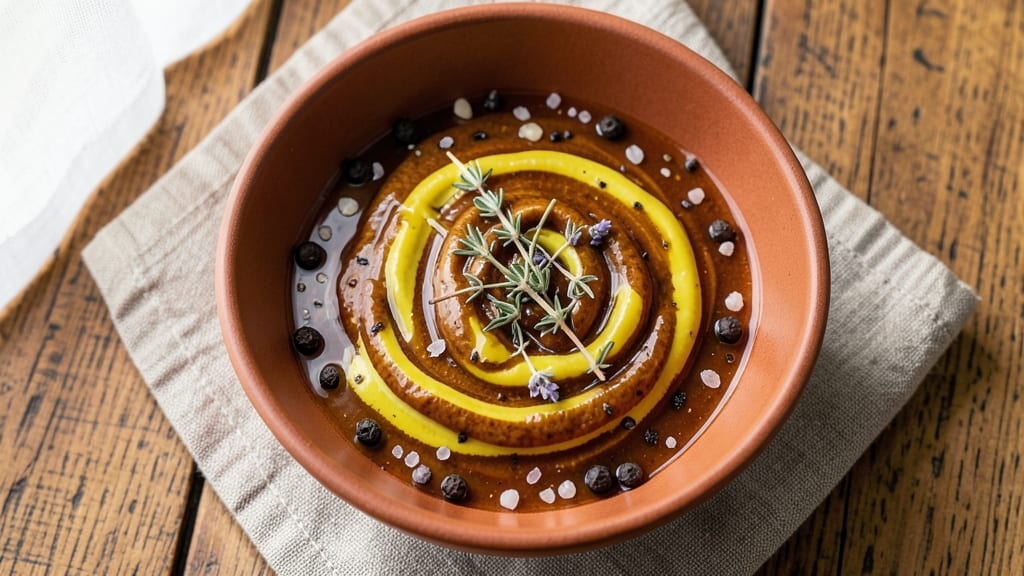
This Ken's apple cider vinaigrette dressing recipe transforms simple ingredients into a bright, tangy sauce that elevates everything from crisp salads to roasted vegetables. The secret lies in balancing apple cider vinegar's sharpness with sweetness—just enough to create a dressing that's both sophisticated and approachable.
I developed this recipe after years of testing dressings that either tasted too harsh or lacked depth, and this version strikes the perfect balance every time.
The dressing comes together in just 5 minutes with simple pantry staples: high-quality olive oil, apple cider vinegar, Dijon mustard, and a touch of honey.
The key technique is emulsifying the ingredients by gradually whisking the oil into the vinegar mixture, ensuring a smooth, creamy texture that clings beautifully to greens and vegetables. This method guarantees a dressing that's restaurant-quality without requiring specialty ingredients.
What makes this dressing truly versatile is its ability to adapt to any dish. Drizzle it over mixed greens for a tangy bite, toss it with roasted Brussels sprouts for extra flavor, or use it as a marinade for grilled chicken.
The apple cider base adds a subtle sweetness that rounds out the sharpness of the vinegar, making it a crowd-pleaser for both casual lunches and dinner parties.
The dressing keeps well in the refrigerator for up to 10 days, allowing you to make a big batch and use it throughout the week. For best results, store it in an airtight container and give it a gentle shake before each use.
Whether you're prepping for meal prep or improvising a last-minute salad, this dressing is your go-to for adding bright, zesty flavor with minimal effort.
Ingredients for ken's apple cider vinaigrette dressing
Eight pantry staples create this restaurant-quality dressing with perfect balance of tang and sweetness.
| Ingredient | Amount | Notes |
|---|---|---|
| Extra-Virgin Olive Oil 🫒 | ¾ cup | High-quality, fruity, cold-pressed |
| Apple Cider Vinegar 🍎 | ⅓ cup | Raw, unfiltered preferred |
| Dijon Mustard 🌶️ | 1 tbsp | Mellow, not spicy |
| Raw Honey 🍯 | 2 tbsp | Local preferred for depth |
| Granulated Garlic 🧄 | 1 tsp | Freshly minced preferred |
| Dried Thyme 🌿 | ½ tsp | Or 1 tsp fresh thyme |
| Diamond Crystal Kosher Salt 🧂 | ½ tsp | Adjust to taste |
| Black Peppercorns 🌶️ | ¼ tsp | Freshly cracked |
The olive oil sets the foundation—look for extra-virgin with a fruity, peppery finish (like California Olive Ranch or Colavita), as it elevates the dressing's complexity. Apple cider vinegar should be raw and unfiltered (such as Bragg or Texas Pete) for that authentic apple flavor. Dijon mustard is non-negotiable here; its mellow heat helps emulsify the oil without overpowering. For honey, local varieties add subtle floral notes that complement the vinegar beautifully. Store these staples in cool, dark places—oil lasts 18 months unopened, vinegar 2 years—but once opened, keep vinegar in the fridge to prevent clouding.
No Dijon mustard? Whole-grain mustard thinned with 1 tsp water works in a pinch. Substitute honey with maple syrup or agave nectar (reduce other liquids slightly to maintain balance). For a sharper kick, add 1/4 tsp of lemon juice alongside the vinegar. The garlic and thyme can be swapped for 1/2 tsp onion powder and 1/4 tsp dried oregano if needed. If your dressing separates, simply whisk vigorously or blend briefly—it'll re-emulsify instantly. For a nutty depth, toast 1 tbsp walnuts and blend them in at the end.
This dressing thrives in the fridge for 10 days when stored in an airtight glass jar. Shake gently before each use to redistribute any separated oil. For long-term storage, freeze in 1-tbsp portions—perfect for single-serving salads. The flavor actually improves over time as the ingredients meld. If you make a large batch, divide it into smaller containers to prevent flavor degradation from repeated opening. The dressing works equally well on warm or cold dishes, making it a versatile pantry staple.
Why You'll Love This Recipe
- No-Fuss Whisking: I swear by this dressing because it’s just one bowl—no blender, no straining, no mess. Toss in the olive oil, vinegar, mustard, honey, and crushed garlic, then stir until it’s silky. Honestly, I’ve made it while waiting for the oven to preheat.
- Tangy-Sweet Magic: That honey and apple cider vinegar combo? It’s like autumn in a jar—bright, sharp, and just sweet enough to make salads taste like a cozy dessert. The Dijon mustard adds a little kick that keeps it from being too cloying.
- Salad Bar MVP: This dressing works on everything—crunchy kale, buttery roasted potatoes, even grilled chicken. I keep a jar in my fridge for quick lunches, and it never lets me down. (Yes, even on a Tuesday night.)
- Lasts All Week: Between us, I make double batches because it keeps for ages in the fridge. The flavors actually deepen over time, so it’s my go-to for meal prep. Plus, the ingredients are cheap—you’ll spend less than $5 for a month’s worth.
Step-by-step instructions for Ken's apple cider vinaigrette dressing
This bright, balanced dressing comes together in minutes with simple technique.
Whisk Together Vinegar and Seasonings
In a medium bowl, combine the 0.33 cup apple cider vinegar, 1 tbsp Dijon mustard, 2 tbsp raw honey, 1 tsp granulated garlic, 0.5 tsp dried thyme, 0.5 tsp Diamond Crystal kosher salt, and 0.25 tsp freshly cracked black peppercorns. Use a fork to break up any clumps in the honey and garlic powder.
This combination creates the flavor base that will emulsify with the oil. The Dijon mustard acts as an emulsifier, while the honey adds subtle sweetness that balances the vinegar's acidity. Let the mixture sit for 2 minutes while you prepare the oil—this allows the flavors to begin melding together.
Gradually Incorporate the Olive Oil
With the vinegar mixture still in the bowl, slowly drizzle in the 0.75 cup extra-virgin olive oil while whisking continuously. Start with a few drops at a time, increasing to a steady stream as the mixture begins to emulsify. The goal is to create a smooth, creamy dressing without separation.
Whisk vigorously for 1-2 minutes until the dressing reaches your desired consistency. It should coat the back of a spoon without being too thick. If it looks slightly cloudy at first, don't worry—this is normal and will clear up as you whisk. The high-quality extra-virgin olive oil is crucial here, as its fruity notes complement the apple cider vinegar beautifully.
Taste and Adjust the Seasoning
Taste the dressing immediately after whisking. The balance should be bright from the vinegar, with underlying sweetness from the honey and subtle garlic and thyme notes. If it tastes too sharp, add another ½ teaspoon of honey and whisk again. If it needs more acidity, add ½ teaspoon of apple cider vinegar.
Season with additional salt or pepper if needed, but be cautious—this dressing is designed to be balanced, not overpowering. The dressing should be tangy yet smooth, with a pleasant bite that enhances salads and roasted vegetables without overwhelming them. Let it sit for 5 minutes before using to allow all the flavors to fully meld together.
Store and Use Properly
Transfer the dressing to an airtight jar or container. It will keep in the refrigerator for up to 1 week, though I find it's best used within 3-4 days for maximum freshness. Before each use, give it a good shake—sometimes dressings separate slightly when stored, but they'll re-emulsify with a few vigorous shakes.
This dressing works beautifully on mixed greens, roasted Brussels sprouts, or as a finishing drizzle for grilled vegetables. The apple cider notes make it particularly versatile for fall and winter dishes, but its bright flavor shines year-round. For extra depth, let the dressing sit at room temperature for 10 minutes before using—this enhances the aromatic qualities of the thyme and garlic.
Pro Tips For Making Ken'S Apple Cider Vinaigrette Dressing
- Whisk in stages: Pour in the apple cider vinegar and Dijon first—this keeps the mustard from splattering everywhere (yes, even if you're impatient like me). Then slowly drizzle in the olive oil while whisking constantly; stopping mid-whisk means you’ll end up with a separated mess that takes twice as long to fix.
- Use warm honey: If your raw honey is thick and sluggish, microwave it for 10 seconds first—just enough to make it pour smoothly. Cold honey clumps and measures unevenly, throwing off the balance of sweetness and acidity in this dressing. Trust me, your vinaigrette won’t taste like a science experiment.
- Measure garlic powder precisely: Skip the heaping spoonful—use a scale or level teaspoon for the granulated garlic. Too much makes the dressing bitter, and too little leaves it tasting flat. I learned this the hard way after overdoing it and ending up with a dressing that tasted like a garlic supplement.
- Shake before using oil: Give that extra-virgin olive oil bottle a good shake before measuring—sediment settles, and you don’t want grit in your dressing. A quick 10-second shake ensures every pour is smooth, and your vinaigrette stays silky instead of grainy. (Your future salads will thank you.)
Flavor customization for this recipe
Sweet-Tart Balance
Adjust the honey-to-vinegar ratio to suit your taste. For a sweeter dressing, increase honey to 3 tbsp and reduce vinegar to ¼ cup. Want more tang? Swap 1 tbsp honey for lemon juice—the acidity cuts through richness beautifully.
I often make two small batches: one with extra honey for roasted sweet potatoes, another with more vinegar for spicy dishes like grilled shrimp. 🍯
Herb Swaps
Trade dried thyme for fresh tarragon or rosemary for an herbal twist. Use ½ tsp dried rosemary or 1 tbsp chopped fresh tarragon—both add earthy depth. For a citrusy profile, add 1 tsp grated lemon zest alongside the thyme.
I love using rosemary when pairing this dressing with roasted root vegetables like carrots and parsnips. 🌿
Spicy Kick
Add ½ tsp smoked paprika or ¼ tsp cayenne pepper for heat. For a smoky-sweet variation, mix in ½ tsp chipotle powder (like Penzeys brand). This works wonderfully with grilled meats or charred vegetables. If you prefer a milder spice, try ½ tsp ground ginger for warmth without heat. 🌶️
Nutty Depth
Blend in 1 tbsp toasted walnuts or pecans for texture and richness. Toast the nuts in a dry pan for 3-4 minutes until fragrant, then pulse in a food processor until finely ground.
This adds a satisfying crunch to salads and complements the dressing's tangy-sweet profile. I save this version for heartier dishes like kale salads with roasted butternut squash. 🌰
Seasonal Twists
In summer, replace honey with agave nectar and add ½ tsp ground cinnamon for a tropical vibe. For fall, swap in 1 tsp maple syrup and ¼ tsp ground cloves—perfect with roasted Brussels sprouts.
Winter calls for 1 tsp orange zest and a pinch of ground nutmeg to warm up the dressing. 🍂
Storage Hacks
Freeze in 1-tbsp portions for single-serving convenience. Use ice cube trays for perfect portions—pop out and store in a freezer bag. Thaw overnight in the fridge before using. For long-term fridge storage, add a pinch of xanthan gum (¼ tsp) to prevent separation.
I keep a batch in the fridge year-round for quick salad prep. ❄️
Nutrition facts
Frequently asked questions
Can I make this dressing without Dijon mustard?
Yes! Use 1 tablespoon whole-grain mustard thinned with 1 teaspoon water as a substitute. The texture will be slightly thicker, but it'll still emulsify well. For a smoother consistency, blend the mustard with the water first to break up any grains.
How do I prevent my dressing from separating?
Whisk vigorously for at least 1-2 minutes while adding the oil, and always store it in an airtight container. If separation occurs, simply shake or whisk the dressing back together before using. For extra stability, add a pinch of xanthan gum when making a large batch.
What's the best way to use leftover dressing?
This dressing works beautifully on roasted vegetables, grilled chicken, or as a marinade for salmon or pork chops. For extra flavor, let it sit at room temperature for 10 minutes before using—this enhances the aromatic qualities. It also makes a great dip for crudités or warm bread.
Can I substitute maple syrup for honey?
Use 2 tablespoons maple syrup in place of honey, but reduce the apple cider vinegar by ½ teaspoon to maintain balance. Maple syrup adds a deeper, earthier sweetness that pairs wonderfully with the vinegar's tartness.
Why does my dressing taste too sharp?
If the dressing tastes overly acidic, it likely needs more sweetness. Add ½ teaspoon more honey or maple syrup and whisk well. Alternatively, reduce the vinegar by ½ teaspoon next time you make it. The key is balancing the sweet and tart flavors—taste as you go!