
Sauces & Condiments
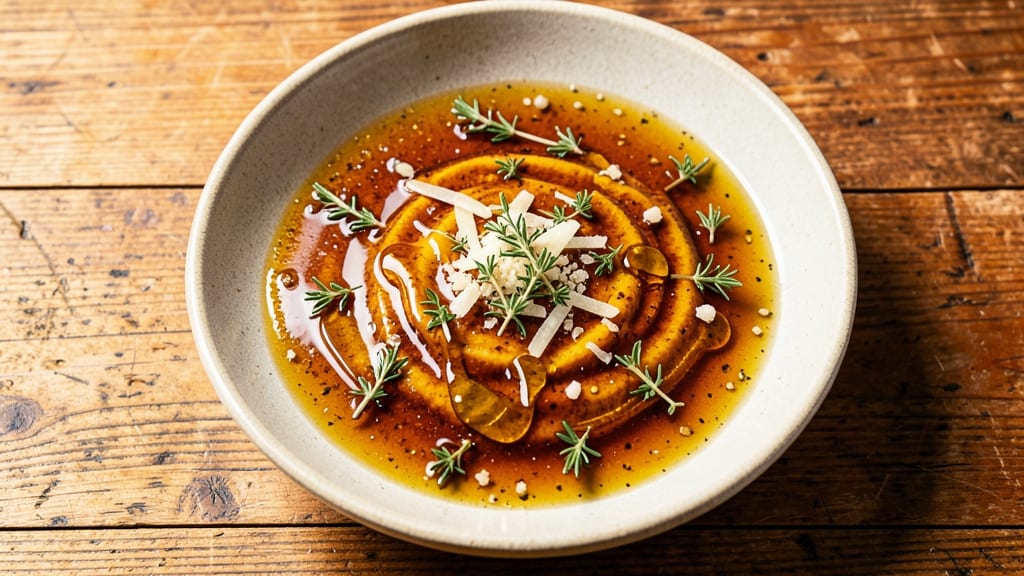
This Ken’s apple cider vinaigrette salad dressing recipe transforms ordinary salads into something extraordinary with its bright tang and autumnal warmth. ✨ The secret lies in balancing apple cider's natural sweetness with sharp vinegar and Dijon mustard, creating a dressing that's both complex and effortlessly versatile.
I developed this recipe after years of experimenting with homemade vinaigrettes—it's the one that finally stuck, perfect for everything from crisp greens to hearty grain bowls. What makes this dressing special is its foolproof emulsification technique that requires no special equipment.
Just whisk together apple cider vinegar, Dijon mustard, and a touch of honey before slowly streaming in the oil—no blender needed. The result is a silky, clingy dressing that coats every leaf without separating, even after sitting in your fridge for days.
It's the kind of dressing that makes you want to eat salads every night of the week.
The flavor profile is where this dressing truly shines—bright apple cider notes dance with tangy vinegar and subtle sweetness from honey, creating a perfect balance that works with both delicate greens and robust winter vegetables. The addition of fresh thyme adds an earthy depth that elevates it beyond basic vinaigrettes.
This isn't just salad dressing; it's a flavor booster that transforms any dish it touches. Make a batch and keep it in your fridge for up to two weeks—it's perfect for quick weeknight meals, holiday sides, or even as a marinade for grilled chicken. The best part?
You'll find yourself reaching for this jar more often than store-bought options, no matter what you're serving. Let's make this dressing that'll become your new kitchen staple.
Ingredients for ken's apple cider vinaigrette salad dressing
Eight simple ingredients create this silky, autumnal dressing that'll make salads irresistible!
| Ingredient | Amount | Notes |
|---|---|---|
| Apple Cider Vinegar 🍎 | ½ cup | Raw, unfiltered preferred |
| Dijon Mustard 🌶️ | 2 tbsp | High-quality, smooth variety |
| Honey 🍯 | 2 tbsp | Wildflower or clover preferred |
| Extra-Virgin Olive Oil 🫒 | 1 cup | Light, fruity flavor preferred |
| Fresh Thyme Leaves 🌿 | 1 tbsp | Finely chopped, stems removed |
| Granulated Garlic 🧄 | 1 tsp | For subtle garlic flavor |
| Sea Salt 🧂 | ½ tsp | Fine grain preferred |
| Black Pepper 🌶️ | ¼ tsp | Freshly ground preferred |
| Fresh Lemon Juice 🍋 | 1 tbsp | Bright, freshly squeezed |
The apple cider vinegar is the heart of this dressing—Bragg or Texas Pete are my go-tos because they've got that bold, tangy punch. Grab the raw, unfiltered kind if you can find it; it's got more depth. The Dijon mustard should be smooth, not grainy—Maille is the gold standard, but any good-quality brand works. Honey is where the sweetness comes in, so don't skimp. Wildflower or clover honey adds floral notes that pair perfectly with the apple cider. For the olive oil, California avocado oil or Spanish Arbequina gives that light, fruity flavor that won't overpower the other ingredients.
No Dijon mustard? Whole-grain mustard thinned with a splash of water works in a pinch. Running out of honey? Maple syrup or agave nectar swap one-to-one, though honey's floral notes are unique. Fresh thyme is ideal, but dried thyme at one-third the amount gets you close if you're in a hurry. The garlic powder can be swapped for 1/4 tsp garlic salt, but adjust the sea salt accordingly. Lemon juice is crucial for brightness—bottled is fine, but freshly squeezed takes it to the next level. If you're feeling fancy, add 1/2 tsp vanilla extract for a subtle depth that pairs beautifully with the apple cider.
This dressing keeps beautifully—up to 2 weeks in the fridge if stored in an airtight jar. The oil helps preserve it, so don't skimp there. Shake well before each use since the thyme will settle. For extra convenience, divide into small jars—perfect for lunches or quick salads. If it separates (which happens rarely with this method), just whisk it back together. Freezes for up to 3 months if you want to make a big batch ahead of time. Trust me, once you try this, you'll be making it all season long.
Why You'll Love This Recipe
- Five-Ingredient Magic: I swear by this combo—just whisk together apple cider vinegar, Dijon, honey, olive oil, and thyme. No measuring cups, no stress, no second-guessing. Honestly, I’ve made it blindfolded (well, almost) and still nailed it.
- Sweet-Tart Balance: That honey and apple cider vinegar? It’s like autumn in a jar—bright, tangy, but with this cozy sweetness that makes every bite sing. The thyme adds a little earthy kick that ties it all together.
- Salad’s Best Friend: Drizzle it over greens, toss it with roasted veggies, or even use it as a marinade. I’ve even slathered it on grilled chicken—it’s the kind of dressing that works everywhere, no matter the occasion.
- Makes a Week’s Worth: Double the batch and store it in the fridge for up to 10 days. Between us, I’ve had this dressing last me through grocery store forgetfulness, busy weeks, and even that one time I burned dinner. (Yes, even on a Tuesday night.)
Step-by-step instructions for Ken's apple cider vinaigrette salad dressing
This dressing comes together in minutes with bold flavors you'll crave.
🍳 Step 1: Whisk Vinegar, Mustard, and Honey
In a medium bowl, combine the 0.5 cup apple cider vinegar, 2 tablespoons Dijon mustard, and 2 tablespoons honey. Use a whisk to blend vigorously for 30 seconds until the honey dissolves completely and the mixture becomes smooth. The vinegar should cut through the sweetness, creating a tangy base.
Here's the thing—don't rush this step. The honey needs time to fully incorporate, or you'll end up with a grainy dressing. If you're using raw, unfiltered apple cider vinegar, you might notice tiny bits of sediment. That's totally normal and adds character!
👨🍳 Step 2: Add Aromatics and Seasonings
To the vinegar mixture, add the 1 tablespoon finely chopped fresh thyme leaves, 1 teaspoon granulated garlic, 0.5 teaspoon sea salt, and 0.25 teaspoon freshly ground black pepper. Whisk everything together for another 20 seconds until the seasonings are evenly distributed.
I like to press the garlic powder lightly into the mixture with the back of my spoon first—this helps it disperse better. The thyme leaves will add a subtle earthy aroma that pairs perfectly with the apple cider. Don't skip the fresh black pepper; it adds a bright finish that makes the dressing pop.
🥘 Step 3: Slowly Incorporate the Olive Oil
With the whisk still in the bowl, very slowly drizzle in the 1 cup extra-virgin olive oil while continuing to whisk. This gradual addition is crucial—it prevents the dressing from separating later. Start with just a few drops at first, then increase the flow as the mixture begins to emulsify.
You'll know you're doing it right when the dressing starts to thicken slightly and take on a glossy appearance. If you add the oil too quickly, you'll end up with a split dressing. Here's a pro tip: if the mixture looks too thick, add 1 teaspoon of water to help it come together.
🍋 Step 4: Finish with Lemon Juice and Taste
Stir in the 1 tablespoon fresh lemon juice and give the dressing one final whisk to combine. Taste immediately—this is your quality control moment! The dressing should have a perfect balance of sweet, tangy, and slightly herbal notes. If it needs more acidity, add another ½ teaspoon of apple cider vinegar.
If you want it sweeter, add a tiny bit more honey (start with ½ teaspoon). The dressing should coat the back of a spoon but still be pourable. Real talk: this is where most people mess up by not tasting first. Don't be afraid to adjust—it's your dressing!
⏰ Step 5: Rest and Serve
Transfer the dressing to a clean jar or airtight container and let it rest at room temperature for 10-15 minutes. This resting period allows the flavors to meld together beautifully. Give it one final shake before using to ensure everything is well combined.
This dressing keeps in the refrigerator for up to 2 weeks, making it perfect for meal prep. The flavors actually improve over time as the ingredients marry. Use it on mixed greens, roasted vegetables, or even as a marinade for grilled chicken. You'll be hooked on that apple cider zing!
Pro Tips For Making Ken'S Apple Cider Vinaigrette Salad Dressing
- STIR IN STAGES: Mix the Dijon and honey first—this keeps the mustard from curdling when you add the vinegar later. I learned this the hard way after making a batch that looked like lumpy yogurt.
- USE COLD HONEY: Pull your honey straight from the fridge to slow down the emulsification process. Warm honey makes the dressing separate faster, and nobody wants to shake a jar every time they want to dress their salad.
- MEASURE THYME CAREFULLY: A single sprig of thyme is enough—strip the leaves and discard the woody stems. Too much makes the dressing bitter, and you’ll regret it when you’re halfway through the bottle.
- EMULSIFY WITH A WHISK: After adding the olive oil, give it a good 30-second whisk—this isn’t the time to be lazy. A quick shake won’t cut it; you want a smooth, silky texture, not a split dressing.
Storing and reheating this recipe
Fridge Storage Secrets
Store your apple cider vinaigrette in a clean, airtight glass jar—I love using mason jars for their tight seals and rustic charm. Keep it refrigerated at 40°F or below where it'll stay fresh for up to 2 weeks.
The olive oil acts like a natural preservative, so no need for additives. I always label my jars with the date so I remember when to use it up. The flavors actually deepen over time, making it taste even better after a few days! ✨
Freezing for Later
If you're making a big batch, freezing is a great option. Portion the dressing into small, freezer-safe containers (like ice cube trays or mini jars) and freeze for up to 3 months. When you're ready to use it, thaw in the fridge overnight.
The texture might separate slightly after freezing, but a quick whisk brings it right back together. I've even used frozen dressing straight from the freezer in a pinch—just give it a good shake before using.
Shaking Before Use
This is the golden rule: Always shake well before using your stored dressing. The thyme leaves and other solids will settle at the bottom, so give it a good shake to redistribute everything. I like to shake my jar right over the salad bowl so I don't miss a drop.
For extra convenience, I keep a small jar in my fridge door for quick access—it's always ready when I need it for last-minute salads. 💫
Reheating (Yes, Really!)
While this dressing is best served cold, you can gently reheat it if you're using it for warm dishes like roasted vegetables or grilled meats. Transfer to a small saucepan and warm over low heat for just 1-2 minutes—no more, or the oil will separate. I've used warmed dressing on mashed potatoes or as a drizzle for warm grain bowls, and it adds a beautiful contrast to hot foods. Just
Reviving Separated Dressing
If your dressing separates (which happens rarely with this recipe), don't toss it! Just whisk vigorously for 30-45 seconds until it recombines. The emulsion is quite stable, but if it's really stubborn, add 1 teaspoon of water and whisk again. I've had this happen exactly once, and it came back together perfectly. The key is patience—don't force it, just keep whisking until it smooths out. This is where having a good whisk really pays off!
Portioning for Convenience
Divide your dressing into small jars (like 4-ounce sizes) for easy grab-and-go salads. I keep these in my fridge door or lunchbox for quick meals. The small portions also make it easier to use up before the dressing goes bad.
Another trick: freeze individual portions in ice cube trays—just pop out what you need and toss it directly onto your salad. This works especially well for lunches or when you're packing meals ahead of time. 🍏
Nutrition facts
Frequently asked questions
Can I make this dressing without Dijon mustard?
Swap the 2 tablespoons Dijon mustard for 1 tablespoon whole-grain mustard thinned with 1 teaspoon water. The texture will be slightly different but still delicious. For extra tang, add an extra ½ teaspoon of apple cider vinegar to compensate for the milder flavor.
What's the best way to adjust the sweetness?
Start with the 2 tablespoons honey as written, then taste before adding more. If it needs sweetening, add honey in ½ teaspoon increments—it's easier to adjust than remove. For a different flavor profile, try 1 tablespoon maple syrup instead, which adds subtle earthy notes that pair beautifully with apple cider.
How do I know when the dressing is properly emulsified?
The dressing is ready when it has a silky, glossy appearance and coats the back of a spoon without separating. If you see oil pooling on top, whisk in 1 teaspoon of water and continue whisking until smooth. The key is patience—adding oil too quickly is the #1 cause of separation.
Can I use this dressing on non-salad dishes?
This versatile dressing works beautifully on roasted vegetables, grilled chicken, or even as a marinade for pork tenderloin. For warm dishes, gently reheat over low heat for 1-2 minutes (no more, or the oil will separate). The apple cider notes complement roasted root vegetables perfectly!
Why does my dressing taste too sharp?
If the dressing tastes overly tangy, it's likely too much vinegar. Balance it by adding ½ teaspoon honey or 1 teaspoon lemon juice to mellow the acidity. The goal is a sweet-tangy balance—taste as you go! Most people err on the tangy side, so don't be afraid to sweeten it up.