
Sauces & Condiments
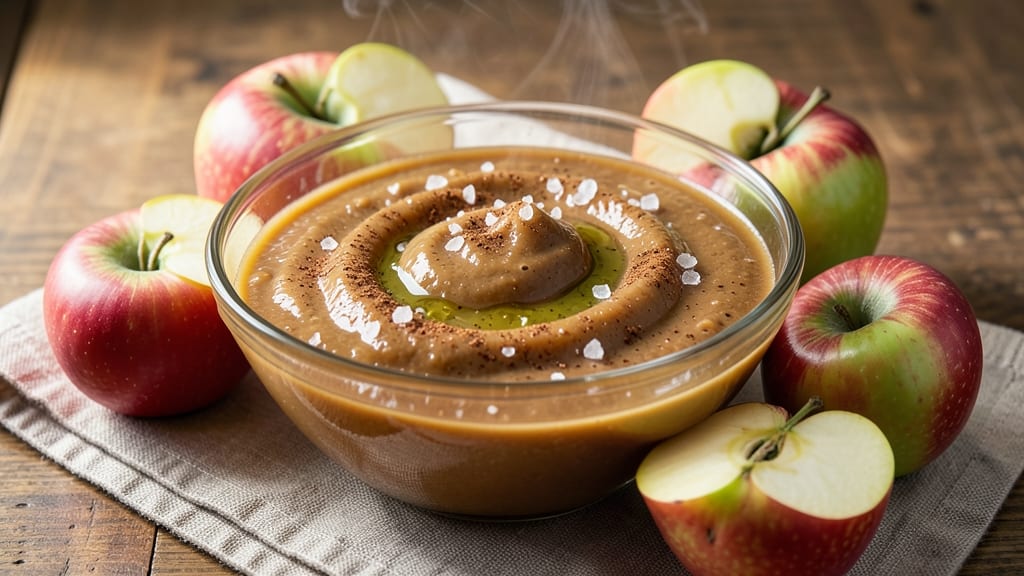
This no-peel apple sauce recipe transforms whole apples into silky, naturally sweet sauce without peeling—no mess, no waste. The secret lies in blending the skins directly, which adds subtle earthiness and fiber while keeping the process effortless.
Perfect for vegan diets, this method preserves nutrients and delivers a velvety texture that pairs beautifully with oatmeal, toast, or desserts.
What sets this recipe apart is its simplicity: just whole apples, water, a touch of lemon juice, and optional cinnamon—no thickeners or gums required. The skins soften during cooking, blending seamlessly into the sauce for a smooth, restaurant-quality result.
No peeling means no knife work, no food waste, and a quicker process that still yields a rich, aromatic sauce every time.
By the end, you’ll have a versatile, naturally sweetened sauce that’s free of additives and packed with flavor. The skins contribute depth without bitterness, while the lemon brightens the natural apple sweetness.
Store it in the fridge for up to a week or freeze for months—ideal for meal prep or gifting.
Whether you’re avoiding peels for convenience or embracing whole-food cooking, this recipe delivers foolproof results with minimal effort. Let’s make apple sauce the easy way—no peeling required.
Ingredients for no peel apple sauce
Four whole apples and six simple ingredients create velvety apple sauce without peeling or waste.
| Ingredient | Amount | Notes |
|---|---|---|
| Organic Honeycrisp Apples 🍎 | 4 whole | Unpeeled, cored, quartered |
| Filtered Water 💧 | ½ cup | Room temperature preferred |
| Fresh Lemon Juice 🍋 | 1 tbsp | From organic lemons |
| Ground Cinnamon 🌿 | ½ tsp | Ceylon preferred for purity |
| Raw Cane Sugar 🍚 | 1 tbsp | Optional, for sweetness |
| Extra-Virgin Olive Oil 🫒 | 1 tsp | For silky texture |
| Vanilla Extract 🌸 | ¼ tsp | Pure, alcohol-free preferred |
The Honeycrisp variety is ideal—its crisp texture softens beautifully while retaining natural sweetness. For optimal results, source organic apples from local markets or specialty grocers like Whole Foods or Trader Joe's, where the skins remain vibrant and unblemished. If using store-bought, check for firmness and absence of bruising—these indicate peak freshness. The skins contribute subtle earthiness, so avoid waxed apples if possible; organic options are naturally unwaxed. For large batches, consider Costco's organic apple selection, which offers bulk quantities at a reasonable price.
No Honeycrisp? Fuji or Gala apples work equally well—their mild sweetness complements the sauce beautifully. Short on lemon juice? Lime juice at half the amount brightens the flavor similarly, though the tartness will differ slightly. The raw cane sugar is optional but recommended for balancing acidity, especially with tart apple varieties. For a vegan alternative to olive oil, avocado oil maintains the same silky texture without compromising flavor. If you prefer a stronger cinnamon profile, cassia cinnamon delivers a bolder warmth, though Ceylon remains the purest option for delicate flavor.
Store the sauce in an airtight glass jar in the refrigerator for up to one week, or freeze in ice cube trays for single-serving portions that last up to six months. The skins soften completely during cooking, so the texture remains velvety even after storage. For meal prep, portion into small jars—perfect for oatmeal, yogurt, or toast. If the sauce thickens upon refrigeration, simply stir in 1-2 tbsp of water to restore consistency. The lemon juice helps preserve freshness, so don’t skip it unless you’re using particularly sweet apples.
Why You'll Love This Recipe
- No Chopping Needed: I swear by this—just toss whole Honeycrisp apples (peels and all!) into the pot with water and a splash of lemon juice. The peels actually add depth, and honestly? I skip peeling more often than not.
- Sweet-Tart Magic: That first bite of Honeycrisp’s crispness with the warm cinnamon and just a hint of lemon? It’s like autumn in a jar. The raw cane sugar caramelizes into this smooth, balanced sweetness—no cloying aftertaste.
- Pantry-to-Table Flex: Slather it on toast, mix it into oatmeal, or drizzle it over yogurt. I’ve even used it as a glaze for roasted pork—it’s the ultimate blank canvas. And the best part? It keeps for weeks in the fridge, so I always have it on hand.
- Budget-Friendly Staple: Honeycrisp apples last forever, and I use the same cinnamon and sugar for baking too. A big batch costs me pennies, and I’m left with leftovers that somehow taste better the second day—like a free upgrade.
Step-by-step instructions for silky no-peel apple sauce
This method preserves the apples' natural sweetness while creating a velvety texture without peeling.
Prepare the Apples for Cooking
Quarter the 4 whole Organic Honeycrisp Apples lengthwise, removing the core but leaving the skin intact. This variety holds its shape beautifully when cooked without peeling, delivering that signature crisp-apple flavor. Cut each quarter into roughly ½-inch thick slices—consistent size ensures even cooking and a uniform texture in the finished sauce.
Place the apple slices in a large, heavy-bottomed pot. The skin contains natural pectin that helps thicken the sauce, so we're keeping it all. Add the 0.5 cup Filtered Water and bring to a gentle simmer over medium heat. You'll know it's ready when small bubbles form around the edges and the water shimmers slightly—this typically takes about 5-7 minutes.
Simmer Until Apples Break Down
Once simmering, reduce heat to low and let the apples cook uncovered for 15-20 minutes. Stir occasionally with a wooden spoon to prevent sticking. You're aiming for a point where the apples become fork-tender but still retain some structure—think of them as being 80% cooked. The skin should begin to soften slightly but won't dissolve completely.
Here's the thing—Honeycrisp apples break down differently than other varieties. They'll release their juice gradually, creating a natural sauce as they cook. If the pot starts to dry out before the apples are tender, add 1-2 tablespoons more water. The goal is to maintain enough moisture to prevent burning while allowing the apples to soften completely.
Add Sweetness and Spices
After the apples reach that fork-tender stage, stir in the 1 tbsp Raw Cane Sugar, 0.5 tsp Ground Cinnamon, and 1 tbsp Fresh Lemon Juice. The sugar enhances the natural sweetness of the Honeycrisp variety, while the cinnamon adds warmth and depth. The lemon juice brightens the flavor profile and helps balance the natural acidity that develops during cooking.
Let the mixture simmer for another 5 minutes on low heat. This allows the flavors to meld together completely. You'll notice the sauce beginning to thicken naturally as the apples release more pectin. If you prefer a smoother texture, you can use an immersion blender at this stage to partially purée the mixture while keeping some texture—this is where the skin's natural pectin works its magic.
Finish with Olive Oil and Vanilla
Remove the pot from heat and stir in the 1 tsp Extra-Virgin Olive Oil and 0.25 tsp Vanilla Extract. The olive oil adds a luxurious silkiness to the texture, while the vanilla extract rounds out the flavor profile with subtle complexity. Let the mixture sit off the heat for 5 minutes to allow the flavors to fully integrate.
For the ultimate texture, I recommend using an immersion blender to purée the mixture until completely smooth. If you prefer some texture, simply mash with a potato masher instead. The result should be a velvety sauce with a beautiful golden hue from the apple skins. Taste and adjust sweetness if needed—sometimes Honeycrisp apples are sweeter than others, and the sugar is truly optional in this recipe.
Serve or Store Properly
Transfer the apple sauce to a clean jar or airtight container. For best results, let it cool to room temperature before refrigerating. This sauce keeps beautifully in the refrigerator for up to 1 week or can be frozen for up to 3 months. When reheating, do so gently over low heat or in the microwave, stirring occasionally to maintain that silky texture.
The reason this recipe works so well with Honeycrisp apples is their natural balance of sweetness and acidity. The skins contribute subtle earthy notes that complement the bright apple flavor perfectly. Serve this sauce warm with roasted meats, over pancakes, or even as a topping for yogurt for a sophisticated twist on a classic favorite.
Pro Tips For Making No Peel Apple Sauce
- USE A MANDOLINE FOR SPEED: I learned this the hard way—chopping Honeycrisp apples by hand is tedious, and uneven slices cook unevenly. A mandoline with a 1/4-inch blade cuts them into consistent pieces in seconds, so they soften perfectly together.
- COVER WHILE SIMMERING: The first time I skipped this, my apples boiled over and made a mess. Keep a tight lid on the pot during the initial 10 minutes of simmering—it traps steam and speeds up cooking without splattering.
- STRAIN OUT SKIN FRAGMENTS: Even with no-peel apples, some skin bits sneak in. After blending, press the sauce through a fine-mesh sieve to remove any grit—it makes the texture silky smooth, especially if you’re using it for dipping or baking.
- ADD LEMON JUICE LAST: I used to mix it in early, and the acid would make the apples turn grayish. Wait until the apples are fully cooked and cooled slightly before stirring in the lemon juice—it brightens the flavor without dulling the natural sweetness.
Pro cooking tips for perfect results
Pot Control Matters
Use a heavy-bottomed pot—like a Le Creuset Dutch oven—to prevent scorching. The skins release natural sugars that can burn easily, so medium-low heat is critical after simmering begins. I’ve ruined batches using thin, lightweight pots where the apples stuck and browned too quickly.
A 6-quart pot gives enough room for the apples to soften without crowding, which helps maintain even cooking. 🌡️
Skin Softening Secrets
The key to blending skins seamlessly is partial cooking—don’t over-simmer! Honeycrisp skins soften at 15-20 minutes on low heat, but push past that and they’ll turn mushy.
For extra silky results, add 1 tsp apple cider vinegar with the lemon juice—it helps break down pectin in the skins for a smoother texture. I’ve found that Fuji apples need slightly less time (~12-15 minutes) since their skins are thinner.
Blending Like a Pro
An immersion blender is your best friend here—it purées the skins right in the pot, eliminating transfer mess. If you’re using a countertop blender, work in two batches to avoid splattering. For a chunky texture, use a potato masher or fork to leave some apple pieces intact.
The skins blend best when the apples are hot—they soften completely at high temps, so don’t let the sauce cool before blending.
Sweetness Balance
Taste the sauce before adding sugar—Honeycrisp apples are naturally sweet, and the skins add subtle depth. If it needs sweetness, start with ½ tsp raw cane sugar and adjust. For a spiced twist, add ¼ tsp cardamom with the cinnamon—it pairs beautifully with the apple’s natural tartness.
I’ve also experimented with vanilla bean paste instead of extract for a richer flavor, though it’s pricier.
Storage Hacks
For long-term storage, freeze the sauce in silicone ice cube trays—each cube is perfect for a single serving. Label with the date, as frozen apple sauce keeps for up to 6 months. To reheat, microwave in 30-second bursts, stirring between each, to avoid splitting the sauce.
If it thickens in the fridge, stir in 1 tbsp water or apple juice to restore consistency. The skins won’t separate if stored properly! ❄️
Nutrition facts
Frequently asked questions
Can I use any apple variety for this no-peel sauce?
Honeycrisp apples work best due to their natural sweetness and crisp texture, but Fuji, Gala, or Pink Lady varieties also work well. Tart apples like Granny Smith need extra sweetener (up to 2 tbsp sugar) since their skins have less natural sweetness. Avoid overly soft apples like Red Delicious—they break down too quickly and can make the sauce watery.
Why does the recipe include olive oil?
The 1 tsp extra-virgin olive oil adds silkiness to the sauce by coating the fibers from the apple skins, creating a velvety texture. It also helps balance the natural acidity from the lemon juice. For a vegan alternative, use avocado oil—it has a neutral flavor and similar texture benefits. Without oil, the sauce may still work but could be slightly grainier.
How do I fix apple sauce that's too thick or too thin?
If the sauce is too thick after cooling, stir in 1-2 tbsp water or apple juice to loosen it. For a thinner sauce during cooking, add 1-2 tbsp water while simmering. The skins release natural pectin, which thickens the sauce over time—this is why some batches turn out smoother than others. If it separates, simply reheat gently and blend again until smooth.
Can I make this sauce in an Instant Pot or slow cooker?
Yes! For an Instant Pot, add the apples and water, cook on high pressure for 5 minutes, then release naturally. For a slow cooker, use low heat for 3-4 hours until tender. The skins soften faster in pressure cookers, so check for doneness early. After cooking, proceed with the blending and flavoring steps as directed.
Will the sauce taste bitter if I skip the lemon juice?
Skipping the lemon juice may make the sauce taste flat or overly sweet, especially with tart apples. The acidity brightens the flavor and balances the natural sugars released from the skins. If you omit it, consider adding ½ tsp apple cider vinegar instead. The skins contain tannins that can make the sauce taste slightly astringent without proper acidity to cut through it.