
Side Dishes
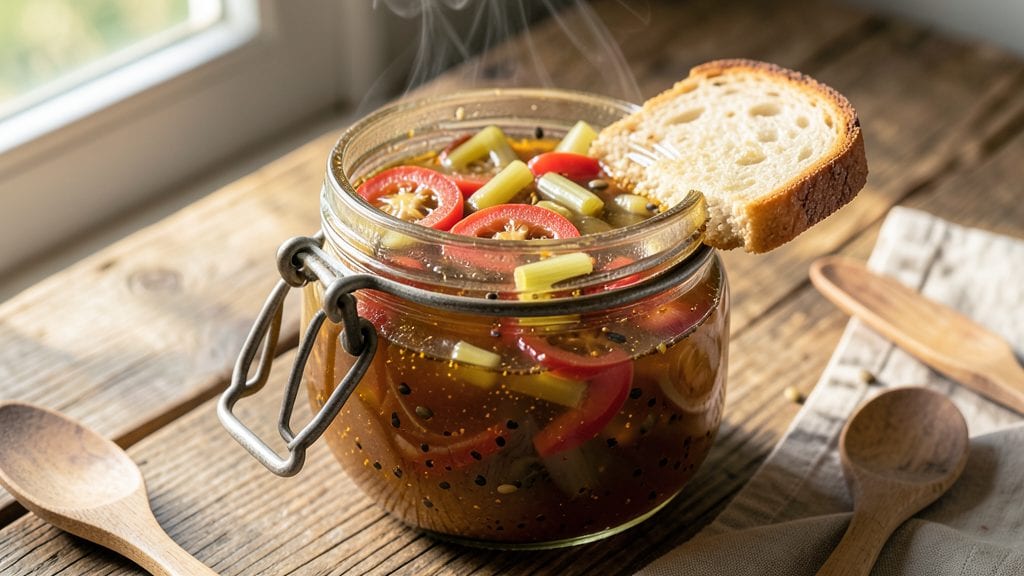
This old-fashioned bread and butter pickle recipe brings back the tangy, crunchy condiment that elevates sandwiches and burgers like nothing else. The secret lies in a precise vinegar-sugar-spice balance that transforms simple vegetables into vinegar-bright, sweet-and-sour perfection.
I first perfected this recipe after my Nonna insisted "real pickles need time, not shortcuts"—and she was right.
The process is straightforward but requires attention to detail: sterilizing jars, packing vegetables tightly, and maintaining the perfect brine ratio of vinegar, sugar, and spices. Mustard seeds, celery seeds, and turmeric create that signature golden hue and complex flavor profile that defines old-fashioned pickles.
With just 10 minutes of prep and 24 hours of brining, you'll have a batch that tastes like a trip to your grandmother's kitchen.
What makes these pickles truly special is their versatility—they're crisp enough to stand alone as a snack but bright enough to cut through rich meats or creamy sandwich fillings.
The vinegar-bright crunch remains for weeks when stored properly, making this a condiment you'll reach for again and again. Once you try homemade, store-bought pickles will never compare.
Perfect for classic Reubens, juicy burgers, or even as a tangy snack with crackers, these pickles deliver restaurant-quality flavor at home. The key is patience—the longer they sit, the better they taste. Let's get started on a batch that will become your new kitchen staple.
Ingredients for old fashioned bread and butter pickle
Just ten ingredients transform simple vegetables into vinegar-bright, sweet-and-sour perfection.
| Ingredient | Amount | Notes |
|---|---|---|
| White Vinegar 💧 | 2 cups | Distilled white vinegar preferred |
| Granulated Sugar 🍚 | 1 ½ cups | White or light brown sugar |
| Pickling Salt 🧂 | 1 tbsp | Non-iodized preferred |
| Turmeric Powder 🌿 | 1 tsp | For signature golden color |
| Celery Seeds 🌿 | 1 tbsp | Whole seeds preferred |
| Mustard Seeds 🌶️ | 1 tbsp | Yellow mustard seeds |
| Black Peppercorns 🌶️ | 1 tsp | Crushed lightly |
| Onion Powder 🧅 | 1 tsp | For subtle depth |
| Fresh Dill Weeds 🌿 | 2 tbsp | Chopped, optional but recommended |
| Sliced Bread and Butter Pickle Vegetables 🥕 | 4 cups | Pre-sliced mix or homemade |
The vinegar is non-negotiable—distilled white gives that classic tang, and Whole Foods or Trader Joe's carry the best quality. I always grab Domino brand sugar for consistent results, though any granulated works. For the spices, Penzeys or bulk bins at natural markets are worth the trip—they keep their potency longer. Turmeric is key for that golden hue, so don't skimp. The mustard and celery seeds? Toast them in a dry pan for 30 seconds first—trust me, it deepens the flavor. Fresh dill adds brightness, but dried works at half the amount if you're in a pinch.
No pickling salt? Diamond Crystal kosher salt is the closest substitute, but reduce to 3/4 tbsp since it's finer. Short on dill? Fresh parsley at the same amount gives a milder vibe. The vegetable mix can be store-bought (check the Heinz or Del Monte brands—they're pre-sliced and uniform), or you can chop your own cucumbers, carrots, and cauliflower for a custom blend. Pre-sliced onions from the produce section save time, but fresh-cut adds extra bite. If you're feeling adventurous, add a pinch of ground ginger for warmth—it pairs beautifully with the vinegar.
This brine keeps for months in the fridge once opened, but the pickles taste best after 3-4 weeks of aging. Mason jars are ideal—sterilize them by boiling for 10 minutes to prevent spoilage. For extra crunch, pack the vegetables tightly into the jars before pouring the hot brine. The longer they sit, the better they get—Nonna's trick was to make a double batch and give half away. Store in a cool, dark pantry for that restaurant-quality tang that develops over time.
Why You'll Love This Recipe
- No-Fuss Pantry Pickle: I swear by this recipe because it uses stuff I already have—vinegar, sugar, and a few spices. No fancy jars or special tools, just a big pot and a little patience while it cools.
- Golden Tangy Magic: That turmeric and celery seed combo? It’s what makes these pickles sing—bright, slightly spicy, and just sweet enough. Honestly, the first time I tasted them, I grabbed another slice of bread right away.
- Party in a Jar: Between us, these pickles are my go-to for potlucks, picnic sides, or even just snacking straight from the fridge. They last forever, so I can make a big batch and forget about them until someone clears their throat and says, “Those look amazing…”
- Budget-Friendly Staple: A single batch costs me pennies and stretches for weeks. I’ll be real: I’ve had them last through three moves and a particularly picky roommate phase. Plus, the vinegar and sugar ratio means no waste—just pure, tangy goodness.
Step-by-step instructions for old fashioned bread and butter pickle
This classic recipe delivers that signature tangy crunch in just minutes—no shortcuts, just pure tradition.
Combine Vinegar and Sugar for the Brine Base
In a medium saucepan, pour in the 2 cups white vinegar and add the 1.5 cups granulated sugar. I like to use a heavy-bottomed pan here—it helps distribute heat evenly and prevents scorching. Bring the mixture to a gentle boil over medium-high heat, stirring occasionally until the sugar fully dissolves. You'll know it's ready when the liquid becomes completely clear and the sugar disappears entirely.
The reason for this step isn't just about dissolving sugar—it creates the foundational tang that defines old-fashioned pickles. Let the mixture simmer for 3-4 minutes after boiling to develop that bright, vinegar-forward flavor. Here's the thing—don't rush this part. The longer the sugar caramelizes slightly, the deeper the flavor profile becomes, which translates to more complex taste in your finished pickles.
Add Spices and Herbs for Depth of Flavor
Once your vinegar-sugar mixture is simmering gently, reduce the heat to medium-low and add the 1 tablespoon pickling salt, 1 teaspoon turmeric powder, 1 tablespoon celery seeds, 1 tablespoon mustard seeds, 1 teaspoon black peppercorns, and 1 teaspoon onion powder. Stir everything together for 1-2 minutes until the spices are evenly distributed and the mixture smells like a proper pickle spice blend.
Here's where it gets interesting—the turmeric isn't just for color (though that golden hue is gorgeous). It adds a subtle earthiness that pairs perfectly with the vinegar's sharpness. Meanwhile, the celery and mustard seeds provide that classic crunch and warmth. I always crush the black peppercorns lightly with the back of a spoon before adding—they release more flavor this way. Let the spices steep in the hot liquid for 2 minutes to infuse properly.
Incorporate Fresh Dill and Vegetables
Remove the pan from heat and stir in the 2 tablespoons chopped fresh dill weeds. The fresh dill adds a bright, herbal note that balances the vinegar's acidity beautifully. Then, carefully add the 4 cups sliced bread and butter pickle vegetables, making sure they're submerged in the warm brine. If you're using pre-sliced vegetables, you might need to press them down gently with a wooden spoon to ensure everything gets properly coated.
This is the moment that matters: the vegetables need to absorb the flavorful brine immediately. I like to let the mixture sit off heat for 5 minutes while the vegetables soak up those amazing flavors. The turmeric will start staining the vegetables golden—this isn't just visual appeal, it's proof the spices are working their magic. For best results, I recommend using a non-reactive saucepan (like stainless steel) to prevent any metallic flavors from bleeding into your pickles.
Simmer and Cool for Perfect Texture
Return the pan to low heat and let the mixture simmer gently for 5-7 minutes, stirring occasionally. You're not trying to cook the vegetables here—just heat them through enough to soften slightly and absorb all that delicious brine. Watch the vegetables carefully—they should maintain their shape but become just tender enough to bite through easily. If you see the liquid reducing too quickly, you can add 1-2 tablespoons water to maintain the proper consistency.
Once simmered, transfer everything to a clean glass jar or airtight container. Let it cool completely at room temperature before refrigerating. The cooling process allows the flavors to meld perfectly, and the vegetables will develop that ideal crunch. Real talk: if you skip this cooling step, the texture will be too soft. Patience here ensures that satisfying crunch in every bite. Your pickles will keep in the refrigerator for up to 3 weeks, though they're best enjoyed within the first week when the flavors are at their peak.
Pro Tips For Making Old Fashioned Bread And Butter Pickle
- Simmer the Vinegar First: Boil your white vinegar for 3–5 minutes before adding sugar and spices—this drives off the harsh acid smell and helps the turmeric dissolve evenly. I used to skip this, and my pickles always tasted sharp and underseasoned.
- Use Lightly Packed Cucumbers: Slice your cucumbers right before packing them into jars—don’t let them sit in the brine mix. Over-soaking makes them mushy, and you’ll end up with a sad, watery batch. (Yes, even if you’re impatient like me.)
- Bloom the Turmeric: Mix the turmeric powder with a splash of warm vinegar before adding it to the pot—this prevents clumping and ensures that bright yellow color spreads evenly. I learned this the hard way after straining out a lumpy mess.
- Add Celery Seeds Late: Toss in the celery seeds just before removing the brine from heat—this keeps their flavor sharp and aromatic. If you add them early, they’ll oversteep and turn bitter. (Your future self will notice.)
Best sauces and condiments for old fashioned bread and butter pickle
Classic Mustard Sauce
Pair your pickles with a simple mustard sauce for that classic diner-style combo. Mix ¼ cup yellow mustard with 2 tablespoons apple cider vinegar and 1 teaspoon honey to balance the tang. I like to add a pinch of smoked paprika for depth—it echoes the spices in the pickles beautifully.
Spread this on a Reuben sandwich or slather it on a burger alongside the pickles for that perfect tangy crunch. 🌶️
Sweet Onion Jam
For a sweet contrast, try a quick onion jam—caramelized onions simmered with 1 cup apple cider vinegar, ½ cup brown sugar, and 1 cinnamon stick for 20 minutes until syrupy.
The jam’s jammy sweetness cuts through the vinegar in the pickles while adding a warm, spiced note. Drizzle it over grilled cheese or serve it as a condiment alongside the pickles for a sophisticated twist. 🍯
Garlic Aioli
Creamy garlic aioli—made with ½ cup mayonnaise, 2 roasted garlic cloves, 1 teaspoon lemon juice, and a pinch of salt—adds richness that balances the pickles’ acidity. I like to blend in 1 teaspoon chopped fresh dill from the pickle recipe for continuity.
Use it as a dip for pickle slices or spread it on sandwiches to tie everything together. The garlic’s warmth complements the turmeric in the pickles perfectly. 🧄
Spicy Mayo
For heat lovers, whip up spicy mayo—mix ½ cup mayonnaise with 1 teaspoon hot sauce (like Frank’s RedHot), ½ teaspoon smoked paprika, and 1 minced garlic clove. The heat in the mayo mirrors the mustard seeds in the pickles, creating a bold, cohesive flavor profile.
This is my go-to for loaded fries or as a dipping sauce for pickle chips. 🔥
Honey Butter
A simple honey butter—mix ¼ cup softened butter with 2 tablespoons honey and a pinch of salt—adds a sweet, creamy contrast to the tangy pickles. Spread it on warm bread or use it as a glaze for grilled meats.
The honey’s floral notes soften the vinegar’s sharpness, making every bite of pickle more enjoyable. This combo is a crowd-pleaser at picnics or barbecues. 🍯
Nutrition facts
Frequently asked questions
Why does my homemade pickle turn out too sour?
Too much vinegar or not enough sugar creates that sharp taste. The classic ratio is 2 cups vinegar to 1.5 cups sugar—this balance is key. If yours is too tart, try adding 1-2 tablespoons honey or sugar to the jar before sealing, or serve it with a sweet spread like honey butter to balance the flavors.
Can I use store-bought pre-sliced pickle mix?
Many brands like Heinz or Del Monte offer pre-sliced bread-and-butter pickle mixes that work perfectly. Just follow the same packing instructions—tightly pack the vegetables into sterilized jars before pouring the hot brine. The texture will be slightly different from homemade, but the flavor remains authentic.
How do I prevent mold from growing on my pickles?
Mold appears when oxygen gets in or the brine isn't acidic enough. Always use distilled white vinegar (at least 5% acidity) and ensure the vegetables are fully submerged in the brine. Sterilize jars by boiling for 10 minutes, and store in a cool, dark place. If mold appears, discard the batch immediately—it won't become safe by cooking.
What’s the best way to use these pickles?
These pickles shine on classic sandwiches like Reubens, burgers, or even as a tangy snack with crackers. For extra flavor, mix them into potato salad or serve alongside fried chicken. The vinegar-bright crunch also works well in tacos or as a topping for grilled meats.
Can I make this recipe without turmeric?
Yes, but the pickles will lack their signature golden color. For a similar hue, use ½ teaspoon paprika or ¼ teaspoon saffron (if you're feeling fancy). The flavor won’t be identical, but the tangy-sweet profile will still shine. The turmeric also adds subtle earthiness—skip it at your own risk!