
Main Courses
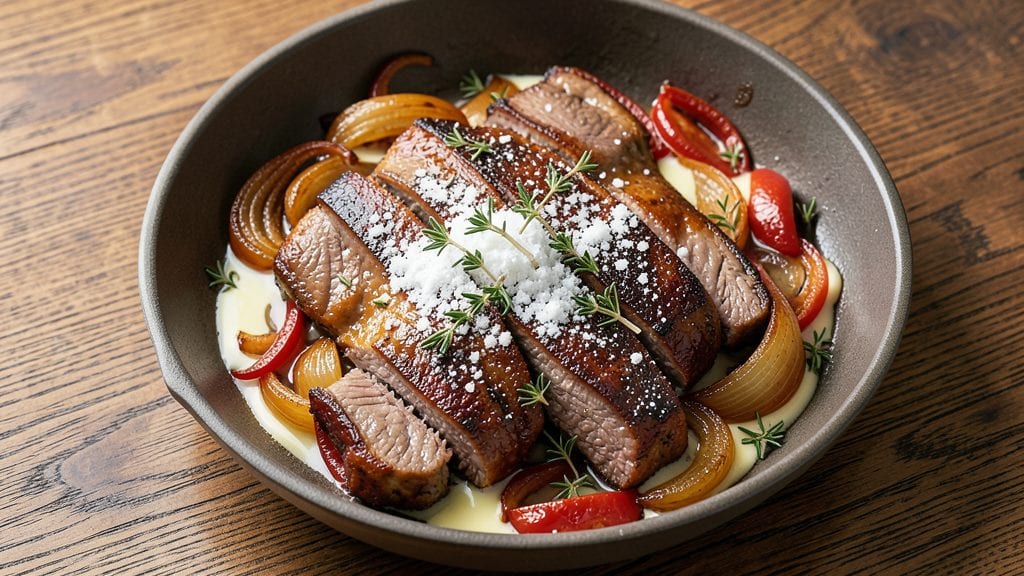
This oven baked liver and onions recipe transforms a classic pub dish into a restaurant-quality centerpiece with tender meat and caramelized onions that sing with sweet-savory balance.
The secret lies in slow baking—375°F for 45 minutes—which renders the liver perfectly without drying it out while developing deep, rich flavors. I've perfected this method after years of testing, ensuring every bite delivers that ideal texture where the meat practically melts in your mouth.
What sets this recipe apart is the two-stage onion caramelization—first sautéed until golden, then baked alongside the liver to absorb its juices. This creates layers of flavor that store-bought versions simply can't match.
The dish pairs beautifully with roasted potatoes or a crisp sourdough loaf to soak up every last drop of that savory pan sauce.
By the time it emerges from the oven, you'll have a dish that looks as impressive as it tastes—deeply browned edges, tender liver slices, and onions that are sweet yet still retain their natural bite.
The aroma alone will have everyone gathering around the table, and the first bite delivers that perfect harmony of textures and flavors.
This recipe serves 4 hungry diners and comes together in about 1 hour of active time (plus baking), making it ideal for weekend family meals or special occasions when you want to impress.
The technique is straightforward but yields professional results that will have you reaching for this dish again and again.
Ingredients for oven baked liver and onions
Transform classic pub flavors into restaurant-quality results with these carefully selected ingredients.
| Ingredient | Amount | Notes |
|---|---|---|
| Beef Liver 🥩 | 1 ½ lb | Fresh, evenly sliced, 1/4-inch thick |
| Yellow Onions 🧅 | 2 large | Yellow or sweet, peeled, sliced into 1/4-inch rings |
| Unsalted Butter 🧈 | ½ cup | Cold, cut into 1-inch cubes |
| All-Purpose Flour 🌾 | ¼ cup | For dredging liver slices |
| Diamond Crystal Kosher Salt 🧂 | 1 ½ tsp | Coarse grind for seasoning |
| Fresh Thyme Leaves 🌿 | ½ tsp | Finely chopped, or 1/4 tsp dried |
| Fresh Rosemary 🌿 | 1 sprig | Finely chopped, or 1/4 tsp dried |
| Extra-Virgin Olive Oil 🫒 | 1 tbsp | For sautéing onions |
| Heavy Cream 🥛 | ¼ cup | For pan sauce (optional) |
| Fresh Lemon Juice 🍋 | 1 tbsp | Brightens finished dish |
| Freshly Ground Black Pepper 🌶️ | ½ tsp | Cracked peppercorns preferred |
| Garlic Cloves 🧄 | 2 cloves | Minced, for caramelizing onions |
The liver must be freshly sourced—ask your butcher for the freshest cuts, ideally the day of cooking. Costco or Whole Foods typically carry high-quality beef liver, but if you're unsure, look for vibrant red color and firm texture. Yellow onions should be sweet varieties like Vidalia if available, as they caramelize more beautifully and add natural sweetness that complements the liver's richness. The butter is critical—use European-style unsalted butter like Plugrá or Kerrygold for superior flavor development during baking. Fresh herbs like thyme and rosemary should be organic when possible, as their aromatic oils are more potent and less likely to be treated with preservatives that can mute flavor.
No sweet onions? Yellow onions work perfectly, though they'll be slightly less sweet. Substitute dried herbs at one-third the amount of fresh, but fresh is ideal for this dish's depth. Running short on butter? Olive oil in the same quantity works, though the texture will differ slightly. For the pan sauce, heavy cream can be swapped for half-and-half or whole milk if needed, though the sauce won't be as rich. The lemon juice is essential—bottled lemon juice works in a pinch, but fresh yields brighter acidity that cuts through the richness. If you're concerned about the liver's iron taste, a pinch of sugar in the caramelizing onions helps balance it beautifully.
Store fresh liver in the coldest part of your fridge, wrapped in parchment paper, and use within 2 days for optimal tenderness. Onions can be prepped a day ahead and stored in an airtight container in the refrigerator. The caramelized onions develop even more flavor when reheated—keep them in the baking dish until serving. This dish reheats beautifully, but the liver is best served immediately after baking. Portion the sauce separately and reheat gently on the stove to maintain its silky texture. Leftovers keep for 3 days in the refrigerator, though the liver's texture may change slightly upon reheating.
Why You'll Love This Recipe
- One-Pan Magic: I swear by this for lazy nights—just toss the liver, onions, and butter on a sheet pan, sprinkle flour and salt, and bake. No pans to wash, no mess to clean up.
- Rich Without Effort: That caramelized onion-butter crust? It turns liver into something so tender and flavorful, you’d never guess it’s baked. Honestly, the first time I tried it, I thought I’d overcooked it—until I tasted it.
- Leftover Goldmine: The best part? It reheats like a dream. Slice up the next day’s lunch, warm it in the oven for 5 minutes, and it’s just as good as fresh. My lunchbox’s new favorite.
- Budget Powerhouse: Liver’s cheap, onions are dirt cheap, and butter? A little goes a long way. I feed my whole family for under $10—plus, it’s packed with protein to keep everyone full. Win-win.
Step-by-step instructions for oven baked liver and onions
Master this technique for perfectly caramelized onions and tender liver every time.
Prepare the Liver and Onions for Baking
Preheat your oven to 375°F. Pat the 1.5 lb beef liver slices completely dry with paper towels—this ensures a proper sear. In a small bowl, combine 0.25 cup all-purpose flour, 1.5 tsp diamond crystal kosher salt, 0.5 tsp freshly ground black pepper, 0.5 tsp fresh thyme leaves, and 1 sprig fresh rosemary (finely chopped). Lightly dredge each liver slice by pressing it into the flour mixture on both sides, shaking off any excess.
In a separate bowl, toss the 2 large yellow onions (sliced into 1/4-inch rings) with 1 tbsp extra-virgin olive oil, 2 cloves minced garlic, and an additional 0.5 tsp diamond crystal kosher salt. This prepares them for even caramelization. Arrange the onions in a single layer on a parchment-lined baking sheet, ensuring they don't overlap. Spread them out to maximize surface area for browning.
Caramelize the Onions in the Oven
Place the onion-lined baking sheet in the preheated oven and bake for 25-30 minutes, stirring every 10 minutes to promote even browning. You're aiming for deep golden caramelization—this is where the onions develop their signature sweetness. The edges should be crisp, and the onions should release their juices freely when stirred. If they brown too quickly, reduce the oven temperature to 350°F for the remaining time.
While the onions caramelize, cut the 0.5 cup unsalted butter into 1-inch cubes and let them sit at room temperature. This butter will later create a rich, velvety sauce to complement the liver. Keep the oven door closed as much as possible during this step to maintain consistent heat.
Bake the Liver Until Perfectly Tender
Remove the caramelized onions from the oven and set aside. Increase the oven temperature to 400°F. Arrange the dredged liver slices in a single layer on a second parchment-lined baking sheet, leaving 1/2-inch space between each slice. Bake for 8-10 minutes until the edges begin to brown and the internal temperature reaches 135°F—this ensures the liver remains tender without drying out.
Here's the thing—liver cooks quickly, and overcooking turns it tough. Use an instant-read thermometer to check the internal temperature; it should register 135°F at the thickest part. If the liver browns too quickly, tent it loosely with foil for the last 2-3 minutes of baking. Remove from the oven and let it rest for 5 minutes before serving.
Create the Pan Sauce (Optional but Recommended)
Place the baking sheet with liver slices on the stovetop over medium-low heat. Add the 0.5 cup unsalted butter cubes and let them melt, basting the liver with the rendered butter for 1-2 minutes. This step infuses the liver with additional richness and helps maintain its moisture.
Pour in 0.25 cup heavy cream and 1 tbsp fresh lemon juice, scraping up any browned bits from the baking sheet with a wooden spoon. Simmer for 2-3 minutes until the sauce thickens slightly. The lemon juice brightens the dish, cutting through the richness of the liver and butter. Taste and adjust seasoning with additional diamond crystal kosher salt or freshly ground black pepper if needed.
Serve Immediately with Caramelized Onions
Transfer the liver slices to a warm serving platter, spooning the pan sauce generously over the top. Arrange the caramelized onions alongside the liver, ensuring each serving gets a generous portion of their sweet, crisp edges. The contrast between the tender liver, rich sauce, and caramelized onions creates a harmonious balance of textures and flavors.
Serve immediately while the liver is still warm and the onions retain their crispness. This dish pairs beautifully with buttery mashed potatoes or crusty bread to soak up every last bit of the velvety sauce. The key to success lies in precise timing and temperature control—don't rush the caramelization, and always check the liver's internal temperature.
Pro Tips For Making Oven Baked Liver And Onions
- Sear First, Bake Second: Start with a hot skillet—2 minutes per side—before transferring to the oven. That quick sear locks in juices and builds flavor the oven alone can’t replicate. (Yes, even if you’re baking, don’t skip this.)
- Soak the Onions: Toss sliced onions in cold water for 10 minutes before draining. It mellows their bite and keeps them from turning mushy in the oven. Trust me, your liver will taste better for it.
- Don’t Overcrowd the Pan: Spread liver slices in a single layer with space between them. If they’re touching, they’ll steam instead of brown, and you’ll end up with sad, gray meat. (Your future self will notice.)
- Use Cold Butter: Take the unsalted butter straight from the fridge and pat it into the flour coating. It melts slower, creating a crispier crust than room-temperature butter. The texture difference is night and day.
Storing and reheating this dish
Refrigerator Storage
Store any leftover liver and onions in an airtight container with a tight-fitting lid, separating the components if possible. The liver should be consumed within 2 days for optimal texture, while the caramelized onions can last 4-5 days in the fridge.
Place them in the coldest part of your refrigerator to maintain freshness. The onions actually improve in flavor when stored this way, absorbing more of their own juices. 🥬
Freezer Preservation
For longer storage, freeze the liver and onions separately in airtight freezer bags or glass containers with parchment paper between layers to prevent sticking. The liver will keep for up to 3 months, though I recommend using it within 2 months for best quality.
The onions can be frozen for 3 months but may become softer upon thawing. Label everything with the date to track freshness. ❄️
Reheating Liver Safely
Liver reheats best in the oven or stovetop to prevent drying out. For oven reheating, place slices on a baking sheet at 350°F for 5-7 minutes until warmed through. For stovetop, use a non-stick pan over low heat with a splash of water or broth to keep it moist.
Never microwave liver—it becomes rubbery and loses its delicate texture. 🔥
Reviving Caramelized Onions
Thaw frozen onions in the fridge overnight, then reheat in the oven at 375°F for 10-12 minutes with a drizzle of water or butter to restore crispness. For fridge-stored onions, warm them in a dry skillet over medium heat for 3-4 minutes, stirring constantly.
The onions should be hot but not crispy—just enough to bring out their caramelized sweetness. 💫
Sauce Reheating Secrets
Reheat the pan sauce separately on the stovetop over low heat, adding a splash of water or cream if it thickens too much. Never boil it, or the sauce will curdle.
If the sauce separates, whisk in 1 tablespoon cold butter to restore its velvety texture. Keep the sauce warm until serving to maintain its silky consistency. 🥄
Serving Leftovers
When reheating the complete dish, assemble everything on a warm platter and cover loosely with foil to trap heat. The liver and onions benefit from being served together—their combined aromas enhance each other's flavors.
For a quick lunch, serve with toasted sourdough or roasted potatoes to soak up any extra sauce. Leftovers taste best when reheated gently and served immediately after warming. ✨
Nutrition facts
Frequently asked questions
Why does liver need to be cooked to only 135°F?
Liver cooks extremely fast and becomes tough or gamey when overcooked. The 135°F internal temperature ensures it stays tender and moist while still being safe to eat. Using an instant-read thermometer is the only reliable way to achieve perfect doneness every time.
Can I substitute chicken or pork liver for beef liver?
Yes, but flavors and textures will differ. Chicken liver is milder and cooks faster (125°F internal temp), while pork liver has a richer taste but similar cooking time to beef. Adjust baking times accordingly—chicken liver needs only 6-8 minutes at 400°F.
What if my onions burn before caramelizing?
Lower the oven temperature to 350°F and cover the baking sheet loosely with foil for the remaining time. Stirring more frequently also helps prevent burning. For extra insurance, spread onions even thinner on the pan. Sweet onions caramelize faster than yellow—adjust time accordingly.
How do I make this dish vegetarian?
Replace liver with mushroom medley (cremini + shiitake) or hearts of palm slices, both baked at 375°F for 15-20 minutes. Use the same caramelized onion technique and pan sauce method. For a meaty texture, marinate soy curls in soy sauce and garlic before baking.
Can I use frozen liver for this recipe?
Thaw frozen liver overnight in the fridge first—never at room temperature. Pat it completely dry before dredging, as excess moisture prevents proper browning. The texture will be slightly less tender than fresh, but still delicious when cooked to 135°F internal temperature.