
Main Courses
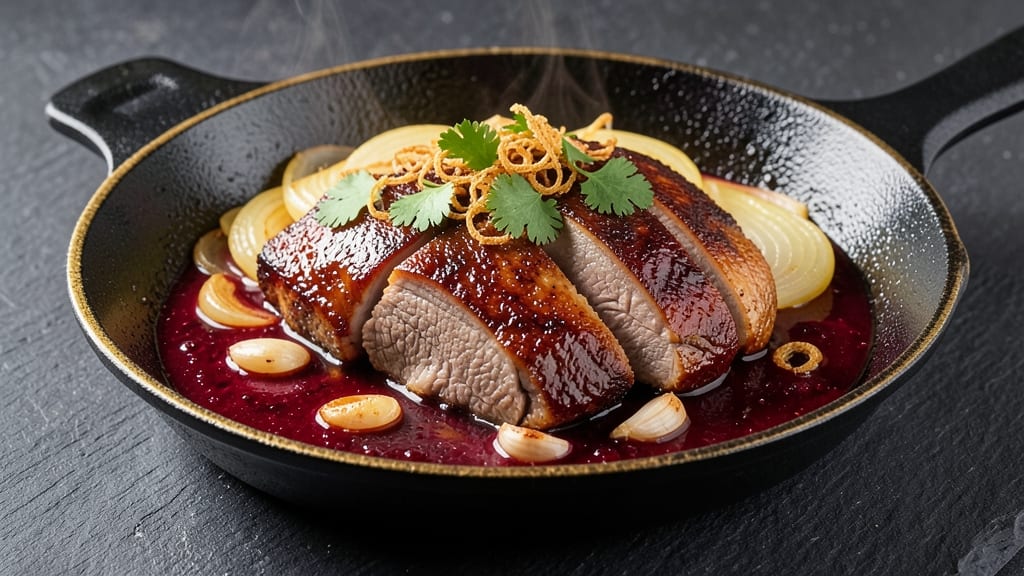
This pork estofado recipe with pineapple juice transforms tough pork into melt-in-your-mouth tenderness with a perfect balance of sweet and savory flavors. The secret lies in slow-braising pork shoulder with aromatic vegetables and a touch of pineapple juice that tenderizes the meat while adding a bright, tropical depth.
I first discovered this technique while adapting traditional Latin American recipes for modern kitchens—it’s become a family favorite for its rich, comforting flavors and impressive restaurant-quality results at home.
The process begins with searing thick-cut pork to develop a deep, caramelized crust, followed by deglazing the pan with wine and broth to create a flavorful base.
As the dish simmers for hours, the pork absorbs the aromatic blend of garlic, cumin, and bay leaves, while the pineapple juice gently breaks down the fibers for irresistible tenderness.
This isn’t just another braised pork dish—it’s a celebration of Latin American comfort food with a twist that makes it feel fresh and exciting.
By the time you serve it, you’ll have a dish that’s impossibly tender, with pork that falls apart at the touch of a fork and a sauce thickened just enough to coat every bite.
The pineapple adds a subtle sweetness that cuts through the richness, while the vegetables—like potatoes and carrots—soak up all the flavors. It’s the kind of meal that feels special enough for company but simple enough for a weeknight dinner.
Pair it with fluffy white rice and crispy fried plantains for the full experience, or serve it over mashed potatoes for a heartier option. The leftovers reheat beautifully, making it perfect for meal prep. Let’s get cooking—this estofado is about to become your new go-to recipe for slow-cooked perfection.
Ingredients for pork estofado recipe with pineapple juice
Here’s what you’ll need for this restaurant-quality pork estofado with bright pineapple sweetness.
| Ingredient | Amount | Notes |
|---|---|---|
| Pork Shoulder 🥩 | 3 lb | Bone-in, thick-cut for tenderness |
| Red Wine 🍷 | 1 cup | Bold, dry variety like Cabernet |
| Pineapple Juice 🍍 | ½ cup | Freshly squeezed preferred |
| Chicken Broth 💧 | 2 cups | Low-sodium preferred |
| Yellow Onion 🧅 | 1 whole | Diced, about 1.5 cups |
| Garlic Cloves 🧄 | 6 cloves | Minced for aromatic depth |
| Russet Potatoes 🥔 | 2 lb | Cut into 1-inch chunks |
| Carrots 🥕 | 1 ½ lb | Whole, halved lengthwise |
| Ground Cumin 🌿 | 1 ½ tbsp | Toasted for richer flavor |
| Bay Leaves 🌿 | 2 whole | Fresh preferred |
| Olive Oil 🫒 | ½ cup | Extra-virgin for richness |
| Salt 🧂 | 2 tsp | Kosher or sea salt |
| Black Pepper 🌶️ | 1 tsp | Freshly ground preferred |
| Fresh Oregano 🌿 | ¼ cup | Chopped, or 1 tbsp dried |
| Tomato Paste 🍅 | 2 tbsp | Squeeze tube preferred |
The pork shoulder is the star—look for bone-in cuts at Whole Foods or your local butcher for extra flavor. Costco often has great prices on larger cuts, but any grocery store carries it. The pineapple juice should be fresh (the canned stuff lacks brightness), and if you can’t find it, blend frozen pineapple chunks with water. For the wine, any bold red works—Cabernet, Merlot, or even a cheap Malbec. The broth matters too: low-sodium so you control the saltiness, and chicken broth keeps it authentic to Latin American traditions.
No red wine? Substitute with extra broth plus 1 tbsp balsamic vinegar—it mimics the depth. Fresh oregano is ideal, but dried works at one-third the amount. The tomato paste can be skipped if you’re short, but it adds that rich, umami backbone. For the potatoes and carrots, Russets and rainbow carrots hold up best to long cooking, but any starchy potato or orange carrot will work. If you’re prepping ahead, par-cook the veggies for 10 minutes to speed up the braising time later.
This dish tastes even better the next day—plan ahead. The pork stays tender for 4-5 days in the fridge, and the sauce thickens beautifully. For leftovers, reheat gently with a splash of broth to prevent drying. Store in airtight containers, and the veggies will keep their texture. Freezing isn’t ideal for the potatoes (they get mushy), but the pork and sauce freeze well for up to 3 months. Double the batch if you can—it’s the kind of meal that disappears fast.
Why You'll Love This Recipe
- One-Pot Magic: I swear by this recipe when I’m too tired to wash dishes. Toss everything—pork, onions, wine, even the pineapple juice—into one pot, and let it slow-cook. No chopping boards left in the sink, no pan to scrub. Just rich, sticky goodness with zero fuss.
- Sweet-Savory Balance: That pineapple juice does something wild to the pork—tenderizes it while adding a bright, tangy kick that cuts through the wine’s depth. It’s like a hug for your taste buds: hearty and familiar, but with a surprise twist that makes it unforgettable.
- Weeknight to Dinner Party: I make this for lazy Tuesday dinners, but it’s also the star of my holiday table. Serve it over rice for a casual meal or drizzle it over mashed potatoes for something fancier. The same effortless recipe just feels different depending on the plate.
- Budget-Friendly Leftovers: Pork shoulder stretches forever, and the flavors only get better the next day. I’ll often double the batch because reheating this is a dream—just warm it up, and it’s ready to feed the family again. Plus, using pantry staples like red wine and chicken broth keeps costs low without sacrificing taste.
Step-by-step instructions for pork estofado with pineapple juice
This rich, slow-cooked pork dish balances sweetness and savory depth perfectly—here's how to nail it.
Sear the Pork Shoulder for Deep Flavor
Pat the 3 lb pork shoulder completely dry with paper towels—this ensures maximum browning. Heat 0.5 cup olive oil in a large Dutch oven over medium-high heat until shimmering. Place the pork shoulder in the pot, fat-side down, and sear for 8-10 minutes until a deep golden crust forms. Flip and sear the other side for another 8-10 minutes.
Here's the thing—don't rush this step. You want that crust to develop fully, as it locks in juices and creates layers of flavor. If the oil starts smoking excessively, reduce the heat slightly. Once seared, remove the pork and set it aside on a plate.
Build the Aromatic Base
In the same Dutch oven, add 1 whole yellow onion (diced) and 6 cloves garlic cloves (minced). Cook over medium heat for 5-6 minutes until the onions soften and turn translucent. Stir in 2 tbsp tomato paste and cook for another 1 minute until it darkens slightly—this deepens the sauce's richness.
Add 1.5 tbsp ground cumin and 0.25 cup fresh oregano, stirring for 30 seconds to toast the spices and release their aromas. Pour in 1 cup red wine and scrape up any browned bits from the bottom of the pot—this is where all the flavor hides. Let the wine simmer for 3-4 minutes until reduced by half.
Braise with Pineapple Juice and Broth
Return the seared pork shoulder to the pot. Add 0.5 cup pineapple juice, 2 cups chicken broth, 2 whole bay leaves, 2 tsp salt, and 1 tsp black pepper. Bring to a gentle simmer, then reduce heat to low. Cover and cook for 2 hours, turning the pork occasionally to ensure even cooking and maximum tenderness.
I know it seems like a long wait, but this slow braising is what transforms tough pork into melt-in-your-mouth perfection. The pineapple juice adds just the right amount of sweetness to balance the savory depth of the wine and spices. If the liquid reduces too much before the pork is tender, add a splash of water or broth.
Add Vegetables for Hearty Texture
After the pork has braised for 2 hours, add 2 lb russet potatoes (cut into 1-inch chunks) and 1.5 lb carrots (halved lengthwise). Stir gently to submerge them in the cooking liquid. Cover and continue cooking for another 45-60 minutes, or until the pork is fork-tender and the vegetables are easily pierced with a knife.
Here's where the magic happens—the vegetables absorb all that rich, flavorful liquid, becoming tender and infused with the pork's savory essence. If the vegetables finish cooking before the pork, simply cover and let the pork continue cooking in the residual heat. The dish should be cohesive, with every bite delivering pork, potatoes, and carrots in perfect harmony.
Rest and Serve with Confidence
Once the pork is fork-tender (it should pull apart easily), remove it from the pot and let it rest on a cutting board for 10-15 minutes. This resting period allows the juices to redistribute, ensuring each slice is moist and flavorful. Skim any excess fat from the surface of the braising liquid, then return the pork to the pot and warm through for 2-3 minutes.
Serve the pork estofado family-style, letting everyone scoop up the tender pork, potatoes, and carrots with the fragrant sauce. The combination of sweet pineapple juice, rich red wine, and savory spices creates a dish that's both comforting and exciting. Pair it with crusty bread to soak up every last drop of that delicious sauce.
Pro Tips For Making Pork Estofado Recipe With Pineapple Juice
- Sear the Pork First: I learned this the hard way—skipping the sear means a dish that tastes more like broth than estofado. Get that pork shoulder deep brown in a hot pan before adding wine; the Maillard reaction here is non-negotiable. (Yes, even if you're impatient like me.)
- Use Fresh Pineapple Juice: Store-bought pineapple juice loses acidity and depth over time, and this dish needs that tang to cut through the richness. If you’re using canned juice, add a splash of lime or a pinch of citric acid—just enough to wake it up.
- Deglaze with Wine Twice: After browning the pork, pour in the red wine and let it bubble hard for 2 minutes. Then add the onions and scrape every last bit from the pan—those bits are flavor gold. Repeat the deglaze after cooking the onions; you’ll taste the difference.
- Simmer Low and Slow: This isn’t a race. Once everything’s in the pot, keep the heat at a gentle simmer—you’re melting pork, not boiling broth. If it’s bubbling hard, you’ll end up with shredded meat and a watery sauce. Cover it and let it work for at least 2 hours. (Your future self will thank you.)
Serving suggestions for leftovers
Rice Pairing Essentials
This dish practically begs for fluffy white rice to soak up all that rich, pineapple-infused sauce. I swear by jasmine rice for its delicate floral notes that complement the cumin and oregano in the estofado.
Cook 1 cup rice to 2 cups water with a pinch of salt, and let it steam uncovered for 10 minutes after the water absorbs. For extra flair, stir in 1 tbsp butter and 1 tbsp chopped parsley while still warm. 🥘
Crispy Plantain Sides
Sweet fried plantains add a tropical contrast to the savory pork. Slice 2 ripe plantains into ½-inch thick rounds and fry in ½ inch hot oil at 350°F for 3-4 minutes per side until caramelized. Toss with a pinch of salt and serve alongside the estofado.
For a healthier option, bake at 400°F for 15 minutes with a drizzle of olive oil. The natural sweetness of the plantains echoes the pineapple in the sauce beautifully.
Fresh Garnishes
Brighten the dish with fresh toppings that cut through the richness. I love scattering chopped cilantro and thinly sliced scallions over each serving just before eating. For a zesty kick, squeeze lime wedges on top—trust me, the acidity makes every bite sing.
If you want something crunchy, toast pumpkin seeds in a dry pan for 2-3 minutes and sprinkle them over the top for texture contrast.
Bread for Soaking
No estofado meal is complete without crusty bread to mop up that glorious sauce. I reach for Portland's famous Salt & Straw sourdough when I can, but any good artisan loaf works. Warm slices in the oven at 350°F for 5 minutes to make them extra tender.
For a Latin twist, serve with arepas—just mix 1 cup pre-cooked cornmeal, ½ cup water, and ½ tsp salt, then grill on a skillet until crispy.
Tropical Fruit Finish
Round out the meal with fresh fruit that complements the pineapple in the dish. A simple mango salad with lime and chili powder adds a refreshing contrast.
Slice 1 ripe mango into cubes, toss with 1 tbsp lime juice, ½ tsp chili powder, and 1 tbsp chopped mint. Serve chilled alongside the estofado for a palate-cleansing finish. The natural sweetness of the mango enhances the pineapple notes without overpowering the savory pork.
Cheese Option
If you want to add a creamy element, serve with queso fresco or cotija cheese crumbled over the top. The salty, crumbly texture contrasts perfectly with the tender pork and sweet sauce. I like to sprinkle it on just before serving so it doesn’t get soggy.
For a richer option, try Oaxaca cheese—it melts beautifully and adds a mild, buttery flavor that pairs wonderfully with the cumin and oregano in the dish.
Nutrition facts
Frequently asked questions
Can I substitute pineapple juice with another ingredient?
Yes! If you don't have pineapple juice, use ½ cup orange juice plus 1 tbsp honey for sweetness, or ½ cup apple cider for a milder flavor. The key is balancing the dish's sweetness—avoid skipping it entirely, as the acidity helps tenderize the pork. For a non-fruit option, try ½ cup tomato sauce instead.
How do I know when the pork is fully tender?
Use the fork test: The pork should pull apart easily with minimal resistance. If it still feels slightly firm, braise for another 30-45 minutes. The internal temperature should reach 203°F—this "rest temperature" ensures perfect tenderness. Don't overcook, or the meat will dry out.
Can I make this recipe in a slow cooker?
Brown the pork in a skillet first, then transfer it to the slow cooker with all ingredients. Cook on low for 7-8 hours or high for 4-5 hours. Add the vegetables during the last 1 hour of cooking. The slow cooker method is even more forgiving—just check the pork's tenderness before serving.
What's the best way to reheat leftovers?
Reheat gently in a skillet with 1-2 tbsp broth over low heat for 5-7 minutes to prevent drying. Avoid microwaving—it makes the sauce watery. For extra richness, add a splash of pineapple juice or red wine when reheating. Leftovers keep well for 4-5 days in the fridge.
Why does my sauce turn out too thin?
This usually happens if the liquid reduces too quickly. To fix it, stir in 1 tbsp cornstarch mixed with 2 tbsp cold water and simmer for 2-3 minutes. For prevention, reduce the broth slightly before adding the vegetables, or use ½ cup less liquid initially. The sauce should coat the back of a spoon but remain spoonable.