
Main Courses
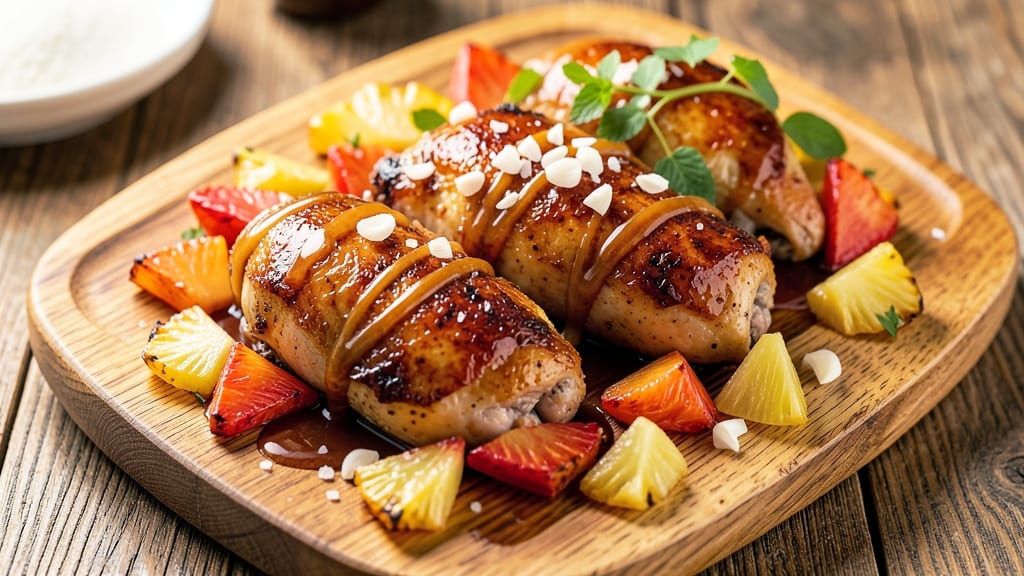
This oven baked pineapple chicken recipe transforms simple ingredients into a dish that balances sweet, tangy, and savory flavors with juicy centers and a caramelized crust. 💛 The technique combines a marinade with pineapple's natural enzymes to tenderize while keeping the chicken moist, paired with a dry rub that creates that coveted golden crust.
I developed this after years of perfecting oven-baked techniques—no deep-frying required, just consistent results every time.
The magic happens in the marinade, where pineapple juice and honey create a tenderizing, flavorful base that infuses the chicken deeply. Baking at a precise temperature ensures the crust forms without drying out the meat, a balance I've refined over countless batches.
This method works for beginners and experienced cooks alike—just follow the timing, and you'll achieve restaurant-quality results at home.
What you'll end up with is perfectly caramelized chicken with a sticky, slightly crispy exterior that clings to every bite, while the inside remains tender and flavorful. The pineapple glaze adds a sweet-tangy contrast that elevates the dish beyond ordinary baked chicken.
This recipe is versatile enough for weeknight dinners or special occasions, and it pairs beautifully with sides like roasted sweet potatoes or a fresh green salad.
The best part? This method delivers consistent results without the mess of frying, making it a foolproof technique for achieving that perfect balance of textures. Whether you're feeding a family or hosting a gathering, this oven-baked pineapple chicken will be the star of the meal.
Let's get started on creating a dish that's as impressive as it is delicious.
Ingredients for oven baked pineapple chicken
Juicy chicken thighs meet sweet-tangy pineapple in this caramelized masterpiece—just 14 ingredients for restaurant-quality results.
| Ingredient | Amount | Notes |
|---|---|---|
| Boneless, Skinless Chicken Thighs 🍗 | 1 ½ lb | Cut into even 1-inch pieces |
| Fresh Pineapple Juice 🍍 | ½ cup | From ripe pineapple, strained |
| Honey 🍯 | ¼ cup | Wildflower preferred for depth |
| Soy Sauce 🍶 | ¼ cup | Low-sodium preferred |
| Brown Sugar 🍚 | ¼ cup | Packed, light variety |
| Garlic Cloves 🧄 | 6 cloves | Minced for marinade |
| Fresh Ginger 🌿 | 1 tbsp | Grated, aromatic |
| Diamond Crystal Kosher Salt 🧂 | 1 ½ tsp | For seasoning |
| Ground Black Pepper 🌶️ | ½ tsp | Freshly cracked |
| Smoked Paprika 🌶️ | 1 tbsp | For dry rub |
| Ground Cumin 🌿 | 1 tsp | Toasted for aroma |
| Extra-Virgin Olive Oil 🫒 | 2 tbsp | For basting |
| Fresh Pineapple Rings 🍍 | 1 cup | Sliced for garnish |
| Fresh Cilantro 🌿 | ¼ cup | Chopped, for garnish |
The chicken thighs are non-negotiable—dark meat stays juicier during baking than breasts. Look for organic, free-range thighs at Whole Foods or your local butcher for optimal flavor and texture. Fresh pineapple juice is critical; bottled versions lack the enzymes that tenderize the meat. If using canned juice, select 100% pure pineapple with no added sugar. The honey should be wildflower or clover for depth of flavor—avoid the cheap grocery store brands that taste artificial. For the dry rub, smoked paprika from Penzeys adds that authentic depth, while ground cumin provides warmth without overpowering.
No fresh pineapple juice? Coconut water with 1 tbsp lime juice mimics the acidity, though it lacks the sweetness. Substitute brown sugar with maple syrup for a 1:1 ratio, but expect slightly less caramelization. Running short on soy sauce? Coconut aminos work in a pinch, though the flavor profile shifts slightly. For the garlic, garlic powder at half the amount is acceptable in a bind, but fresh is always better. If you can't find smoked paprika, regular paprika plus a pinch of liquid smoke creates a similar effect. The cilantro garnish can be swapped for green onions if you prefer a milder finish.
Marinate the chicken for at least 4 hours (overnight is ideal) to maximize tenderness. Store leftover marinade in an airtight container in the fridge for up to 1 week—it makes an excellent glaze for tofu or grilled vegetables. The baked chicken reheats beautifully; cover with foil and warm at 350°F for 10 minutes. For meal prep, portion the chicken into single-serving containers with a drizzle of reserved marinade—keeps for 3 days in the fridge or 3 months frozen. The pineapple rings and cilantro should be added fresh after baking for maximum brightness.
Why You'll Love This Recipe
- One-Pan Magic: I swear by this for lazy nights—just toss the chicken and sauce on a sheet pan, pop it in the oven, and walk away. No pots, no pans, no stress. The pineapple juice caramelizes into a sticky glaze that practically coats itself.
- Sweet-Savory Balance: Here’s what sold me—the honey and soy sauce marry so perfectly with the pineapple’s tang that it’s like a grown-up dessert. That crispy edge on the chicken? Chef’s kiss, especially when the juices pool underneath.
- Meal Prep MVP: Between us, this is my go-to for lunchboxes or busy weeknights. The leftovers reheat beautifully, and the flavors actually improve the next day—honestly, it’s the only dish I’ll pack for work without complaining.
- Budget-Friendly Feast: Chicken thighs stretch farther than breasts, and pineapple juice is cheaper than fresh chunks. I’ll be real: this feeds four for under $15, and the brown sugar adds depth without breaking the bank. (Yes, even on a Tuesday night.)
Step-by-step instructions for golden caramelized pineapple chicken
Here's how to achieve that perfect balance of sweet, smoky, and savory flavors with perfectly juicy chicken.
👨🍳 Step 1: Marinate the Chicken for Maximum Flavor
In a large bowl, combine the 0.5 cup fresh pineapple juice, 0.25 cup honey, 0.25 cup soy sauce, 0.25 cup packed brown sugar, 6 cloves minced garlic, and 1 tbsp grated fresh ginger. Whisk until the brown sugar dissolves completely and the mixture becomes smooth.
Add the 1.5 lb boneless, skinless chicken thighs (cut into even 1-inch pieces) to the marinade. Make sure each piece is fully coated. Cover the bowl with plastic wrap and refrigerate for at least 2 hours, or preferably overnight. This long marinating time ensures deep flavor penetration and tender results. The chicken will absorb the sweet-savory marinade, creating that signature caramelized crust we're after.
🍳 Step 2: Create the Dry Rub and Prep the Pan
In a small bowl, mix together 1.5 tsp diamond crystal kosher salt, 0.5 tsp ground black pepper, 1 tbsp smoked paprika, and 1 tsp ground cumin. This dry rub will add depth and help create that beautiful caramelized crust. Pat the marinated chicken pieces dry with paper towels—this step is crucial for proper browning.
Lightly grease a large oven-safe skillet with 2 tbsp extra-virgin olive oil. I prefer cast iron for this recipe as it retains heat exceptionally well. Arrange the chicken pieces in a single layer in the skillet, pressing them gently to help them maintain contact with the hot surface. Sprinkle half of the dry rub mixture evenly over the chicken pieces.
🔥 Step 3: Sear and Caramelize for Perfect Texture
Place the skillet on the stovetop over medium-high heat. Let the chicken sear undisturbed for 5-6 minutes until the edges develop a deep golden brown color and the bottoms release easily from the pan. This initial searing builds the foundation for our caramelized crust.
Carefully transfer the skillet to a preheated 400°F oven. Bake for 15-18 minutes until the chicken reaches an internal temperature of 165°F and the edges are beautifully caramelized. The oven finish ensures even cooking throughout while maintaining that perfect crust. If you notice the chicken browning too quickly, tent loosely with aluminum foil.
🥘 Step 4: Glaze and Garnish for Restaurant-Worthy Presentation
Remove the chicken from the oven and increase the heat to broil. Pour any accumulated juices from the pan over the chicken pieces. Return to the oven for 2-3 minutes under the broiler until the juices caramelize into a glossy glaze. Watch closely to prevent burning—you want that beautiful golden sheen, not charred spots.
Transfer the chicken to a serving platter and garnish with 1 cup fresh pineapple rings and 0.25 cup chopped fresh cilantro. The pineapple adds a bright contrast to the rich, caramelized chicken, while the cilantro brings freshness to each bite. Serve immediately while the glaze is still warm and sticky.
Pro Tips For Making Oven Baked Pineapple Chicken
- CRANK THE OVEN TO 425°F: Start your chicken thighs at high heat for the first 10 minutes—this isn’t just about speed, it’s about locking in moisture while the glaze caramelizes. After that, drop to 375°F to finish baking. I used to bake it at 350°F the whole time, and the sauce ended up sticky instead of glossy.
- USE PINEAPPLE JUICE, NOT CHUNKS: Fresh pineapple juice is the star here—it’s sweeter, more acidic, and won’t turn your chicken into a soggy mess. If you’re using chunks, strain them first, but don’t skip the extra juice. I learned this the hard way when my first batch tasted bland and watered down.
- SALT THE CHICKEN BEFORE MARINATING: Season the thighs generously with salt (about 1 teaspoon per pound) right after patting them dry. This ensures the meat stays juicy and the glaze sticks better. I was skeptical until I tried it—now I never skip this step, even if it feels like overkill.
- MIX THE GLAZE LAST MINUTE: Combine the honey, soy sauce, and brown sugar into a saucepan and simmer for just 2-3 minutes—no need to reduce it into a thick syrup. Pour it over the chicken right before baking so it doesn’t turn into a sticky, uneven mess. I used to make this glaze hours ahead, and it always ended up clumping.
Troubleshooting this dish
Dry Rub Not Sticking
If your dry rub keeps falling off during baking, pat the chicken pieces completely dry with paper towels before applying it. Any moisture creates a barrier that prevents adhesion. I also recommend using a light coating of cornstarch mixed into your rub—just 1 tsp helps it cling better.
For extra grip, lightly toast the spices in a dry pan for 30 seconds before mixing to enhance their binding properties. 🌶️
Uneven Caramelization
When your chicken develops uneven browning, it’s usually from inconsistent heat distribution. Arrange pieces in a single layer with no overlaps in your skillet—crowding causes steam buildup that prevents proper crust formation.
If using a cast iron skillet, preheat it for 10 minutes on the stove before searing. For oven issues, rotate the pan halfway through baking to ensure even exposure to heat.
Soggy Chicken Texture
Over-marinating or using too much liquid in your marinade can lead to waterlogged chicken. Stick to the 0.5 cup pineapple juice measurement and avoid adding extra broth or water.
When baking, resist the urge to cover with foil too early—let the chicken develop its crust for the first 10 minutes before tenting if needed. I’ve found that baking at 400°F with the oven rack positioned in the middle ensures consistent doneness without overcooking.
Glaze Too Thin
A weak glaze often means insufficient caramelization during the broiling step. After baking, let the chicken rest for 2 minutes before broiling to allow juices to redistribute. Pour all pan drippings over the chicken and broil just until the edges bubble—about 2-3 minutes.
For extra richness, add 1 tsp butter to the pan juices before basting. If your glaze still looks thin, reduce the oven temperature to 375°F during baking to concentrate the sugars.
Pineapple Flavor Missing
If your dish lacks pineapple brightness, freshness is key. Use fresh pineapple juice and add 2 tbsp chopped pineapple chunks directly to the marinade for extra infusion. For garnish, serve pineapple rings at room temperature—they release more aroma than chilled slices.
I also recommend finishing with a squeeze of lime juice (about 1 tsp) over the plated chicken to enhance the tropical notes. 🍍
Nutrition facts
Frequently asked questions
Can I use chicken breasts instead of thighs?
While possible, chicken breasts are leaner and more prone to drying out during baking. For best results, stick with thighs—they stay juicy and develop that perfect caramelized crust. If you must use breasts, pound them to ½-inch thickness and reduce baking time by 3-4 minutes to prevent overcooking.
How do I make this recipe gluten-free?
Simply swap the soy sauce for tamari or coconut aminos—both are gluten-free alternatives that won't compromise flavor. Double-check your smoked paprika and cumin labels to ensure they're certified gluten-free, as some brands process in shared facilities.
Can I prepare this dish ahead of time?
Marinate the chicken up to 24 hours ahead, then refrigerate uncovered for the last 2 hours to dry the surface. For make-ahead baking, cook the chicken fully (until 165°F), then store in an airtight container. Reheat covered at 350°F for 10 minutes—the glaze may thicken slightly but can be revived with a splash of water and 1 minute under the broiler.
What sides pair best with this dish?
This tropical-inspired chicken shines with roasted sweet potatoes (tossed in olive oil and smoked paprika) or jasmine rice (infused with pineapple juice while cooking). For a lighter option, serve with a mango-avocado salad or garlic sautéed green beans—the freshness balances the caramelized richness.
Why does my chicken turn out dry?
Overcooking is the most common culprit—always use a meat thermometer and remove at 165°F. Another issue is skipping the marinade time or using chicken pieces that aren't uniform in size. For extra moisture, baste the chicken with reserved marinade every 10 minutes during baking, or add 1 tbsp butter to the pan juices before broiling.