
Desserts
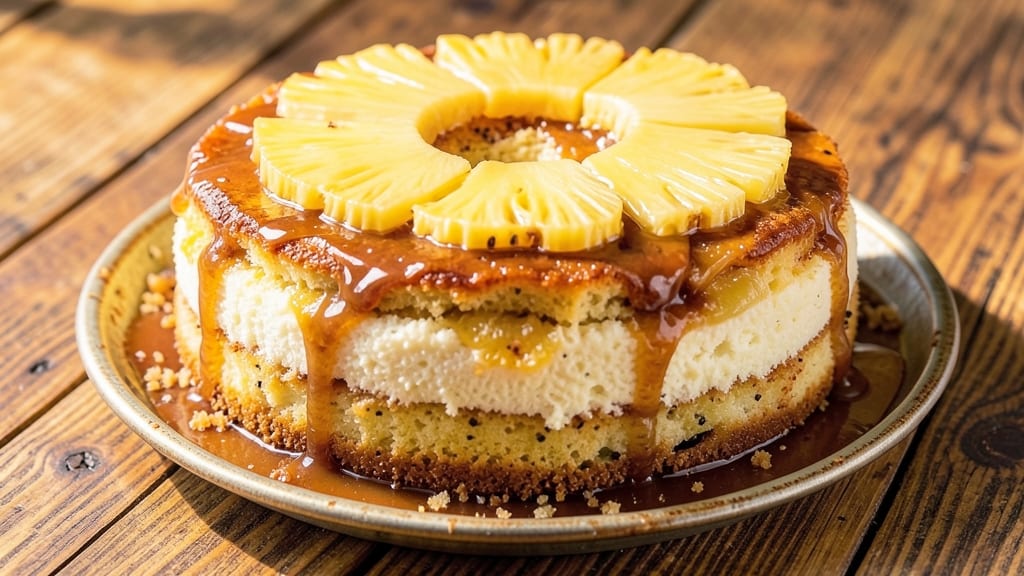
Paula Deen’s pineapple upside-down cake recipe delivers that nostalgic Southern charm with a caramelized pineapple crown that’s impossible to resist. 🌟 The secret lies in her signature buttery layers and rich brown sugar base that creates the perfect foundation for the sweet, tender cake beneath.
This recipe captures her signature indulgence—just one bite transports you to a cozy kitchen filled with the warm, spiced aroma of baking. What makes this cake truly special is Paula Deen’s technique for achieving that perfectly caramelized pineapple topping without burning the edges.
The cake itself is moist, rich, and infused with vanilla, while the brown sugar crust adds a deep, buttery flavor that balances the tropical sweetness of the pineapple. Every layer is designed to melt in your mouth, making it a showstopper for holidays or special occasions.
The result is a dessert that’s as visually stunning as it is delicious—golden caramelized pineapple slices peeking through a lattice of buttery cake, served warm with a scoop of vanilla ice cream.
The texture contrast between the crisp pineapple crown and the soft, fluffy cake is what makes this recipe legendary. Once you try it, you’ll understand why it’s a Southern classic.
This recipe is perfect for those who love a little extra indulgence in their desserts, whether you're baking for a celebration or simply treating yourself. The process is straightforward, but the payoff is pure comfort food magic. Let’s get started on creating this timeless favorite.
Ingredients for paula deen pineapple upside down cake
Gather these Southern staples for Paula Deen’s legendary caramelized pineapple crown cake.
| Ingredient | Amount | Notes |
|---|---|---|
| Fresh Pineapple 🍍 | 1 whole | Fresh, ripe pineapple (about 2 lbs) |
| All-Purpose Flour 🌾 | 2 cups | Sifted for light texture |
| Granulated Sugar 🍚 | 1 ½ cups | For cake batter |
| Light Brown Sugar 🍚 | 1 cup | Packed, for crust |
| Unsalted Butter 🧈 | 1 cup | Cold, cubed (2 sticks) |
| Large Eggs 🥚 | 3 whole | Room temperature |
| Pure Vanilla Extract 🌿 | 2 tsp | High-quality preferred |
| Baking Powder 🧂 | 2 tsp | Freshly measured |
| Salt 🧂 | ½ tsp | Fine sea salt |
| Milk 🥛 | ¾ cup | Whole milk preferred |
| Ground Cinnamon 🌶️ | 1 tsp | For crust flavor |
The pineapple is everything—fresh, ripe fruit with vibrant color and no bruises. I grab mine from Trader Joe’s or Costco when they’re in season, but any grocery store’s produce section works. Look for pineapple that’s heavy for its size and smells sweet at the base. The brown sugar crust needs that deep caramel flavor, so don’t skimp on the light brown sugar—Domino or Muscovado work beautifully. For the butter, Land O’Lakes or Plugrá are my go-tos, but any good-quality unsalted butter will do. The vanilla extract should be pure, not imitation—McCormick or Nike brands are reliable.
No fresh pineapple? Canned pineapple rings (in juice, not syrup) work in a pinch—just drain well and pat dry. Running short on brown sugar? Substitute white sugar plus 1 tsp molasses for that caramel depth. The cold cubed butter is non-negotiable—it creates those flaky layers in the crust. If you’ve got European-style butter, it’ll be even richer. For the milk, whole milk gives the best texture, but 2% works fine. The cinnamon in the crust? Ground cinnamon is best, but cinnamon sticks toasted and ground work too—just don’t skip it, that’s where the magic happens.
Store the pineapple in the fridge until ready to slice—it’ll keep for up to 3 days. The dry ingredients (flour, sugar, baking powder) should live in an airtight container in a cool, dark place for up to 6 months. Once baked, this cake is best served warm with vanilla ice cream, but leftovers keep 3 days covered at room temperature or 1 month wrapped tightly in the fridge. Freeze slices for up to 3 months—just thaw at room temp before serving. The caramelized pineapple crown gets crispier as it sits, so make extra if you’re serving a crowd!
Why You'll Love This Recipe
- No-Fuss Layers: I swear by this method—just dump the flour and sugar, cream the butter, and fold. The pineapple rings go in raw, so no fancy peeling or chopping. Honestly, the hardest part is waiting for it to bake.
- Butter-Sweet Magic: That light brown sugar in the batter? It caramelizes just enough to give the cake a subtle, warm depth. And the fresh pineapple—tender, juicy, and still bright—cuts through the richness like a cool breeze. (Yes, even on a Tuesday night.)
- Party in a Pan: Serve it warm for brunch with a scoop of vanilla ice cream, or let it cool for a crowd-pleasing dessert. My daughter picks out the pineapple rings first, but still asks for seconds. (Not the prettiest, but the taste makes up for it.)
- Budget-Friendly Luxury: Fresh pineapple is the star, but you’re not breaking the bank—one ring goes a long way. The rest of the ingredients? Flour, sugar, butter—stuff you already have. Takes me three tries to get the caramel right, but now it’s foolproof. My secret weapon for potlucks.
Step-by-step instructions for Paula Deen's pineapple upside down cake
Let's bake this Southern classic with golden caramelized pineapple and layers of moist cake.
🍳 Step 1: Prepare the Pineapple Crown
Preheat your oven to 350°F and grease a 9-inch round cake pan generously with butter. Cut the top off the whole fresh pineapple to create a round slice about ½-inch thick. You want a perfect circle that will fit snugly in your pan.
Place this pineapple slice cut-side down in the pan. In a small saucepan, combine ½ cup of the granulated sugar with ¼ cup water and bring to a boil over medium-high heat. Pour this hot syrup evenly over the pineapple, then sprinkle with 1 teaspoon ground cinnamon. Let it caramelize while you prepare the cake batter.
👨🍳 Step 2: Make the Cake Batter
In a large mixing bowl, cream together the 1 cup unsalted butter (cold and cubed) with the remaining 1 cup granulated sugar and 1 cup light brown sugar on medium speed until light and fluffy—about 3-4 minutes. Scrape down the sides of the bowl to ensure even mixing.
Add the 3 whole large eggs one at a time, mixing well after each addition. Stir in the 2 teaspoons pure vanilla extract and ½ teaspoon salt. In a separate bowl, whisk together the 2 cups all-purpose flour and 2 teaspoons baking powder. Gradually add the dry ingredients to the wet mixture, alternating with the ¾ cup milk, beginning and ending with the flour.
🥘 Step 3: Assemble and Bake
Pour the cake batter over the pineapple in the prepared pan, spreading it evenly. Tap the pan gently on the counter to release any air bubbles. Bake in the preheated oven for 50-55 minutes, until a toothpick inserted into the center comes out clean and the top is golden brown.
Real talk: Your oven might run hot, so start checking at the 45-minute mark. If the edges brown too quickly, tent the cake with aluminum foil. The cake is done when it springs back slightly when touched and the pineapple crown is beautifully caramelized.
⏰ Step 4: Invert and Serve
Let the cake cool in the pan for 10 minutes, then run a thin knife around the edges to loosen it. Place a large plate over the pan and quickly invert the cake onto it. Lift the pan away and let the cake cool completely on the plate before slicing.
Here's the thing—patience pays off. If you try to invert it too soon, the cake will collapse. The pineapple crown should be perfectly caramelized with a glossy sheen, and each slice should reveal that beautiful golden layer beneath the moist cake. Serve with whipped cream or vanilla ice cream for the ultimate Southern treat!
Pro Tips For Making Paula Deen Pineapple Upside Down Cake
- Preheat Like a Pro: Turn that oven to 375°F and let it scream for 15 full minutes before baking—this cake’s caramel layer needs a hot start to set right. I learned this the hard way when my first batch came out too pale and gummy because I rushed it.
- Core the Pineapple: Slice the pineapple thick (about ½-inch rings), then cut out the tough core with a spoon—no one wants a mouthful of fibrous center. Paula Deen’s version relies on that juicy, tender texture, so don’t skimp on the prep.
- Butter the Pan Well: Use ½ stick of softened butter (not melted) to coat the 9-inch pan, then sprinkle in ¼ cup brown sugar—this isn’t just for flavor, it’s insurance against sticking. I used to skip this, and the cake would tear when flipping. (Yes, even if you’re impatient like me.)
- Wait for the Invert: After baking, let the cake cool in the pan for 10 minutes before flipping—this gives the caramel time to firm up. Then, run a knife around the edge to loosen it. Sounds weird, but it works: your first flip will be clean, not a sticky mess.
Troubleshooting this recipe
Pineapple Too Dry?
If your pineapple crown ends up dry or tough, it likely didn’t caramelize properly. Start by selecting fresh, ripe pineapple—it should be heavy for its size and smell sweet at the base. Before slicing, pat the pineapple dry with paper towels to remove excess moisture, which prevents proper caramelization.
When making the syrup, use ½ cup granulated sugar and ¼ cup water—this ratio ensures a balanced caramel without burning. Let the pineapple caramelize for at least 15 minutes before adding the batter, and keep an eye on it to avoid overcooking. 🌟
Cake Too Dense?
A dense cake usually means overmixing or incorrect ingredient ratios. Cream the cold butter and sugars until light and fluffy (about 3-4 minutes)—this incorporates air for a tender crumb. When adding the dry ingredients, fold them gently with a spatula to avoid developing gluten.
Overmixing can also happen if you mix the batter too vigorously after adding the flour. For extra moisture, add 1 tablespoon of melted butter to the milk before incorporating it into the batter. Also, ensure your baking powder is fresh—old baking powder loses its lift.
Uneven Caramelization?
Uneven caramelization often happens when the pineapple slice isn’t level or the syrup isn’t distributed evenly. Start by cutting the pineapple slice as evenly as possible—use a serrated knife and a mandoline if needed for precision.
Pour the hot sugar syrup slowly and evenly over the pineapple, then rotate the pan to spread it uniformly. If some areas caramelize faster, cover them lightly with foil during baking to prevent burning while allowing the rest to cook.
A 1-teaspoon sprinkle of cinnamon helps balance flavors if some areas are under-caramelized.
Cake Sticks to Pan?
Sticking happens when the pan isn’t greased or lined properly. Always grease your 9-inch round cake pan generously with unsalted butter, then dust it with flour or panko crumbs for extra insurance. For an extra non-stick boost, line the bottom with parchment paper before adding the pineapple.
If the cake still sticks, run a thin knife or offset spatula around the edges before inverting. Let the cake cool in the pan for 10-15 minutes before attempting to invert—this helps it firm up slightly for easier release.
Pineapple Not Caramelizing?
If your pineapple stays pale and undercooked, it’s likely because the syrup wasn’t hot enough or the pineapple wasn’t prepped correctly. Always use fresh pineapple—canned pineapple won’t caramelize the same way. Before slicing, score the pineapple lightly in a crosshatch pattern to help the syrup penetrate.
Bring the sugar syrup to a full boil before pouring it over the pineapple, and let it sit uncovered in the oven for 10-15 minutes before adding the batter. If it’s still undercooked, broil the cake for 1-2 minutes at the end of baking to finish caramelizing the top.
Cake Collapses When Inverted?
A collapsed cake usually means it wasn’t baked long enough or cooled too soon. Ensure the cake is fully baked—a toothpick should come out clean (no wet batter) and the edges should pull away slightly from the pan.
Let the cake cool in the pan for at least 10 minutes before inverting—this allows the structure to set. If it still collapses, try tapping the pan gently on the counter to loosen it before inverting.
For extra support, place a large cooling rack over the pan before inverting to catch any drips. Serve slices immediately to enjoy the warm, gooey texture! 💫
Nutrition facts
Frequently asked questions
Can I use canned pineapple instead of fresh?
Canned pineapple rings work in a pinch, but fresh delivers that authentic Paula Deen flavor and texture. If using canned, drain well, pat completely dry, and arrange the rings in a circular pattern before adding the sugar syrup. The caramelization won't be as deep, but it'll still taste delicious with the right technique.
How do I know when the cake is fully baked?
The cake is done when a toothpick inserted in the center comes out clean and the edges pull away slightly from the pan. Start checking at 45 minutes—your oven may run hotter than mine! If the edges brown too quickly, tent with aluminum foil to prevent over-browning while the center finishes baking.
What's the best way to store leftovers?
Cover the cake tightly with plastic wrap and store at room temperature for up to 3 days. For longer storage, freeze slices individually wrapped for up to 3 months. The pineapple crown gets even more caramelized as it sits, so leftovers actually improve in flavor!
Can I make this cake in a different pan shape?
Paula Deen's classic uses a 9-inch round pan for that perfect pineapple crown presentation. For a different shape, use a pan of similar diameter (like 8-inch square) but adjust baking time—check 5-10 minutes earlier than the round pan. The caramelization technique remains the same!
Why does my pineapple crown sometimes look uneven?
Uneven caramelization happens when the pineapple slice isn't perfectly level or the sugar syrup isn't distributed evenly. Cut the pineapple slice as precisely as possible using a serrated knife, and pour the hot syrup slowly while rotating the pan to spread it uniformly. If needed, cover faster-caramelizing areas with foil during baking.