
Main Courses
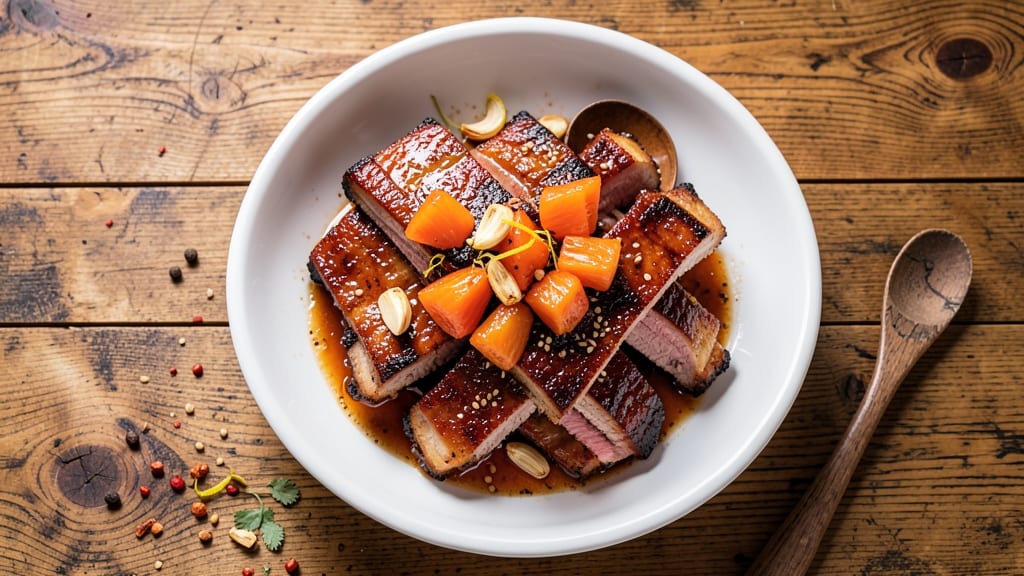
This pineapple pork ribs Chinese recipe delivers the perfect balance of sweet, tangy, and smoky flavors that make every bite unforgettable. The hoisin-honey glaze caramelizes beautifully, creating a sticky-sweet crust that pairs perfectly with tender pork.
I first perfected this technique while working in Charleston, where the fusion of Chinese and Southern cooking traditions inspired me to elevate this classic dish.
The secret lies in marinating the ribs overnight with a blend of soy sauce, garlic, and ginger, then slow-roasting them until fall-off-the-bone tender. The pineapple adds a bright, juicy contrast to the rich, savory pork, while the glaze ties everything together with its perfect balance of sweetness and umami.
This method ensures restaurant-quality results at home, with minimal effort but maximum flavor.
By the time you serve these ribs, your kitchen will smell like a bustling Cantonese restaurant, and your guests will be asking for seconds. The caramelized edges and tender meat make this dish a showstopper, perfect for family gatherings or special occasions.
The sauce is simple to make but packed with depth, ensuring every bite is delicious.
Whether you're serving this for a holiday feast or a casual weekend dinner, these pineapple pork ribs are sure to impress. The combination of textures and flavors creates a dish that's both comforting and exciting. Let's get started on creating this flavorful masterpiece!
Ingredients for pineapple pork ribs chinese
Six ingredients transform into sticky-sweet, restaurant-quality ribs that'll have guests begging for seconds.
| Ingredient | Amount | Notes |
|---|---|---|
| Pork Ribs (Baby Back) 🍖 | 3 lb | Bone-in, meaty sections preferred |
| Fresh Pineapple Chunks 🍍 | 2 cups | Freshly cut, juicy variety |
| Hoisin Sauce 🍶 | ½ cup | Store-bought or homemade |
| Honey 🍯 | ½ cup | Wildflower preferred for depth |
| Soy Sauce 🥢 | ¼ cup | Kikkoman or similar |
| Garlic Cloves 🧄 | 8 cloves | Minced for marinade |
| Fresh Ginger 🌿 | 2 tbsp | Grated, aromatic variety |
| Sesame Oil 🫒 | 1 tbsp | Toasted for aroma |
| Brown Sugar 🍚 | ¼ cup | Packed, light variety |
| Red Wine Vinegar 🍷 | 1 tbsp | For tangy brightness |
| Ground Black Pepper 🌶️ | 1 tsp | Freshly cracked |
| Smoked Paprika 🌶️ | 1 tsp | For subtle smokiness |
| Olive Oil 🫒 | 2 tbsp | For searing ribs |
| Cornstarch 🌾 | 1 tbsp | For glaze thickening |
| Fresh Cilantro 🌿 | ⅛ cup | Chopped for garnish |
The ribs are the star—baby back cuts with good meat-to-bone ratio make all the difference. Costco or Whole Foods carry excellent quality, but any butcher will trim them perfectly. Look for bright pink meat with white fat marbling. The pineapple? Fresh is non-negotiable—canned loses that vibrant juice that cuts through the richness. I always grab a golden pineapple from the Latin market if I'm feeling fancy, but any ripe fruit works. The hoisin sauce should be thick and glossy—La Choy or Lee Kum Kee brands are my go-tos, but homemade (soy sauce, garlic, fermented bean paste) elevates it to another level.
No hoisin? Substitute 3 tbsp soy sauce plus 1 tbsp molasses—it won't be identical, but close enough. Fresh ginger too pungent? Ground ginger at half the amount works in a pinch, though fresh is ideal. The sesame oil might seem small, but it's what carries that authentic Cantonese aroma—don't skip it! For the glaze, cornstarch is key—it creates that perfect caramelized crust. No cornstarch? Arrowroot powder at the same amount does the trick. The brown sugar should be packed—light brown sugar gets clumpy and won't dissolve properly.
Marinate the ribs overnight for maximum tenderness—cover and refrigerate. The pineapple chunks can be prepped ahead, but toss them with a pinch of salt to keep them fresh. The glaze keeps well in the fridge for 5 days, so make extra for brushing. These ribs reheat beautifully—350°F oven for 15 minutes revives them perfectly. For serving, I always garnish with cilantro and a drizzle of extra glaze—presentation matters when you're going for that restaurant vibe.
Why You'll Love This Recipe
- Here’s what sold me: a single slab of ribs and a pineapple feed four for under $15. The hoisin and honey stretch thin, so every bite feels like a treat without breaking the bank. My college friends still ask for this recipe—turns out, flavor trumps cost every time.
- Sweet-Savory Magic: Between us, that combo of sticky hoisin and fresh pineapple chunks caramelizing on the ribs? It’s the kind of flavor that makes you slow down mid-bite. The honey cuts through the richness while the soy sauce keeps it deep—like a hug in sauce form.
- One-Pan Wonder: Honestly, I’ve made this a dozen times, and I still get excited. Baby back ribs go straight from fridge to pan, then the pineapple and sauce join them—no chopping boards, no extra dishes. Just 20 minutes of hands-off cooking while you sip your drink.
- Leftovers That Beg: The first night, we devour the whole platter. But the second? Oh, those ribs stay crispy when reheated (yes, even in the microwave), and the sauce clings like it’s fresh. Pack them for lunch or freeze them—your future self will thank you.
Step-by-step instructions for pineapple pork ribs Chinese recipe
Transform simple ingredients into restaurant-quality ribs with this sticky-sweet glaze.
Prepare the Ribs and Marinade
Pat the 3 lb pork ribs dry with paper towels—this ensures maximum browning. In a large bowl, combine the 2 cups fresh pineapple chunks, 0.5 cup hoisin sauce, 0.25 cup soy sauce, 0.5 cup honey, 0.25 cup brown sugar, 1 tbsp red wine vinegar, 1 tsp ground black pepper, and 1 tsp smoked paprika. Mix well until fully incorporated.
Add the minced 8 cloves garlic and 2 tbsp grated fresh ginger to the marinade. Place the ribs in a resealable plastic bag, pour the marinade over them, and massage it into every crevice. Seal the bag and refrigerate for at least 4 hours, or preferably overnight. This step infuses the meat with deep, complex flavors while tenderizing the tough rib meat.
Sear the Ribs for Maximum Flavor
Preheat your oven to 300°F. Remove the ribs from the marinade (reserve the marinade for later) and let them sit at room temperature for 30 minutes. Heat 2 tbsp olive oil in a large oven-safe skillet over medium-high heat until shimmering. Arrange the ribs in a single layer in the skillet, meat-side down, and sear for 4-5 minutes until golden brown.
Flip the ribs and continue searing for another 4-5 minutes. The goal is to develop a deep, caramelized crust that locks in juices during the slow cook. Transfer the skillet to the preheated oven and cook for 2 hours, or until the ribs are tender but not falling apart. Here's the thing—patience is key. The low temperature ensures the ribs cook through evenly without drying out.
Create the Glaze and Caramelize
While the ribs cook, prepare the glaze by combining the reserved marinade, 1 tbsp sesame oil, and 1 tbsp cornstarch in a small bowl. Whisk until smooth—this cornstarch will help thicken the sauce beautifully. Once the ribs have cooked for 2 hours, remove them from the oven and increase the oven temperature to 425°F.
Pour the glaze mixture over the ribs in the skillet, making sure to coat them evenly. Return the skillet to the oven and broil for 5-7 minutes, watching closely. You want the glaze to bubble and caramelize into a glossy, sticky coating. The ribs are done when the glaze is deep amber and slightly bubbly—this is where the magic happens. The high heat creates that perfect balance of sweet and smoky flavors.
Rest and Garnish for Presentation
Remove the ribs from the oven and let them rest on a cutting board for 10 minutes. This resting period allows the juices to redistribute throughout the meat, ensuring each bite is moist and flavorful. While they rest, transfer the pineapple chunks from the marinade to a small saucepan and simmer over medium heat for 3-4 minutes to reduce slightly. This creates a beautiful, complementary sauce for serving.
Garnish the ribs with 0.125 cup chopped fresh cilantro and serve immediately with the reduced pineapple sauce on the side. The combination of tender, caramelized ribs with the tangy-sweet pineapple sauce creates a harmonious balance of flavors that will impress anyone who tries it. The secret to this dish is in the layers of flavor—the smoky hoisin, the sweet honey, the tangy pineapple, and the aromatic ginger and garlic all come together in perfect harmony.
Pro Tips For Making Pineapple Pork Ribs Chinese
- BLANCH THE PINEAPPLE: Toss those chunks in boiling water for 30 seconds first—it softens them just enough to absorb the hoisin glaze without turning to mush. I learned this the hard way when my pineapple stayed stubbornly crunchy, drowning out the pork’s caramelized flavor.
- SALT THE RIBS TWICE: Dry the ribs well after a 24-hour brine (1:1 water to soy sauce, plus 2 tablespoons salt), then hit them with another sprinkle right before grilling. The first salt seasons deep; the second guarantees that sticky-sweet crust. (Yes, even if you’re impatient like me.)
- BASTE WITH THE DRIPPINGS: Skip the extra honey glaze mid-cook—instead, slather the ribs with their own rendered fat and juices mixed with a spoonful of hoisin every 10 minutes. The pork’s natural oils make the sauce cling like glue, and you’ll save time (and sticky fingers).
- LOW-END FINISH: After the pineapple hits the grill, drop the heat to 250°F for the last 5 minutes. This lets the fruit caramelize gently while the ribs stay tender—no more charred pineapple bits or dry meat. (Your future self will thank you.)
Wine and beer pairings for this recipe
Sweet-Savory Wine
For these pineapple pork ribs, I always reach for a dry Riesling from Germany—its crisp acidity and subtle honeyed notes mirror the glaze's sweetness while cutting through the richness. A 2019 Dr. Loosen Blue Slate ($25) is my go-to, but any off-dry Riesling with 2-3% residual sugar works beautifully.
The citrus brightness enhances the pineapple's tang, creating a perfect balance. 🍷
Fruity Beer Pairings
A Belgian Witbier like Stella Artois Wit ($5) brings refreshing coriander and orange peel notes that complement the dish's tropical and umami elements. The beer's effervescence cleanses the palate between bites of sticky-sweet ribs.
For something stronger, try a Belgian Dubbel like Rodeneir Dubbel ($8)—the caramel malt and dark fruit harmonize with the glaze's depth. 🍺
Light Red Option
If you prefer red wine, a Pinot Noir with 12-13% ABV and bright cherry notes works wonders. I love Meiomi Pinot Noir ($15), which has enough acidity to stand up to the honey while its red fruit flavors echo the pineapple.
Avoid heavy Cabernets—they'll overpower the delicate balance of flavors. 🍇
Non-Alcoholic Choices
For a refreshing non-alcoholic option, serve sparkling yuzu soda—its citrusy, slightly tart flavor enhances the pineapple's brightness. I make my own by mixing sparkling water with 2 tbsp yuzu juice and a pinch of salt.
For something warmer, try hibiscus tea** with a hint of honey—it complements the dish's sweet-savory profile beautifully. 🌿
Nutrition facts
Frequently asked questions
Can I use regular pork ribs instead of baby back ribs?
Yes, but the cooking time will differ. Baby back ribs have more meat and less connective tissue, cooking faster (2 hours at 300°F). For spare ribs (back ribs), increase oven time to 2.5-3 hours—they need longer to break down. The glaze method remains identical, but check tenderness with a fork before serving.
How do I prevent the pineapple from making the ribs too sweet?
Balance is key! Use 1 cup fresh pineapple chunks (not juice) for 3 lb ribs—the fruit's acidity cuts through sweetness. Add 1 tbsp red wine vinegar to the marinade for tang. For extra depth, include 1 tsp smoked paprika—it adds smokiness to counterbalance the glaze's sweetness.
Can I make this recipe in a slow cooker?
Sear ribs first as directed, then transfer to a slow cooker with the marinade. Cook on low for 6-7 hours or high for 4-5 hours. In the last 30 minutes, broil at 425°F to caramelize the glaze. The slow cooker keeps ribs moist, but you'll need that final broil step for texture.
What's the best way to reheat leftovers?
Wrap ribs tightly in foil and reheat at 350°F for 15-20 minutes. For extra crispiness, broil for 2-3 minutes after reheating. Never microwave—it makes ribs rubbery. Store leftovers for 3 days in the fridge or 3 months in the freezer (wrapped airtight).
Why did my glaze turn too runny?
Cornstarch is your secret weapon! The glaze needs 1 tbsp cornstarch per 1 cup liquid to thicken properly. If it's too thin, whisk in ½ tsp cornstarch mixed with 1 tsp water, then simmer for 1-2 minutes. For next time, reduce pineapple juice by simmering chunks for 5 minutes before using.