
Main Courses
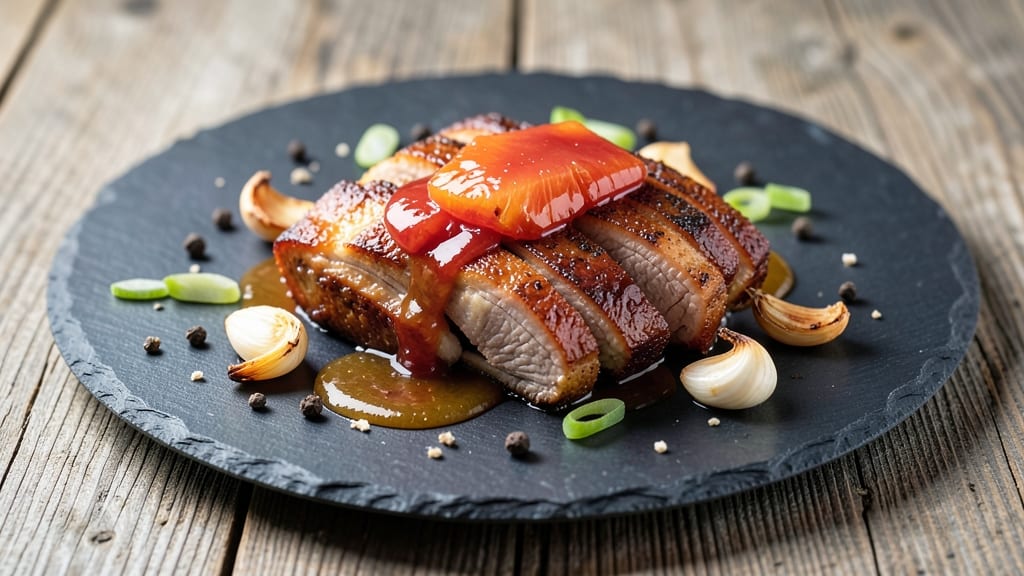
This pork tocino recipe with pineapple juice delivers the perfect balance of crispy edges and juicy sweetness in every bite. 🌟 The secret lies in a simple curing process with salt, sugar, and spices, followed by a gentle simmer in fragrant pineapple juice that infuses the meat with natural sweetness.
I first discovered this dish during a Filipino cooking class, and it quickly became a family favorite for breakfast or special gatherings.
The beauty of this recipe is in its simplicity—just a few pantry staples transform ordinary pork into something extraordinary. The curing process develops deep, savory flavors, while the pineapple juice adds a bright, tropical sweetness that cuts through the richness.
What makes this dish truly special is how the crispy exterior gives way to tender, flavorful meat that practically melts in your mouth.
By the time you're done, you'll have a dish that's perfect for serving with steamed rice and atchara (pickled papaya) for that authentic Filipino experience. The aroma alone will have everyone gathered around the table, and the first bite delivers a symphony of textures and flavors that's hard to resist.
This recipe is a game-changer for anyone looking to elevate their weekend breakfast or brunch menu.
Whether you're cooking for a crowd or treating yourself to a special meal, this pork tocino recipe delivers restaurant-quality results with minimal effort. The key is patience—letting the flavors develop during the curing and simmering stages ensures a dish that's as impressive as it is delicious. Let's get started!
Ingredients for pork tocino recipe pineapple juice
Pantry staples and a few key ingredients transform simple pork into crispy, juicy tocino magic.
| Ingredient | Amount | Notes |
|---|---|---|
| Pork Shoulder 🥩 | 1 ½ lb | Cut into 1-inch cubes |
| Pineapple Juice 🍍 | 2 cups | Freshly squeezed preferred |
| Granulated Sugar 🍚 | ½ cup | White or brown sugar |
| Kosher Salt 🧂 | 2 tbsp | Diamond Crystal preferred |
| Black Peppercorns 🌶️ | 1 tsp | Freshly ground preferred |
| Garlic Cloves 🧄 | 4 cloves | Minced for curing |
| Bay Leaves 🌿 | 2 whole | For simmering |
| Olive Oil 🫒 | ¼ cup | For crisping |
| Fresh Pineapple 🍍 | 1 whole | For garnish, optional |
| Green Onions 🧅 | 4 whole | Sliced for garnish |
| White Vinegar 💧 | 1 tbsp | For curing balance |
| Ground White Pepper 🌶️ | ½ tsp | Subtle flavor |
The pork shoulder is your canvas here—ask the butcher for well-marbled cuts if possible, as the fat renders beautifully during cooking. Filipino markets often carry pre-cut pork tocino pieces, but cubing it yourself gives better texture control. For the pineapple juice, fresh is non-negotiable—canned juice lacks the bright acidity that balances the richness. I always grab a small pineapple from Trader Joe's or Costco for this recipe. The sugar and salt are your flavor anchors; Diamond Crystal kosher salt
No fresh pineapple juice? Coconut water with a splash of lime works in a pinch, though it won't be as vibrant. The white pepper is optional but adds a nice contrast to the black pepper's warmth—substitute with extra black pepper if needed. For the garlic, peeling and mincing it fresh makes all the difference, but jarred minced garlic in a squeeze bottle (like Trader Joe's) saves time. The bay leaves can be dried, but fresh ones infuse more aroma—just remove them before serving. Want extra crispiness? Double the olive oil and pan-fry in batches. Cured pork keeps in the fridge for 3 days before cooking, so plan ahead. The cooked tocino reheats beautifully—2 minutes in a hot pan with extra pineapple juice revives that crispy texture. Store leftovers in an airtight container with a paper towel to absorb moisture. For a crowd, double the batch—this dish freezes well for 3 months if you wrap it tightly in parchment and foil. Garnish with fresh pineapple and green onions right before serving—they add that restaurant-quality finish.
Why You'll Love This Recipe
- Five-Ingredient Magic: The pantry already has most of what you need—just slice the pork, simmer, and let the pineapple juice do the work. Honestly, I’ve made this while waiting for dinner to be ready elsewhere.
- Sweet-Savory Balance: That caramelized sugar from the pineapple juice? It turns the pork into something tender yet crispy, with just enough tang to cut through the richness. Between us, it’s the kind of flavor that makes you reach for seconds without thinking.
- Breakfast or Dinner: Serve it crispy with garlic rice for a hearty breakfast or pile it over steamed veggies for a weeknight dinner. My kids ask for it at both—no fuss, just pure satisfaction.
- Leftovers That Don’t Suck: The pork stays juicy and flavorful for days, so I make a big batch and use it in sandwiches, fried rice, or even pasta. Not the prettiest, but the taste makes up for it every time.
Step-by-step instructions for pork tocino with pineapple juice
Here's how to transform simple pork into irresistible crispy bites with a sweet, tangy kick.
👨🍳 Step 1: Cure the Pork Shoulder for Maximum Flavor
In a large bowl, combine the 1.5 lb pork shoulder cut into 1-inch cubes, the 2 cups pineapple juice, 0.5 cup granulated sugar, 2 tbsp kosher salt, 1 tbsp white vinegar, and 0.5 tsp ground white pepper. Mix gently but thoroughly to ensure every piece absorbs the marinade. Here's the thing—let this sit uncovered in the refrigerator for at least 4 hours (overnight works best). The acidity from the pineapple juice will tenderize the meat while the sugar and salt create that signature caramelized crust.
After curing, drain the pork but reserve the marinade—you'll use it later. Pat the pork cubes dry with paper towels. This step is crucial; any moisture left on the meat will prevent proper browning when you fry it. I like to press down firmly on each piece to remove excess liquid. The drier the surface, the crispier your tocino will become.
🔥 Step 2: Sear the Pork Until Golden and Crispy
Heat 0.25 cup olive oil in a large skillet over medium-high heat until it shimmers but doesn't smoke. Add the dried pork cubes in a single layer, leaving space between them. Don't crowd the pan—this ensures even browning. Cook undisturbed for 3-4 minutes until the bottoms develop a deep golden crust. You'll see those beautiful caramelized edges that make tocino so special.
Flip the pork and cook another 3-4 minutes until golden on all sides. Here's where it gets fun—toss in the 4 minced garlic cloves and 2 whole bay leaves from the ingredients list. Let them sizzle for 30 seconds before removing the pork to a plate. The garlic will infuse the oil with incredible aroma, and the bay leaves add subtle earthiness that balances the sweetness.
🍳 Step 3: Simmer in Pineapple Marinade for Juicy Tenderness
Return the skillet to medium heat and pour in the reserved pineapple marinade. Bring to a gentle simmer, scraping up any browned bits from the bottom of the pan—this is where all the flavor hides. Add the crispy pork back to the skillet and reduce heat to low. Let it simmer uncovered for 20-25 minutes, stirring occasionally, until the pork is fork-tender and the sauce has thickened slightly. You're looking for a glossy, slightly reduced sauce that coats the back of a spoon.
Real talk: don't walk away during this step. You want the pork to stay tender but still maintain that crispy exterior. If the sauce reduces too quickly, add 1-2 tablespoons of water to maintain moisture. The pineapple juice should mellow slightly, letting the natural sweetness of the pork shine through.
🥘 Step 4: Finish with Fresh Garnishes
Once the pork is perfectly tender, remove it from the skillet and transfer to a serving platter. Discard the bay leaves. Return the sauce to medium heat and let it reduce for another 2-3 minutes until it reaches your desired consistency. Taste and adjust seasoning if needed—you might want to add a pinch more salt or sugar to balance the flavors.
Garnish the tocino with slices from the 1 whole fresh pineapple (peeled and cut into thin strips) and 4 sliced green onions. The fresh pineapple adds a bright contrast to the rich, caramelized pork, while the green onions bring a fresh, slightly sharp note. Serve immediately while the pork is still crispy and the sauce is warm. The combination of sweet, tangy, and savory flavors makes this dish truly special.
Pro Tips For Making Pork Tocino Recipe Pineapple Juice
- SEAR THE PORK FIRST: Skip the slow start—hit the pork shoulder with a quick sear in a hot pan before braising. I learned this the hard way: cold meat in hot liquid just sits there. A 2-minute sear on each side builds flavor and ensures the meat doesn’t turn mushy when it hits the pineapple juice.
- USE FRESH PINEAPPLE JUICE: Canned juice lacks depth—grabbing a fresh pineapple and blending it with a splash of water makes a real difference. The acidity cuts through the pork’s fat better, and the natural sweetness balances the sugar without tasting artificial. (Yes, even if you’re impatient like me.)
- DON’T SKIP THE REST: After cooking, let the pork shoulder rest 10 minutes under foil before slicing. I used to cut into it too soon, and the slices fell apart like overcooked pasta. This guarantees clean, shred-friendly meat that holds its shape.
- ADJUST SUGAR BY TASTE: Start with half the sugar called for, then taste the braising liquid before adding more. Pineapple juice already has sugar, and pork shoulder releases its own sweetness as it cooks. You’ll likely need less than the recipe says—trust your palate.
Pro cooking tips for great pork tocino recipe pineapple juice
Curing Time Matters
The curing stage is where the magic happens—4 hours minimum lets the pineapple juice work its tenderizing magic while the salt and sugar penetrate the meat. I’ve learned the hard way that rushing this step results in tougher tocino.
Use a shallow dish so the pork cubes aren’t submerged; this helps the marinade cling better. For extra flavor, I sometimes add 1 tsp ground coriander to the curing mix—it pairs beautifully with the pineapple’s brightness. 🌟
Oil Temperature Control
Medium-high heat is key for that signature crispy crust, but don’t let the oil smoke—350-375°F is ideal. Test with a wooden chopstick: if bubbles form around it but it doesn’t brown instantly, your oil is ready.
I use a 12-inch cast-iron skillet (like my trusty Lodge pan) because it retains heat perfectly. Overcrowding the pan steams the pork instead of browning it, so work in batches if needed. The first batch will teach you the perfect timing for your stove.
Sauce Reduction Secrets
The simmering sauce should coat the back of a spoon but still be saucy enough to glaze the pork. If it reduces too quickly, add 1 tbsp reserved pineapple juice at a time—this keeps the sweetness balanced.
For a glossy finish, I stir in 1 tsp cornstarch mixed with 1 tbsp water at the end. This trick thickens the sauce without altering the flavor. Pro tip: Skim off any foam that rises during simmering for a cleaner sauce. ✨
Crispy Texture Hacks
To revive crispiness after simmering, pat the pork dry again with paper towels before serving. For extra crunch, broil the tocino for 2-3 minutes under the oven’s broiler right before plating—just watch it closely to avoid burning.
I also like to serve it with a side of warm buttered rice and a squeeze of calamansi lime (if you can find it) to cut through the richness. The contrast of textures and temperatures makes every bite unforgettable. 🔥
Pineapple Substitutes
No fresh pineapple juice? Use ½ cup coconut water + 1 tbsp lime juice as a substitute, but expect slightly less vibrant flavor. For a tangier profile, add 1 tbsp apple cider vinegar to the marinade.
I’ve also had success with mango nectar (from a can), though it’s sweeter—balance it with an extra ½ tsp salt in the curing mix. The key is maintaining that sweet-tangy balance that defines tocino’s flavor.
Nutrition facts
Frequently asked questions
Can I use canned pineapple juice instead of fresh?
While canned pineapple juice works in a pinch, fresh is ideal for the best flavor. Canned juice lacks the bright acidity that tenderizes the pork and balances the sweetness. If using canned, choose 100% pineapple juice with no added sugar, and add 1 tbsp lemon juice to boost acidity. The texture of the sauce will also be smoother with fresh juice.
How do I get the pork extra crispy?
Pat the pork cubes thoroughly dry after curing—this is key for crispiness! Use a paper towel to press out all moisture, then let them air-dry for 10 minutes on a wire rack. For extra crunch, sear the pork in hot oil (350-375°F) in a single layer, and avoid moving them until golden brown forms. Finish with a quick broil for 2 minutes before serving.
Can I make this ahead of time?
The cured pork keeps in the fridge for 3 days before cooking. For best results, cook it within 24 hours of curing. If making ahead, store the cooked tocino in an airtight container with a paper towel to absorb moisture. Reheat in a skillet with a splash of pineapple juice for 2-3 minutes to restore crispiness.
What's the best way to serve this dish?
This tocino shines with classic Filipino sides! Serve with steamed jasmine rice, atchara (pickled papaya), and a simple green salad. For extra flair, add a squeeze of calamansi lime or a sprinkle of toasted garlic. The tangy atchara cuts through the sweetness, while the rice soaks up the delicious sauce.
Why is my tocino tough instead of tender?
Under-curing or overcooking usually causes toughness.