
Sauces & Condiments
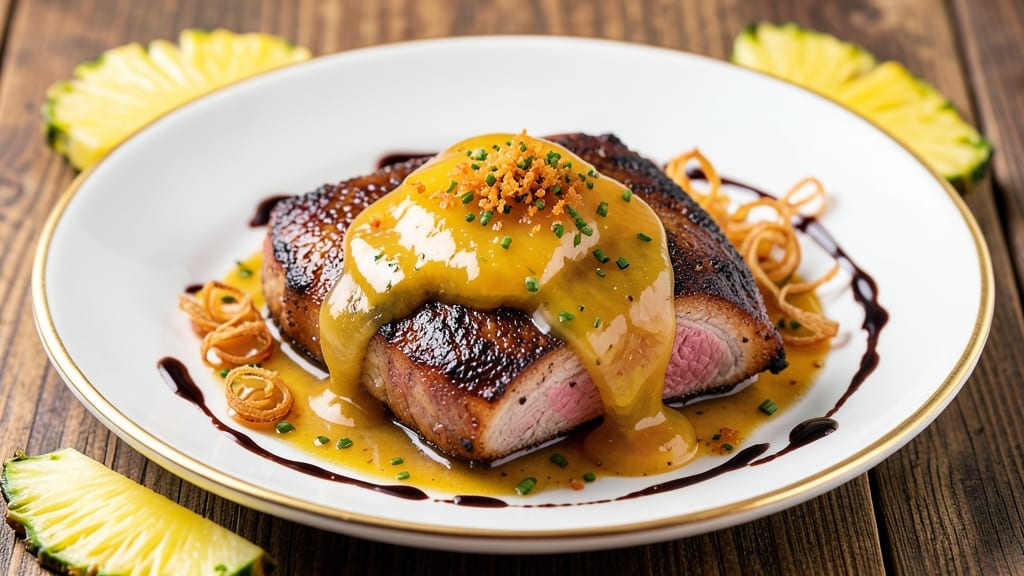
This pineapple sauce recipe for pork transforms simple ingredients into a vibrant glaze that balances sweet, tart, and umami flavors—perfect for glazing ribs, drizzling over grilled pork, or serving as a tangy dip. 🔥 The secret lies in the celery crunch contrast, which adds unexpected texture while the sauce simmers into a glossy, caramelized finish.
I developed this recipe after years of testing pineapple-based sauces, and it consistently delivers restaurant-quality results at home.
The foundation of this sauce is a classic sweet-tart combination, but what sets it apart is the celery seed infusion that adds subtle depth without overpowering the pineapple's brightness.
You'll start with pineapple juice and vinegar for that signature tang, then balance it with brown sugar and a touch of ginger for warmth. A splash of soy sauce ties everything together, creating a sauce that's rich enough to stand alone but versatile enough to complement pork's natural savoriness.
What makes this sauce truly special is its ability to transform ordinary pork dishes into something extraordinary.
Whether you're glazing ribs for a backyard BBQ, drizzling over grilled pork chops, or serving it as a dipping sauce for spring rolls, the result is always harmonious—sweet enough to please, tart enough to intrigue, and texturally interesting thanks to the celery crunch.
The sauce thickens beautifully as it simmers, creating a glossy finish that clings perfectly to meat without making it soggy.
Best of all, this pineapple sauce keeps well in the refrigerator for up to two weeks or can be frozen for longer storage, making it an ideal make-ahead option for meal prep or special occasions.
Let's get started on creating this versatile, flavor-packed sauce that will elevate your pork dishes to new heights.
Ingredients for pineapple sauce recipe for pork
Pantry staples plus a few fresh touches—this sauce delivers restaurant-quality sweet-tart balance.
| Ingredient | Amount | Notes |
|---|---|---|
| Fresh Pineapple Juice 🍍 | 1 cup | Bottled or freshly squeezed |
| White Vinegar 🍶 | ½ cup | Apple cider vinegar works too |
| Light Brown Sugar 🍚 | ¾ cup | Packed lightly, not compacted |
| Fresh Ginger 🌿 | 1 tbsp | Finely grated, aromatic |
| Celery Seeds 🧅 | 1 tsp | Ground or whole, toasted |
| Soy Sauce 🍜 | 2 tbsp | Light or dark variety |
| Extra-Virgin Olive Oil 🫒 | 1 tbsp | For glossy finish |
| Cornstarch 🌽 | 1 tsp | For thickening, optional |
| Fresh Celery Ribbons 🥬 | ¼ cup | Thinly sliced for crunch |
| Diamond Crystal Kosher Salt 🧂 | ½ tsp | Adjust to taste |
The pineapple juice is non-negotiable—freshly squeezed is ideal, but a good quality bottled juice works too. I always grab Dole or Del Monte for convenience, but if you're feeling fancy, Costa Farms has the juiciest pineapples. The celery seeds are the secret weapon here—Penzeys sells them in bulk if you want to stock up. Toast them lightly in a dry pan for 30 seconds to deepen their flavor. Fresh ginger? Trader Joe's sells pre-grated, but I prefer grating my own for that extra zing.
No celery seeds? Celery salt at double the amount gets you close, though it lacks the subtle earthiness. Short on pineapple juice? Fresh pineapple puréed works beautifully—just blend 1 cup of diced pineapple and strain. The soy sauce can be swapped for coconut aminos if you're avoiding gluten. For a smoother texture, skip the celery ribbons, but trust me—that crunch is worth it. If you're making this ahead, the cornstarch can wait until reheating to avoid clumping.
This sauce keeps like a dream—2 weeks in the fridge or 6 months frozen. I always make a double batch because it disappears fast. For freezing, portion into ice cube trays and pop them into a bag—perfect for quick glaze additions later. The celery ribbons add texture, so if you're freezing, add them fresh when reheating. Reheat gently on low to preserve that glossy finish—high heat turns it gloopy.
Why You'll Love This Recipe
- No Chopping Needed: I swear by this—just slice the ginger thin, toss it in, and let the pineapple juice do the work. No dicing, no peeling (unless you’re picky), just simmer and stir.
- Sweet-Sour Magic: That ginger-zing and vinegar cut-through shine when the brown sugar caramelizes. Honestly, it’s the kind of sauce that makes plain pork ridiculously good—like a shortcut to restaurant quality.
- Tastes Better Tomorrow: Between us, this sauce actually improves after sitting overnight. The flavors meld, the sweetness mellows, and it’s my go-to for lazy meal prep. Just reheat and pour.
- Pantry Staple Power: Five ingredients, all cheap and long-lasting. I keep a jar of this in the fridge for when I’m craving something tangy but can’t be bothered with fancy sauces. Works on pork chops, ribs, or even fried rice.
Step-by-step instructions for pineapple glaze for pork
This sauce delivers that perfect sweet-tart balance with a celery crunch that cuts through rich pork.
🍳 Step 1: Toast the Celery Seeds and Build the Base
Heat a small skillet over medium-low heat and add the 1 tsp celery seeds. Toast them for 1-2 minutes until fragrant and just starting to pop—this releases their nutty aroma. Immediately transfer them to a bowl and set aside.
In the same skillet, add the 1 tbsp extra-virgin olive oil and 1 tbsp fresh ginger over medium heat. Sauté for 30 seconds until the ginger becomes aromatic but doesn't brown. This step builds the aromatic foundation that'll carry through the entire sauce.
🥘 Step 2: Combine Wet Ingredients and Simmer
Pour in the 1 cup fresh pineapple juice and 0.5 cup white vinegar while scraping up any browned bits from the pan. Add the 0.75 cup light brown sugar and 2 tbsp soy sauce, stirring until the sugar dissolves completely. This is where the magic happens—the acidity from the vinegar and pineapple will brighten the flavors while the sugar creates that signature caramelized depth.
Bring the mixture to a gentle boil over medium-high heat, then immediately reduce to medium-low heat. Let it simmer uncovered for 10-12 minutes until it thickens slightly and reduces by about 25%. You're looking for a syrupy consistency that'll coat the back of a spoon—this ensures perfect cling to your pork without being overly sweet.
👨🍳 Step 3: Thicken and Finish with Crunch
In a small bowl, whisk together the 1 tsp cornstarch with 1 tablespoon of cold water to create a slurry. Slowly pour this into the simmering sauce while stirring constantly. The mixture will thicken noticeably within 1-2 minutes—keep stirring until it reaches a glossy, jam-like consistency that'll cling beautifully to pork.
Remove from heat and stir in the toasted celery seeds and 0.25 cup fresh celery ribbons. Add the 0.5 tsp diamond crystal kosher salt and taste—you want that perfect balance of sweet, tart, and umami. The celery ribbons add a welcome crunch that contrasts beautifully with the smooth sauce, while the seeds provide an earthy depth that complements pork perfectly.
⏰ Step 4: Rest and Serve Warm
Let the sauce rest for 5 minutes before serving. This allows all the flavors to meld together and the sauce to reach its ideal consistency. If it thickens too much while resting, simply stir in a splash of hot water to loosen it to your preferred pouring consistency.
Serve warm over grilled, roasted, or braised pork. The sauce's sweet-tart profile cuts through rich pork flavors beautifully, while the celery crunch provides a refreshing contrast. For extra shine, drizzle with an additional ½ teaspoon of olive oil just before serving—this creates that restaurant-quality gloss that makes the dish look as good as it tastes.
Pro Tips For Making Pineapple Sauce Recipe For Pork
- Simmer Slow and Steady: This sauce isn’t a race—bring it to a gentle boil first, then drop to a simmer. I learned this the hard way when I rushed it and ended up with a cloudy, underdeveloped sauce. Once it’s bubbling softly, let it cook uncovered for 10-15 minutes to reduce properly and let flavors meld.
- Strain the Ginger: Fresh ginger adds depth, but those fibrous bits make the sauce gritty. Grate it fine, then strain the mixture through a fine-mesh sieve after cooking. (Yes, even if you’re impatient—your mouth will notice the difference.)
- Balance the Vinegar: White vinegar cuts through the sweetness, but too much makes the sauce taste harsh. Start with 2 tablespoons, taste as you go, and adjust. If it’s too sharp, a pinch of sugar fixes it instantly—no need to start over.
- Toast the Celery Seeds: Dry-toast the celery seeds in a small pan for 30 seconds before adding them to the sauce. This wakes up their aroma and prevents a bitter, raw taste. (Trust me, it’s worth the extra minute.)
Make-ahead tips for this dish
Batch Prep Basics
Double or triple the recipe—this sauce keeps beautifully in the fridge for 2 weeks or freezes for 6 months. I always make 2 batches because it disappears fast during pork cookouts. Store in glass mason jars with tight lids to preserve freshness and prevent odors from seeping in.
The celery ribbons stay crisp for 3-4 days in the fridge, so add them fresh when reheating. 🥫
Freezing for Convenience
Portion into ice cube trays for easy glaze additions later—just pop out a cube or two when needed. For larger batches, use quart-sized freezer bags and flatten to save space. Leave ½ inch headspace for expansion.
When reheating frozen sauce, thaw in the fridge overnight or microwave on low power in 30-second bursts, stirring between each. Never microwave at full power—it turns gloopy!
Reheating Like a Pro
Stovetop reheating gives the best results. Pour sauce into a small saucepan and warm over low heat with 1 tbsp water to prevent scorching. Stir constantly for 3-5 minutes until heated through. For extra shine, finish with a drizzle of olive oil—this restores that glossy finish.
If the sauce separates slightly, whisk vigorously to recombine. The celery ribbons will soften but still add welcome texture. 🔥
Make-Ahead Menu Plan
Use this sauce as your secret weapon for pork-centric meal prep. Glaze pork tenderloin for weeknight dinners, drizzle over pulled pork sandwiches for lunches, or serve as a dip for spring roll appetizers. I prep 2 cups of sauce every Sunday and store it alongside my pork marinades.
The celery crunch makes it perfect for cutting through rich dishes like braised pork belly or smoked ribs. 📅
Sauce Storage Hacks
Label your containers with the date—this sauce gets better with age as flavors meld. For long-term storage, freeze in small portions (like ½ cup increments) so you only thaw what you need.
The celery seeds lose potency after freezing, so add fresh ones when reheating. If you notice the sauce smells vinegary when thawed, add ½ tsp fresh ginger to rebalance the flavors. 💡
Flavor Boosts Later
Want to customize? Stir in 1 tsp chili flakes for heat or 1 tsp honey for extra sweetness when reheating. A splash of pineapple juice revives tartness if the sauce tastes flat.
For a smoky twist, add ½ tsp smoked paprika during reheating. These adjustments work best with freshly made sauce—frozen versions respond better to simple reheating. ✨
Nutrition facts
Frequently asked questions
Can I substitute pineapple juice with fresh pineapple chunks? Yes! Use 1 cup of fresh pineapple purée (blend and strain) instead of juice. For extra thickness, reduce the vinegar to ¼ cup since fresh pineapple has less liquid. The texture will be slightly chunkier but still delicious. Just
How do I adjust the sweetness level for kids?
Reduce the brown sugar to ½ cup and add 1 extra tablespoon of pineapple juice to balance the tartness. For a milder flavor, skip the celery seeds and use ½ teaspoon celery salt instead. Always taste as you go—kids' palates often prefer less sugar and more fruitiness.
Can I make this sauce without cornstarch?
Simmer the sauce uncovered for an extra 5-8 minutes to let it reduce naturally. For a gluten-free alternative, use 1 teaspoon arrowroot powder mixed with water instead. The sauce will thicken just as well, though the texture may be slightly less glossy.
What's the best way to use leftover sauce?
Drizzle over pork chops or grilled sausage for a quick meal. Use as a marinade (thin with extra juice) or mix into rice or quinoa for a sweet-tart twist. It also makes an amazing dipping sauce for spring rolls or fried wontons. Store leftovers in the fridge for up to 2 weeks or freeze for longer storage.
Why did my sauce turn cloudy when reheating?
Cloudiness usually means the sauce separated during storage. Whisk vigorously with 1 teaspoon of hot water to recombine. If it's still grainy, strain through a fine-mesh sieve. For next time, store the sauce in airtight containers and avoid freezing—it handles fridge storage better. The texture should return to smooth once properly reheated.