
Sauces & Condiments
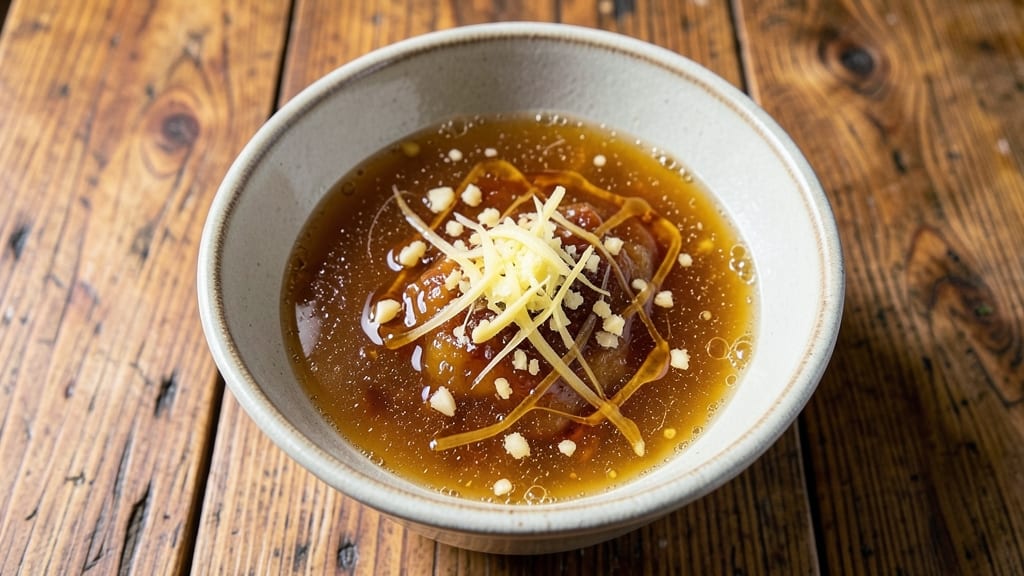
This pineapple stir-fry sauce recipe transforms simple stir-fries into vibrant, flavor-packed meals with just a few pantry staples. The balance of sweet pineapple, tangy soy, and aromatic garlic-ginger creates a glaze that caramelizes beautifully while cooking.
I developed this version after testing dozens—it’s the one that consistently delivers that perfect sweet-tangy depth without overpowering the dish.
The sauce starts with a simple reduction of pineapple juice, soy sauce, and honey, then builds complexity with fresh garlic, ginger, and a touch of rice vinegar for brightness.
What sets this apart is the umami boost from a splash of fish sauce (or soy sauce for vegetarian), which deepens the flavor without being overpowering. The optional chili adds just enough heat to make it versatile for both mild and spicy dishes.
What you’ll end up with is a glossy, sticky sauce that clings to every bite—ideal for glazing stir-fried vegetables, tofu, or chicken. It also works as a dipping sauce for spring rolls or dumplings, adding a tropical twist to classic flavors.
The best part? It keeps well in the fridge for up to a week, so you can make a big batch and use it all week.
Ready in just 15 minutes, this sauce requires no special equipment—just a saucepan and a whisk. Whether you’re cooking for a weeknight dinner or prepping for a meal prep session, this recipe delivers restaurant-quality flavor with minimal effort. Let’s make it!
Ingredients for pineapple stir fry sauce
Nine simple ingredients create this vibrant, restaurant-quality stir-fry sauce.
| Ingredient | Amount | Notes |
|---|---|---|
| Pineapple Juice 🍍 | ½ cup | Freshly squeezed preferred |
| Soy Sauce 🍶 | ½ cup | Low-sodium preferred |
| Honey 🍯 | 2 tbsp | Wildflower for floral notes |
| Garlic Cloves 🧄 | 3 cloves | Minced for aromatic punch |
| Fresh Ginger 🌿 | 1 tbsp | Grated, not powdered |
| Rice Vinegar 🍶 | 1 tbsp | Seasoned preferred |
| Fish Sauce 🍶 | 1 tbsp | Or soy sauce for vegetarian |
| Red Chili Flakes 🌶️ | 1 tsp | Optional for heat |
| Sesame Oil 🫒 | 1 tsp | Toasted for aroma |
| Cornstarch 🌾 | 1 tsp | For thickening |
Pineapple juice is the star—freshly squeezed has the best flavor, but canned works in a pinch. Trader Joe's has great juice options, or grab a whole pineapple if you want to make your own. The ginger should be fresh and aromatic—no powdered substitutes. For soy sauce, Kikkoman or low-sodium options work best, but any good-quality soy will do. The fish sauce adds that umami depth, but extra soy sauce works perfectly for vegetarian versions.
No fish sauce? Double the soy sauce—it’ll still taste amazing. Fresh ginger not available? Ground ginger at half the amount works, but it’s not the same. Want more sweetness? Add another tablespoon of honey. The chili flakes are optional, but red pepper flakes work too if you prefer a different heat profile. Sesame oil gives that nutty aroma—don’t skip it if you’ve got it. For thickening, cornstarch is ideal, but arrowroot powder works just as well.
This sauce keeps beautifully in the fridge for up to 1 week in a sealed jar. It even freezes well for up to 3 months—just thaw in the fridge overnight. I usually make a double batch because it disappears fast. Perfect for glazing stir-fries, dipping spring rolls, or drizzling over grilled chicken. The flavors get even better after a day or two as everything melds together.
Why You'll Love This Recipe
- Pantry Magic: I swear by this sauce because it uses stuff I already have—no special trips to the store. That jar of soy sauce, the honey from last summer, even the pineapple I froze after the Fourth of July? Perfect. Honestly, I’ve made it three times in a row when I forgot to grocery shop.
- Sweet-Savory Balance: The honey and pineapple juice give it that bright, tangy kick, but the garlic and ginger? Oh, they ground it into something rich and complex. It’s the kind of flavor that makes you pause mid-bite—like when you realize your stir-fry just got a whole lot more interesting.
- Meal Prep MVP: I double the batch every Sunday and keep it in the fridge for the week. Drizzle it over rice bowls, toss it with tofu, or even use it in a quick noodle dish. Between us, it’s the reason my lunches stop feeling boring by Wednesday.
- Budget-Friendly Glow-Up: This sauce costs me less than $5 for a full batch and lasts forever. The ginger and garlic are cheap staples, and the pineapple juice stretches further than you’d think. I’ll be real: it’s my go-to for turning cheap proteins into something that feels fancy.
Step-by-step instructions for pineapple stir-fry sauce
This sauce balances sweet, tangy, and umami flavors perfectly—let's make it together.
Prepare the Aromatics
In a small bowl, mince the 3 cloves garlic cloves as finely as possible—the smaller the pieces, the more flavor they'll release. Grate the 1 tablespoon fresh ginger using a microplane or fine grater, aiming for a texture that's almost paste-like. This ensures the ginger blends smoothly into the sauce rather than creating grainy bits.
Set these aside for now. I like to prep them first because they're the foundation of the sauce's depth. The garlic should smell pungent and fresh, while the ginger should have a bright, citrusy aroma. If using, add the 1 teaspoon red chili flakes to the bowl for subtle heat—this is optional, but it adds complexity that balances the sweetness.
Combine Wet Ingredients
In a medium saucepan, combine the 0.5 cup pineapple juice, 0.5 cup soy sauce, 2 tablespoons honey, 1 tablespoon rice vinegar, and 1 tablespoon fish sauce. Stir gently to mix, but don't worry about dissolving everything perfectly yet. This blend will form the base of your sauce, carrying all the other flavors.
Place the saucepan over medium heat and bring to a gentle simmer. You'll see tiny bubbles form around the edges—this is your signal that the liquid is hot enough to infuse the aromatics. Keep the heat at this level; too high and the sauce will cook unevenly or even scorch.
Infuse the Flavors
Add the minced garlic, grated ginger, and chili flakes to the simmering liquid. Stir continuously for 3-4 minutes until the mixture becomes fragrant and the raw aroma of garlic and ginger gives way to something warm and inviting. The sauce should smell like a tropical storm—sweet, tangy, and just a hint of spice.
Here's where the magic happens: the garlic should turn translucent, and the ginger should soften slightly. If you notice the sauce starting to thicken too quickly, reduce the heat to low—we want to build flavor, not reduce the sauce just yet. This step ensures every bite of your stir-fry gets that aromatic punch.
Thicken the Sauce
In a small bowl, whisk together the 1 teaspoon cornstarch and 1 teaspoon sesame oil. This is your thickening agent, and the sesame oil adds a nutty aroma that ties everything together. Slowly pour this mixture into the saucepan while stirring constantly with a wooden spoon.
Continue stirring for 2-3 minutes until the sauce thickens to a glossy, syrupy consistency—it should coat the back of a spoon but still flow smoothly. You're aiming for a texture that clings to your stir-fry ingredients without being gluey. If it thickens too quickly, add 1 tablespoon water to loosen it. The sauce should be ready when it reaches 160°F on an instant-read thermometer.
Finish and Taste
Remove the saucepan from heat and let it cool for 1-2 minutes. Taste the sauce and adjust the seasoning if needed—add a touch more honey for sweetness, rice vinegar for tang, or soy sauce for saltiness. The sauce should be balanced: sweet from the honey and pineapple, tangy from the vinegar, umami from the fish sauce and soy sauce, and just a hint of spice from the chili flakes.
Once satisfied, transfer the sauce to a serving bowl or small saucepan. If you're not using it immediately, cover it and refrigerate for up to 5 days. To serve, gently reheat over low heat and stir until warmed through—never boil, or the sauce may separate. This sauce is perfect for glazing grilled chicken, topping stir-fries, or drizzling over rice bowls.
Pro Tips For Making Pineapple Stir Fry Sauce
- Simmer Low and Slow: This sauce isn’t a race—keep the heat at a gentle simmer (medium-low) once everything’s combined. I used to blast it on high and end up with a bitter, overcooked mess. Let it bubble softly for 5-7 minutes to meld flavors without burning the honey or reducing the pineapple juice too aggressively.
- Grind Ginger Coarse: Skip the fine mincer—use a microplane or knife to chop fresh ginger into rough, uneven pieces before adding it to the sauce. The texture stays intact longer, and you avoid that mushy, watery ginger pulp that ruins balance. (Yes, even if you’re impatient like me.)
- Balance Honey Last: Add the honey after the sauce has simmered for 3-4 minutes, not at the start. This prevents it from turning into a sticky, caramelized glue that overpowers the garlic and ginger. Stir it in just before tasting—your future self will notice the difference.
- Use Aged Soy Sauce: Swap regular soy for a dark or aged variety—it adds depth without extra salt. I learned this the hard way after making a batch that tasted flat and one-dimensional. The umami richness cuts through the pineapple’s sweetness like a knife. (Pro tip: Reduce the honey slightly if using saltier soy.)
Perfect pairings for pineapple stir fry sauce
Stir-Fry Glazes
This pineapple stir-fry sauce works wonders as a glaze for proteins and vegetables. Toss 1 lb chicken thighs or bell peppers in 2 tbsp cornstarch before stir-frying, then drizzle with ½ cup sauce in the last 2 minutes of cooking.
The caramelization creates a sticky, glossy finish that clings beautifully. For extra drama, finish with toasted sesame seeds and thinly sliced scallions. 🌟
Dipping Sauces
Serve this sauce warm or at room temperature as a dipping sauce for spring rolls, egg rolls, or fresh summer rolls. The sweet-tangy balance cuts through fried textures perfectly.
I like to add a splash of lime juice before serving to brighten the flavors. For a creamy twist, stir in 1 tbsp coconut milk for a tropical-inspired dip. 🍍
Rice Bowl Toppings
Transform simple rice bowls with this sauce as a drizzle. Spread ½ cup cooked jasmine rice on a plate, top with grilled shrimp, steamed broccoli, and sliced avocado, then pour 2 tbsp sauce over everything.
The sauce's sweetness complements the savory elements while adding a vibrant color contrast. Garnish with cilantro for freshness. ✨
Marinade Magic
Use this sauce as a marinade for tofu or chicken before grilling or baking. Toss 1 block extra-firm tofu (pressed and cubed) in ½ cup sauce and marinate for 30 minutes.
The pineapple's acidity tenderizes the tofu while infusing it with flavor. Grill or bake at 400°F for 20-25 minutes, basting with extra sauce. 🔥
Drink Pairings
Pair this sauce with a crisp Asian-inspired beer like Sapporo or Kirin to balance its sweetness. For a non-alcoholic option, try sparkling yuzu soda—the citrus notes complement the pineapple beautifully. A chilled green tea also works well, especially if you add a slice of lime to the glass. 🍺
Global Variations
For a Thai-inspired twist, add 1 tbsp fish sauce and 1 tsp palm sugar to deepen the umami. A Japanese version swaps rice vinegar for mirin and adds 1 tsp grated daikon radish for freshness. Both keep the same sweet-tangy profile while offering new layers of flavor. 🌏
Nutrition facts
Frequently asked questions
Can I substitute pineapple juice with another fruit juice?
Yes! Mango or orange juice work well for a similar sweet-tangy profile, but pineapple's acidity is key for balancing flavors. Use ½ cup juice and add ½ teaspoon lemon juice to mimic the acidity. Avoid grapefruit—it's too bitter. For a tropical twist, try ½ cup coconut water mixed with 1 tablespoon lime juice.
How do I make this sauce thicker or thinner?
For a thicker sauce, whisk ½ teaspoon cornstarch with 1 tablespoon water and stir into the warm sauce. For a thinner consistency, add 1 tablespoon water or pineapple juice while stirring. The ideal texture should coat the back of a spoon but remain pourable—like light syrup.
Is this sauce gluten-free?
Not as written, but it's easy to adapt! Use tamari or coconut aminos instead of soy sauce (both are gluten-free). Double-check all ingredients—some fish sauces contain wheat. For extra safety, add 1 tablespoon rice vinegar to compensate for any lost umami depth.
Can I make this sauce without fish sauce?
Replace the 1 tablespoon fish sauce with 1 tablespoon extra soy sauce or 1 teaspoon soy sauce + ½ teaspoon mushroom powder for vegetarian versions. The umami will still shine, though fish sauce adds that signature depth. For a vegan option, use 1 tablespoon coconut aminos.
How long will this sauce keep in the fridge?
This sauce stays fresh for 5-7 days when stored in an airtight container. The flavors actually improve as they meld! For longer storage, freeze for up to 3 months. Thaw overnight in the fridge—never microwave directly, as it can break the sauce's texture.