
Main Courses
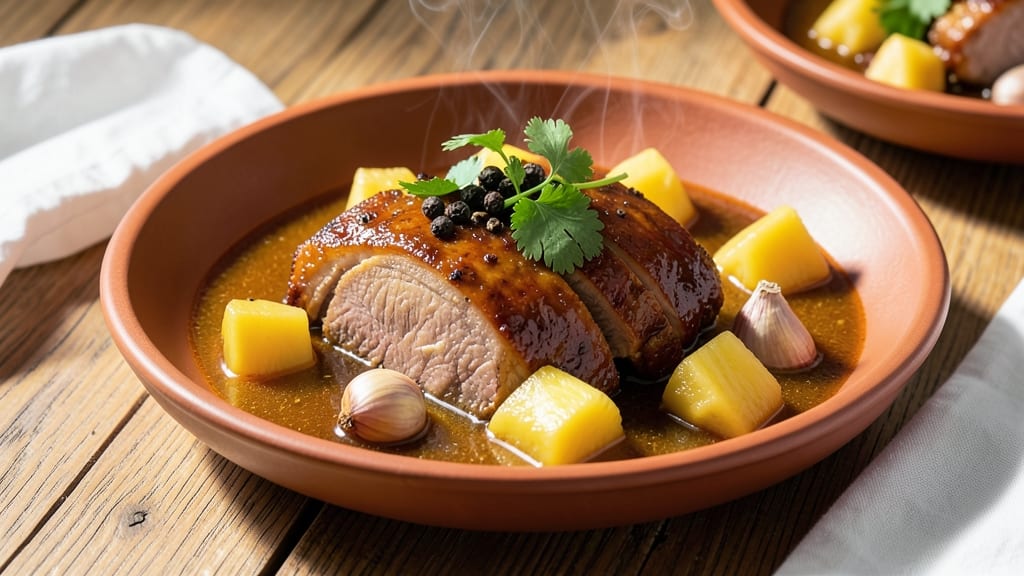
This panlasang Pinoy pork adobo with pineapple recipe transforms a Filipino classic into a sweet-tangy umami bomb that delivers restaurant-quality flavor in one pan. 🌟 The secret lies in balancing traditional soy-vinegar marinade with fresh pineapple chunks, creating a dish that's both nostalgic and unexpected.
I first discovered this version while researching regional variations of adobo—it's the kind of recipe that turns simple ingredients into something extraordinary. The magic happens when the pork tenderizes in the marinade while the pineapple caramelizes slightly, adding natural sweetness that cuts through the savory depth.
Unlike traditional adobo, this version uses panlasang Pinoy techniques that focus on slow braising to develop rich, layered flavors without needing to monitor constantly. The result? Juicy pork with crisp edges, perfectly tender pineapple, and a glossy sauce that's equally good poured over rice or used as a dipping sauce.
What makes this recipe special is its versatility—serve it as a main course with steamed rice or as a filling for tacos and lettuce wraps.
The aroma alone will have everyone gathering around the table, and the balance of flavors ensures it's a crowd-pleaser for both Filipino food enthusiasts and newcomers. The pineapple adds a refreshing contrast to the salty-sour profile, making every bite unforgettable.
Ready in about 2 hours (mostly hands-off time), this dish is perfect for weekend cooking when you want impressive results with minimal fuss. The key is patience—the slow cooking allows the flavors to meld beautifully, creating a sauce that's rich yet bright.
Garnish with fried garlic or fresh cilantro for an extra layer of texture and aroma. Here's how to make it!
Ingredients for pork adobo with pineapple recipe panlasang pinoy
Panlasang Pinoy techniques meet Filipino flavors in this umami-rich adobo with caramelized pineapple.
| Ingredient | Amount | Notes |
|---|---|---|
| Pork Shoulder 🥩 | 2 lb | Cut into 1.5-inch cubes, bone-in preferred |
| Fresh Pineapple Chunks 🍍 | 1 ½ cups | About 1 medium pineapple, cut into 1-inch pieces |
| Soy Sauce 🍶 | ½ cup | High-quality Filipino or Japanese soy sauce |
| Cane Vinegar 🍶 | ⅓ cup | White vinegar works if unavailable |
| Brown Sugar 🍚 | ½ cup | Packed, light or dark variety |
| Garlic Cloves 🧄 | 8 cloves | Minced for marinade and fried garnish |
| Fresh Ginger 🌿 | 2 tbsp | Grated, about 1-inch piece |
| Bay Leaves 🍃 | 2 whole | Dried, for depth of flavor |
| Black Peppercorns 🌶️ | 1 tsp | Crushed, for subtle heat |
| Olive Oil 🫒 | 2 tbsp | Extra-virgin for frying garlic |
| Fresh Cilantro 🌿 | ¼ cup | Chopped, for garnish |
| Salt 🧂 | 1 ½ tsp | Kosher or sea salt, adjust to taste |
| Water 💧 | ½ cup | For balancing sauce consistency |
The pork shoulder is non-negotiable—its fat content renders during slow cooking, creating a velvety sauce. Look for well-marbled cuts at Filipino markets or the butcher section, where they often carry local pork varieties with superior flavor. Fresh pineapple should be vibrant yellow with no brown spots; Dole or Del Monte brands consistently deliver reliable quality. The soy sauce and vinegar are the flavor anchors—Silver Swan soy sauce and cane vinegar from Filipino stores elevate the dish, but Japanese soy sauce and white vinegar work well in a pinch. For the ginger, use the root's younger, less fibrous end for maximum aroma.
No cane vinegar? Apple cider vinegar adds subtle sweetness, while balsamic vinegar at half the amount provides depth. Substituting brown sugar? Coconut sugar maintains similar caramelization, though it's slightly less refined. The garlic can be roasted instead of fried for a milder, sweeter note—simply wrap the minced garlic in foil with a drizzle of olive oil and bake at 400°F for 10 minutes. For those avoiding pineapple, mango chunks work beautifully, though the acidity balance will shift slightly. The bay leaves should be removed before serving, but if you forget, they're harmless—just strain the sauce if desired.
This dish tastes even better the next day as flavors meld further. Store leftovers in an airtight container in the fridge for up to 5 days, though the sauce will thicken—simply add a splash of water when reheating. For freezing, portion the sauce separately from the pork to prevent sogginess; it keeps for 3 months. Garnish with fried garlic and cilantro just before serving to preserve their freshness. The sauce can also be used as a dipping sauce for lumpia or spring rolls, making this recipe a versatile pantry staple worth doubling.
Why You'll Love This Recipe
- One-Pan Magic: I swear by this recipe when I’m too tired to wash extra dishes—just sear the pork shoulder, toss in the pineapple chunks and sauce, and let it simmer. The vinegar and soy sauce caramelize right into the pan, so cleanup’s basically nonexistent.
- Sweet-Savory Balance: Between us, the pineapple chunks cut through the richness of the pork and the tangy vinegar like a dream. That first bite—juicy, slightly caramelized pork with a burst of sweetness? It’s the kind of flavor combo that makes you reach for seconds without thinking.
- Leftovers That Shine: This dish actually tastes better the next day. The pork gets fork-tender, the sauce thickens into a glossy glaze, and I’ve reheated portions straight from the fridge for packed lunches—no soggy rice here, just pure satisfaction.
- Budget-Friendly Crowd-Pleaser: Pork shoulder is forgiving and affordable, and pineapple stretches the meal further than you’d expect. Honestly, I’ve served this to friends who didn’t even know it was “budget” food—until I told them the grocery total. (They still asked for the recipe.)
Step-by-step instructions for pork adobo with pineapple
Master this Filipino classic with perfect balance of sweet, tangy, and umami flavors.
🔥 Step 1: Sear the Pork Shoulder for Deep Flavor
Heat a large Dutch oven or heavy pot over medium-high heat until hot. Add the 2 tablespoons olive oil and swirl to coat the bottom evenly. Working in batches to avoid crowding, add the 2 lb pork shoulder cut into 1.5-inch cubes and sear for 3-4 minutes per side until golden brown and slightly crispy.
This initial searing creates the Maillard reaction that builds rich, caramelized flavors in the sauce. Don't rush this step—you want deep color and texture on each piece. Remove the pork and set aside on a plate, leaving all the browned bits in the pot. These flavorful fondings will form the base of your sauce.
🍳 Step 2: Build the Sweet-Tangy Sauce Base
With the pork removed, reduce heat to medium and add 8 cloves minced garlic and 2 tablespoons grated fresh ginger to the pot. Sauté for 1-2 minutes until fragrant and the garlic turns light golden—don't let it burn. Add the 2 whole bay leaves and 1 teaspoon crushed black peppercorns, stirring for 30 seconds to toast the spices.
Pour in the 0.5 cup soy sauce and 0.33 cup cane vinegar, scraping up any browned bits from the bottom. Bring to a gentle simmer, then add the 0.5 cup brown sugar and 0.5 cup water. Stir until the sugar dissolves completely—this should take about 2 minutes. The sauce should smell complex: salty, tangy, and sweet all at once.
🥘 Step 3: Simmer the Pork Until Tender
Return the seared pork to the pot, spooning some of the sauce over the top to coat. Bring everything to a boil, then immediately reduce heat to low. Cover partially with a lid (leave a small gap for steam to escape) and simmer for 1 hour 15 minutes to 1 hour 30 minutes, stirring occasionally. You're looking for the pork to become fork-tender—it should easily pull apart with minimal resistance.
Here's the thing about this step: patience is key. The pork needs time to break down and absorb all those wonderful flavors. If the sauce reduces too much before the pork is tender, add 2-3 tablespoons water to maintain the right consistency. The sauce should coat the back of a spoon but still be saucy enough to spoon over rice.
🍳 Step 4: Add Pineapple and Finish Cooking
After the pork is tender, stir in the 1.5 cups fresh pineapple chunks. Increase heat to medium-high and bring to a boil. Reduce heat to medium and simmer uncovered for 8-10 minutes until the pineapple softens slightly and the sauce thickens. The pineapple should still have a bit of bite—you don't want it mushy.
Taste the sauce and adjust seasoning if needed. You might need to add a pinch more salt or a splash of vinegar to balance the sweetness. The perfect adobo should have all four flavors working together: sweet, salty, tangy, and umami. Remove and discard the bay leaves before serving.
🔪 Step 5: Garnish and Serve Immediately
Transfer the pork and pineapple to a serving platter, spooning the sauce generously over the top. Garnish with 0.25 cup chopped fresh cilantro and any remaining sauce from the pot. Serve hot over steamed white rice—each bite should deliver tender pork, juicy pineapple, and that complex sauce in perfect harmony.
This dish tastes even better the next day as the flavors meld further, but the pineapple will be at its best when served fresh. The sauce should cling beautifully to the rice, creating a delicious bed for each forkful. Don't forget to fry up some of the reserved garlic cloves in olive oil for a crispy garnish if you're feeling extra fancy!
Pro Tips For Making Pork Adobo With Pineapple Recipe Panlasang Pinoy
- SEAR THE PORK FIRST: I learned this the hard way—skipping the sear means your adobo will taste more like braised pork than caramelized, tangy goodness. Get your pork shoulder screaming hot in a pan with a little oil until it’s deeply browned on all sides. That crust locks in flavor and makes the vinegar-sweet sauce cling better later.
- USE FRESH PINEAPPLE CORE: The core isn’t just scraps—it’s where the sweetest, most concentrated flavor hides. Cut it into chunks alongside the rest, and you’ll save money while adding depth. Just trim off the tough outer rind first, or you’ll end up chewing on fiber instead of enjoying the dish.
- DON’T BOIL DRY: Vinegar and sugar are a volatile pair—if you let the sauce boil too hard, it’ll turn bitter or even burn. Keep it at a gentle simmer, stirring occasionally, and add a splash of water if it reduces too fast. You want a glossy, balanced sauce, not a sticky, vinegary mess.
- SALT THE PORK TWICE: Salt the pork shoulder before searing, then again halfway through cooking. The first layer seasons the meat, while the second helps draw out moisture for that perfect tender texture. I know it sounds redundant, but trust me—your pork will be fall-apart tender, not chewy.
Flavor customization for pork adobo with pineapple recipe panlasang pinoy
Sweet Heat Level
For those who love a little kick, add 1-2 tablespoons of chili flakes or 1 sliced Thai chili with the pineapple. I like to use Penzeys brand chili flakes for their consistent heat—start with 1 tablespoon and adjust to taste.
The pineapple's acidity balances the heat beautifully, creating a perfect harmony of sweet, spicy, and tangy. If you're using fresh chili, remove the seeds for milder heat. 🌶️
Citrus Brightness
Boost the dish's brightness by adding 2 tablespoons of lime or calamansi juice during the final simmer. Calamansi, a Filipino citrus, adds a unique tartness that pairs perfectly with the pineapple.
If you can't find calamansi, lime juice works well—just add it after the pineapple is incorporated to preserve its zing. I often squeeze the juice of 1 lime over the finished dish for extra freshness.
Umami Depth
For an extra layer of umami, stir in 1 tablespoon of fish sauce or 1 teaspoon of oyster sauce when adding the pineapple. These ingredients add a savory depth that complements the pork and pineapple beautifully.
I prefer Red Boat fish sauce for its clean, robust flavor. If you're vegetarian, a dash of soy sauce or mushroom powder can mimic umami without animal products.
Herb Variations
Experiment with different herbs to change the dish's profile. Swap the cilantro for thai basil or mint leaves for a Southeast Asian twist. For a more Mediterranean touch, add 1 tablespoon of chopped Italian parsley and a pinch of dried oregano.
Fresh herbs should be added just before serving to keep their vibrant flavors intact. I love using fresh mint for a refreshing contrast to the rich pork and sweet pineapple.
Smoky Charred Notes
Add a smoky dimension by charring the garlic and ginger before adding them to the pot. Simply wrap the minced garlic and grated ginger in foil with a drizzle of olive oil, then place under a broiler for 3-4 minutes until lightly blackened.
This technique adds a deep, smoky complexity that pairs wonderfully with the sweet-tangy flavors. For an even smokier profile, use liquid smoke—just ½ teaspoon will do the trick. 🔥
Creamy Finish
For a luxurious finish, stir in 2 tablespoons of coconut milk during the final simmer. This adds a velvety texture that balances the tangy and sweet notes. I recommend using full-fat coconut milk for the best results.
For a dairy-free option, cashew cream works beautifully—just blend ¼ cup soaked cashews with 2 tablespoons water until smooth. Add it in the last 5 minutes of cooking to prevent curdling.
Nutrition facts
Frequently asked questions
Can I use chicken instead of pork in this recipe?
You can absolutely substitute chicken! Use 2 boneless, skinless chicken thighs (about 1.5 lbs) cut into 1.5-inch pieces for similar cooking time. Chicken cooks faster than pork, so reduce the simmering time to 45-60 minutes instead of 1.5-2 hours. The pineapple will still caramelize beautifully with the chicken's natural juices.
What if I don't have cane vinegar?
No problem! Use white vinegar or apple cider vinegar in equal amounts. For a deeper flavor, try balsamic vinegar at half the quantity (1.5 tbsp instead of 1/3 cup). The acidity remains similar, though cane vinegar's subtle sweetness is ideal for this dish.
How do I make this dish spicier?
Add 1-2 tablespoons of chili flakes or 1 sliced Thai chili when incorporating the pineapple. For heat control, remove chili seeds first. The pineapple's acidity balances the spice beautifully. I recommend Penzeys brand chili flakes for consistent heat—start with 1 tbsp and adjust to taste.
Can I make this recipe in a slow cooker?
Yes! Brown the pork first, then combine all ingredients (except pineapple) in your slow cooker. Cook on low for 6-7 hours or high for 3-4 hours. Add the pineapple during the last 30 minutes to prevent mushiness. The slow cooker's gentle heat enhances the flavors beautifully while keeping the pineapple tender.
Why did my pineapple turn mushy?
Pineapple softens quickly when cooked. To prevent mushiness, add it only 8-10 minutes before the end of cooking. Keep the heat at medium (not boiling) and avoid overcrowding the pot. For extra texture, use slightly underripe pineapple—it holds up better during cooking. The perfect pineapple should have a slight bite, not be completely soft.