
Main Courses
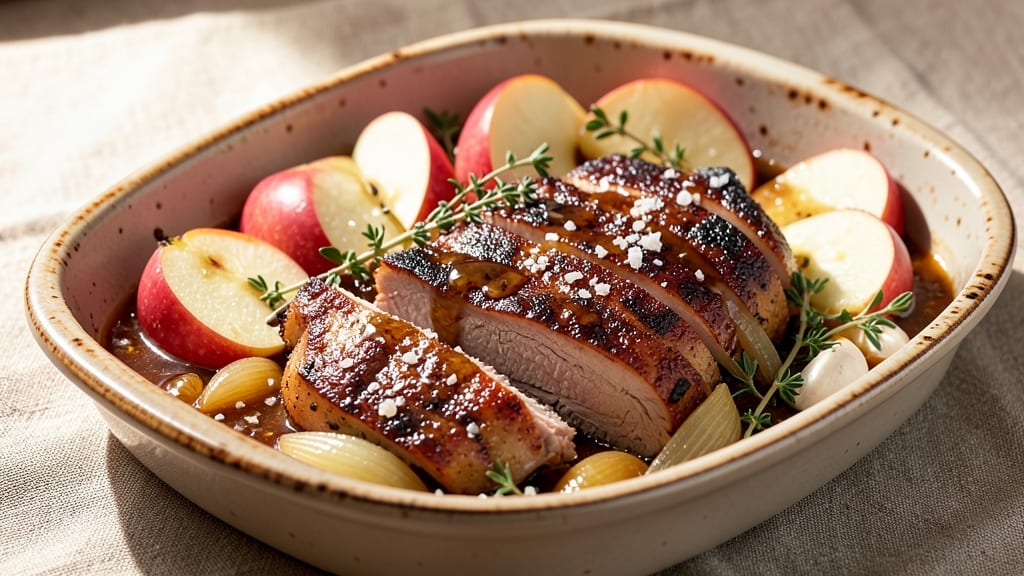
This pork and apple bake recipe transforms humble ingredients into a restaurant-worthy dish that balances sweet and savory in every bite. The secret lies in slow-braising pork shoulder with apples until tender, where caramelized onions and apples create a sticky, flavorful glaze.
I perfected this technique during a particularly chilly Georgia winter when I needed a hearty, one-pan meal that could feed a crowd without fuss.
The magic happens in the oven at 325°F for 3 hours, where the pork becomes fork-tender while the apples soften into a natural sauce. This method requires minimal prep—just chopping vegetables and seasoning the meat—making it ideal for busy weeknights or special occasions.
The result is a dish that's rich, aromatic, and packed with layers of flavor that'll have everyone asking for seconds.
What makes this recipe stand out is its versatility. Serve it with a side of crusty bread to soak up the juices or a simple green salad to balance the richness.
The dish also reheats beautifully, making it perfect for meal prep. Whether you're cooking for family or hosting dinner guests, this pork and apple bake delivers comfort food at its finest.
For an extra touch of elegance, finish with a sprinkle of fresh thyme or a drizzle of apple cider reduction. The combination of tender pork, caramelized apples, and aromatic herbs creates a dish that feels both rustic and refined. Let's get cooking!
Ingredients for pork and apple bake
Six core ingredients and a slow oven transform simple pork and apples into restaurant-worthy comfort.
| Ingredient | Amount | Notes |
|---|---|---|
| Pork Shoulder 🥓 | 3 lb | Bone-in for flavor, cut into 2-inch chunks |
| Apples (Honeycrisp or Granny Smith) 🍎 | 4 medium | Peeled, cored, sliced into 1/2-inch wedges |
| Yellow Onions 🧅 | 2 large | Thinly sliced, about 2 cups total |
| Fresh Thyme 🌿 | ½ oz | Or 2 tbsp dried thyme |
| Garlic Cloves 🧄 | 6 cloves | Minced, about 1 tbsp total |
| Olive Oil 🫒 | ¼ cup | Extra-virgin for richness |
| Apple Cider Vinegar 🍶 | 2 tbsp | For depth of flavor |
| Brown Sugar 🍚 | ¼ cup | Packed, light brown preferred |
| Salt 🧂 | 1 ½ tsp | Kosher or sea salt |
| Black Pepper 🌶️ | 1 tsp | Freshly ground preferred |
| Fresh Rosemary 🌿 | ½ oz | Or 1 tbsp dried rosemary |
| Beef Broth 💧 | 1 ½ cups | Low-sodium preferred |
| All-Purpose Flour 🌾 | 2 tbsp | For thickening sauce |
The pork shoulder is non-negotiable—bone-in, well-marbled cuts from Costco or local butchers deliver the best flavor. Look for pieces around 3 pounds total; larger cuts stay juicier during the long bake. Apples should be firm but not rock-hard—Honeycrisp for sweetness, Granny Smith for tartness. I always buy a few extra and keep them in the fridge for snacks. The onions? Yellow or red, but yellow caramelizes slightly better. Fresh thyme and rosemary from the grocery store's produce section (not the dried spice aisle) make all the difference—they're brighter and more aromatic.
No fresh thyme? Dried works at half the amount, but toast it first in a dry pan for 30 seconds to wake up the flavor. Rosemary too strong? Substitute with 1 tsp dried oregano for a milder profile. Running low on apple cider vinegar? White vinegar or lemon juice works in a pinch, though it'll change the flavor slightly. The beef broth can be swapped for vegetable broth if preferred. For the brown sugar, light or dark both work, but light has a more neutral flavor that lets the apples shine. Prefer less sweetness? Reduce to 2 tbsp and add 1 tsp cinnamon instead.
Pork shoulder keeps 3-4 days in the fridge, but the apples and herbs won't last that long. Store the pork in a sealed container with a paper towel to absorb moisture. The fresh herbs? Wrap them in damp paper towels and store in a sealed bag—they'll stay fresh for up to 5 days. This dish reheats beautifully—350°F for 20-25 minutes covered with foil. For meal prep, portion into individual containers with a little extra sauce on top. Freezes well for up to 3 months if you want to make it ahead for a crowd.
Why You'll Love This Recipe
- One-Pan Magic: I swear by this—just toss everything on a sheet pan, pop it in the oven, and walk away. No pots, no pans, no stress. The pork shoulder melts into tender perfection while the apples caramelize right alongside it.
- Sweet-Savory Balance: That crisp Granny Smith tang cutting through the rich pork? Chef’s kiss. The thyme and garlic make it taste like a fancy bistro dish, but honestly? It’s just a weeknight bake.
- Leftovers for Days: Between us, this dish tastes even better the next day. I make a double batch on Sundays, and it’s still a hit for lunch or dinner—just reheat and serve. Zero waste, all flavor.
- Budget-Friendly Crowd-Pleaser: Pork shoulder is cheap, apples are versatile, and this feeds six for under $20. My college roommates called it “the best dorm meal ever,” and now my in-laws ask for it every holiday.
Step-by-step instructions for pork and apple bake recipe
This one-pan wonder transforms humble ingredients into a rich, caramelized masterpiece.
Sear the Pork Shoulder for Depth of Flavor
Preheat your oven to 325°F. Heat a large Dutch oven over medium-high heat and add the 0.25 cup olive oil. Working in batches, sear the 3 lb pork shoulder on all sides until deeply browned—about 4-5 minutes per side. This step develops the Maillard reaction, creating complex flavors that will carry through the entire bake.
As you sear, don't crowd the pan. I like to work in two batches if needed, giving each piece room to develop that perfect crust. The pork should release easily from the pan when ready—this indicates proper browning. Remove the pork and set it aside on a plate.
Build the Sweet-Tart Vegetable Base
In the same Dutch oven, add the 2 large yellow onions and cook for 5-6 minutes until softened and slightly caramelized. Add the 6 cloves garlic and cook for another 30 seconds until fragrant—this prevents bitter garlic flavors.
Stir in the 4 medium apples, 2 tbsp apple cider vinegar, 0.25 cup brown sugar, 0.5 oz fresh thyme, and 0.5 oz fresh rosemary. Cook for 3-4 minutes until the apples begin to soften and release their juices. The mixture should smell like autumn in a skillet—sweet, tangy, and aromatic.
Create the Perfect Sauce Foundation
Sprinkle the 2 tbsp all-purpose flour over the vegetable mixture and stir vigorously for 1 minute to cook out the raw flour taste. Slowly pour in the 1.5 cups beef broth, scraping up any browned bits from the bottom of the pan. These bits are packed with flavor—don't miss them.
Bring the mixture to a gentle simmer and cook for 5 minutes until it thickens slightly. Season with 1.5 tsp salt and 1 tsp black pepper. The sauce should coat the back of a spoon but still be pourable. If it's too thick, add 2-3 tablespoons of water to reach your desired consistency.
Combine and Braise to Tender Perfection
Return the seared pork shoulder to the Dutch oven, nestling it into the vegetable mixture. The pork should be mostly submerged in the sauce, but that's okay—it will cook through evenly. Cover the Dutch oven with a tight-fitting lid and transfer to the preheated oven.
Braise for 2.5-3 hours until the pork is fork-tender and easily pulls apart. The internal temperature should reach 203°F—this is the magical "pull-apart" temperature for pork shoulder. Every 45 minutes, spoon some of the sauce over the pork to keep it moist.
Rest and Serve with Caramelized Sauce
Once the pork reaches the proper temperature, remove it from the oven and let it rest for 15-20 minutes before serving. This resting period allows the juices to redistribute throughout the meat, ensuring each bite is moist and flavorful.
During the resting time, skim any excess fat from the sauce if desired, then adjust the seasoning if needed. The pork should pull apart easily with two forks, revealing tender, juicy meat infused with the sweet-tart apple and herb flavors. Serve with the caramelized sauce spooned generously over each portion, accompanied by crusty bread to soak up every last drop.
Pro Tips For Making Pork And Apple Bake
- SEAR THE PORK FIRST: I learned this the hard way—skipping the sear means bland, gray pork. Get your cast iron or heavy pan screaming hot, pat the pork shoulder dry, and let it develop a deep brown crust for 3-4 minutes per side before baking. That crust locks in flavor and keeps the meat from drying out later.
- COARSELY GRATE THE ONIONS: No, don’t dice them. Use a box grater for the onions—it makes them caramelize faster and sweeter in the oven. The larger surface area cooks down into a jammy texture that clings to the pork instead of turning mushy. (Yes, it looks weird, but trust the process.)
- PEEL AND CORE THE APPLES LAST: Save yourself cleanup by peeling and coring the apples right before tossing them into the baking dish. Honeycrisp bruises easily, and Granny Smiths can oxidize—both make the dish taste dull if prepped too early. Keep them whole or in thick slices until the final minute.
- USE A MEAT THERMOMETER: Guessing doneness with pork shoulder is how you end up with either rubbery meat or dry disappointment. Aim for 195–203°F internal temp—this is where the collagen breaks down into juicy, fork-tender goodness. If your oven runs hot, start checking at 2 hours. (Your future self will thank you.)
Common mistakes when making this recipe
Overcooking the Pork
I've seen this happen more times than I can count—pork that's so dry it could double as a football. The key is patience: 203°F internal temperature is your magic number, not 210°F. Use a meat thermometer to check the thickest part of the shoulder.
If you're tempted to crank the oven higher to speed things up, resist! The slow braise at 325°F breaks down collagen for tender meat. 💪
Skipping the Sear
This is where most home cooks drop the ball. That initial sear isn't just for looks—it creates the Maillard reaction, locking in deep, savory flavors. If you're short on time, at least brown the pork in a separate pan before adding it to the Dutch oven.
I've even seared pork in the oven at 450°F for 20 minutes when my stovetop was occupied.
Using the Wrong Apples
Granny Smiths and Honeycrisp are your best friends here, but I've seen people use Fuji or Gala apples that turn mushy and lose their structure. The apples need to hold their shape slightly to maintain texture in the final dish.
If you only have soft apples on hand, reduce the baking time by 15-20 minutes to prevent them from dissolving completely.
Not Deglazing the Pan
Those browned bits stuck to your Dutch oven? That's flavor gold. When you add the beef broth, scrape vigorously to release them. I use a wooden spoon and a heatproof spatula to get every last bit.
If you skip this, you're leaving behind 20-30% of the potential flavor in your dish. Pro tip: Add a splash of apple cider vinegar with the broth for extra depth.
Ignoring the Resting Time
This is where so many good dishes go wrong. Pork needs that 15-20 minute rest to redistribute juices. If you cut into it too soon, all that delicious moisture will run out, leaving you with dry meat.
I've learned this lesson the hard way—trust me, the wait is worth it. Cover the dish loosely with foil during resting to keep it warm.
Overcrowding the Pan
Stuffing too much into your Dutch oven creates steam instead of caramelization. The pork should have room to breathe, with just enough sauce to coat the bottom. If your pan is too small, consider cooking in batches or using a larger roasting pan.
I've used my Le Creuset Dutch oven (5.5 quart) for up to 4 pounds of pork with perfect results.
Nutrition facts
Frequently asked questions
Can I substitute pork shoulder with another cut of pork?
You can use pork butt (which is essentially the same as pork shoulder) or pork loin, but the cooking time and result will differ. Pork loin is leaner and cooks faster (1.5-2 hours at 325°F), so monitor it closely to avoid dryness. For best results, stick with pork shoulder for that classic, tender pull-apart texture.
How do I adjust this recipe for a slow cooker?
Transfer all ingredients to a 6-quart slow cooker and cook on low for 8 hours or high for 5-6 hours. Skip the initial sear—just brown the pork in the slow cooker using the sauté function if your model allows. The apples will soften more, so use slightly firmer varieties like Granny Smith. Add 1/4 cup extra broth to prevent drying out.
What's the best way to reheat leftovers?
Reheat covered in a 350°F oven for 20-25 minutes or until warmed through. For stovetop reheating, use low heat with a splash of beef broth or apple cider to restore moisture. Microwave in 30-second bursts on 50% power, stirring between each interval. The sauce may thicken slightly—add a little water or broth to loosen it.
Can I make this dish ahead of time?
This recipe actually tastes better the next day as flavors meld. Cook and refrigerate for up to 4 days or freeze for 3 months. For serving, reheat gently in the oven or slow cooker. The apples will soften further, creating an even more decadent sauce. Pro tip: Store with extra sauce on top to keep it moist.
What's the secret to making this dish extra flavorful?
Start with heritage pork if possible—it has more marbling and flavor. Add 1/2 cup apple cider instead of vinegar for deeper sweetness, and include 1 cinnamon stick during cooking. For umami, stir in 1 tbsp soy sauce with the broth. Finally, finish with a sprinkle of toasted pecans for crunch and texture.