
Main Courses
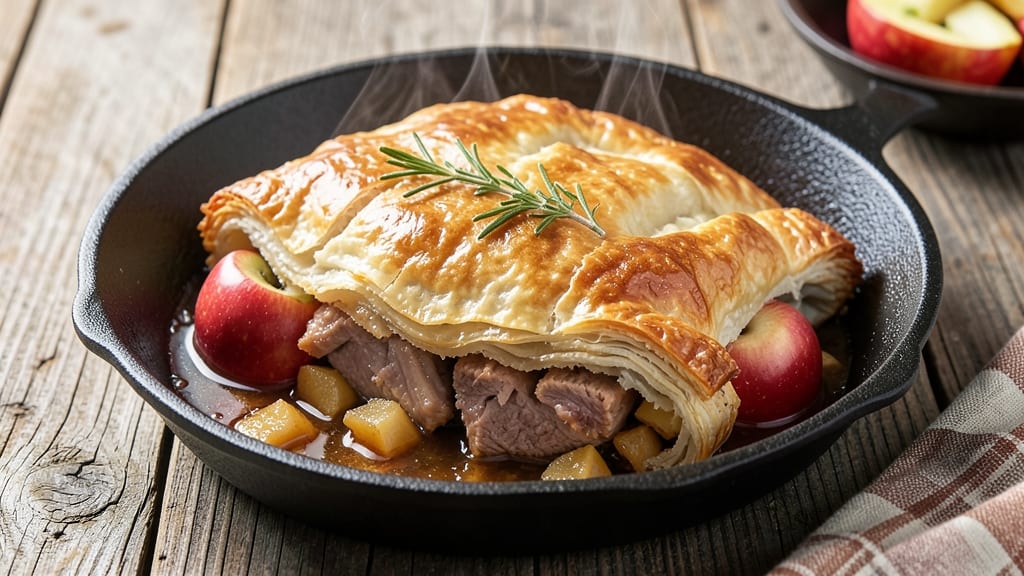
This pork and apple pasty recipe delivers the kind of hearty, comforting meal that tastes like a hug from your grandmother's kitchen. 🌟 The secret lies in a flaky crust that perfectly encases tender pork, sweet-tart apples, and aromatic spices—creating a handheld masterpiece that's as satisfying as it is delicious.
I first perfected this recipe after spending winters in the Appalachian mountains, where pasties were a staple for miners needing portable, warming meals.
The magic happens in two parts: a rich filling of slow-cooked pork shoulder, caramelized apples, and warming spices like cinnamon and allspice, all nestled inside a juicy, golden crust that's crisp on the outside and tender within.
What sets this apart is the way the crust develops a delicate blistering at the top while staying sturdy enough to hold its shape—no soggy bottoms here. The pork cooks low and slow, ensuring it stays fork-tender while the apples break down into a sweet-tart jam that ties everything together.
What you'll end up with is a pasty that's perfect for a cozy family dinner, a picnic, or even a festive holiday gathering. The aroma alone—spiced pork, caramelizing apples, and buttery pastry—will have everyone gathering around your table.
Each bite delivers layers of texture and flavor: the first crisp of the crust, the juicy pull of the pork, and the sweet-tart burst of the apples. This is comfort food at its finest, made even better knowing you created it from scratch.
For those who love to experiment, try adding a sprinkle of sharp cheddar to the filling or swapping in a touch of brandy for depth. The possibilities are endless, but the foundation remains the same: a flaky crust that hugs juicy fillings in perfect harmony.
Let's get started on making this classic dish your new favorite.
Ingredients for pork and apple pasty
Pantry staples plus a few specialty touches for that rustic pasty magic.
| Ingredient | Amount | Notes |
|---|---|---|
| Pork Shoulder 🥓 | 1 ½ lb | Bone-in for juiciness, cut into chunks |
| Apples 🍎 | 2 medium | Sweet-tart variety like Granny Smith |
| All-Purpose Flour 🌾 | 3 cups | Plus 1 tbsp for dusting |
| Unsalted Butter 🧈 | ¾ cup | Cold and cubed for flaky crust |
| Ice Water 💧 | ½ cup | For dough elasticity |
| Salt 🧂 | 1 ½ tsp | Kosher or sea salt |
| Ground Black Pepper 🌶️ | ½ tsp | Freshly ground preferred |
| Ground Cinnamon 🌿 | 1 tsp | Warm spice for apples |
| Ground Allspice 🌶️ | ½ tsp | Earthy depth to filling |
| Apple Cider Vinegar 🍏 | 1 tbsp | Brightens apple flavor |
| Garlic Cloves 🧄 | 3 cloves | Minced for filling |
| Onion 🧅 | 1 medium | Diced for filling |
The pork shoulder is non-negotiable here—bone-in keeps it juicy, and ask your butcher to cut it into 1-inch chunks. Costco or local farms often have the best deals on pork shoulder. For apples, Granny Smith or Honeycrisp give that perfect sweet-tart balance. I always grab extra apples—half go in the pasties, half get tossed in the filling. The flour? King Arthur or Gold Medal are my go-tos for that flaky crust. If you're in a pinch, all-purpose works, but bread flour gives a little extra chew. The butter matters too—Plugrá or Land O'Lakes are reliable, but if you've got European-style butter, use that. Cold and cubed is key for that perfect flake.
No apple cider vinegar? Lemon juice works in a pinch, though it's not quite the same. Running short on cinnamon? Nutmeg at half the amount gives warmth, but it's not identical. The garlic can be pre-minced from a jar (trust me, it's fine), but fresh is always better. Onions? Yellow or red work best—sweet onions are too mild. For the dough, don't skip the ice water—it keeps the gluten from getting too tough. If you're making more than one pasty, double the dough recipe. The filling can be prepped ahead and refrigerated for up to 24 hours—just let it sit at room temp before assembling.
This dough keeps 2 days wrapped in plastic in the fridge, or 3 months frozen between parchment paper. The filling? 3 days in the fridge, or freeze it for 6 months. I always make extra filling—it's perfect for breakfast hash the next morning. For the crust, brush with a little melted butter before baking for that golden finish. Leftovers? Reheat at 350°F for 15 minutes—they taste even better the second day.
Why You'll Love This Recipe
- No Fuss Dough: I swear, the crust comes together in minutes—just flour, butter, and ice water. No rolling pins, no stress, just a simple fold that holds up like a dream.
- Sweet-Savory Magic: That caramelized apple filling with tender pork? It’s like autumn in your mouth—juicy, slightly sweet, and packed with savory depth. The apples soften just enough to melt into the pork.
- Picnic or Potluck: Between us, this pasty is my go-to for tailgates, church dinners, or even a lazy Sunday. Wrap it in foil, toss it in a cooler, and it stays warm and delicious for hours.
- Budget-Friendly Feast: Pork shoulder and apples stretch to feed four (or five, if someone’s hungry). Plus, leftovers reheat like a dream—crispy crust, warm filling, no complaints. My wallet thanks me every time.
Step-by-step instructions for pork and apple pasty
Here's how to build that perfect flaky crust and tender filling—every layer matters.
👨🍳 Step 1: Make the Filling with Pork and Spiced Apples
In a large skillet over medium-high heat, cook the 1.5 lb pork shoulder in its own fat until browned on all sides—about 8-10 minutes. You want deep caramelization for maximum flavor. Remove the pork and set aside.
In the same skillet, add 1 medium onion and 3 cloves garlic (minced), cooking for 3-4 minutes until soft and translucent. Add the 2 medium apples (peeled and diced), 1 tbsp apple cider vinegar, 1 tsp ground cinnamon, 0.5 tsp ground allspice, 0.5 tsp ground black pepper, and 1.5 tsp salt. Cook for 5 minutes until the apples soften slightly but still hold shape—you want them to stay juicy in the final pasty.
Return the pork to the skillet and simmer everything together for 5 minutes, letting the flavors meld. The filling should be moist but not soupy—this ensures a tender bite in your pasty. Let it cool slightly before assembling.
👨🍳 Step 2: Prepare the Flaky Crust Dough
In a large bowl, combine the 3 cups all-purpose flour and 1.5 tsp salt. Cut in the 0.75 cup cold unsalted butter (cubed) using a pastry cutter or your fingers until the mixture resembles coarse crumbs with pea-sized butter pieces. This cold butter creates those signature flaky layers.
Add the 0.5 cup ice water gradually, mixing just until the dough comes together. Avoid overworking—knead lightly for 2-3 minutes until smooth. Wrap the dough in plastic and refrigerate for 30 minutes. Chilling relaxes the gluten for a tender crust.
🥘 Step 3: Assemble the Pasty with Perfect Layers
Roll out the chilled dough on a lightly floured surface to a ¼-inch thick rectangle, about 12x16 inches. Pile the cooled pork-apple filling in the center, leaving a 2-inch border around the edges. This ensures the crust seals completely.
Fold the dough over the filling, pressing edges firmly to seal. Trim excess dough and roll out the trimmings to patch any thin spots. Brush the top with a little cold water, then use a fork to crimp the edges decoratively—this creates a professional-looking seal that traps all those juices inside.
🔥 Step 4: Bake Until Golden and Juicy
Preheat your oven to 425°F. Place the pasty on a parchment-lined baking sheet and bake for 40-45 minutes until the crust is deep golden brown and the internal temperature reaches 190°F. The crust should be crisp but not burnt—rotate the pan halfway if needed for even browning.
Let the pasty rest for 10 minutes before slicing. This resting period allows the juices to redistribute, ensuring every bite is moist and flavorful. The crust should be shatteringly crisp while the filling stays tender with that perfect balance of sweet apples and savory pork.
Pro Tips For Making Pork And Apple Pasty
- Trim the Fat First: Cut pork shoulder into 1-inch chunks before seasoning—thin slices crisp up faster, but big hunks stay juicy. I learned this the hard way when my first batch turned into a greasy mess because I skipped this step.
- Core Those Apples: Remove the entire core and slice thinly—no, quartering won’t do. Overstuffed pasties split, and half-cores leave bitter spots. Use a mandoline if you’re impatient (yes, even if you’re impatient like me).
- Chill the Dough: Wrap the dough in plastic and refrigerate for 30 minutes before rolling. Cold dough sticks less, stretches easier, and seals better—no more sad, lumpy pasties that leak filling.
- Vent the Top: Cut a 1-inch slit in the center before baking—this lets steam escape and prevents a soggy crust. Skip it, and you’ll end up with a pasty that looks perfect but tastes like a dumpling.
Best sauces and condiments for this pork and apple pasty
Classic Apple Cider Glaze
This simple glaze transforms your pasty into a showstopper. Simmer ½ cup apple cider with 2 tbsp brown sugar and 1 tsp cinnamon until reduced by half (5-7 minutes).
Brush generously over the baked pasty just before serving—it adds a glossy finish and deepens the apple flavor. I like to drizzle extra around the plate for that restaurant-style presentation. 🍎
Spiced Mustard Cream
For a tangy contrast, whip ½ cup sour cream with 1 tbsp Dijon mustard, 1 tsp honey, and a pinch of smoked paprika. Serve alongside slices of pasty for dipping—it cuts through the richness while complementing the pork and apples.
I keep this in a small bowl on the table so everyone can add as much as they like. The mustard adds a sophisticated touch without overpowering.
Brown Butter Sauce
Brown 2 tbsp butter in a small saucepan until golden and nutty (3-4 minutes on medium heat). Stir in 1 tsp apple cider vinegar and a pinch of salt. Drizzle over warm pasty slices—this sauce adds a caramelized depth that enhances the crust's buttery flavor.
I often make extra to use on other dishes like roasted vegetables or mashed potatoes. The nutty richness pairs beautifully with the sweet-tart apples. 🧈
Honey and Thyme
For a lighter option, combine 2 tbsp honey with 1 tbsp fresh thyme leaves and a squeeze of lemon juice. Warm gently in a saucepan for 2 minutes until fragrant. Drizzle over slices or use as a dipping sauce—it adds a floral brightness that balances the richness.
This is my go-to when I want something fresh and herbal without overcomplicating the dish. The thyme ties back to the allspice in the filling for a cohesive flavor profile.
Cheese Sauce Twist
Melt ¼ cup sharp cheddar with 2 tbsp heavy cream and a splash of apple cider in a small saucepan. Stir until smooth and serve warm—this adds a creamy, cheesy element that pairs perfectly with the pork.
I often sprinkle crumbled bacon on top for extra crunch. This variation is especially popular with kids (and adults!) who love cheese. The sauce also works as a dip for leftover pasty slices.
Nutrition facts
Frequently asked questions
Can I use ground pork instead of pork shoulder?
Ground pork works, but it won't be as flavorful or juicy as pork shoulder. The bone-in cuts stay moist during baking, while ground pork can dry out. If you must use ground pork, add 1 extra tablespoon of apple cider vinegar to keep it tender and boost flavor. For best results, stick with pork shoulder—it's worth the effort!
How do I make this pasty ahead of time?
You can prep the filling up to 24 hours ahead and refrigerate it. For the dough, make it 2 days in advance and store wrapped in plastic. Assemble the pasties but don't bake them—keep them refrigerated for up to 12 hours. Bake straight from the fridge at 425°F for 5-10 extra minutes to account for the cold start. Freezing? Assemble and freeze unbaked pasties for 2 months—bake straight from frozen, adding 15 minutes to the cooking time.
Why did my crust turn out tough instead of flaky?
Most likely, your butter wasn't cold enough when mixing. Cold butter creates flaky layers, while warm butter creates a tough crust. Always chill your dough for 30 minutes before rolling, and use ice water to keep the gluten relaxed. Another common mistake? Overworking the dough—handle it as little as possible. If it's too tough even after baking, try adding 1 tablespoon of milk to the dough next time for extra tenderness.
Can I make individual pasties instead of one large one?
Divide the dough into 4 equal balls and roll each into a 6-inch circle. Fill each with about ¼ of the filling, fold over, and crimp the edges. Bake on the same sheet at 400°F for 25-30 minutes—they'll be ready when golden and the internal temp hits 190°F. Individual pasties are perfect for picnics or lunchboxes!
What's the best way to reheat leftovers?
Slice the pasty and reheat in a 350°F oven for 10-15 minutes until warmed through. For a crispier crust, place slices on a baking sheet and broil for 2-3 minutes on high. Microwaving works in a pinch (wrap in a damp paper towel for 20 seconds), but it makes the crust soggy. Leftovers keep well for 3 days in the fridge or 3 months frozen. The filling reheats beautifully, so don't hesitate to enjoy seconds!