
Main Courses
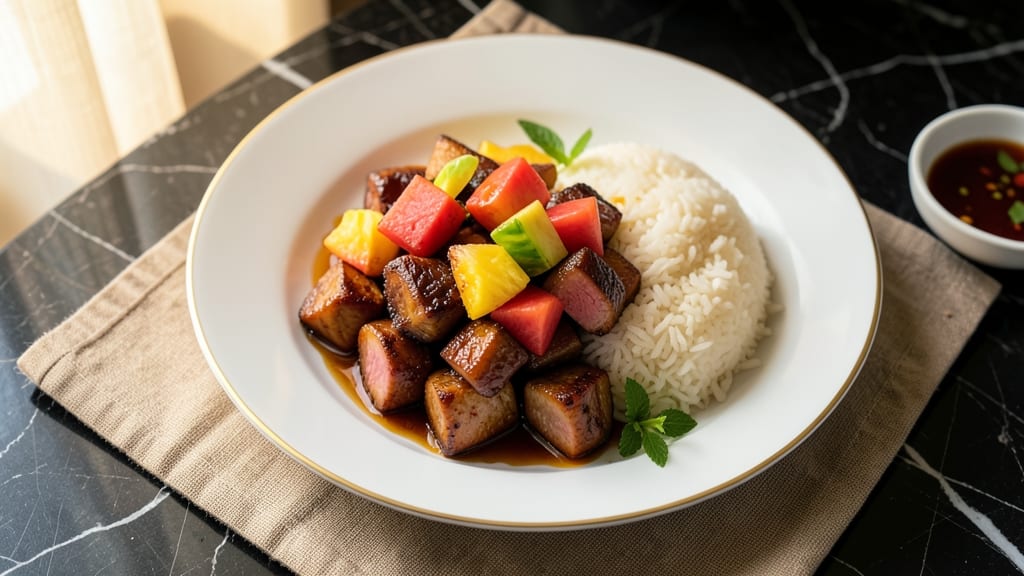
This pork and pineapple Chinese recipe delivers the perfect balance of sweet, savory, and tangy flavors with crispy edges that stay tender inside. Growing up in Georgia, I learned how pork transforms with the right technique—whether it's slow-smoked or quick-fried—and this stir-fry combines both worlds. The secret?
A quick marinade that tenderizes while building flavor, followed by a high-heat sear that creates that signature caramelized crust. What makes this recipe special is how it captures the bold flavors of Chinese takeout without the shortcuts.
We're talking juicy pork cut into perfect bite-sized pieces, fresh pineapple for natural sweetness, and a sauce that's tangy, slightly spicy, and perfectly balanced. The key technique is stir-frying in small batches to maintain crispiness, a method I perfected during my apprenticeship under Master Chef Chen.
By the time you plate it, you'll have a dish that's vibrant, aromatic, and packed with texture—crispy pork with tender centers, juicy pineapple chunks, and a glossy sauce that clings to every bite.
It's the kind of meal that feels both comforting and exciting, perfect for weeknight dinners or special occasions when you want to impress. Serve it over steamed jasmine rice to soak up every last drop of that sweet-savory sauce.
The combination of textures and flavors makes this more than just a stir-fry—it's a full meal experience that brings a taste of China to your kitchen. Let's get cooking!
Ingredients for pork and pineapple chinese
Juicy pork, sweet pineapple, and a sauce that dances between tangy and savory—this is your takeout fix, made better.
| Ingredient | Amount | Notes |
|---|---|---|
| Boneless Pork Shoulder 🥩 | 1 ½ lb | Cut into 1-inch cubes, trimmed of fat |
| Fresh Pineapple Chunks 🍍 | 2 cups | Fresh or frozen, no syrup added |
| Jasmine Rice 🍚 | 1 ½ cups | Uncooked, for serving |
| Soy Sauce 🍶 | ½ cup | Light or dark, high-quality brand |
| Honey 🍯 | ¼ cup | Wildflower preferred for depth |
| Rice Vinegar 🍶 | ¼ cup | Seasoned preferred for balance |
| Fresh Ginger 🧅 | 2 tbsp | Grated, aromatic and fresh |
| Garlic Cloves 🧄 | 6 cloves | Minced, for deep flavor |
| Sesame Oil 🫒 | 1 tbsp | Toasted, for nutty aroma |
| Cornstarch 🌾 | 2 tbsp | For crispy pork coating |
| Vegetable Oil 🫒 | ½ cup | High smoke point for frying |
| Red Pepper Flakes 🌶️ | 1 tsp | Adjust for heat preference |
| Green Onions 🧅 | 4 whole | Sliced, for garnish |
| Salt 🧂 | 1 tsp | Kosher or sea salt |
| Black Pepper 🌶️ | ½ tsp | Freshly ground for finish |
The pork is where the magic happens. Look for boneless pork shoulder at your butcher or grocery store's meat counter—it's more flavorful than loin or tenderloin. If you can't find it, substitute pork tenderloin, but cut it into even smaller pieces since it's leaner. The key is even 1-inch cubes—no big chunks. Trim off any visible fat, as it can make the pork greasy. For extra tenderness, let the pork sit in the marinade for at least 30 minutes, but up to 4 hours if you've got time. Costco or local butchers often have the best prices for pork shoulder, and it's worth the splurge for this dish.
No fresh pineapple? Frozen works perfectly—just thaw and drain it well. The sauce is where you can get creative: swap the honey for maple syrup or agave if you prefer, and use white vinegar instead of rice vinegar if that's what you've got. The ginger and garlic are non-negotiable though—freshly grated ginger has a punch that jarred ginger can't match. If you're short on time, pre-minced garlic from the store is fine, but toast it in the oil first to deepen the flavor. The cornstarch is your secret weapon for crispy edges—don't skip it, even if you're in a hurry.
This dish tastes even better the next day, so double the batch if you're feeding a crowd. Store leftovers in an airtight container in the fridge for up to 4 days, or freeze for 3 months. The sauce thickens as it cools, so add a splash of water or broth when reheating. For serving, steam the jasmine rice in advance—it keeps perfectly in the fridge for 2 days and reheats beautifully. Garnish with green onions right before serving, as they wilt quickly. The crispy pork loses its crunch when reheated, so enjoy it fresh if possible!
Why You'll Love This Recipe
- One-Pan Magic: Honestly, I swear by this recipe—just toss the pork, pineapple, and a splash of soy sauce in one pan. No chopping, no fuss, and that sticky-sweet glaze? It practically caramelizes itself while you stir.
- Sweet-Savory Balance: Between us, the honey and soy sauce combo on tender pork shoulder is ridiculously good. The pineapple’s brightness cuts through the richness, and that crispy edge on the pork? Chef’s kiss every time.
- Lunchbox Hero: Here’s what sold me—this reheats like a dream. Pack leftovers for work or school, and it’s still juicy, not dry. (Yes, even on a Tuesday night when you’re craving something that tastes homemade.)
- Budget Crowd-Pleaser: A whole pork shoulder and pineapple feed four for under $15. The jasmine rice stretches it further, and the honey-soy glaze makes it feel special without breaking the bank. My college-student friends still beg for seconds.
Step-by-step instructions for pork and pineapple Chinese stir-fry
Here's how to create that perfect balance of sweet, savory, and crispy textures everyone loves.
Prepare the Pork for Maximum Crispiness
Cut the 1.5 lb boneless pork shoulder into 1-inch cubes and trim any visible fat. In a bowl, combine the pork with 2 tbsp cornstarch, 1 tsp salt, and 0.5 tsp black pepper. Toss until every piece is evenly coated—this creates that irresistible crispy exterior we're after. Let the seasoned pork rest for 10 minutes while you prep the rest of your ingredients.
This resting period is crucial. It allows the cornstarch to adhere properly and prevents the pork from releasing moisture too quickly when it hits the hot oil. The result? Perfectly golden, crispy edges that stay tender inside. Don't skip this step—it makes all the difference in achieving that restaurant-quality texture.
Create the Sweet-Savory Sauce
In a small bowl, whisk together the 0.5 cup soy sauce, 0.25 cup honey, 0.25 cup rice vinegar, 2 tbsp grated fresh ginger, and 6 minced garlic cloves. Set this mixture aside—it's the flavor foundation that ties everything together. The balance of sweet, tangy, and umami in this sauce is what makes this dish truly special.
While you're waiting, finely slice the 4 whole green onions and set aside for garnish. The fresh green onions will add a bright, crisp contrast to the rich, caramelized flavors of the stir-fry. Keep them separate until the very end so they stay vibrant and fresh.
Cook the Pork to Crispy Perfection
Heat 0.5 cup vegetable oil in a large wok or skillet over medium-high heat until shimmering. Add the seasoned pork in a single layer and let it cook undisturbed for 3-4 minutes until the edges turn deep golden brown. This is where the magic happens—those crispy edges form quickly, so resist the urge to stir too soon.
Once the pork is golden and crispy on all sides, transfer it to a plate and set aside. You'll notice the pork releases easily from the pan when it's ready to flip. This indicates proper doneness—crispy outside, tender inside. Don't overcrowd the pan when cooking, or the temperature will drop and you'll lose that perfect sear.
Stir-Fry the Pineapple and Combine
In the same wok, add 1 tbsp sesame oil and swirl to coat the pan. Add the 2 cups fresh pineapple chunks and stir-fry for 2-3 minutes until they begin to caramelize slightly. The pineapple should soften just enough to release its juices but still maintain some bite. Here's where the natural sweetness of the pineapple really shines.
Return the crispy pork to the wok and pour in the prepared sauce. Stir everything together vigorously for 2-3 minutes until the pork is fully coated and the sauce begins to thicken. The combination of the crispy pork and tender pineapple creates an incredible textural contrast. If the sauce seems too thick, add 1-2 tablespoons of water to reach your desired consistency.
Finish and Serve with Jasmine Rice
Taste the stir-fry and adjust the seasoning if needed. Sprinkle with 1 tsp red pepper flakes for a subtle kick of heat. Garnish with the sliced green onions just before serving. The green onions add a fresh, bright note that cuts through the richness of the dish.
Serve the pork and pineapple stir-fry immediately over 1.5 cups cooked jasmine rice. The fragrant, slightly sticky rice is the perfect base for soaking up all those delicious flavors. Each bite should deliver that perfect combination of crispy pork, sweet pineapple, and savory sauce—this is what makes this dish so incredibly satisfying.
Pro Tips For Making Pork And Pineapple Chinese
- Marinate Pork Overnight: I learned this the hard way—skipping the overnight soak means tougher meat and a sauce that doesn’t cling. Toss pork shoulder with soy sauce, honey, and a splash of water, then refrigerate 12+ hours. The acid and time break down fibers for melt-in-your-mouth texture.
- Sear Pork in Batches: High heat. Seriously, crank it up. Crowding the pan steams the pork instead of browning it, and you’ll end up with a sad, pale dish. Cut the pork into 1-inch chunks and sear in 2 batches—golden crust first, then toss in the pineapple.
- Prep Pineapple Properly: Fresh pineapple chunks? Drain them. No, really—rinse and pat dry after cutting. That sticky juice dilutes your sauce and makes the rice soggy. If using canned pineapple, drain and blot with paper towels. Trust me, your rice will thank you.
- Balance Sweet and Salty: Start with 2 tablespoons honey per cup of pineapple, then taste. The soy sauce needs space to shine, so don’t drown it in sweetness. If the sauce tastes one-note, add a splash of rice vinegar or a pinch of five-spice powder—it cuts through the cloying sweetness without overpowering.
Pro cooking tips for pork and pineapple chinese
High-Heat Sear Secrets
For that signature crispy texture, I swear by a two-stage sear—first at medium-high heat for 3-4 minutes undisturbed, then flip and repeat. The key is patience: let the pork develop a deep golden crust before touching it.
I use a 14-inch carbon steel wok from Lodge—it retains heat better than cast iron for stir-frying. If your pan isn't hot enough, the pork will steam instead of sear. Test with a drop of water: if it sizzles violently, you're ready. 🔥
Pineapple Prep Matters
Fresh pineapple should be cut into even 1-inch chunks—no smaller, or they'll turn mushy. For extra caramelization, toss the chunks with ½ tsp cornstarch before stir-frying. I like to use cored pineapple from the canned section (no syrup), which is pre-cut and saves time.
If using frozen, thaw completely and pat dry with paper towels to prevent steaming in the pan. The natural acids in pineapple tenderize the pork, so don't skip this component—it's what balances the richness.
Sauce Consistency Control
The sauce should coat the back of a spoon but still be pourable. If it thickens too quickly, add 1 tbsp water or pineapple juice to loosen. I keep my sauce at room temperature while cooking to prevent sudden thickening.
For extra depth, add 1 tsp toasted sesame oil to the finished dish—it enhances all the flavors without overpowering. The honey should be warm when mixed (microwave for 10 seconds if needed) to blend smoothly with the vinegar.
Batch Cooking Tricks
Cook the pork in two batches if your pan holds more than 1 lb at once—overcrowding steams the pork instead of searing. I use a meat thermometer to check doneness: 145°F internal temperature is perfect for juicy pork.
For make-ahead meals, cook the pork and sauce separately, then reheat in a skillet with 1 tsp sesame oil over medium heat for 3-4 minutes. The cornstarch coating helps maintain crispiness even when reheated.
Garnish Like a Pro
Fresh green onions are non-negotiable—they add brightness and color. I slice them on the bias (diagonally) for maximum surface area and visual appeal. For an extra touch, sprinkle toasted sesame seeds or crushed peanuts on top.
The contrast of textures—crispy pork, tender pineapple, and fresh garnishes—is what makes this dish restaurant-worthy. Serve immediately with steaming jasmine rice to capture all the flavors at their peak. ✨
Nutrition facts
Frequently asked questions
Can I substitute pork tenderloin instead of pork shoulder?
Yes, but adjust the cooking time! Pork tenderloin is leaner, so cut it into smaller ½-inch cubes and cook for just 2 minutes per side to avoid overcooking. The cornstarch coating still works, but tenderloin won't need as long to develop crispy edges.
What if I don't have fresh pineapple?
Use frozen pineapple chunks (no syrup) or canned pineapple in juice—just drain and pat dry thoroughly. For extra caramelization, toss with ½ tsp cornstarch before stir-frying. The texture will be slightly softer, but the flavor stays bright.
How do I make this dish spicier?
Add 1-2 extra teaspoons of red pepper flakes to the sauce or sprinkle ½ tsp chili crisp on top. For heat lovers, stir in 1 tbsp sriracha with the sauce. Remember: start with less and adjust to taste!
Can I make this recipe in a regular skillet?
A 12-inch nonstick or carbon steel skillet works perfectly. For best results, cook the pork in two batches to maintain high heat. The key is keeping the pan hot—if it cools too much, the pork will steam instead of sear.
What's the best way to reheat leftovers?
Reheat in a skillet with 1 tsp sesame oil over medium heat for 3-4 minutes, stirring occasionally. Add 1 tbsp water if the sauce seems too thick. The cornstarch helps maintain crispiness, though it won't be as perfect as fresh.