
Main Courses
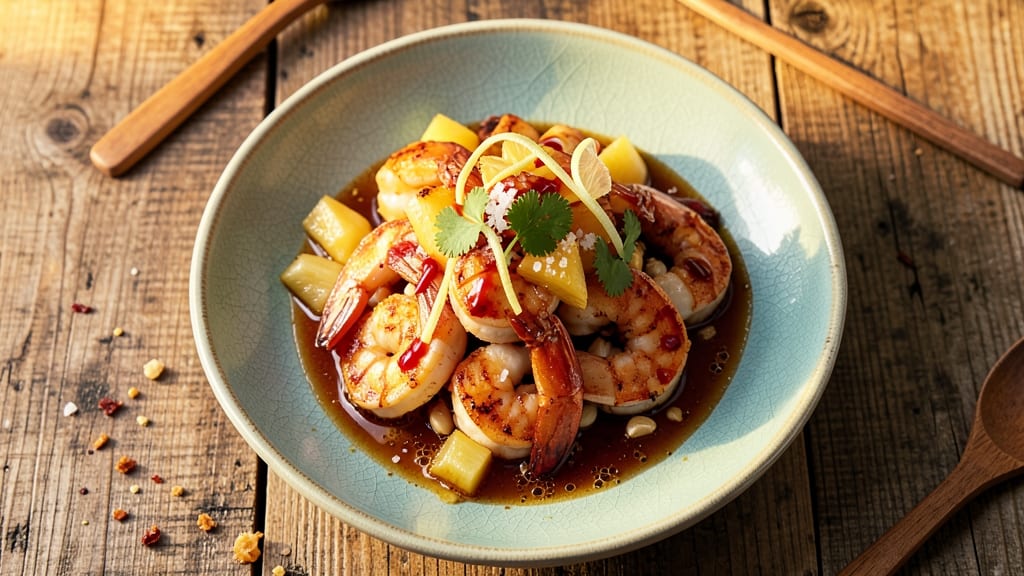
This Chinese pineapple shrimp recipe delivers the perfect balance of sweet, savory, and crispy edges that make every bite unforgettable. The secret lies in a marinade that tenderizes the shrimp while building layers of flavor—garlic, ginger, and a touch of pineapple juice that infuses the seafood with tropical brightness.
I developed this recipe after years of perfecting stir-fry techniques, ensuring the shrimp stays juicy inside with a golden, caramelized crust that holds up beautifully.
The sauce is where the magic happens—a harmonious blend of soy sauce, brown sugar, and a splash of pineapple juice that creates a glossy, slightly sticky glaze. This isn’t just a stir-fry; it’s a dish that captures the essence of Chinese street food with a modern twist.
The pineapple adds natural sweetness that cuts through the richness, while the garlic and chili bring a subtle kick that keeps your taste buds engaged.
By the time you plate this dish, you’ll have perfectly seared shrimp with crispy edges that give way to tender, succulent centers, all coated in a glossy, aromatic sauce. The shrimp’s natural sweetness pairs beautifully with the tangy-sweet glaze, creating a dish that’s both elegant and approachable.
Serve it over steamed jasmine rice or with a simple cucumber salad to round out the meal.
This recipe is designed to be foolproof—whether you’re cooking for a weeknight dinner or hosting a gathering, the technique ensures consistent results every time. The key is high heat and quick cooking, which locks in flavor and texture without overcooking the shrimp.
Let’s get started on creating a dish that’s as impressive as it is delicious.
Ingredients for chinese pineapple shrimp
Sweet, savory, and crispy—just 13 ingredients for perfect Chinese pineapple shrimp every time.
| Ingredient | Amount | Notes |
|---|---|---|
| Large Shrimp (Peeled, Deveined) 🦐 | 1 ½ lb | 16-20 count, tails on for presentation |
| Pineapple Juice 🍍 | ½ cup | Freshly squeezed for brightness |
| Garlic Cloves 🧄 | 6 cloves | Minced, for marinade and sauce |
| Fresh Ginger 🌿 | 2 tbsp | Grated, for aromatic depth |
| Light Soy Sauce 🥄 | ⅓ cup | For umami base (use low-sodium) |
| Brown Sugar 🍚 | ¼ cup | Packed, for caramelized glaze |
| Sesame Oil 🫒 | 1 tbsp | Toasted, for nutty aroma |
| Vegetable Oil 🫒 | 2 tbsp | High smoke point for searing |
| Red Chili Flakes 🌶️ | 1 tsp | Adjust for heat preference |
| Cornstarch 🌾 | 2 tbsp | For crispy coating |
| Green Onion 🧅 | 3 whole | Sliced, for garnish |
| Lime Wedges 🍋 | 2 whole | For serving |
| Jasmine Rice 🍚 | 1 ½ cups | Uncooked, for serving |
The shrimp size matters here. 16-20 count is ideal—they're big enough to stay juicy but small enough to cook quickly. Grab the frozen variety at Costco if you're prepping ahead, but fresh is better for that restaurant-quality texture. Look for shrimp with a vibrant pink color and no fishy odor. If using frozen, thaw them in cold water for 15 minutes—never in warm water, or they'll get rubbery. The tails-on version looks stunning on the plate, but tails-off works just fine if you're serving family-style.
No fresh pineapple juice? Canned pineapple juice works in a pinch, but it lacks that bright, fresh flavor. The brown sugar can be swapped for white sugar if that's what you've got, but pack it tightly—it's not the same as the granulated kind. Sesame oil is non-negotiable for that authentic aroma, but if you're avoiding it, toasted peanut oil at half the amount gives a similar vibe. The cornstarch is key for that crispy crust—arrowroot powder works too—but don't skip it. For extra heat, add a dash of Sichuan peppercorns (toasted and ground) to the marinade.
Marinate the shrimp for at least 30 minutes—up to 2 hours if you've got time. The longer they sit, the more flavor they absorb. Store any leftover marinade in the fridge for up to 3 days, but don't reuse it for cooking. The cooked shrimp keeps well in the fridge for 2 days—reheat gently in a skillet with a splash of water to keep it moist. For meal prep, cook the rice separately and store it in an airtight container. This dish reheats beautifully, making it perfect for lunches.
Why You'll Love This Recipe
- One-Pan Magic: I swear by this recipe—just shrimp, pineapple juice, and a few pantry staples tossed in one skillet. No chopping mountains of veggies or fussing with multiple bowls; the ginger and garlic get minced in seconds, and the shrimp cooks faster than you can say "takeout."
- Sweet-Savory Balance: That tangy pineapple juice cuts through the richness of the shrimp while the soy sauce and garlic add depth. It’s the kind of flavor that makes you reach for another piece, even when you’re supposed to be saving leftovers for later.
- Party in a Bowl: Serve it over rice for a full meal, or let guests build their own plates with crackers and fresh herbs. Honestly, I’ve brought this to potlucks, date nights, and even my mom’s house—it’s always a hit without trying too hard.
- Budget-Friendly Protein: Shrimp is pricey, but this recipe stretches it further than most. A single batch feeds four, and the leftovers reheat beautifully—just toss them in a pan with a splash of pineapple juice to keep that bright flavor. My wallet (and my dinner guests) thank me every time.
Step-by-step instructions for Chinese pineapple shrimp stir-fry
Here's how to create sweet-savory shrimp with crispy edges that balance pineapple brightness and umami depth.
Marinate the Shrimp for Maximum Flavor
In a bowl, combine the 1.5 lb large shrimp (peeled, deveined) with 0.5 cup pineapple juice, 0.33 cup light soy sauce, 2 tbsp grated fresh ginger, 6 minced garlic cloves, and 1 tsp red chili flakes. Gently toss until every shrimp is evenly coated. Let it marinate for at least 15 minutes—this ensures the shrimp absorbs all the flavors and stays tender when cooked.
Here's the thing—don't skip the marinating. The acidity in the pineapple juice helps tenderize the shrimp while the soy sauce and ginger infuse them with rich, aromatic flavors. If you're short on time, even 10 minutes will work, but 20 minutes gives you the best results.
Prepare the Sweet-Savory Sauce
In a small bowl, whisk together 0.25 cup packed brown sugar, 2 tbsp cornstarch, and 1 tbsp toasted sesame oil. This mixture will create the signature caramelized glaze that balances the sweetness and adds texture. Set it aside for now—you'll use it later to coat the shrimp.
While you're waiting, make sure your 1.5 cups jasmine rice is cooking according to package instructions. I like to use a rice cooker for this dish because it keeps the grains separate and fluffy, which pairs perfectly with the sticky-sweet shrimp. The rice should be ready just as you finish cooking the shrimp.
Cook the Shrimp to Crispy Perfection
Heat 2 tbsp vegetable oil in a large skillet over medium-high heat until shimmering. Remove the shrimp from the marinade (reserve the marinade for the sauce) and pat them dry with paper towels—this helps create that crispy exterior we're after. Working in batches if needed, add the shrimp to the skillet in a single layer.
Cook undisturbed for 1-2 minutes per side until the edges turn golden brown and crispy. You'll know they're ready when they release easily from the pan. If you see the shrimp starting to curl up, gently press them down with a spatula for even cooking. Remove the shrimp and set them aside on a plate.
Build the Glazed Sauce
Pour the reserved shrimp marinade into the same skillet and bring it to a simmer over medium heat. Add the brown sugar-cornstarch mixture and stir constantly for 2-3 minutes until the sauce thickens and becomes glossy. The sauce should coat the back of a spoon smoothly—this is your signal that it's ready.
Here's a pro tip: If the sauce starts to stick or burn, add 1-2 tablespoons of water to loosen it up. The goal is a balance between sweet and savory, with just a hint of spice from the chili flakes. Taste it and adjust the seasoning if needed—you might want to add a splash more soy sauce for depth or a pinch of sugar for extra sweetness.
Finish and Serve
Return the crispy shrimp to the skillet and toss them in the glaze until fully coated. Cook for an additional 1 minute, just enough to warm the shrimp through and create a beautiful caramelized sheen. The shrimp should be golden brown with crispy edges and a glossy, sticky glaze.
Garnish with 3 sliced green onions and serve immediately over the 1.5 cups jasmine rice, with 2 lime wedges on the side for squeezing. The contrast of the fluffy rice, sweet-savory shrimp, and bright lime creates a dish that's both comforting and exciting. Enjoy it while the shrimp is still crispy and warm—this dish doesn't wait!
Pro Tips For Making Chinese Pineapple Shrimp
- Prep Shrimp Fast: Pat them very dry with paper towels before cooking—wet shrimp steam instead of sear, and you’ll end up with sad, gray shrimp instead of crispy, golden ones. I used to skip this and wondered why my shrimp never got that restaurant-worthy snap.
- Blister Garlic First: Toss whole garlic cloves in the pan for 30 seconds before mincing—this softens them and deepens their flavor without burning. I learned this the hard way after my shrimp tasted like burnt plastic one too many times.
- Reduce Pineapple Juice: Simmer the pineapple juice down by half before adding shrimp—this concentrates the sweetness and thickens the sauce so it clings instead of pooling. Trust me, your sauce will taste way more intentional.
- Salt Shrimp Early: Toss shrimp with soy sauce and a pinch of salt before cooking, not after. The marinade needs time to penetrate, and salting post-cook just makes the sauce taste flat. (Yes, even if you’re impatient like me.)
Troubleshooting great chinese pineapple shrimp
Shrimp Turns Tough
If your shrimp ends up rubbery or tough instead of tender, you likely overcooked them. The key is timing—shrimp cook fast, so don’t exceed 2-3 minutes per side at medium-high heat.
I’ve found that using a meat thermometer helps: shrimp are done at 145°F internal temperature. Also, avoid overcrowding the pan—cook in batches if needed to maintain even heat distribution. 🌡️
Sauce Too Thin
A runny sauce usually means the cornstarch didn’t thicken properly. Make sure you’re stirring constantly during the 2-3 minutes of simmering—this helps activate the cornstarch. If it’s still too thin, mix 1 tsp cornstarch with 1 tbsp cold water, then whisk it into the sauce.
Simmer for another 30 seconds until it thickens. Pro tip: Use a nonstick skillet to prevent sticking, which can also dilute the sauce.
Lacking Sweetness
If your dish tastes more savory than sweet, the brown sugar might not have caramelized enough. Next time, let the sauce simmer 1-2 minutes longer after adding the sugar mixture to deepen the flavor.
Alternatively, add 1 tbsp honey or maple syrup to the sauce at the end for extra sweetness. I’ve also found that using light brown sugar (instead of dark) gives a cleaner, brighter sweetness that pairs better with the pineapple.
Dry Shrimp
Dry shrimp often result from over-drying before cooking or using old shrimp. Pat the shrimp very gently with paper towels—don’t press too hard, or they’ll release too much moisture. Also, buy fresh shrimp (or thaw frozen shrimp properly in cold water) to ensure juiciness.
If your shrimp still turns out dry, try adding 1 tbsp water or pineapple juice to the sauce before tossing them back in for the final minute.
Uneven Cooking
If some shrimp are undercooked while others are overdone, your heat isn’t evenly distributed. Use a heavy-bottomed skillet (like a cast iron) to maintain consistent heat. Also, avoid moving the shrimp too soon—let them sear for 1 full minute per side undisturbed.
If your stove has hot spots, rotate the pan halfway through cooking for even browning. A wok is ideal for this dish, but a good stainless-steel skillet works too.
Sauce Too Sticky
An overly thick sauce can happen if you over-simmer or use too much cornstarch. If it’s too sticky, thin it with 1-2 tbsp water while stirring constantly. For future attempts, reduce the cornstarch to 1.5 tbsp** if your sauce tends to thicken too much.
The sauce should coat the back of a spoon smoothly but still glide easily—like honey, not molasses. 🍯
Nutrition facts
Frequently asked questions
Can I use frozen shrimp for this recipe?
Yes, but thaw them properly first! Place frozen shrimp in a sealed bag and submerge in cold water for 15 minutes—never use warm water, or they'll turn rubbery. Pat them completely dry before marinating to ensure that crispy texture. For best results, buy fresh shrimp if possible, as they hold up better to the marinade's acidity.
What if I don't have pineapple juice?
Fresh pineapple juice is ideal, but you can substitute with canned pineapple juice (strained to remove pulp) or even orange juice in a pinch. For extra brightness, add 1 tsp lime juice to the marinade. The tropical sweetness helps balance the soy sauce's umami, so don't skip it entirely!
How spicy should this dish be?
The recipe includes 1 tsp red chili flakes, which adds mild heat. For less spice, reduce to ½ tsp or omit entirely. If you love heat, add ½ tsp chili crisp or sliced Thai chilies to the sauce. The pineapple's natural sweetness helps balance the spice beautifully.
Can I make this recipe ahead of time?
Cooked shrimp can be refrigerated for 2 days, but the sauce may thicken. Reheat gently in a skillet with 1 tbsp water to restore its glossy texture. For best results, assemble the dish fresh—this ensures those crispy edges stay perfect. The rice can be prepped separately and stored in an airtight container.
What sides pair well with this dish?
Steamed jasmine rice is classic, but you could also serve it with stir-fried bok choy, cucumber salad, or mandarin orange segments for extra freshness. The sweet-savory flavors work wonderfully with light, crunchy sides that cut through the richness.