
Main Courses
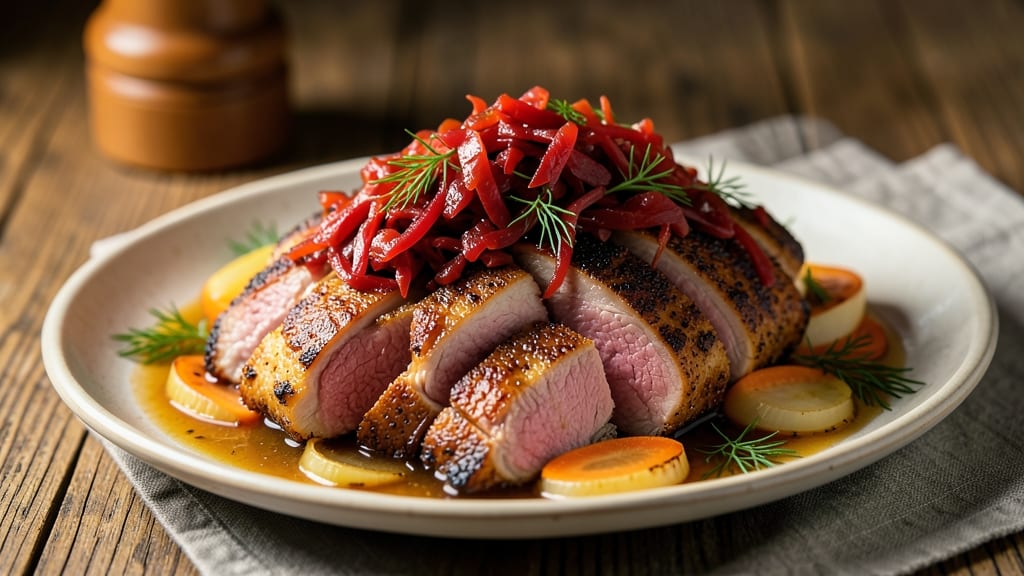
This pork and sauerkraut recipe with apple juice transforms humble ingredients into a rich, caramelized masterpiece that tastes like a cozy Eastern European tavern. 🔥 The secret lies in slow-braising pork until tender while letting the apple juice and sauerkraut develop deep, sweet-tart flavors that cling to every bite.
My grandmother used to make this when the weather turned crisp, and it became our family's go-to comfort dish during chilly autumn nights.
The beauty of this recipe is its balance of tradition and convenience. You can achieve restaurant-quality results using either a classic stovetop method or a modern sous-vide shortcut for foolproof tenderness.
The apple juice tenderizes the pork while adding subtle sweetness that cuts through the tangy sauerkraut, creating a sauce that caramelizes beautifully at the edges. No fancy techniques required—just patience and attention to timing.
What you'll end up with is a dish that's hearty enough for a family dinner but elegant enough for guests. The pork becomes fork-tender, the sauerkraut softens into a flavorful bed, and the sauce achieves that perfect balance of sweet, tangy, and savory.
The aroma alone will fill your kitchen with warmth, making it impossible to resist digging in.
Serve with crusty bread to soak up every last drop of that caramelized sauce, or pair it with mashed potatoes for a complete meal. The best part?
Leftovers taste even better the next day as the flavors continue to meld. Let's get cooking—this recipe is about to become your new weeknight favorite.
Ingredients for pork and sauerkraut recipe with apple juice
Pantry staples meet Eastern European tradition in this sweet-tart braise.
| Ingredient | Amount | Notes |
|---|---|---|
| Boneless Pork Shoulder 🐖 | 2 lb | Cut into 1.5-inch chunks |
| Sauerkraut 🥬 | 2 cups | Drained, rinsed if too sour |
| Apple Juice 🍎 | 1 cup | Unsweetened, preferably tart |
| Yellow Onion 🧅 | 1 whole | Chopped into half-moons |
| Garlic Cloves 🧄 | 4 cloves | Minced, not pre-minced jar |
| Carrots 🥕 | 2 medium | Peeled, chopped into chunks |
| Apple Cider Vinegar 🍶 | 2 tbsp | For tangy depth |
| Brown Sugar 🍚 | 2 tbsp | Light or dark, packed |
| Dried Thyme 🌿 | 1 tsp | Leaves only, no stems |
| Black Peppercorns 🌶️ | ½ tsp | Freshly cracked preferred |
| Bay Leaves 🍃 | 2 whole | Remove before serving |
| Salt 🧂 | 1 ½ tsp | Kosher or sea salt |
| Olive Oil 🫒 | 1 tbsp | For searing pork |
The pork shoulder is where this dish shines—look for well-marbled cuts at the butcher counter, not pre-cut packages. Costco or Whole Foods usually have great options, but any grocery store's meat department works. If you can't find boneless, bone-in is fine—just remove the bones before cooking. The sauerkraut should be bright white, not yellowed or slimy. I always grab the Reinhart brand from the deli section, but any good-quality sauerkraut will do. For the apple juice, Mott's or Martinelli's are reliable, but tart cider works too—just strain out any pulp if you want a smoother sauce.
No apple cider vinegar? White vinegar or lemon juice in a pinch, though the flavor won't be identical. Short on carrots? Substitute with parsnips or celery—they add sweetness too. The thyme can be fresh, but dried works at half the amount. If you're feeling fancy, add a splash of dark rum with the apple juice for depth. For a quicker version, use pre-cut frozen sauerkraut—just thaw and drain it first. The brown sugar is key for caramelization, so don't skip it, but maple syrup works in a bind.
This braise tastes even better the next day—plan to make it ahead. Store in an airtight container in the fridge for up to 5 days, or freeze portions for 3 months. The sauce thickens as it cools, so add a splash of water or apple juice when reheating. I always make a double batch because it disappears fast—leftovers make perfect sandwiches with crusty rye bread.
Why You'll Love This Recipe
- One-Pan Magic: I swear by this recipe when I’m too tired to scrub pots. Toss everything—pork, sauerkraut, onions—into one skillet, add apple juice, and let it simmer. That’s it. No extra dishes, no stress.
- Sweet-Sour Magic: The apple juice cuts through the tangy sauerkraut like a dream, while the pork shoulder stays juicy and tender. Honestly, the balance of crispy edges and caramelized onions makes me want to eat it straight from the pan.
- Weeknight Workhorse: This dish is my go-to when I need something hearty but not fussy. It’s great for lazy Tuesdays, potlucks, or even a quick lunch the next day. (Yes, even on a Tuesday night.)
- Budget-Friendly Feast: Pork shoulder is affordable, sauerkraut lasts forever, and apple juice stretches the flavors. I’ve fed four people for under $15, and everyone always asks for seconds. My wallet and my family win.
Step-by-step instructions for sweet-tart pork and sauerkraut braise
This method delivers tender pork with caramelized edges and a perfectly balanced sweet-tart sauce.
🔥 Step 1: Sear the Pork for Maximum Flavor
Heat a large Dutch oven over medium-high heat until hot. Add the 1 tablespoon olive oil and let it shimmer for 30 seconds. Working in batches to avoid crowding, add the 2 lb boneless pork shoulder cut into 1.5-inch chunks and sear for 3-4 minutes per side until deeply browned.
This searing step creates the Maillard reaction that develops rich, caramelized flavors. Press down gently on the pork with a spatula during the first minute—this prevents it from curling and ensures even contact with the pan. Resist the urge to move the pork too soon; you want that deep golden crust. Transfer the seared pork to a plate and set aside.
🍳 Step 2: Build the Sweet-Tart Base
In the same Dutch oven, add the 1 whole yellow onion chopped into half-moons and 2 medium carrots chopped into chunks. Cook for 5-6 minutes until softened and beginning to caramelize. Add the 4 cloves minced garlic and cook for 30 seconds until fragrant—don't let it brown or it'll turn bitter.
Stir in the 2 cups drained sauerkraut, 2 tablespoons apple cider vinegar, 2 tablespoons brown sugar, 1 teaspoon dried thyme, 0.5 teaspoon cracked black peppercorns, and 2 whole bay leaves. Pour in the 1 cup apple juice and bring to a gentle simmer, scraping up any browned bits from the bottom of the pan. This deglazing captures all the flavor you worked so hard to create.
🥘 Step 3: Braise Until Fork-Tender
Return the pork to the Dutch oven, spooning the juices over the meat. Bring everything to a gentle simmer, then reduce heat to low and cover. Let it cook for 2-2.5 hours until the pork is fork-tender and pulls apart easily. The sauce should thicken and develop a glossy sheen.
Here's the thing—don't peek or stir during this time. Every time you lift the lid, you lose heat and moisture. Instead, check for doneness by inserting a fork into the thickest piece of pork. It should slide in easily with no resistance. If the sauce reduces too much before the pork is done, add 2-3 tablespoons water to maintain moisture.
⏰ Step 4: Finish with Caramelized Edges
Once the pork is tender, increase heat to medium-high and uncover the pot. Let it simmer uncovered for 10-15 minutes until the sauce reduces and the edges develop a beautiful caramelized crust. This step intensifies the flavors and gives you that perfect balance of sweet and tangy.
Taste and adjust seasoning with the 1.5 teaspoons salt if needed. Remove the 2 whole bay leaves before serving—you don't want their tough stems in your dish. The braise should coat the back of a spoon with a glossy, slightly thickened consistency that clings beautifully to the pork.
Pro Tips For Making Pork And Sauerkraut Recipe With Apple Juice
- CRISP THE PORK FIRST: I learned this the hard way—skipping the browning step means your pork will turn out bland and gray, no matter how much apple juice you add. Sear the pork shoulder in a hot pan with a little oil until it’s deeply golden on all sides before adding anything else. That crust locks in flavor and makes the final dish taste like it simmered for hours, not just 30 minutes.
- RINSE THE SAUERKRAUT: Yes, it’s tangy and delicious straight from the jar, but unrinsed sauerkraut will make your dish taste like a pickle bomb. Drain it, then give it a quick rinse under cold water to mellow out the sharpness—especially if you’re using it in a sweet-and-sour recipe with apple juice. Pat it dry afterward so it doesn’t turn your stew into a soup.
- DON’T BOIL THE APPLE JUICE: After burning three batches of onions, I finally figured out the hard way: apple juice burns faster than you think. Start cooking the onions and garlic on medium-low heat, then add the apple juice after they’re softened but not browned. If it starts bubbling aggressively, lower the heat immediately—you want a gentle simmer, not a sticky mess.
- SALT THE PORK IN ADVANCE: My grandmother swore by this, and she was right: seasoning the pork shoulder with salt and pepper at least an hour before cooking guarantees it stays juicy. The salt breaks down the proteins, so when you sear it, you get that perfect crust without drying it out. Skip this, and you’ll end up with tough, flavorless pork—trust me, I’ve made that mistake.
Regional styles of this pork and sauerkraut recipe with apple juice
German Sauerkraut und Schweinebraten
This dish is a classic in German cuisine, especially in regions like Bavaria and Saxony, where pork and sauerkraut have been staples for centuries. The German version often includes juniper berries and a splash of beer for depth.
My grandmother used to make it with dark lager instead of apple juice—it adds a malty richness that pairs beautifully with the tangy sauerkraut. For authenticity, try adding ½ teaspoon crushed juniper berries (found in specialty stores) to the braising liquid. 🌍
Polish Kiełbasa z Kapustą Kiszona
In Poland, this dish often features smoked sausage like kiełbasa instead of pork shoulder, creating a smokier flavor profile. The Polish version typically includes dried marjoram and a touch of honey instead of brown sugar for sweetness.
I once made this with local Polish kielbasa from my neighborhood market, and the difference was incredible. The honey caramelizes beautifully with the apple juice, adding a delicate floral note. For a true Polish touch, serve with żurek (sour rye soup) on the side.
American Midwest Comfort Style
In the American Midwest, this dish became a hearty Sunday supper staple, often adapted with local ingredients. My grandmother's version called for apple cider instead of juice, giving it a thicker, chunkier sauce.
She'd add a handful of dried apples to the pot during the last 30 minutes of cooking for extra texture. The Midwest twist often includes cornbread on the side to soak up the sweet-tart sauce.
I remember making this when the first snow fell—it was our family's way of embracing winter.
Modern Shortcut Adaptation
For busy weeknights, I've adapted this dish using instant pot pressure cooking. The pork cooks in just 45 minutes on high pressure instead of hours, while still developing deep flavor.
The key is to sear the pork first in a separate pan, then transfer it to the Instant Pot with all the braising ingredients. After cooking, let it naturally release pressure for 10 minutes, then finish with the uncovered caramelization step.
This version keeps all the cozy flavors without the long wait. 💡
Scandinavian Fläsk med Surkål
In Scandinavian countries, this dish often includes lingonberry jam instead of apple juice for a tart-sweet balance. The Swedes and Norwegians might add dill and a splash of aquavit (a Scandinavian spirit) to the braising liquid.
I tried this version once using local lingonberry jam from a Swedish market, and it added a bright cranberry-like tang that elevated the dish. For a simpler Scandinavian touch, serve with flatbröd (Swedish crispbread) instead of regular bread.
Grandmother's "Make-Ahead" Tradition
My grandmother always made this dish on Sundays, knowing it would taste even better the next day. She'd let it sit overnight in the fridge, then reheat it gently on the stove before serving. The flavors melded even more, creating a deeper, more complex dish.
I've kept this tradition—make a double batch and store it in the fridge for up to 5 days**. The sauce thickens beautifully overnight, making it perfect for quick weeknight meals. It's become my go-to for busy evenings when I need comfort food without the fuss. ✨
Nutrition facts
Frequently asked questions
Can I use apple cider instead of apple juice in this recipe?
The recipe calls for unsweetened apple juice, but you can absolutely use apple cider! For a smoother sauce, strain out any pulp first. The cider will add a slightly thicker texture and subtle spice notes from the apple skin. Just reduce the cooking time slightly since cider has more natural sugars that caramelize faster.
How do I make this recipe with a slow cooker?
Transfer the seared pork and all braising ingredients to your slow cooker and cook on low for 6-7 hours or high for 3-4 hours. The pork will become fork-tender without needing the final uncovered caramelization step. Just add 1-2 tablespoons water if the mixture looks too dry before serving.
What's the best way to store leftovers?
Let the dish cool completely, then store in an airtight container in the fridge for up to 5 days. The flavors actually improve overnight! For reheating, warm gently on the stove with a splash of apple juice or water to restore moisture. Freeze portions for up to 3 months—just thaw overnight in the fridge before reheating.
Can I substitute pork shoulder with another cut?
Pork shoulder is ideal for its fat content and tenderness, but you can use pork loin (cut into smaller chunks) or pork butt. For leaner cuts, increase the braising time by 30-45 minutes. Avoid pork tenderloin—it's too delicate and will dry out. Bone-in cuts work too, just remove the bones before serving.
Why does my sauerkraut taste too sour?
Fresh sauerkraut can be quite tangy! To balance it, add 1 extra tablespoon of brown sugar or 1 teaspoon of honey during cooking. For milder flavor, rinse the sauerkraut before using, but this removes some beneficial probiotics. The apple juice and caramelization will naturally mellow the sourness as the dish cooks.