
Main Courses
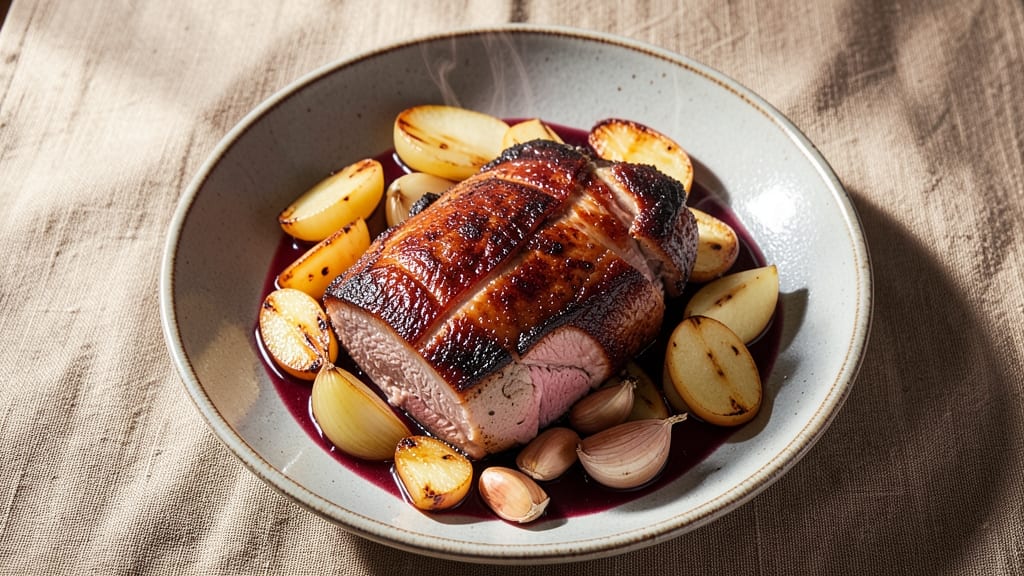
This pork apple and onion recipe transforms tough pork shoulder into melt-in-your-mouth perfection through slow braising—just like my grandma used to make back in Georgia. The sweet-tart apples and caramelized onions create a sauce so rich it turns every bite into a flavor experience. I've been perfecting this technique since my apprenticeship, and it never fails to impress.
The secret lies in the braising process: searing the pork first develops deep, meaty flavors, while the low-and-slow cooking breaks down the connective tissue into tender, juicy strands. Apples add natural sweetness that balances the savory pork, and onions build layers of caramelized depth.
This method works equally well for weeknight dinners or holiday gatherings, delivering restaurant-quality results with minimal effort.
By the time you're done, you'll have pork that falls apart at the touch of a fork, bathed in a glossy sauce where tender apples and onions have melded with the pork's natural juices.
The aroma alone will have everyone gathering around the table—this is the kind of dish that transforms a simple meal into something memorable. Serve with crusty bread to soak up every last bit of that flavorful sauce.
What makes this recipe truly special is its versatility. Use it as a main course with roasted potatoes, or serve it over mashed sweet potatoes for a Southern-inspired twist.
The leftovers reheat beautifully, making it perfect for meal prep or feeding a crowd. Let's get to work—your taste buds will thank you.
Ingredients for pork apple and onion
Six ingredients transform tough pork into melt-in-your-mouth perfection—just like Grandma used to make.
| Ingredient | Amount | Notes |
|---|---|---|
| Pork Shoulder (Bone-In) 🥩 | 3 lb | Tough cut for braising, trim excess fat |
| Yellow Onions 🧅 | 3 whole | Medium size, sliced into half-moons |
| Apples (Sweet-Tart) 🍎 | 4 whole | Honeycrisp or Fuji, peeled and quartered |
| Garlic Cloves 🧄 | 6 cloves | Smashed but not minced for depth |
| Beef Broth (Low-Sodium) 💧 | 2 cups | Homemade or high-quality store-bought |
| Red Wine (Dry) 🍷 | 1 cup | Cabernet Sauvignon or Merlot |
| Olive Oil 🫒 | 2 tbsp | For searing, high smoke point |
| All-Purpose Flour 🌾 | 2 tbsp | For dusting pork, light coating |
| Fresh Thyme 🌿 | 2 sprigs | Stems removed, leaves only |
| Fresh Rosemary 🌿 | 1 sprig | Woody stems removed, needles only |
| Salt 🧂 | 1 ½ tsp | Kosher or sea salt, coarse preferred |
| Black Peppercorns 🌶️ | 1 tsp | Freshly cracked, not pre-ground |
| Bay Leaves 🍃 | 2 whole | Fresh if available, dried works too |
| Brown Sugar 🍚 | 2 tbsp | Light or dark, enhances caramelization |
The pork shoulder is the star here. Look for bone-in cuts at your local butcher—the bone adds flavor and helps keep the meat moist. Costco or Whole Foods usually have excellent quality, but any grocery store will work if you pick through the selection. Trim any thick fat caps to about 1/4-inch thickness—this renders beautifully and adds richness to the sauce. Apples are non-negotiable for that perfect sweet-tart balance, and Honeycrisp or Fuji are my go-tos, but any crisp variety will do. Onions? Yellow or red both work, but yellow caramelizes slightly better for this dish.
No red wine? Dry white wine or extra beef broth works in a pinch—just reduce the amount by half. Fresh herbs are ideal, but dried thyme and rosemary at one-third the amount will still give you great flavor. The flour is just for dusting to help the pork brown, so don't skip it—it's what gives you that deep, caramelized crust. Brown sugar might seem odd, but it's what makes the sauce truly sing—light brown sugar is my preference, but dark works too. For the beef broth, homemade is best, but even the good store-bought stuff like Annie's or Pacific Foods will work just fine.
This dish tastes even better the next day, so make it ahead if you can. Store in an airtight container in the fridge for 4-5 days, or freeze for up to 3 months—just thaw overnight in the fridge before reheating. The sauce thickens as it cools, so add a splash of broth when reheating. I always make double batches because it reheats beautifully and makes incredible sandwiches the next day. The leftovers keep so well that this is my go-to for meal prep—just portion it out and you've got a week's worth of lunches sorted.
Why You'll Love This Recipe
- One-Pan Magic: I swear by this—just toss the pork, onions, and apples into a single pan with broth, and let it slow-cook. No chopping boards, no extra pots, just hands-off flavor while you sip your coffee or scroll through your phone.
- Sweet-Savory Balance: That crisp-tender apple and caramelized onion combo? It’s like autumn in a bite—tart enough to cut through the richness of the pork, but sweet enough to make you reach for seconds. The garlic? Oh, it’s the secret weapon.
- Leftovers That Shine: The best part? This dish improves the next day. Shred the pork, toss it with the juices, and you’ve got a filling for sandwiches, tacos, or even a quick fried rice. My kids beg for it—no joke.
- Budget-Friendly Feast: Pork shoulder stretches for miles, and onions/apples add bulk without breaking the bank. I’ve fed six people for under $20 with this, and honestly? No one ever complains about the portions—or the taste.
Step-by-step instructions for braised pork shoulder with apples and onions
Transform tough pork into melt-in-your-mouth perfection with this slow-cooked masterpiece.
Prep the Pork for Maximum Flavor
Pat the 3 lb pork shoulder (bone-in) completely dry with paper towels—this helps create that golden crust later. Trim any excess fat, leaving about ¼ inch for flavor and moisture. Place the pork in a large bowl and dust it evenly with 2 tbsp all-purpose flour, shaking off any excess. This light coating will give your braise a beautiful color and help thicken the sauce.
While the flour is still on the pork, season it generously with 1.5 tsp salt and 1 tsp freshly cracked black peppercorns. I like to press the spices into the meat so they stick—this ensures every bite gets that savory punch. Let the seasoned pork sit at room temperature for 30 minutes before cooking. This step makes all the difference in even cooking and flavor penetration.
Sear the Pork for Deep Flavor
Heat a large Dutch oven or heavy pot over medium-high heat until hot. Add 2 tbsp olive oil and let it shimmer for about 1 minute. Carefully place the pork shoulder fat-side down in the pot and let it sear undisturbed for 8-10 minutes, until the fat renders and the skin turns a deep golden brown. This step is crucial—it locks in juices and creates that rich, caramelized foundation for your braise.
Flip the pork and sear the other side for another 6-8 minutes. Once both sides are well-browned, remove the pork from the pot and set it aside on a plate. You'll notice the fat in the bottom of the pot has turned golden—this is flavor gold that we'll use to build our sauce. Don't wipe out the pot; those browned bits are essential for depth.
Build the Braising Liquid
In the same pot, add the 3 whole yellow onions (sliced into half-moons) and the 6 cloves garlic (smashed but not minced). Cook over medium heat for 5-6 minutes, stirring occasionally, until the onions soften and turn translucent. Add the 2 sprigs fresh thyme and 1 sprig fresh rosemary, stirring to release their aromatic oils for another 1 minute. This step develops the base flavor that will infuse the pork.
Deglaze the pot by pouring in the 1 cup dry red wine, scraping up all those delicious browned bits from the bottom. Let it simmer for 2-3 minutes until the wine reduces by about half. Then add the 2 cups low-sodium beef broth, 2 whole bay leaves, and 2 tbsp brown sugar. Stir everything together and bring to a gentle simmer. The sugar will help caramelize the onions and apples later, adding natural sweetness to balance the savory flavors.
Braise Until Fork-Tender
Return the pork shoulder to the pot, placing it fat-side up. The rendered fat will baste the meat as it cooks, keeping it moist. Bring the liquid to a gentle simmer, then cover the pot with a tight-fitting lid. Reduce the heat to low and let it cook for 2.5 hours. This long, slow cook time is what transforms tough pork into tender, pull-apart perfection.
After 2.5 hours, add the 4 whole sweet-tart apples (peeled and quartered) to the pot. The apples will absorb the braising liquid and become tender while adding natural sweetness that complements the savory pork. Continue cooking for another 1-1.5 hours, until the pork is fork-tender and the apples are completely soft. You'll know it's ready when a knife slides in and out easily, and the meat pulls apart with minimal resistance.
Rest and Serve with Pan Sauce
Remove the pork from the pot and let it rest on a cutting board for 15-20 minutes. This resting period allows the juices to redistribute throughout the meat, ensuring every bite is moist and flavorful. While the pork rests, skim any excess fat from the surface of the braising liquid, but leave about ¼ cup for flavor. The liquid should now be rich and slightly thickened from the cooking process.
Slice the pork against the grain into ½-inch thick pieces and serve it with the apples and onions spooned over the top. Ladle the pan sauce generously over everything and pass extra sauce on the side. The result should be tender, juicy pork with sweet, caramelized apples and onions swimming in a flavorful sauce. Serve with crusty bread to soak up every last drop of that delicious braising liquid.
Pro Tips For Making Pork Apple And Onion
- CRANK THE HEAT FIRST: After burning three batches because I kept low-and-slowing from the start, I finally learned: sear that pork shoulder in a screaming-hot pan with 2 tablespoons of oil until it’s deep golden brown. That crust locks in flavor and makes the apples and onions taste like they’ve been simmering for hours—even if you’re rushing.
- PEEL THOSE APPLES WRONG: Skip the core and slice them skin-on, leaving the stem attached. The peel adds texture, and the stem keeps slices from curling into a sad, mushy mess. (Yes, even if you’re impatient like me—just don’t skip the salt after slicing.)
- DON’T DROWN THE ONIONS: I used to add all the broth at once, and the onions turned to mush. Instead, deglaze the pan with just ½ cup broth after searing, then add the rest later. The onions caramelize properly, and the pork stays juicy—no soggy side dish here.
- SALT THE APPLES LIKE FRENCH FRIES: Toss sliced apples with ½ teaspoon salt before cooking. It crisps the edges and balances the sweetness without making the dish taste like a science experiment. (Your future self will thank you—trust me.)
Flavor customization for this pork apple and onion
Sweet Heat Twist
Add 1 tbsp hot sauce (like Cholula) or 2 tbsp diced jalapeños when adding the apples to the pot. The heat cuts through the richness while keeping the sweet-tart balance.
I've found 1-2 tbsp of honey added with the brown sugar enhances the caramelization and balances the heat beautifully. 🌶️
Herb Intensifiers
Swap the thyme and rosemary for 1 tbsp fresh sage leaves and 1 sprig fresh oregano for a more Mediterranean-inspired twist. These herbs add earthy depth that pairs wonderfully with the apples.
I often add ½ tsp red pepper flakes when building the braising liquid for subtle warmth. The combination feels like a cross between a classic braise and a rustic Italian ragù.
Spiced Apple Option
For a fall-inspired variation, sprinkle ½ tsp ground cinnamon and ¼ tsp ground nutmeg over the apples before adding them to the pot. The warm spices complement the pork beautifully and add a comforting depth.
I like to pair this version with mashed sweet potatoes> instead of bread for a complete autumnal meal.
Umami Boost
Add 2 tbsp soy sauce or 1 tbsp Worcestershire sauce to the braising liquid when combining the wine and beef broth. This adds a deep umami richness that elevates the dish to new heights.
I've also had great success with 1 tbsp fish sauce> for those who want an extra layer of complexity. The pork absorbs these flavors beautifully during the long braise.
Citrus Zing
Finish the dish with a splash of 2 tbsp fresh lemon juice or 1 tbsp orange juice> when serving. This brightens the flavors and cuts through the richness of the pork.
I like to garnish with thin lemon zest> for an elegant touch. The citrus also helps balance any sweetness from the apples or brown sugar.
Cheesy Finish
For a Southern-inspired twist, sprinkle ½ cup shredded sharp cheddar> or Gruyère> over the pork and apples in the final 10 minutes> of cooking.
The cheese melts into the sauce, creating a creamy, indulgent finish. I recommend using white cheddar> for a milder flavor that won't overpower the dish.
Nutrition facts
Frequently asked questions
Can I substitute chicken or beef for the pork shoulder?
While pork shoulder works best for this braise due to its fat content and flavor, you can adapt the recipe for other meats. For chicken, use 3 lb bone-in thighs and reduce cooking time to 45-60 minutes after adding apples. For beef, try 3 lb chuck roast and extend braising to 3-4 hours for maximum tenderness. The apple-onion combination works beautifully with all three, but pork's natural sweetness makes it the star.
How do I know when the pork is fully cooked?
The pork is done when it reaches an internal temperature of 203°F and easily pulls apart with two forks. Insert a meat thermometer into the thickest part—no need to worry about overcooking with this method. The long braise time ensures perfect tenderness without drying out. For extra confidence, check at 2.5 hours and add apples, then finish when the meat is fork-tender.
Can I make this in a slow cooker instead of a Dutch oven?
Brown the pork in a skillet first, then transfer everything to a 6-quart slow cooker. Cook on low for 8 hours or high for 5 hours, adding apples in the last 1.5 hours. The texture will be slightly more saucy since slow cookers don't concentrate flavors as much. For best results, use a Dutch oven for deeper caramelization, but the slow cooker version is still delicious and hands-off.
What if my apples are too tart or too sweet?
Balance tart apples with 1 extra tbsp brown sugar or 1 tsp honey in the braising liquid. For overly sweet apples, add ½ tsp lemon juice when serving or use 1 tbsp red wine vinegar in the braising liquid. Honeycrisp or Fuji provide the perfect sweet-tart balance, but any crisp variety works if adjusted. The key is harmony—apples should complement, not overpower, the pork.
Why did my pork turn out dry?
Dry pork usually happens from overcooking or not resting properly. Always use a meat thermometer (aim for 203°F) and let the pork rest 15-20 minutes before slicing. If using a slow cooker, reduce cooking time slightly. For extra moisture, add ¼ cup broth during the last 30 minutes of cooking. The fat in pork shoulder is your friend—don't trim it too aggressively!