
Main Courses
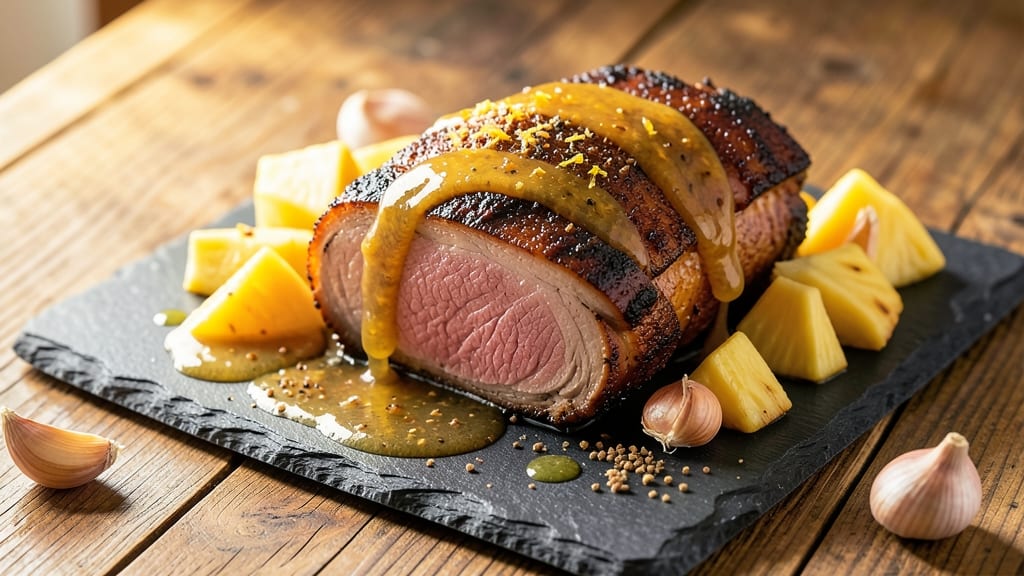
This pork asado recipe with pineapple juice transforms tough cuts into melt-in-your-mouth tenderness using a tropical marinade that's equal parts sweet and savory. 🌟 The secret lies in letting the pineapple juice tenderize the meat while building a caramelized crust on the grill—just like my grandmother used to do with her asado technique, though she never wrote it down.
I've decoded her method into a recipe anyone can follow, no fancy equipment required.
The magic happens in the marinade, where pineapple juice breaks down proteins while balancing the natural richness of pork with citrus brightness and aromatic spices. Grilling at the right temperature—starting with a sear, then moving to indirect heat—ensures perfect doneness without drying out the meat.
This isn't just another pork recipe; it's a celebration of flavors that brings the essence of Latin American asado traditions to your backyard or kitchen.
What you'll end up with is pork that's impossibly tender on the inside with a caramelized, slightly crispy exterior that holds up to every bite. The pineapple marinade adds a subtle sweetness that pairs beautifully with smoky grill flavors, creating a dish that's both comforting and exciting.
Serve it with grilled vegetables or a fresh pineapple salad to complete the tropical experience.
This recipe delivers restaurant-quality results with minimal fuss—no need for complicated techniques or hours in the kitchen. Whether you're hosting a backyard gathering or simply craving a special weeknight dinner, this pork asado will impress everyone at the table. Let's get started!
Ingredients for pork asado recipe with pineapple juice
Six ingredients transform tough pork into melt-in-your-mouth tenderness with tropical sweetness.
| Ingredient | Amount | Notes |
|---|---|---|
| Pork Shoulder (Boston Butt) 🥩 | 3 lb | Cut into 2-inch chunks |
| Fresh Pineapple Juice 🍍 | 1 ½ cups | From 1 whole pineapple |
| Garlic Cloves 🧄 | 8 cloves | Minced for marinade |
| Orange Juice 🍊 | 1 cup | Freshly squeezed |
| Olive Oil 🫒 | ¼ cup | Extra-virgin for richness |
| Ground Cumin 🌿 | 1 ½ tbsp | Toasted for depth |
| Smoked Paprika 🌶️ | 1 tbsp | For smoky flavor |
| Salt 🧂 | 1 ½ tsp | Diamond Crystal preferred |
| Black Pepper 🌶️ | 1 tsp | Freshly ground |
| Fresh Cilantro 🌿 | ¼ cup | Chopped for garnish |
| Lime Juice 🍋 | 2 tbsp | Freshly squeezed |
| Brown Sugar 🍯 | 2 tbsp | Lightly packed |
| Cayenne Pepper 🔥 | ½ tsp | Adjust for heat |
The pork shoulder is the star—look for a cut with good marbling at Costco or your local butcher. Boston butt is ideal, but pork loin works too if you're short on time. Trim excess fat but leave some for flavor. Fresh pineapple juice is non-negotiable; canned won't deliver the same tenderness. Whole Foods or Latin markets often have fresh pineapple at better prices than grocery stores. For the garlic, peel and mince fresh—jarred lacks the same punch. The orange juice should be freshly squeezed too, not bottled concentrate.
No fresh pineapple juice? Pineapple chunks blended with water works in a pinch, but strain well to avoid pulp. Substitute orange juice with apple juice if needed, though the flavor won't be identical. The brown sugar adds depth—coconut sugar is a 1:1 swap. For heat, reduce cayenne to ¼ tsp if serving kids. The cilantro is optional but adds a bright finish; dried cilantro won't work here. If you're prepping ahead, marinate the pork for up to 12 hours—longer breaks down the meat too much.
Marinate the pork in a sealed container in the fridge for at least 4 hours, up to 12 hours. The longer it sits, the more tender it becomes. Grill over medium-high heat for best results—start with a sear, then move to indirect heat. Leftovers keep for 3 days in the fridge or 3 months frozen. For extra flavor, brush with more marinade during grilling. Serve with grilled veggies or a fresh pineapple salad to complete the tropical experience.
Why You'll Love This Recipe
- One-Pan Magic: Honestly, I love recipes where I don’t have to wash a million dishes afterward. This pork asado? Just the pork, the pineapple juice, and a sheet pan—no extra pots or pans. The garlic and orange juice caramelize right on the metal, and by the end, I’m wiping down one tray while the meat rests.
- Sweet-Savory Bomb: Between us, the pineapple juice isn’t just for flavor—it’s the secret weapon. That tangy, slightly sweet marinade clings to the pork like glue, and when it reduces into a sticky glaze? The crispy edges with that caramelized garlic? Chef’s kiss. (Yes, even on a Tuesday night.)
- Leftovers That Don’t Suck: I make this for Sunday dinner, and by Wednesday, we’re still eating it. The pork stays juicy, the flavors deepen, and it reheats like a dream—just a quick sizzle in a pan or even straight from the fridge. My kids ask for it more than takeout. (Not the prettiest, but the taste makes up for it.)
- Budget Crowd-Pleaser: A whole pork shoulder feeds six, costs less than takeout for two, and tastes like you slaved over it. The pineapple juice cuts down on the fat, but the meat stays rich and tender—no dry, chewy disappointment. Plus, I buy the juice fresh at the market, so it’s cheaper than pre-made marinades. Solid win.
Step-by-step instructions for pork asado with pineapple marinade
Transform tough pork shoulder into melt-in-your-mouth asado using this tropical marinade.
👨🍳 Step 1: Marinate the Pork for Maximum Tenderness
In a large bowl, combine the 1.5 cups fresh pineapple juice, 1 cup orange juice, 0.25 cup olive oil, 2 tbsp lime juice, 2 tbsp brown sugar, 1.5 tbsp ground cumin, 1 tbsp smoked paprika, 1.5 tsp salt, 1 tsp black pepper, and 0.5 tsp cayenne pepper. Whisk until the brown sugar dissolves completely and the marinade looks glossy.
Cut the 3 lb pork shoulder (Boston Butt) into 2-inch chunks and place them in a resealable plastic bag. Pour the marinade over the pork, seal tightly, and massage the bag to ensure all pieces are coated. Refrigerate for at least 12 hours (I prefer 24 hours for maximum flavor penetration). Here's the thing—pork shoulder benefits from long marinating because the acid in the pineapple and citrus helps break down tough muscle fibers, ensuring fork-tender results.
🔥 Step 2: Grill Over Indirect Heat for Even Cooking
Preheat your grill to medium-high heat (about 375°F) and set up for indirect grilling. This means you'll have one side of the grill hot for searing and the other side cooler for slow cooking. Arrange charcoal on one side only, or use the grill's heat source on one side with the other side empty.
Remove the pork from the marinade (reserve the marinade for basting) and pat the chunks dry with paper towels. Here's where it gets fun—place the pork directly over the hot coals for 2-3 minutes per side until you see deep grill marks and the exterior starts to brown. Then move the pork to the cooler side of the grill. The reason we sear first is that it creates that beautiful crust while the indirect heat ensures the meat cooks through evenly without burning.
🥘 Step 3: Baste and Cook Until Probe-Tender
Pour the reserved marinade into a small bowl and brush ½ cup over the pork chunks. Close the grill lid and let the pork cook for 2-2.5 hours, basting with the remaining marinade every 30 minutes. You'll know it's ready when the internal temperature reaches 195-203°F and a meat thermometer inserted into the thickest piece slides in like butter with no resistance.
Real talk: don't rush this step. The pork needs time to break down and become tender. If the marinade starts to burn when basting, reduce the heat slightly or move the pork to a cooler part of the grill. The sweetness from the pineapple and brown sugar will caramelize beautifully, creating a sticky, flavorful crust.
🔪 Step 4: Rest and Garnish for Serving
Transfer the pork to a cutting board and let it rest for 15-20 minutes before serving. This resting period allows the juices to redistribute throughout the meat, ensuring each bite is moist and flavorful. While the pork rests, finely chop the 0.25 cup fresh cilantro and set it aside for garnish.
Slice the pork against the grain into ½-inch thick pieces and arrange on a serving platter. Drizzle any remaining pan juices over the top and sprinkle with the chopped cilantro. The result should be tender, juicy pork with a beautiful caramelized crust and bright tropical flavors from the marinade. Serve immediately with your favorite sides like grilled vegetables or warm tortillas.
Pro Tips For Making Pork Asado Recipe With Pineapple Juice
- CRANK THE HEAT FIRST: Start your pork shoulder on high heat for 5-7 minutes per side—yes, even if it looks raw inside. This seals the outside fast and keeps the juices from boiling out later when you add the pineapple-orange marinade.
- STRAIN THAT PINEAPPLE JUICE: Skip the pulp—it burns easily and can make the sauce bitter. Strain the fresh pineapple juice through a fine-mesh sieve, then press out every last drop with a spoon. (I learned this after charring three batches of sauce.)
- DON’T SKIP THE REST: Pull the pork off the heat at 195°F internal temp, wrap it in foil, and let it sit for 20 minutes. I used to cut into it too soon—now I get tender, pull-apart meat every time.
- USE GARLIC BUTTER: Toss the cooked pork in 2 tablespoons of softened butter with minced garlic (4-5 cloves) while it rests. The fat baste keeps it moist, and the garlic adds depth without overpowering the pineapple’s tang. (Yes, even if you’re not a butter lover.)
Storing and reheating your leftovers
Refrigerator Storage
Let your pork asado cool completely before storing—about 2 hours—then transfer to airtight containers with tight-fitting lids. I use glass containers from Weck because they prevent odors from seeping in.
Store at 40°F or below for up to 4 days, though I find the flavor peaks by day 3. The pineapple marinade keeps the meat moist longer than traditional grilled pork. 🥩
Freezer Prep
For longer storage, portion the pork into quart-sized freezer bags (I like Ziploc with the zip lock) and squeeze out excess air to prevent freezer burn. Label with the date—this keeps for 3 months without losing tenderness.
Thaw overnight in the fridge before reheating. Never microwave-thaw pork asado; it turns out dry and tough. ❄️
Stovetop Reheating
My preferred method is stovetop because it preserves texture. Heat 1 tablespoon olive oil in a skillet over medium heat, add the pork, and cook for 3-4 minutes per side until warmed through.
Add 2 tablespoons reserved marinade to keep it juicy. Cover with a lid for 2 minutes to steam any lost moisture back in. 🔥
Oven Option
Preheat oven to 300°F and place pork in a baking dish with 1 tablespoon marinade. Cover tightly with foil and bake for 15-20 minutes, stirring once halfway.
This gentle method prevents drying out the tender meat. I use this when I'm short on stovetop space during weeknight dinners. ✨
Microwave Safety
If you're in a rush, use the microwave on 50% power for 2-3 minutes, stirring halfway. Add 1 tablespoon water or broth to prevent dryness. This isn't my first choice, but it works in a pinch. Always check the internal temperature reaches 165°F before serving. 💡
Serving Leftovers
Reheated pork asado makes amazing tacos or sandwiches. Shred the meat and mix with 1 tablespoon pineapple juice to revive flavors. Top with fresh cilantro and lime wedges. The caramelized crust adds depth to any dish—just avoid overcooking when reheating. 🌟
Nutrition facts
Frequently asked questions
Can I use canned pineapple juice instead of fresh?
Fresh pineapple juice is ideal because it contains natural enzymes that tenderize the meat better than canned versions. If you must use canned, choose 100% pineapple juice without added sugar or preservatives. For best results, blend fresh pineapple chunks with water and strain to mimic the fresh juice's potency. The texture and flavor will be slightly different, but it still works in a pinch!
What's the best cut of pork for this recipe?
Pork shoulder (Boston butt) is perfect because it's flavorful and becomes incredibly tender when slow-cooked. For quicker cooking, use pork loin or tenderloin, but reduce the cooking time to 1-1.5 hours and watch closely to avoid drying out. Never use pork chops—they're too lean and won't benefit from the long marinating time.
How do I know when the pork is fully cooked?
Use a meat thermometer to check the internal temperature—it should reach 195-203°F for pork shoulder. The meat should feel tender when pierced with a fork, and the juices should run clear (not pink). For pork loin, aim for 145°F. If you don't have a thermometer, cut into the thickest piece: it should be fork-tender with no pink center.
Can I make this in the oven instead of on the grill?
Preheat your oven to 300°F and place the marinated pork on a rack over a baking sheet. Roast for 2.5-3 hours, basting with marinade every 45 minutes. Finish under the broiler for 2-3 minutes to get grill marks. The oven method works great for weeknights when you don't have grill access, though the flavor will be slightly less smoky.
Why does my pork turn out dry?
Overcooking is the most common cause—pork shoulder needs low-and-slow cooking, not high heat. Always use a meat thermometer and avoid opening the grill/oven too often. The pineapple marinade helps retain moisture, but if the meat still seems dry, try adding 1 tablespoon reserved marinade when reheating. Also, never skip the resting time—this lets the juices redistribute!