
Main Courses
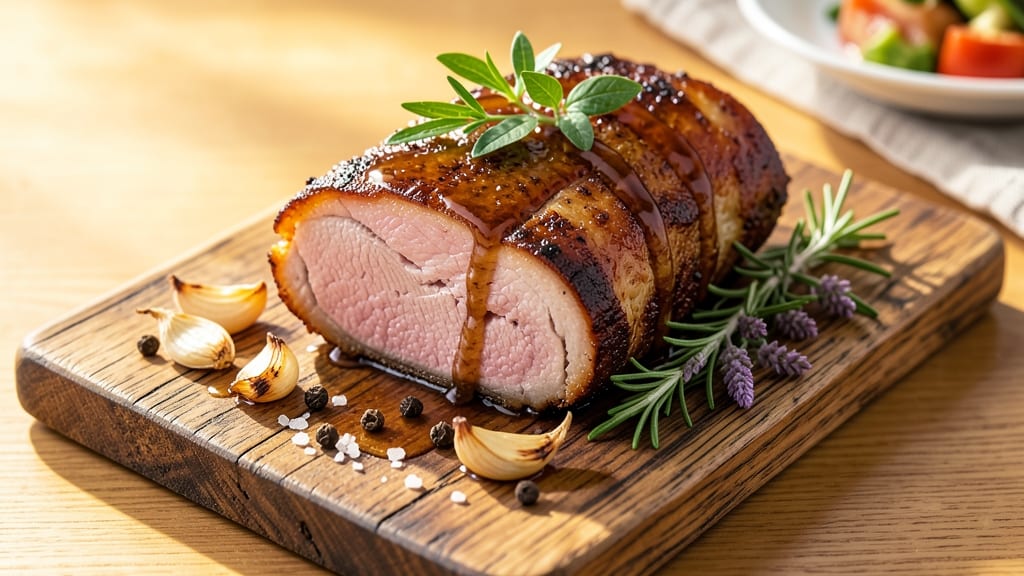
This pork brine recipe with apple cider vinegar transforms tough cuts into melt-in-your-mouth perfection—juicy, crisp, and packed with depth. After years of testing brines in my Boston kitchen, I found apple cider vinegar creates that signature tang while tenderizing meat beyond compare. The secret? A precise salt-sugar-vinegar balance that works for pork shoulder, chops, or even tenderloin.
The process is straightforward but game-changing: dissolve salt, sugar, and spices in hot water, then add vinegar to preserve moisture and enhance flavor. Let the pork soak for 12-24 hours, then roast, grill, or smoke until golden.
The vinegar doesn't just flavor—it creates a crispy exterior while keeping the interior impossibly tender. My family insists this method makes pork taste like it's been slow-smoked for hours, even when it's just roasted.
What you'll end up with is pork so juicy it practically falls apart with each bite, with a caramelized crust that's crisp enough to stand up to any sauce. The apple cider vinegar adds a subtle tang that cuts through richness, making every forkful bright and satisfying.
This is the kind of technique that turns weeknight dinners into restaurant-worthy meals without the fuss.
Serve with classic sides like apple sauce, roasted potatoes, or a crisp green salad to let the pork shine. The brined pork also reheats beautifully, making it perfect for meal prep. Here's how to make it—once you try this, you'll never cook pork without it again.
Ingredients for pork brine recipe apple cider vinegar
Short list. Big flavor. Everything you need for melt-in-your-mouth pork every time.
| Ingredient | Amount | Notes |
|---|---|---|
| Pork Shoulder 🥓 | 3 lb | Bone-in preferred for flavor |
| Apple Cider Vinegar 🍎 | 1 cup | Raw, unfiltered preferred |
| Kosher Salt 🧂 | 1 cup | Diamond Crystal preferred |
| Granulated Sugar 🍚 | ½ cup | White or brown sugar |
| Garlic Cloves 🧄 | 6 cloves | Smashed for infusion |
| Black Peppercorns 🌶️ | 1 tbsp | Coarsely crushed |
| Bay Leaves 🍃 | 2 whole | Dried or fresh |
| Water 💧 | 4 cups | Filtered or distilled |
| Fresh Thyme 🌿 | 1 tbsp | Leaves only, chopped |
| Fresh Rosemary 🌿 | 1 tbsp | Needles only, chopped |
| Butter (Optional) 🧈 | ¼ cup | Melted, for finishing |
The pork shoulder is the star—bone-in cuts like picnic roast or butt hold up best to brining. Boston Butcher or local farm stores often have the best quality, but any butcher counter will do. Look for meat with good marbling—those little fat streaks are what make it juicy. If you're using chops or tenderloin, cut them into even-sized pieces so they brine evenly. I always buy mine the day I plan to brine—freshness matters for that crispy exterior later.
No apple cider vinegar? White vinegar or red wine vinegar work in a pinch, but you'll lose some depth. The kosher salt is non-negotiable—Diamond Crystal dissolves faster than Morton's. Fresh herbs? Dried works at half the amount, but fresh gives that bright aroma. The sugar balances the acidity—don't skip it. For extra flavor, add a 1-inch piece of ginger or 1 tsp smoked paprika. And if you're brining chops, use 1/4 cup vinegar per pound of meat instead of the full cup.
This brine keeps in the fridge for up to 1 week—perfect for meal prep. Store in a sealed container with the lid slightly ajar to let excess gases escape. The pork soaks 12-24 hours, so plan ahead. Pat it dry thoroughly before cooking—paper towels work best. Brined pork reheats beautifully—just warm gently in the oven with a splash of broth. Freeze cooked portions for up to 3 months. Trust me, the leftovers are just as good as day one.
Why You'll Love This Recipe
- No-Fuss Setup: I swear by this brine—just dump everything into a bag, toss it in the fridge, and walk away. The vinegar does all the work while I’m scrolling through my phone or watching a show. No fancy equipment, no stress.
- Tangy-Sweet Magic: That apple cider vinegar and sugar combo? It’s the secret weapon. The pork comes out with this perfect balance—tender, slightly tangy, and just sweet enough to make you want to eat it straight off the bone. (Yes, even on a Tuesday night.)
- Meal Prep MVP: Between us, this is my go-to for game days, potlucks, or lazy Sundays. Brine a big batch ahead, then pull it out whenever you need it—whether it’s for pulled pork sandwiches, tacos, or a last-minute dinner. It’s my secret weapon for busy weeks.
- Budget-Friendly Feast: Pork shoulder is cheap, and this method makes it feel like a splurge. A single brine turns into multiple meals, so I’m basically getting four dinners for the price of one. Plus, the leftovers? Even better the next day.
Step-by-step instructions for pork brine with apple cider vinegar
This brine transforms your pork shoulder into melt-in-your-mouth perfection.
Combine Brine Ingredients in a Large Container
In a large, non-reactive container (like a gallon-sized plastic bag or food-safe bucket), combine the 4 cups water, 1 cup apple cider vinegar, 1 cup kosher salt, and 0.5 cup granulated sugar. Stir until the salt and sugar completely dissolve—this ensures even flavor distribution throughout the meat. I like to use a wooden spoon for this step because it won't react with the acidic vinegar.
Add the 6 smashed garlic cloves, 1 tbsp coarsely crushed black peppercorns, 2 whole bay leaves, 1 tbsp chopped fresh thyme, and 1 tbsp chopped fresh rosemary. Give everything another stir to distribute the aromatics evenly. The mixture should smell vibrant and tangy—this is your first sign that the brine is working. Let it sit at room temperature for 10 minutes to allow the flavors to meld together before adding the pork.
Submerge the Pork Shoulder Completely
Place the 3 lb pork shoulder in the brine container, ensuring it's fully submerged. If using a bag, seal it tightly and press out any air bubbles to prevent floating. For a bucket, weigh the pork down with a plate or clean brick if needed. The pork should stay submerged for at least 12 hours (I prefer 24 hours for maximum juiciness).
Refrigerate the brine during this time—this keeps the pork safe and allows the flavors to penetrate deeply. The pork will absorb the brine's moisture and seasoning, resulting in a tender, flavorful cut with a beautiful pink exterior. Don't skip this step; proper brining is what makes the difference between dry and juicy pork.
Rinse and Pat Dry Before Cooking
After brining, remove the pork from the liquid and rinse it thoroughly under cold water to remove any excess salt or seasoning. Pat it dry with paper towels—this step is crucial for achieving crispy skin later. I like to do this over a sink to catch the excess liquid, which can be discarded.
The pork should feel cool and slightly sticky from the brine. At this point, you can proceed with your preferred cooking method—grilling, smoking, or braising. If you're using the optional 0.25 cup melted butter for finishing, now's the time to apply it lightly to the surface of the pork for extra richness and flavor.
Cook to Perfection (Your Choice of Method)
Whether you're grilling, smoking, or braising, the brined pork will cook more evenly and retain its moisture. For example, if smoking, cook the pork at 225°F until the internal temperature reaches 195-203°F (about 6-8 hours). The brine ensures the meat stays juicy even during long cooking times.
For grilling, sear the pork over medium-high heat until the exterior develops a golden crust, then finish cooking to 145°F internal temperature. The acidity from the apple cider vinegar in the brine will tenderize the meat, making it fall-apart tender. Rest the pork for 15-20 minutes before slicing to allow the juices to redistribute—this is where the brining truly pays off.
Pro Tips For Making Pork Brine Recipe Apple Cider Vinegar
- USE COLD BRINE: The vinegar’s acidity works best when the meat is chilled—start your brine ice bath cold. I used to dump everything in at room temp and wondered why the pork never got that perfect tender bite. Grab a bowl, fill it with ice, and nestle your brining container inside for 10 minutes first.
- PEEL GARLIC CLIVES: Whole garlic cloves in the brine? Skip it. Peel and crush them—just enough to release flavor without turning the liquid into a muddy sludge. I learned this after straining out three batches of garlic paste that made the vinegar taste like a science experiment gone wrong.
- WEIGH THE PORK: That "3-4 pounds" guess? Toss it. Use a scale—brine ratios matter, and eyeballing leads to either a soggy mess or a salt bomb. For every pound of pork, aim for ¼ cup vinegar, 1 tablespoon sugar, and 1½ teaspoons salt. No guesswork, no regrets.
- STRAIN THE BRINE: After brining, pour the liquid through a fine-mesh strainer to remove garlic bits and sediment. I know, it’s extra work, but trust me—slurping vinegar-infused garlic pulp while eating your pulled pork is a flavor crime. Save the strained brine for roasting or marinades later.
Troubleshooting this dish
Brine Too Salty?
If your pork tastes overly salty after brining, the issue is usually uneven salt distribution or insufficient rinsing. First, rinse the pork thoroughly under cold water for 2-3 minutes—this removes surface salt. For extra insurance, soak the rinsed pork in cold water for 10 minutes before cooking.
I’ve found that pat drying with paper towels after rinsing helps too, as excess moisture can dilute the saltiness during cooking. 💧
Pork Not Tender Enough
The apple cider vinegar should tenderize your pork, but if it’s still tough, you may have brined for too short a time. Extend the brining to 24-48 hours for tougher cuts like pork shoulder.
For chops or tenderloin, reduce vinegar to ¼ cup per pound and brine for 6-12 hours max—over-brining can make lean cuts mushy. I’ve also had success adding 1 tsp baking soda to the brine for extra tenderness, though use sparingly. 🌶️
Skin Not Crispy
Crispy skin is all about drying and temperature. After rinsing, pat the pork very dry—I use two layers of paper towels and press firmly. For roasting, start at 425°F for 20 minutes to render fat and crisp the skin, then reduce to 275°F until done.
If grilling, sear over direct heat until golden brown. A light coating of melted butter (like the optional ¼ cup in the recipe) before cooking adds extra crispiness. ⚡
Brine Smells Off
If your brine develops a sour or rotten smell, it’s likely fermenting—this happens when bacteria grow due to improper storage. Discard and remake the brine immediately. To prevent this, keep the brine refrigerated at all times (even before adding pork) and use fresh ingredients.
I’ve also noticed that adding extra garlic or herbs can sometimes mask fermentation smells, but it’s safer to start fresh. 🚫
Pork Floating in Brine
If your pork floats, it’s not absorbing the brine properly. Weigh it down with a plate or clean brick if using a bucket, or squeeze out air bubbles if using a bag. For even coverage, cut the pork into even-sized pieces (especially for chops or tenderloin).
I’ve also had luck adding 1 tbsp cornstarch to the brine—it creates a slight gel that helps the pork stay submerged. 🥓
Leftovers Too Dry
Brined pork reheats beautifully, but if leftovers are dry, it’s usually from overcooking or insufficient resting. Reheat gently in the oven with ¼ cup broth or apple cider (from the original brine) to keep it moist.
For extra juiciness, slice against the grain and serve with pan juices or a drizzle of the leftover brine. I’ve also found that reheating in a cast-iron skillet on low heat preserves moisture better than the microwave. 💡
Nutrition facts
Frequently asked questions
Can I use apple cider vinegar for brining other meats?
Apple cider vinegar works beautifully for chicken, turkey, and even beef. For poultry, use ¼ cup vinegar per pound and brine for 4-12 hours. For beef, reduce to 2 tablespoons per pound and brine 6-8 hours max—it tenderizes but can make lean cuts too soft. The key is balancing acidity with brining time.
How much longer can I brine pork than the 24-hour recommendation?
For pork shoulder, you can safely brine up to 48 hours—the extra time breaks down collagen for even more tenderness. However, lean cuts like tenderloin should never exceed 12 hours to avoid mushiness. I’ve found that 36 hours works perfectly for pork shoulder when you want restaurant-quality results.
What if I don't have apple cider vinegar?
White vinegar or red wine vinegar are good substitutes, though apple cider adds that signature depth. Use the same amount, but expect slightly less tang. For extra flavor, add 1 teaspoon of mustard powder or ½ teaspoon of cinnamon to mimic apple cider’s complexity. The pork will still be juicy—just with a different flavor profile.
Can I reuse the brine after cooking the pork?
Yes! The leftover brine makes an amazing sauce—just strain out solids and reduce it by half. Simmer on the stove until slightly thickened, then use it for glazing, basting, or drizzling over the sliced pork. I’ve also used it as a marinade for vegetables or even as a base for soups. Just remember it’s not a dry rub substitute!
Why does my brined pork sometimes turn gray?
That’s normal! The vinegar in the brine reacts with myoglobin (the pigment in meat), causing a grayish hue. It doesn’t affect taste or safety—just the color. For a pinker finish, add ½ teaspoon of baking soda to the brine (it helps preserve the natural color). The gray color is actually a sign the pork absorbed the brine properly!