
Main Courses
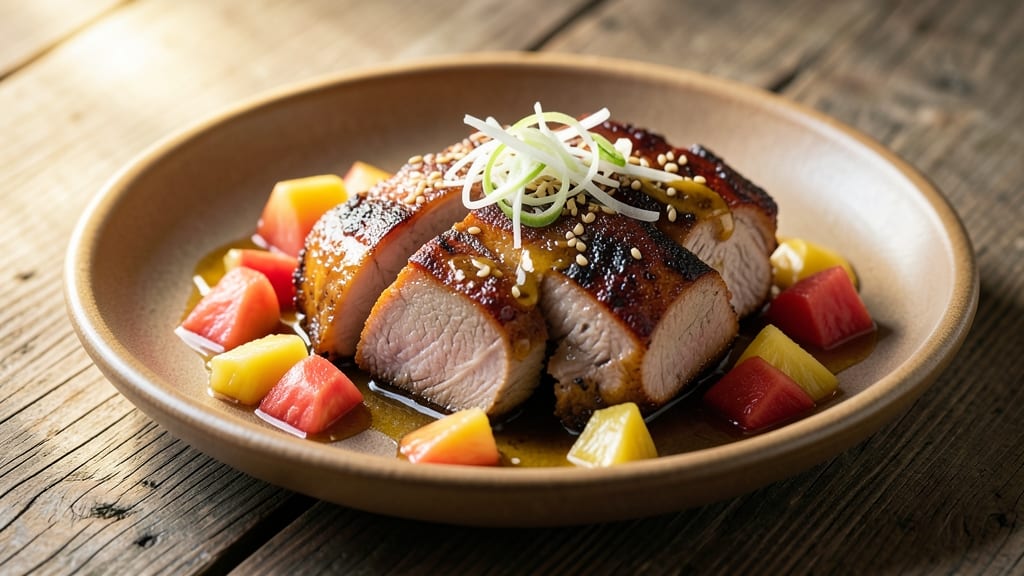
This pork pata humba recipe with pineapple juice delivers the perfect balance of tangy, sweet, and savory flavors that define Filipino comfort food. 🌟 The secret lies in slow-cooking pork until it practically melts, then finishing it with a bright splash of pineapple juice that cuts through the richness.
I first discovered this dish during a trip to Manila, where my family's favorite restaurant served it with steamed rice and crispy garlic fried rice.
The recipe begins with a flavorful marinade of garlic, ginger, and spices that tenderizes the pork before it's seared and simmered in a vinegar-based sauce. What makes this dish truly special is the slow-cooking process, which transforms tough cuts into fork-tender meat.
The pineapple juice isn't just an afterthought—it's the finishing touch that brightens the whole dish and balances the tangy-sweet profile.
By the time you're done, you'll have a rich, aromatic stew with pork that falls apart at the touch of a fork, all bathed in a glossy sauce.
The aroma alone will have everyone gathering around the table, while the flavors deliver that perfect harmony of sweet, sour, and umami that makes this dish so beloved. This is the kind of meal that feels like a warm embrace from a Filipino kitchen.
Serve it with steamed jasmine rice and a side of garlic fried rice for the full experience. The pineapple juice can be adjusted to taste, so don't be afraid to experiment—this dish is all about finding that perfect balance. Let's get cooking!
Ingredients for pork pata humba recipe with pineapple juice
Pork shoulder, aromatic spices, and that bright pineapple juice—this is comfort food at its finest.
| Ingredient | Amount | Notes |
|---|---|---|
| Pork Shoulder 🥓 | 2 lb | Bone-in, cut into 2-inch chunks |
| Garlic Cloves 🧄 | 8 cloves | Minced, for marinade and sauce |
| Fresh Ginger 🌿 | ½ cup | Finely grated, peeled |
| Cane Vinegar 🍶 | ½ cup | White vinegar works in a pinch |
| Soy Sauce 🍶 | ¼ cup | Premium brand for depth |
| Brown Sugar 🍚 | ¼ cup | Packed, for caramelized flavor |
| Pineapple Juice 🍍 | ½ cup | Freshly squeezed, for brightness |
| Black Peppercorns 🌶️ | 1 tsp | Freshly cracked, for heat |
| Bay Leaves 🍃 | 2 whole | For aromatic depth |
| Onion 🧅 | 1 whole | Yellow, sliced into half-moons |
| Olive Oil 🫒 | ¼ cup | Extra-virgin, for searing |
| Salt 🧂 | 1 ½ tsp | Kosher, adjust to taste |
| Ground Black Pepper 🌶️ | ½ tsp | Freshly ground, for finishing |
| Fresh Pineapple 🍍 | 1 whole | Optional, for garnish and extra juice |
The pork shoulder is non-negotiable here—it's the star that falls apart after slow cooking. Look for cuts with good marbling at Filipino markets or the meat section of Asian grocery stores like H Mart or 99 Ranch. If you can't find it, a well-marbled pork butt works too. The garlic and ginger? Fresh is a must—dried spices won't give you that same aromatic punch. For the vinegar, cane vinegar is traditional, but white vinegar in a pinch still delivers that tangy kick. The soy sauce should be a premium brand like Kikkoman or Pearl River Bridge—cheap stuff tastes flat in this dish.
No cane vinegar? White vinegar or apple cider vinegar works just fine—just use the same amount. Running low on pineapple juice? Fresh pineapple puréed in a blender (strain the pulp) gives you that same vibrant flavor. Swapping out the brown sugar? Coconut sugar or even white sugar (though it won't caramelize as nicely) can work. The bay leaves are easy to find in the spice aisle, but if you're out, dried thyme at half the amount is a decent swap. And for the pineapple garnish? Skip it if you're out—it's purely decorative, but the juice is essential for that bright finish.
This dish tastes even better the next day—make extra if you can. Store leftovers in an airtight container in the fridge for up to 5 days, or freeze portions for 3 months. The sauce thickens as it cools, so a splash of water or pineapple juice warms it right up. For serving, jasmine rice is traditional, but any long-grain white rice works. The garlic fried rice on the side? Totally optional but highly recommended—it soaks up all that delicious sauce.
Why You'll Love This Recipe
- No Chopping Chaos: I swear by this—just dice the pork shoulder into big chunks, no fussy prepping. The ginger and garlic get minced while the pork simmers, so you’re stirring, not stressing. (Yes, even on a Tuesday night.)
- Sweet-Sour Magic: That pineapple juice? It’s the star. The cane vinegar cuts through the richness while the soy sauce and ginger add depth—like a tangy, umami hug in every bite. Honestly, the first time I tasted it, I immediately texted my mom to make more.
- Leftover Goldmine: This dish tastes better the next day. I’ve reheated portions for lunch or packed it for work—still juicy, still packed with flavor. The pork gets even more tender, and the sauce thickens into a glossy, savory glaze. My secret weapon for lazy days.
- Budget-Friendly Feast: Pork shoulder is cheap, and this recipe stretches it into a meal that feeds four (or five if you’re feeding teenagers). Between us, I’ve made this for potlucks, family dinners, and even a last-minute BBQ—no one ever questions why it’s on the menu.
Step-by-step instructions for pork Pata Humba with pineapple juice
Here's how to make this tangy-sweet Filipino masterpiece that melts in your mouth!
🔥 Step 1: Sear the Pork Shoulder for Deep Flavor
Heat the 0.25 cup olive oil in a large Dutch oven over medium-high heat until shimmering. Add the 2 lb pork shoulder cut into 2-inch chunks, working in batches if needed to avoid crowding. Sear for 4-5 minutes per side until deep golden brown and caramelized.
This searing step creates the rich, meaty foundation of your stew. Don't rush it—you want that beautiful crust that'll dissolve into the sauce later. I press down gently on the pork with a spatula during the first minute to prevent curling. Once all pieces are browned, remove them and set aside on a plate.
👨🍳 Step 2: Build the Aromatic Base
In the same Dutch oven, add the 1 whole onion sliced into half-moons and cook for 3-4 minutes until softened and just starting to brown. Add the 8 cloves minced garlic cloves and 0.5 cup finely grated fresh ginger, stirring constantly for 30 seconds until fragrant.
Here's where the magic begins—those aromatics should smell like a tropical paradise! If they start to brown too quickly, reduce heat to medium. Add the 1 tsp freshly cracked black peppercorns and 2 whole bay leaves, letting them toast for 1 minute to release their oils. This aromatic base is the heart of your Pata Humba.
🍳 Step 3: Simmer the Tangy-Sweet Sauce
Pour in the 0.5 cup cane vinegar and 0.25 cup soy sauce, scraping up any browned bits from the bottom of the pot. Add the 0.25 cup packed brown sugar and 0.5 cup pineapple juice, stirring until the sugar dissolves completely. Return the pork to the pot, along with any accumulated juices.
The sauce should bubble vigorously at first, but reduce heat to low-medium and bring to a gentle simmer. Cover partially and cook for 1 hour 30 minutes, stirring occasionally. You're looking for the pork to become fork-tender—when you pierce a piece, the meat should pull apart easily. If the sauce reduces too much, add 2-3 tablespoons water to maintain the right consistency.
🥘 Step 4: Finish with Seasoning and Rest
Remove the 2 whole bay leaves and adjust seasoning with 1.5 tsp salt and 0.5 tsp freshly ground black pepper to taste. For extra brightness, you can add chunks from the 1 whole fresh pineapple (optional) and cook for another 10 minutes if you want that fresh tropical touch.
Let the Pata Humba rest for 10 minutes off the heat before serving. This resting period allows all the flavors to meld together perfectly. The sauce should coat the back of a spoon with a beautiful balance of sweet, tangy, and savory notes. Serve with steamed rice to soak up every last drop of that delicious sauce!
Pro Tips For Making Pork Pata Humba Recipe With Pineapple Juice
- CRUSH THE GARLIC: Use a mortar and pestle instead of mincing—this releases more flavor and blends better with the ginger. I learned this the hard way after making a batch where the garlic just sat there, tasteless. For this dish, you want that sharp, aromatic punch to cut through the pork’s richness.
- SIMMER LOW AND SLOW: After the initial sear, drop the heat to the lowest setting that keeps a gentle bubble—this pulls the pork apart without drying it out. I used to rush it, and the meat would turn chewy. For pork shoulder, patience here makes all the difference.
- SALT THE PORK FIRST: Season the pork shoulder with salt and let it sit uncovered in the fridge for at least 30 minutes before cooking. This draws out moisture, ensuring a better crust when seared. I was skeptical until I tried it—now I never skip it.
- SKIP THE BOILING VINEGAR: Add cane vinegar gradually to the simmering pot, just enough to brighten the sauce, not sour it. I once dumped a whole cup in at once, and the whole dish tasted harsh. A splash here and there keeps the balance right.
Troubleshooting your pork pata humba recipe with pineapple juice
Pork Too Tough?
If your pork isn't falling apart after 1 hour 30 minutes of simmering, it likely needs more time. I've found that bone-in cuts require 15-30 extra minutes to become tender. Check for doneness by piercing a piece—it should feel like butter.
If it's still firm, add ¼ cup water and continue cooking for another 30 minutes. Never rush this step, or you'll end up with chewy meat. 💪
Sauce Too Thin?
The sauce should coat the back of a spoon but remain spoonable. If it's too thin after simmering, reduce heat to low and cook uncovered for 10-15 minutes to let excess liquid evaporate. Stir occasionally to prevent sticking.
For a quick fix, mix 1 tbsp cornstarch with 1 tbsp cold water, stir into the sauce, and simmer for 2 minutes until thickened. This works wonders without altering flavor. ✨
Sauce Too Thick?
If your sauce is gloppy or clumpy, it likely needs thinning. Add 2-3 tbsp water or pineapple juice and simmer for 5 minutes to restore balance. For extra richness, I sometimes add 1 tbsp coconut milk—it blends seamlessly and adds a subtle creaminess.
Avoid adding too much liquid at once, or you'll dilute the flavors. 🌟
Vinegar Overpowering?
The tangy vinegar can dominate if not balanced properly. If your dish tastes too sharp, add 1 tbsp brown sugar or 1 tsp honey to sweeten the sauce. The pineapple juice helps too—its natural sweetness mellows the acidity.
Taste as you go! For extra depth, a pinch of salt can also help round out the flavors. 💡
Pineapple Juice Too Sweet?
If the pineapple juice makes the dish taste cloyingly sweet, reduce the heat and simmer uncovered for 5-10 minutes to let some of the alcohol and sweetness evaporate.
Alternatively, add 1 tbsp cane vinegar or lemon juice to cut through the sweetness. Balance is key—Filipino flavors thrive on harmony, not extremes. 🍍
Equipment Issues?
No Dutch oven? A heavy-bottomed pot works just as well. If your pork isn't browning properly, sear it in a skillet first, then transfer to the pot. For even cooking, avoid overcrowding the pot—work in batches if needed.
A meat thermometer is your best friend here; aim for 203°F internal temperature for perfect tenderness. 🌡️
Nutrition facts
Frequently asked questions
Can I substitute pork shoulder with another cut?
Yes! Pork butt or pork shank work beautifully. For pork butt, use the same 2 lb amount and expect slightly faster cooking (1 hour 15 minutes instead of 1 hour 30 minutes). Pork shank requires 2 hours of simmering to achieve tenderness. The bone-in cuts add incredible flavor to the sauce, but boneless pork tenderloin works in a pinch—just reduce cooking time to 45 minutes.
Why does the pineapple juice need to be fresh?
Fresh pineapple juice adds vibrant acidity and natural sweetness that bottled juice can't match. The enzymes in fresh pineapple also help tenderize the pork slightly during cooking. If you must use bottled juice, choose 100% pineapple with no added sugar. For extra brightness, blend fresh pineapple chunks, strain, and use the juice immediately.
What's the secret to balancing the tangy-sweet flavors?
The key is layering: start with the vinegar and soy sauce for tang, then add brown sugar for sweetness, and finish with pineapple juice for brightness. Taste as you go! If it's too sharp, add a pinch more sugar. Too sweet? A splash of vinegar or lemon juice cuts through. Filipino cooking thrives on this harmony—it's all about finding that perfect middle ground.
Can I make this dish in a slow cooker?
Sear the pork first in a skillet, then transfer everything to the slow cooker. Cook on low for 6-7 hours or high for 3-4 hours. The slow cooker's gentle heat ensures perfectly tender pork. Just add 2-3 tbsp water if the sauce gets too thick during cooking. The flavors develop beautifully this way, making it ideal for busy days.
How do I make this dish kid-friendly?
Reduce the vinegar to 0.25 cup and add 1 extra tbsp brown sugar to mellow the tang. Serve the pork with plain rice and a side of steamed veggies. Kids often love the sweet-savory flavor profile! For extra appeal, garnish with a sprinkle of toasted sesame seeds or serve with buttered noodles on the side.