
Main Courses
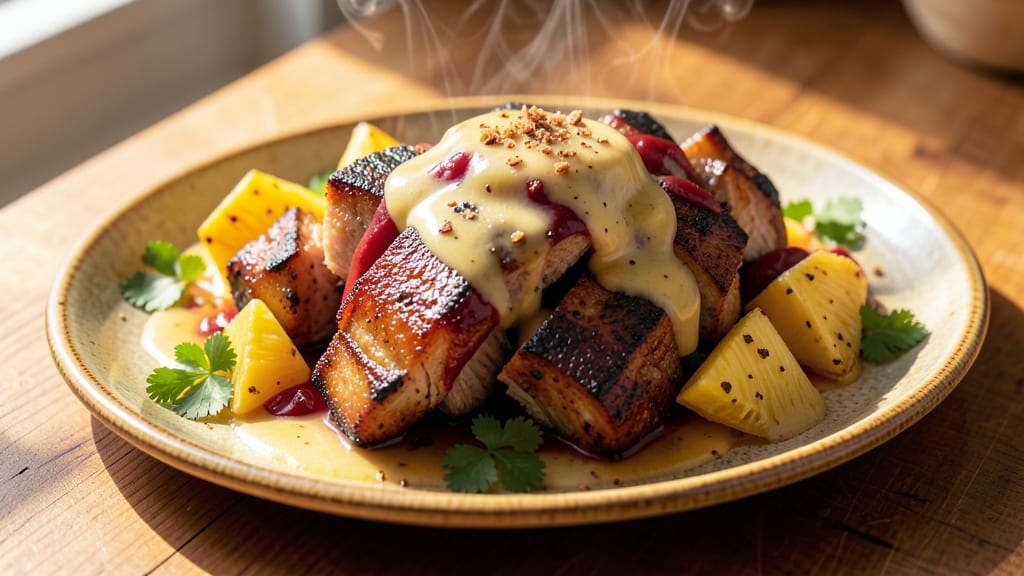
This pork pata humba with pineapple slow cooker recipe brings bold Filipino flavors to your weeknight table with minimal effort. The marriage of tender pork shoulder, sweet pineapple, and savory-sweet sauce creates a dish that's rich, aromatic, and impossible to resist.
I developed this version specifically for the slow cooker, where the flavors meld together perfectly over hours of gentle cooking.
The beauty of this recipe lies in its simplicity—just a few key ingredients transform into a restaurant-worthy meal with almost no hands-on time. The pork becomes fork-tender while absorbing the sweet-savory sauce, and the pineapple adds just the right amount of brightness to balance the richness.
What makes this version special is how the slow cooker handles all the work for you, resulting in juicy meat that practically falls apart.
By the time you're ready to serve, you'll have a dish that's perfect for family dinners or gatherings—golden-brown pork pieces swimming in a glossy, caramelized sauce with chunks of juicy pineapple throughout.
The aroma alone will have everyone gathering around the table, and the first bite delivers that perfect balance of sweet, tangy, and savory that defines Filipino comfort food.
Pair it with steamed rice for the full experience, or serve with roasted vegetables for a lighter option. The leftovers reheat beautifully, making this an excellent make-ahead meal for busy weeks. Let's get cooking—your taste buds will thank you.
Ingredients for pork pata humba with pineapple recipe slow cooker
Six core ingredients transform into this rich, aromatic pork dish with minimal effort.
| Ingredient | Amount | Notes |
|---|---|---|
| Pork Shoulder 🥩 | 3 lb | Bone-in for flavor, cut into 2-inch chunks |
| Fresh Pineapple 🍍 | 2 cups | Chopped into 1-inch pieces, fresh or canned (no syrup) |
| Coconut Milk 🥥 | 1 can | 13.5 oz can, full-fat preferred |
| Tomato Sauce 🍅 | 1 cup | San Marzano preferred, no added sugar |
| Soy Sauce 🧂 | ½ cup | Light or regular, not low-sodium |
| Brown Sugar 🍚 | ½ cup | Packed, dark brown preferred |
| Garlic Cloves 🧄 | 6 cloves | Minced, fresh preferred |
| Onion 🧅 | 1 whole | Yellow or red, diced |
| Black Peppercorns 🌶️ | 1 tsp | Freshly cracked preferred |
| Bay Leaves 🌿 | 2 whole | Dried, standard size |
| Olive Oil 🫒 | 2 tbsp | Extra-virgin for searing |
| Salt 🧂 | 1 ½ tsp | Diamond Crystal kosher salt |
| Ground Black Pepper 🌶️ | ½ tsp | Freshly ground for best flavor |
| Cinnamon Sticks 🌿 | 2 whole | Optional, for depth of flavor |
The pork shoulder is the star—look for cuts with good marbling at Costco or your butcher shop. Bone-in pieces add incredible flavor, but boneless works too if you're in a hurry. Fresh pineapple is ideal (cored and chopped yourself), but canned pineapple in juice saves time—just drain it well. For the coconut milk, full-fat is non-negotiable—it gives that creamy, rich texture. I always grab Goya or Thai Kitchen brands for the tomato sauce and soy sauce—they've got that authentic Filipino flavor profile. The brown sugar should be packed, not aerated, for better caramelization.
No fresh garlic? One teaspoon of garlic powder works in a pinch, but it won't have the same punch. Swap the bay leaves for dried thyme at half the amount if needed. The cinnamon sticks are optional but add a wonderful warmth—Trader Joe's carries them in bulk if you want to experiment. For the pineapple, if you're using canned, drain and rinse it thoroughly to remove excess juice. The tomato sauce can be substituted with crushed tomatoes if you prefer a chunkier texture. And if you're worried about the soy sauce being too salty, reduce it to 1/3 cup—the dish is still flavorful.
This reheats beautifully—honestly tastes better the next day once everything melds together. Store leftovers in the fridge for up to 5 days or freeze for 3 months. I like to portion it into containers with some rice so lunches are ready to grab. The sauce thickens as it cools, so you can always add a splash of water or coconut milk when reheating. For serving, a sprinkle of fresh cilantro adds a nice bright finish—worth the extra minute if you've got it.
Why You'll Love This Recipe
- Sweet-Savory Magic: That first bite? It’s like a party in your mouth—juicy pork falling apart, sweet pineapple cutting through the richness, and the coconut milk adding this creamy, almost tropical depth. Honestly, the combination of the tangy tomato sauce and the caramelized pineapple edges makes this dish ridiculously addictive.
- Party-Ready in Minutes: Between us, this is my go-to for gatherings because it’s effortless but feels fancy. Serve it over rice for a crowd, or let guests scoop it straight from the slow cooker with crusty bread—no one will guess how little work went into it. (Yes, even on a Tuesday night.)
- Leftovers That Don’t Suck: Slow-cooked pork pata humba actually improves the next day—more tender, flavors deeper, and just as crave-worthy. I meal prep this all the time because it reheats like a dream, and the pineapple keeps it from getting dry. Plus, pork shoulder is budget-friendly, so you’re feeding a family for less than takeout.
Step-by-step instructions for pork pata humba with pineapple
This slow cooker method transforms humble ingredients into a rich, caramelized masterpiece.
Sear the Pork Shoulder for Maximum Flavor
Heat a large skillet over medium-high heat and add the 2 tablespoons olive oil. Once shimmering, add the 3 lb pork shoulder cut into 2-inch chunks, working in batches to avoid crowding. Sear each piece for 3-4 minutes per side until deeply browned and developing a caramelized crust. This step creates the foundational flavor that will infuse throughout the dish.
As you sear, you'll notice the pork releases juices that bubble and pop—this is the Maillard reaction in action, creating complex flavors. Transfer the browned pork to your slow cooker and set it aside. If you're using the optional 2 whole cinnamon sticks, add them now to the slow cooker to infuse subtle warmth during the cooking process.
Build the Sweet-Savory Base
In the same skillet, reduce heat to medium and add the 1 whole onion and 6 cloves garlic cloves, minced. Sauté for 4-5 minutes until the onions soften and turn translucent, then add the 1 teaspoon black peppercorns and cook for another 30 seconds until fragrant. This aromatic base forms the flavor backbone of your dish.
Pour in the 1 cup tomato sauce, scraping up any browned bits from the bottom of the pan. Stir in the 0.5 cup soy sauce and 0.5 cup brown sugar, letting the mixture simmer for 2 minutes until slightly thickened. The sugar will begin to caramelize, deepening the sauce's complexity. Transfer this mixture to the slow cooker with the seared pork.
Layer the Remaining Ingredients
Add the 2 cups fresh pineapple (chopped into 1-inch pieces) to the slow cooker, distributing it evenly around the pork. Pour in the 1 can coconut milk, ensuring it's fully opened and stirred. Sprinkle over the 1.5 teaspoons salt and 0.5 teaspoon ground black pepper, then add the 2 whole bay leaves. The bay leaves will add earthy depth that complements the sweet and savory elements.
Give everything a gentle stir to combine, making sure the pineapple pieces are well-distributed throughout the liquid. The coconut milk will create a luscious, creamy sauce that balances the sweetness of the pineapple and brown sugar while keeping the pork tender.
Slow Cook to Tender Perfection
Cover the slow cooker and cook on low heat for 8 hours or high heat for 5-6 hours. The pork should become fork-tender, falling apart easily when tested with a fork or skewer. This slow cooking method allows all the flavors to meld together beautifully while keeping the meat juicy and succulent.
About 30 minutes before the cooking time is complete, give the pork a gentle stir to ensure even exposure to the sauce. You'll notice the sauce has thickened and darkened slightly, indicating the sugars have caramelized and the flavors have deepened. The pineapple should be tender but still hold its shape slightly.
Finish and Serve with Confidence
Once the pork is tender, carefully remove it from the slow cooker and shred it using two forks, discarding the bay leaves and cinnamon sticks if used. Return the shredded pork to the slow cooker and stir gently to coat it in the rich sauce. Let it sit for 5-10 minutes to allow the flavors to meld completely.
Ladle the pork and sauce into serving bowls, ensuring each portion gets a generous serving of the caramelized sauce and tender pineapple pieces. Serve immediately with steamed rice or crusty bread to soak up every last bit of that delicious sauce. The combination of sweet pineapple, savory pork, and rich coconut milk creates a perfect balance that will have everyone asking for seconds.
Pro Tips For Making Pork Pata Humba With Pineapple Recipe Slow Cooker
- SEAR THE PORK FIRST: I learned this the hard way—skipping the sear means flavor hiding in the sauce instead of clinging to the meat. Brown the pork shoulder in a hot pan with oil until it’s deep golden, then transfer it to the slow cooker. The crust locks in juices and adds depth that no amount of coconut milk can replace.
- CHOP PINEAPPLE SMALL: Big chunks turn mushy in slow cooking, and you’ll end up with a sad, watery sauce. Cut the pineapple into ½-inch cubes—small enough to soften but not disappear. If using canned pineapple, drain it well and pat dry; the extra liquid throws off the balance of the coconut milk.
- DILUTE THE SOY SAUCE: Straight soy sauce in the slow cooker can turn the sauce bitter or overly salty. Mix 1 tablespoon of soy sauce with 2 tablespoons of water first—this spreads the umami evenly and prevents the pork from absorbing too much salt at once. Trust me, your taste buds will notice.
- START WITH HIGH HEAT: Low-and-slow works, but the first hour on high gets the pork tenderizing faster. After that, switch to low for the remaining 6-8 hours. This two-step method prevents the pork from drying out while still breaking down the connective tissue. (Yes, even if you’re impatient like me.)
Essential equipment for perfect results
Slow Cooker Essentials
Your 6-quart slow cooker is the star here—it's the perfect size for this recipe without overcrowding. I use my Hamilton Beach 6-Quart Programmable Slow Cooker because it handles both low and high heat settings consistently.
If you're working with a smaller pot, consider cooking in batches or using a 7-quart model for extra headroom. 🌡️
Searing Skillet
A 12-inch cast iron skillet is ideal for searing the pork shoulder—it retains heat beautifully and develops that crucial Maillard crust. I keep my Lodge 12-inch Cast Iron Skillet on hand for all my slow cooker recipes.
If you don't have cast iron, a heavy stainless steel skillet works too, though it may take slightly longer to brown the meat evenly.
Measuring Tools
Precision matters when balancing sweet and savory flavors. Use a stainless steel measuring spoons set for the brown sugar and spices, and a kitchen scale for the pork shoulder if you want to hit that 3 lb target exactly.
I love my OXO Good Grips measuring tools—they're durable and easy to read. A fine-mesh strainer also comes in handy for rinsing canned pineapple if you're using it.
Optional Tools
For easier shredding, grab a pair of sturdy forks or a meat shredding fork—they make quick work of separating the pork. If you're adding fresh pineapple, a sharp chef's knife and cutting board are essential.
I also keep silicon spatulas nearby to scrape up every last bit of caramelized goodness from the slow cooker. A wooden spoon works too, but it's less heat-resistant.
Storage Containers
Leftovers are inevitable with this dish, so have airtight glass containers ready for storage. I prefer Pyrex 8-cup storage containers because they stack neatly in the fridge and reheat evenly.
For freezing, quart-sized freezer bags with the air squeezed out work perfectly—they prevent freezer burn and thaw faster than rigid containers. 💫
Nutrition facts
Frequently asked questions
Can I use pork shoulder or pork butt for this recipe?
Both work perfectly! Pork shoulder (also called pork butt) is ideal because it stays tender and flavorful during slow cooking. If you prefer pork butt, look for a 3-4 lb bone-in cut—the bone adds depth to the broth. For extra tenderness, trim excess fat before searing, but leave some for flavor.
How do I adjust the recipe if I don't have fresh pineapple?
Canned pineapple works beautifully—just drain and rinse it well to remove excess juice. Use 2 cups drained canned pineapple (about 1 20 oz can) and pat dry with a paper towel. For extra sweetness, add 1 tablespoon honey to the sauce. Fresh pineapple adds better texture, but canned is a great shortcut.
What's the best way to thicken the sauce if it's too thin?
Simmer the sauce uncovered for 5-10 minutes to reduce it naturally. For quicker results, mix 1 tablespoon cornstarch with 1 tablespoon water and stir it into the sauce until it thickens. Avoid over-thickening—this dish needs a luscious, slightly saucy consistency. The sauce will thicken more as it cools.
Can I make this recipe in an Instant Pot instead?
Sear the pork as directed, then add all ingredients and cook on high pressure for 45 minutes followed by a 10-minute natural release. For extra tenderness, switch to low pressure for 60 minutes. The Instant Pot version cooks faster but requires more attention to avoid overcooking. The flavors will be just as rich!
Why does my pork pata humba taste too sweet?
The balance comes from the savory elements—soy sauce, garlic, and black pepper. If it's too sweet, add 1 extra tablespoon soy sauce or 1 teaspoon fish sauce (if you like umami depth). Also check your brown sugar measurement—packed brown sugar is sweeter than aerated. The pineapple should complement, not overpower, the pork's savory notes.