
Main Courses
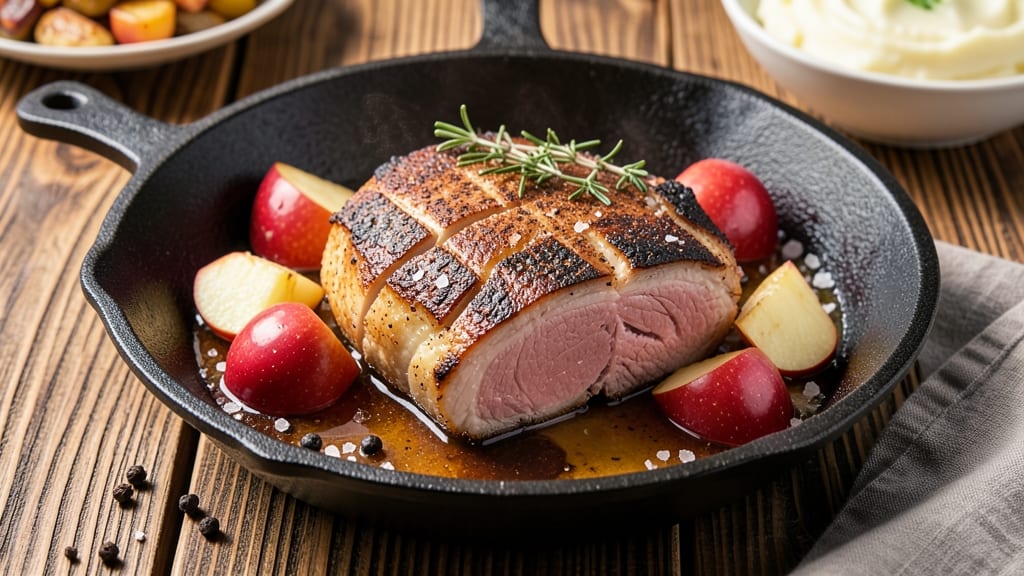
This pork shoulder with apples recipe transforms tough cuts into melt-in-your-mouth perfection through slow braising and caramelized sweetness.
After years of perfecting this dish—first in Charleston kitchens, then on my farm—I’ve developed a method that balances rich pork with the bright acidity of apples, creating a harmony that’s both comforting and sophisticated.
The secret lies in the low-and-slow cook, where spices deepen and apples soften into a luscious jam that clings to every bite.
The process begins with a dry rub of smoked paprika and brown sugar, creating a flavorful crust before the meat ever hits the oven. As it braises, the apples break down into a sticky glaze that tenderizes the pork while adding a touch of natural sweetness.
This isn’t just a dish—it’s a technique that turns a simple cut into something restaurant-worthy, with minimal effort once you get the timing right. The result? Juicy, fall-apart pork with caramelized edges and a sauce so rich it’ll have everyone asking for seconds.
What makes this recipe stand out is its versatility—serve it with crusty bread to soak up the sauce, alongside roasted potatoes for heartiness, or even as a sandwich filling for a smoky-sweet twist.
The balance of sweet and savory, tender meat and crisp edges, makes it a crowd-pleaser that works for family dinners or holiday feasts. And because it’s designed for slow cooking, you can walk away and let the flavors develop while you tend to other tasks.
I’ve tested this recipe countless times, from my first attempts as a CIA apprentice to perfecting it on my farm with heritage pork. The key is patience—letting the meat and apples work together over hours to create a dish that’s far more complex than its ingredients suggest.
Trust the process, and you’ll end up with a meal that tastes like a long-simmered secret, shared around a table with people you love.
Ingredients for pork shoulder apple
Six ingredients transform tough pork into fall-apart perfection with apples.
| Ingredient | Amount | Notes |
|---|---|---|
| Pork Shoulder 🐖 | 4 lb | Bone-in, well-marbled for flavor |
| Honeycrisp Apples 🍎 | 4 whole | Cored, peeled, sliced into wedges |
| Smoked Paprika 🌶️ | 2 tbsp | For that deep, smoky flavor |
| Brown Sugar 🍚 | ½ cup | Light or dark, packed |
| Kosher Salt 🧂 | 1 ½ tbsp | Diamond Crystal preferred |
| Black Peppercorns 🌶️ | 1 ½ tbsp | Freshly cracked, not ground |
| Fresh Thyme 🌿 | ¼ cup | Stems removed, chopped |
| Garlic Cloves 🧄 | 6 cloves | Smashed, not minced |
| Apple Cider Vinegar 🍏 | ¼ cup | For bright acidity |
| Beef Broth 💧 | 2 cups | Low-sodium preferred |
| Olive Oil 🫒 | 2 tbsp | For searing the pork |
| Fresh Rosemary 🌿 | ⅛ cup | Needles only, chopped |
The pork shoulder is everything here—bone-in and well-marbled for that rich, deep flavor. Costco or local butcher shops usually have the best cuts, and you can ask for it pre-trimmed to save time. Look for good marbling (those little white flecks of fat) because that’s what keeps the meat juicy. If you’re buying a whole shoulder, trim off any excess fat before applying the rub—just leave about a quarter-inch for flavor. For apples, Honeycrisp or Fuji are ideal—they hold up well to slow cooking and stay tender without turning mushy. If you can’t find those, any crisp variety like Gala or Granny Smith will work.
No smoked paprika? Regular paprika plus a pinch of liquid smoke gets you close. Brown sugar substitute? Maple syrup or coconut sugar at the same amount. Fresh thyme too expensive? Dried works at one-third the amount, but trust me on the fresh stuff—it’s worth it. The beef broth can be swapped for chicken broth or vegetable broth, but beef gives that deeper umami punch. If you’re short on time, use pre-sliced apples from the produce section, but they won’t caramelize as beautifully as whole wedges. And if you’ve got extra apples, toss a few whole ones in the pot—they’ll soften into a jammy sauce.
This dish tastes even better the next day, so make it ahead if you can. Store leftovers in the fridge for up to 5 days in an airtight container, or freeze for 3 months—the flavors only get richer. For serving, I always pull out my cast-iron skillet to crisp up the edges of the pork slices. The sauce thickens as it cools, so a splash of warm water or broth can loosen it up if needed. And if you’ve got extra sauce, freeze it in ice cube trays for quick future meals—just thaw and reheat.
Why You'll Love This Recipe
- One-Pan Magic: I swear by this—just toss the pork, apples, and spices on a sheet pan, pop it in the oven, and walk away. No pots, no pans, no stress. The apples caramelize right alongside the pork, and honestly? That’s my kind of cooking.
- Sweet-Savory Balance: The Honeycrisp apples add this bright, crisp sweetness that cuts through the smoky richness of the pork shoulder. A sprinkle of brown sugar and smoked paprika? It’s like a hug for your taste buds—warm, a little spicy, and impossible to resist.
- Leftovers? Yes, Please: This recipe makes way more than you’ll eat in one sitting, and that’s a good thing. The pork gets even more tender the next day, and I’ve reheated those slices straight from the fridge with zero fuss. (Yes, even on a Tuesday night.)
- Budget-Friendly Feast: Pork shoulder is my go-to for stretching a meal without breaking the bank, and adding apples makes it feel special. Between us, this is the kind of dish where you get restaurant-quality flavors for half the price—and way more leftovers.
Step-by-step instructions for slow-braised pork shoulder with apples
This method transforms tough pork into melt-in-your-mouth perfection with tender apples and aromatic herbs.
Sear the Pork Shoulder for Deep Flavor
Heat a Dutch oven over medium-high heat and add the 2 tablespoons olive oil. Once shimmering, place the 4 lb pork shoulder fat-side down and sear for 10-12 minutes until the fat is golden brown and crispy. Flip and sear the other side for another 8-10 minutes until deeply browned.
This step creates the Maillard reaction that builds rich, caramelized flavors—don't rush it. Press down gently on the pork with a spatula during searing to prevent curling. Once browned, remove the pork and set aside on a plate, leaving all the rendered fat in the pot.
Build the Sweet-Savory Base
In the same Dutch oven, reduce heat to medium and add the 6 smashed garlic cloves, 0.125 cup chopped fresh rosemary, and 0.25 cup chopped fresh thyme. Sauté for 2 minutes until fragrant—you should smell that aromatic punch of herbs and garlic.
Stir in the 2 tablespoons smoked paprika, 1.5 tablespoons kosher salt, and 1.5 tablespoons cracked black peppercorns, letting them toast for 30 seconds until slightly darkened. This creates the spice base that will infuse the entire dish.
Add Apples and Deglaze
Pour in the 0.25 cup apple cider vinegar and scrape up all the browned bits from the bottom of the pot—this is where all the flavor hides. Add the 4 whole Honeycrisp apples (sliced into wedges) and toss them in the liquid to coat evenly.
Sprinkle in the 0.5 cup packed brown sugar and stir until dissolved. The mixture should look glossy and inviting. This sweet-savory combination will caramelize beautifully during the braising process, creating a sticky, flavorful sauce.
Braise Until Fork-Tender
Return the pork shoulder to the Dutch oven, fat-side up, and pour in the 2 cups beef broth. Bring to a gentle simmer, then reduce heat to low and cover. Here's the key: braise for 3-4 hours until the pork is fork-tender and pulls apart easily.
Check the liquid level occasionally and add ½ cup water if it reduces too much. The apples should be soft and caramelized, absorbing all those beautiful braising flavors. Real talk: your kitchen will smell incredible during this time—worth every minute.
Rest and Serve
Once the pork reaches 203°F internally (use a meat thermometer), remove it from the pot and let it rest for 15-20 minutes on a cutting board. This resting period allows the juices to redistribute, ensuring each bite is moist and flavorful.
Skimming the fat from the braising liquid now will leave you with a rich, caramelized sauce. Shred the pork against the grain and serve it with the apples and sauce spooned over the top. The contrast of tender pork, sweet apples, and aromatic herbs makes this dish unforgettable.
Pro Tips For Making Pork Shoulder Apple
- Sear the Pork Hard: I used to give it a quick pat and toss it in the oven—big mistake. Get that pork shoulder screaming hot in a dry skillet for 4-5 minutes per side until it’s deep golden. The crust locks in flavor and makes the apples taste like they belong there, not like an afterthought.
- Slice Apples Thin: Thick chunks turn mushy while the pork cooks. Cut those Honeycrisp apples into ¼-inch slices—thin enough to caramelize but still hold their shape. (Yes, it’s tedious, but trust me, the texture difference is night and day.)
- Don’t Rush the Rest: Pull the pork at 195°F, then wrap it in foil and let it sit for at least 20 minutes. I learned this the hard way—skipping rest means dry, stringy meat, and no one wants that with sweet apples clinging to it.
- Use Less Sugar: Brown sugar’s job is to enhance, not overpower. Start with 2 tablespoons and adjust—Honeycrisp apples are naturally sweet, and smoked paprika adds depth. Taste as you go; you can always add more, but you can’t take it out.
Serving suggestions for this pork shoulder apple
Crusty Bread Pairing
Nothing beats this dish with a warm, crusty loaf of sourdough or French baguette to soak up the caramelized apple sauce. I always grab a loaf from my local bakery—The Southern Biscuit in Atlanta has the perfect one.
Tear it into chunks while still warm to create a rustic presentation. The crispy crust contrasts beautifully with the tender pork and soft apples. 🥖
Roasted Potatoes
For a heartier meal, serve alongside Yukon Gold potatoes roasted with rosemary and garlic. Toss 2 lbs of potatoes in 2 tbsp olive oil, 1 tsp salt, and ½ tsp black pepper, then roast at 400°F for 45 minutes until golden and crispy.
The earthy flavors complement the sweetness of the apples perfectly.
Simple Green Salad
A bright arugula salad with a light vinaigrette cuts through the richness of the pork. Toss 4 cups baby arugula with 2 tbsp olive oil, 1 tbsp apple cider vinegar, and a pinch of salt.
Top with ¼ cup toasted walnuts for crunch. The peppery greens balance the sweet-savory flavors beautifully.
Apple Sauce Garnish
For an extra touch, serve with a small bowl of homemade apple sauce made from the leftover braising liquid. Simmer the reduced sauce with 1 tbsp butter and a pinch of cinnamon until thickened.
Drizzle it over the pork or serve on the side for dipping. This adds another layer of sweetness and ties the whole meal together. 🍏
Pickled Vegetables
Add a tangy contrast with quick-pickled red onions or radishes. Thinly slice 1 red onion and 1 cup radishes, then soak in a mix of ½ cup apple cider vinegar, 1 tbsp sugar, and ½ tsp salt for 30 minutes.
The acidity brightens every bite of the rich pork.
Warm Cornbread
For a Southern-inspired twist, serve with warm cornbread made from scratch. My go-to recipe uses 1 cup cornmeal, 1 cup flour, 1 tbsp sugar, and 1 cup buttermilk. The slight sweetness and crumbly texture make it the perfect companion to the smoky pork and apples. 🌽
Nutrition facts
Frequently asked questions
Can I use a different cut of pork instead of shoulder?
While pork shoulder is ideal for this recipe due to its fat content and tenderness when slow-cooked, you can substitute with pork butt (they're essentially the same cut) or pork loin in a pinch. Avoid lean cuts like tenderloin—they'll dry out during the long braising time. If using loin, reduce cooking time to 2-2.5 hours and check for doneness at 195°F internal temperature.
What if my apples turn mushy instead of caramelized?
Mushy apples usually mean they were overcooked or the wrong variety was used. For best results, stick to firm varieties like Honeycrisp or Fuji, and remove any slices that look too soft after 2.5 hours of braising. If you prefer softer apples, add them to the pot only in the last 30-45 minutes of cooking. Another trick: toss apple slices in 1 teaspoon lemon juice before adding to the pot to preserve their texture.
Can I make this recipe in a slow cooker instead of an oven?
Transfer the seared pork and all other ingredients to a 6-quart slow cooker, then cook on low for 8 hours or high for 5-6 hours. The key difference is the cooking time—slow cookers work best with longer, gentler heat. For extra flavor, add ½ cup apple cider when transferring ingredients. The texture will be slightly more tender than oven-braised, but just as delicious.
How do I store and reheat leftovers?
Store leftovers in an airtight container in the fridge for up to 5 days or freeze for 3 months. To reheat, warm in a skillet over medium-low heat with a splash of beef broth or apple cider to restore moisture. For microwave reheating, cover with a damp paper towel and heat in 30-second intervals until warmed through. The flavors actually improve after resting, so this dish tastes even better the next day!
What's the best way to serve this for a large gathering?
For crowds, double the recipe and use two Dutch ovens or a large roasting pan. Set up a serving station with shredded pork in a slow cooker on warm, apples and sauce in a separate pot, and sides like crusty bread or cornbread nearby. This keeps everything hot and lets guests assemble their own plates. Pro tip: Keep the pork covered with foil until serving to maintain moisture, then shred right at the table for maximum tenderness.