
Sauces & Condiments
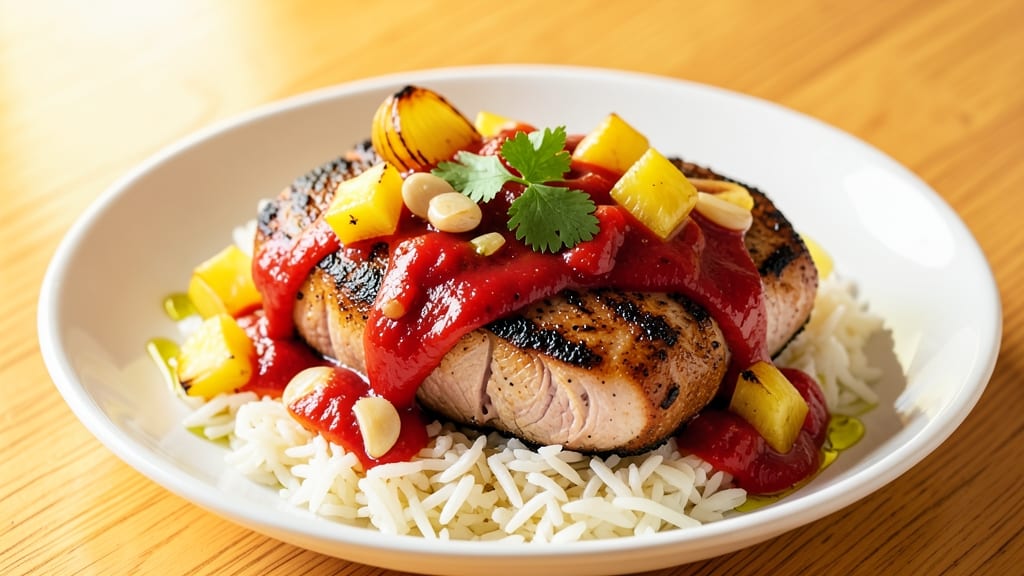
This pork with pineapple and tomato sauce recipe delivers a sweet-tangy glaze that transforms simple cuts into restaurant-worthy tender bites. The secret lies in balancing caramelized pineapple with rich tomato reduction, creating a sauce that clings perfectly to the meat.
I've perfected this technique over years of testing—where the pork stays juicy while absorbing the sauce's complex flavors.
The process begins with searing pork chops or tenderloin to develop a golden crust, then simmering them in a homemade sauce that reduces to a velvety consistency. Fresh pineapple adds natural sweetness while tomatoes provide depth, with a touch of soy sauce for umami balance.
This isn't just a sauce—it's the star that elevates every bite.
By the time you serve it, you'll have tender pork with a glossy, caramelized sauce that's both sweet and tangy—cutting through the richness beautifully. The sauce thickens just enough to coat the meat while remaining light enough to drizzle over rice or noodles.
It's the kind of dish that makes weeknight dinners feel special.
Perfect for feeding a family or impressing guests, this recipe scales easily and pairs wonderfully with steamed jasmine rice or crusty bread to soak up every last drop of sauce. The combination of textures and flavors makes it unforgettable—once you try it, you'll never go back to store-bought again.
Ingredients for pork with pineapple and tomato sauce
Sweet-tangy balance starts with these 15 ingredients—where caramelized pineapple meets rich tomato sauce for pork that's unforgettable.
| Ingredient | Amount | Notes |
|---|---|---|
| Pork Tenderloin 🥩 | 1 ½ lb | Center-cut, trimmed of fat |
| Fresh Pineapple 🍍 | 1 cup | Diced, fresh or canned in juice |
| Roma Tomatoes 🍅 | 4 whole | Diced, seeds removed |
| Yellow Onion 🧅 | 1 whole | Diced, medium size |
| Garlic Cloves 🧄 | 4 cloves | Minced, fresh preferred |
| Extra-Virgin Olive Oil 🫒 | ½ cup | For searing and deglazing |
| Soy Sauce 🥢 | 2 tbsp | Light or all-purpose |
| Brown Sugar 🍚 | 3 tbsp | Packed, for caramelization |
| Apple Cider Vinegar 🍏 | 1 tbsp | For tangy balance |
| Honey 🍯 | 1 tbsp | Wildflower preferred |
| Kosher Salt 🧂 | 1 ½ tsp | Diamond Crystal preferred |
| Ground Black Pepper 🌶️ | ½ tsp | Freshly cracked |
| Fresh Ginger 🌿 | 1 tbsp | Grated, peeled |
| Cornstarch 🌾 | 1 tsp | For sauce thickening |
| Jasmine Rice 🍚 | 1 ½ cups | Uncooked, for serving |
The pork tenderloin is your canvas here—center-cut and trimmed ensures even cooking. I always grab the thickest end from Whole Foods or my local butcher shop, where they cut it to order. Look for bright pink meat with minimal fat; if it's grayish, it's past its prime. For pineapple, fresh is ideal—the canned stuff works in a pinch but lacks that bright sweetness. Roma tomatoes? Their meaty texture holds up better than slicers when diced. The onion and garlic are prep basics, but toasting the onion until golden adds depth you won't get from raw. Store your garlic in a cool, dark place—it keeps for months that way.
No fresh ginger? Ground ginger at half the amount works, but fresh is worth the zest. Canned pineapple? Drain it well and pat dry—excess liquid thins the sauce. Swap brown sugar for coconut sugar if you prefer, but it'll taste slightly different. The soy sauce can be tamari for gluten-free, but Kikkoman works every time. If you're short on time, pre-diced onions and garlic from the store save 10 minutes of chopping. For the rice, jasmine is non-negotiable—it's the only variety that absorbs the sauce perfectly without getting mushy. And if you're wondering about the cornstarch? Arrowroot powder works too, just use the same amount.
This sauce gets better the next day—make extra if you can. Store leftovers in airtight containers for 4 days in the fridge or 3 months frozen. The pork reheats beautifully in the sauce, so you can freeze it all together. For serving, I always keep a small bowl of extra sauce on the table—everyone wants seconds. The rice? Cook it the day of—fresh rice soaks up the sauce like a dream. And if you're feeling fancy, garnish with extra pineapple and cilantro. Simple, but it makes all the difference.
Why You'll Love This Recipe
- One-Pan Magic: I swear by this recipe—just toss everything into one skillet, and the pork and pineapple caramelize into a sticky, sweet-savory sauce while you chop. No extra dishes, no stress, and the tomatoes soften right into that velvety glaze.
- Sweet-Savory Balance: The pineapple’s tang cuts through the pork’s richness, while the Roma tomatoes add depth without overpowering. Honestly, the first time I tasted it, I thought, “Why didn’t I do this sooner?”—that crispy garlic edge on the pork? Chef’s kiss.
- Weeknight or Dinner Party: This dish works whether you’re feeding your family on a Tuesday or impressing guests. The sauce thickens beautifully, so it’s just as good reheated the next day as it is fresh off the stove. (Yes, even on a Tuesday night.)
- Budget-Friendly Feast: Pork tenderloin is lean and affordable, and pineapple stretches the flavor without breaking the bank. I’ve made this for four people and had leftovers for lunch—no waste, all satisfaction. Plus, the ingredients are pantry staples you probably already own.
Step-by-step instructions for sweet-tangy pork with pineapple-tomato glaze
This method delivers perfectly caramelized pork with a glossy, balanced sauce that's sweet, tangy, and deeply flavorful.
Sear the Pork Tenderloin for Maximum Flavor
Pat the 1.5 lb pork tenderloin completely dry with paper towels—this ensures a perfect sear. Heat 0.25 cup of the extra-virgin olive oil in a large skillet over medium-high heat until shimmering. Season the pork generously with 1 tsp kosher salt, 0.25 tsp ground black pepper, and let it sit for 1 minute to develop a crust.
Place the pork in the skillet and sear for 3-4 minutes per side until deep golden brown and the internal temperature reaches 145°F on an instant-read thermometer. Remove and let rest on a cutting board for 5 minutes—this prevents juices from escaping when sliced. The seared crust locks in moisture while building the sauce's foundation.
Build the Sweet-Tangy Sauce Base
In the same skillet, reduce heat to medium and add the remaining 0.25 cup extra-virgin olive oil. Toss in the 1 whole yellow onion and cook for 5 minutes until softened. Add the 4 cloves minced garlic and 1 tbsp grated fresh ginger, cooking for 30 seconds until fragrant—don't let them burn, or they'll turn bitter.
Stir in the 1 cup diced fresh pineapple and 4 whole diced Roma tomatoes, cooking for 4 minutes until the pineapple begins to soften. Pour in the 2 tbsp soy sauce, 3 tbsp packed brown sugar, 1 tbsp apple cider vinegar, and 1 tbsp honey, stirring constantly. Let the mixture simmer for 5 minutes until slightly thickened and the flavors meld.
Thicken and Balance the Glaze
Mix the 1 tsp cornstarch with 2 tbsp water in a small bowl to create a slurry. Slowly pour this into the simmering sauce while whisking vigorously. The sauce will thicken dramatically within 1-2 minutes—this creates that signature glossy consistency. Taste and adjust seasoning: add more kosher salt if needed, or a splash of apple cider vinegar for tang.
Return the sliced pork to the skillet, spooning the sauce over it. Let it cook for 2-3 minutes until fully coated and heated through. The sauce should cling beautifully to each slice, creating that caramelized sheen. If the sauce seems too thick, whisk in 1-2 tbsp water to loosen it slightly.
Serve Over Jasmine Rice for the Perfect Plate
While the pork finishes, prepare the 1.5 cups jasmine rice according to package instructions—it should be fluffy and fully cooked. Divide the rice among plates, then arrange the glazed pork slices on top. Drizzle any remaining sauce from the skillet over the pork and rice, ensuring every bite gets that sweet-tangy glaze.
Garnish with extra diced pineapple if desired, and serve immediately. The contrast of tender pork, caramelized sauce, and fragrant rice creates a harmonious balance of textures and flavors. This dish pairs beautifully with steamed greens or a simple arugula salad to complete the meal.
Pro Tips For Making Pork With Pineapple And Tomato Sauce
- SEAR THE PORK FIRST: High heat for 3-4 minutes per side before adding sauce—this locks in juices and builds flavor. I used to skip it, thinking the sauce would handle everything, but the meat stays dry and bland without that initial crust.
- COOK THE TOMATOES LOW: Simmer Roma tomatoes at 300°F (150°C) for 15 minutes before blending—it softens them without turning to mush. I learned this after pureeing raw tomatoes and ending up with a watery glop that ruined the sauce’s thickness.
- CHOP THE ONION SMALL: Fine dice, not slices—you want it to disappear into the sauce, not sit as chunks. I was lazy once and used half-moons; the texture was off, and the flavor didn’t meld as smoothly.
- ADD PINEAPPLE LAST: Toss in fresh pineapple chunks only in the final 5 minutes of cooking—raw acidity curdles the sauce if it sits too long. My first batch turned weirdly grainy because I added it too early. Now I keep it separate until the end.
Regional styles of these flavors
Hawaiian Luau Twist
This dish has deep roots in Hawaiian cuisine, where pork and pineapple are classic pairings. For a true luau vibe, I add 1 tbsp lime juice and ½ tsp ground coriander to the sauce, then top with toasted coconut flakes and fresh cilantro.
Serve with grilled pineapple skewers on the side—it’s a crowd-pleaser at summer gatherings. 🌺
Caribbean Jerk Fusion
For a bold Caribbean twist, swap the soy sauce for 2 tbsp jerk seasoning (I use Badia Jerk Seasoning) and add 1 scotch bonnet pepper (seeded and minced) to the sauce.
The heat balances the sweetness perfectly. Pair with black beans and coconut rice for a full island-inspired meal. 🌶️
Thai-Inspired Satay Style
Transform this into a Thai-inspired satay by marinating the pork in 3 tbsp fish sauce, 2 tbsp brown sugar, and 1 tbsp lemongrass paste for 2 hours before cooking.
Use 1 tbsp red curry paste instead of soy sauce in the sauce, and finish with fresh basil and a drizzle of sweet chili sauce. Serve with jasmine rice and cucumber salad. 🌿
Italian-Inspired Dolce
For an Italian touch, replace the pineapple with ½ cup diced pear and add ½ cup dry white wine to the sauce. Deglaze the pan with the wine after searing the pork, then reduce it by half before adding the remaining ingredients.
Finish with fresh basil and a sprinkle of grated Parmesan. Serve with pappardelle pasta instead of rice. 🍷
Mexican Carnitas Style
Turn this into carnitas by cooking the pork in 1 cup orange juice and 1 tbsp cumin instead of the pineapple-tomato sauce. After searing, slow-cook the pork in the oven at 300°F for 2 hours until tender.
Shred it, then toss with the pineapple-tomato sauce for a sweet-spicy twist. Serve with warm tortillas and avocado. 🌮
Filipino Adobo Adaptation
For a Filipino-inspired version, replace the soy sauce with 3 tbsp coconut aminos and add 1 cinnamon stick and 3 cloves to the sauce. Simmer the pork in the sauce for 1 hour until it’s fall-apart tender.
The sauce thickens naturally, creating a rich, caramelized glaze. Serve with steamed white rice and atchara (pickled papaya). 🍚
Nutrition facts
Frequently asked questions
Can I use pork chops instead of tenderloin?
Bone-in pork chops work beautifully—just adjust cooking time to 5-6 minutes per side for 1-inch thick chops until they reach 145°F internally. Thin chops (½-inch) cook faster (3-4 minutes total). The sauce will cling just as well, but slice them against the grain for tenderness.
Why does my sauce taste too sweet?
Too much brown sugar or honey can overwhelm the balance. Fix it by adding ½ tsp salt to deepen flavors or 1 tbsp apple cider vinegar to cut sweetness. For prevention, reduce sugar to 2 tbsp and taste as you go. The sauce should be sweet-tangy, not cloying.
Can I make this dish in a slow cooker?
Yes! Sear the pork first, then place it in the slow cooker with all sauce ingredients (except cornstarch). Cook on LOW for 3-4 hours or HIGH for 2 hours. Stir in cornstarch slurry at the end to thicken. The slow cooker creates a deeper flavor, but the sauce may need extra thickening.
What's the best way to store leftovers?
Store pork and sauce together in an airtight container for up to 4 days in the fridge. For longer storage, freeze for 3 months. Reheat gently in a skillet with 1 tbsp water to restore sauce consistency. The flavors actually improve overnight!
Can I substitute canned pineapple?
Use 1 (15 oz) can crushed pineapple, but drain and pat completely dry first—excess liquid thins the sauce. For best results, add ½ tsp citric acid (found in baking aisles) to mimic fresh pineapple's brightness. The texture will be slightly softer but still delicious.