
Sauces & Condiments
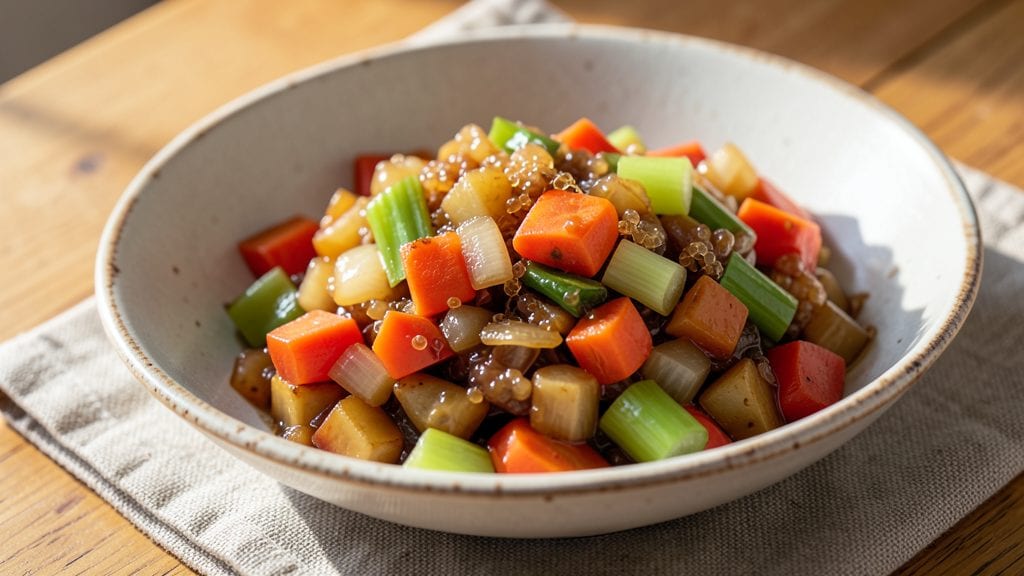
This homemade relish recipe transforms simple vegetables into a vinegar-bright, crunchy condiment that elevates sandwiches, charcuterie boards, and snacks. Standing on a step stool in my grandmother’s kitchen in Sicily, I learned how vinegar and spices could turn humble ingredients into something extraordinary.
The secret lies in balancing acidity, sweetness, and texture—creating a relish that’s tangy, slightly sweet, and packed with bite.
What makes this recipe special is its versatility—whether you prefer a classic tomato relish, a fruity peach variation, or a pickled vegetable blend, the technique remains the same. With just 10 ingredients and 30 minutes of active prep, you’ll have a batch ready to can or refrigerate.
The slow simmer develops deep flavor, while sterilized jars ensure your relish stays fresh for months.
By the end, you’ll have a crunchy, flavor-packed condiment that’s brighter than store-bought versions and far more rewarding. It’s the kind of relish that turns everyday meals into something special—whether slathered on a sandwich, paired with cheese, or served alongside cured meats. Let’s get started!
This recipe works equally well for canning (if you sterilize jars properly) or short-term refrigeration. The key is patience—letting the flavors meld during the simmering process. Once you taste the difference, you’ll never go back to bottled relish again.
Ingredients for relish
Ten simple ingredients transform into a tangy, crunchy relish that rivals store-bought versions.
| Ingredient | Amount | Notes |
|---|---|---|
| White Vinegar 🍶 | 1 ½ cups | Distilled or apple cider preferred |
| Carrots 🥕 | 2 cups | Julienned or finely diced (about 4 medium) |
| Onions 🧅 | 1 medium | Yellow or red, finely diced |
| Celery Stalks 🥬 | 2 whole | Finely diced, including leaves |
| Sweet Pickle Relish 🥒 | 1 cup | Store-bought or homemade |
| Granulated Sugar 🍚 | ½ cup | White or light brown |
| Mustard Seeds 🌶️ | 1 tsp | Whole, for subtle crunch |
| Ground Black Pepper 🌶️ | ½ tsp | Freshly cracked preferred |
| Dried Dill Weed 🌿 | ½ tsp | Or 1 tbsp fresh chopped |
| Salt 🧂 | 1 tsp | Diamond Crystal kosher preferred |
The vinegar is the backbone here—apple cider vinegar adds subtle sweetness, while distilled white vinegar keeps it sharp. Trader Joe's and Whole Foods carry great options, but any clear bottle from the grocery store works. For the vegetables, julienne peeler is your friend—it gives that perfect matchstick texture. If you're pickling for canning, use 5% acidity vinegar to ensure safety. The carrots should be bright orange, not dull—organic if possible, since they’ll be eaten raw in texture.
No mustard seeds? Dijon mustard at half the amount works in a pinch, though it won’t give that little crunch. Swap the dill for fresh tarragon or parsley if you prefer, but the flavor profile shifts. The sweet pickle relish can be skipped entirely if you’re making a classic vegetable relish—just add 1 tbsp extra sugar. For a smoky twist, add ½ tsp smoked paprika to the sugar before mixing. If you’re canning, sterilize jars properly—boiling water bath for 10 minutes seals it all in.
This keeps for up to 6 months in sterilized jars, or 1 month in the fridge once opened. For canning, leave ½-inch headspace and process pint jars for 10 minutes. The relish thickens as it sits—stir in a splash of vinegar if it gets too stiff. I always make a double batch—half goes in jars, half gets eaten straight from the pot. Pair it with aged cheddar, prosciutto, or grilled chicken for maximum impact.
Why You'll Love This Recipe
- No-Chop Shortcut: I swear by this—just roughly chop the carrots, onions, and celery into big chunks (no dicing, no fuss) and let the vinegar do the work. The sweet pickle relish ties everything together so you don’t even notice if the veggies aren’t perfect.
- Sweet-Sour Magic: That tangy vinegar cut with the creamy relish? It’s the kind of balance that makes you reach for seconds without trying. The carrots stay crisp, the onions mellow out just enough, and the celery adds this fresh, herbaceous bite—like a crunchy, zesty hug in your mouth.
- Party in a Jar: Between us, this is my go-to for potlucks, BBQs, or even just snacking straight from the jar. Slather it on hot dogs, mix it into deviled eggs, or serve it alongside burgers—it’s the kind of relish that disappears faster than you can say “hand me another plate.”
- Budget Stretch: Honestly, this recipe costs me pennies per serving. Carrots, onions, and celery are always cheap, and a little vinegar goes a long way. Plus, it keeps for weeks in the fridge, so I make a big batch and use it up before it’s gone—no waste, all flavor.
Step-by-step instructions for vinegar-bright crunch relish
This relish comes together in minutes with bold, tangy flavors that elevate any sandwich or snack.
Prep and Sauté the Vegetable Base
In a large skillet, combine the 2 cups Carrots, 1 medium Onions, and 2 whole Celery Stalks that you've finely diced. Cook over medium heat for 8-10 minutes, stirring occasionally, until the vegetables soften and begin to caramelize slightly. You'll notice their colors deepen and they release moisture—this is where the foundation of your relish builds.
Here's the thing—don't rush this step. The vegetables need to break down enough to blend seamlessly with the other ingredients. If they're still too firm after 10 minutes, keep cooking for another 2-3 minutes. The goal is tender-crisp texture that holds up well when mixed with the vinegar and sugar.
Add Sweetener and Seasonings
Once the vegetables are tender, remove the skillet from heat and stir in the 0.5 cup Granulated Sugar, 1 tsp Salt, 0.5 tsp Ground Black Pepper, and 0.5 tsp Dried Dill Weed. Let the mixture cool slightly for 5 minutes—this prevents the vinegar from cooking off too quickly when we add it next. The sugar will begin to dissolve into the vegetable juices, creating a syrupy base.
While the mixture cools, take a moment to toast the 1 tsp Mustard Seeds in a dry small skillet over low heat for 1-2 minutes until fragrant. This step enhances their subtle crunch and depth of flavor. Let them cool completely before adding to the relish mixture—hot seeds can make the final texture uneven.
Combine with Vinegar and Pickle Relish
In a large mixing bowl, combine the cooled vegetable mixture with the 1.5 cups White Vinegar and 1 cup Sweet Pickle Relish. Stir vigorously for 3-4 minutes until everything is thoroughly incorporated. The vinegar will immediately brighten the flavors and create a tangy balance with the sweetness.
Real talk—the first few minutes of mixing might seem like too much liquid, but trust me. The vegetables will absorb the vinegar as they sit, resulting in a perfectly balanced relish. If you're worried about texture, let the mixture sit for 10 minutes before tasting—this gives the ingredients time to meld properly.
Let It Rest and Develop Flavor
Cover the bowl and refrigerate the relish for at least 4 hours, preferably overnight. This resting period allows all the flavors to fully meld together. The acidity of the vinegar will mellow slightly, the sugar will dissolve completely, and the vegetables will soften just enough to create that signature relish texture.
After chilling, give the relish one final taste and adjust seasoning if needed. The mustard seeds should provide a subtle crunch, the dill weed should add a fresh herbal note, and the sweet pickle relish should contribute its signature tang. If it needs more brightness, add a splash of the 1.5 cups White Vinegar. If it needs more sweetness, add a pinch of the 0.5 cup Granulated Sugar.
Serve and Enjoy
Transfer the relish to a clean glass jar and store in the refrigerator for up to 3 weeks. This relish works beautifully on sandwiches, as a topping for hot dogs, or even as a tangy dip for chips. The perfect balance of sweet, tangy, and crunchy makes it irresistibly versatile.
For the ultimate experience, serve it slightly chilled—this enhances the texture contrast with warm sandwiches or meats. The homemade version always tastes fresher and more vibrant than store-bought, with that satisfying crunch from the mustard seeds in every bite.
Pro Tips For Making Relish
- CHOP UNIFORMLY: Dice carrots, onions, and celery into exactly 1/4-inch pieces—no smaller, no larger. I used to eyeball it, but the relish cooks unevenly when chunks vary. Grab a chef’s knife and go slow; this isn’t the time to rush.
- COOK LOW AND SLOW: Simmer the mix at a gentle boil—just enough to see tiny bubbles at the edges—then drop heat to medium-low. After burning two batches, I learned: high heat turns celery bitter and carrots mealy. Keep it at 180°F (82°C) if your thermometer’s handy, or just watch for a steady, quiet simmer.
- SALT THE VINEGAR: Stir 1/2 teaspoon of salt into the white vinegar before adding it to the veggies. My grandmother swore this cuts the harshness, and she was right: the relish tastes brighter and more balanced. Skip this, and the vinegar’s tang will overpower the sweetness of the pickle relish.
- STIR IN THE RELISH LAST: Hold off on adding the sweet pickle relish until the veggies are almost tender—about 10 minutes before the recipe’s done. Stirring it in early makes the mix watery and dilutes its flavor. Toss it in at the end, let it warm through for 2 minutes, and you’ll get that perfect tang-sweet balance.
Perfect pairings for this dish
Classic Sandwich Pairings
This relish is a game-changer on classic American sandwiches—especially when paired with corned beef or pastrami. Spread a thick layer on rye bread with a smear of Dijon mustard for that perfect tangy balance.
I love adding it to Reuben sandwiches alongside sauerkraut and Swiss cheese for an extra crunch. For a lighter option, try it on white bread with turkey and avocado—the sweetness cuts through the richness beautifully. 🥪
Charcuterie Board Star
Elevate your charcuterie spread by adding small jars of this relish alongside aged cheddar, prosciutto, and crackers. The crunchy mustard seeds and bright vinegar contrast perfectly with creamy cheeses like brie or goat cheese.
I often serve it in tiny ramikins> with a small spoon for dipping—it’s always the first to disappear. For a sweet-savory twist, pair it with honey-glazed nuts or dark chocolate squares. 🧀
Hot Dog Topper
Skip the ketchup and mustard—this relish takes hot dogs to the next level. Pile it generously on all-beef franks or Italian sausages with a sprinkle of crispy onions. The sweet pickle relish base adds a familiar tang, while the crunchy mustard seeds keep every bite interesting.
For a gourmet touch, add a dollop of sharp cheddar cheese that melts slightly from the heat. It’s a crowd-pleaser at summer BBQs or tailgates. 🌭
Cheese Board Upgrade
Transform a simple cheese board into a flavor explosion by adding this relish alongside Italian cured meats and olives. The acidity cuts through rich cheeses like pecorino or gorgonzola, while the crunchy texture adds excitement.
I like to serve it in a small glass dipping bowl> with a wooden spoon for easy scooping. For a Sicilian-inspired touch, add marinated artichokes and roasted red peppers to the board. 🧅
Dip for Crudités
This relish isn’t just for sandwiches—it’s an excellent dip for carrot sticks, celery, and bell pepper strips. The crunchy vegetables soak up the tangy flavors perfectly, making it a great snack for parties or game day.
For extra fun, serve it in a small crock with a schmear of cream cheese> for a sweet-and-sour twist. The mustard seeds add a satisfying bite that keeps guests reaching for more. 🥕
Breakfast Boost
Yes, relish isn’t just for lunch or dinner—it’s a fantastic breakfast companion too. Spread it on English muffins with scrambled eggs and crispy bacon for a sweet-savory morning. The acidity balances the richness of the eggs, while the crunchy texture adds a fun contrast.
I also love adding it to avocado toast with a sprinkle of flaky sea salt for a brunch-worthy upgrade. 🍳
Nutrition facts
Frequently asked questions
How long does homemade relish keep in the fridge?
This relish stays fresh for up to 3 weeks when stored in an airtight glass jar in the refrigerator. The vinegar acts as a natural preservative, but the mustard seeds and fresh herbs keep it tasting vibrant longer than store-bought versions. Always use clean utensils when scooping to prevent contamination.
Can I make this relish without canning it?
This recipe works perfectly for short-term storage. Simply refrigerate it in a sealed container and use within 3 weeks. The flavors actually improve as they meld in the fridge, making it even better than canned versions. For best texture, let it come to room temperature before serving.
What if my relish turns out too sweet?
Add a splash of white vinegar (1-2 tablespoons) to balance the sweetness. The acidity will cut through the sugar and restore that perfect tangy-sweet balance. If it's too thin after adding vinegar, let it sit for 10 minutes - the vegetables will absorb the extra liquid naturally. Taste as you go!
Can I substitute any of the vegetables?
Yes! For a fruit relish, swap carrots for peaches or pears and omit the celery. For a spicier version, add diced jalapeños or red bell peppers. Keep the same ratio of vegetables to vinegar (about 3:1) to maintain the proper texture. The mustard seeds and dill remain essential for that signature crunch and aroma.
Why does my relish need to rest before serving?
The 4-hour (or overnight) rest allows all flavors to fully develop and the vegetables to soften just enough for that perfect bite. This is when the vinegar's acidity mellows slightly and the sugar completely dissolves. Skipping this step can leave your relish with a harsh aftertaste or uneven texture. Think of it like letting a good wine breathe!