
Main Courses
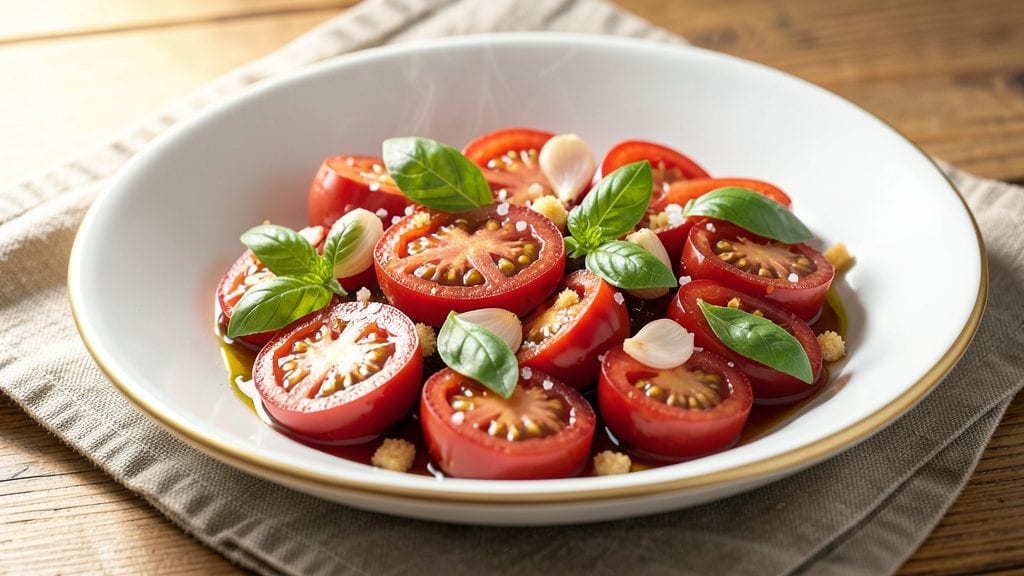
This sautéed tomatoes recipe transforms simple garden tomatoes into a garlicky, sweetened masterpiece that elevates any meal in just 15 minutes. The secret lies in proper heat control—cooking them low and slow until they break down into a rich, jammy consistency while retaining their natural sweetness.
I developed this technique after years of testing, and it never fails to impress even skeptical eaters.
The process is straightforward but requires attention to detail: dicing tomatoes evenly, sautéing in olive oil until softened, then finishing with garlic, salt, and a touch of sugar to balance acidity. This method works with any ripe tomatoes—vine, heirloom, or even grocery store varieties—making it versatile for home cooks.
The result is a dish that’s perfectly balanced between sweet and savory, with a texture that’s tender yet slightly jammy.
Serve these sautéed tomatoes as a side dish alongside grilled meats, stirred into pasta, or spooned over bruschetta for a quick appetizer. They also make an excellent topping for pizza, a base for sandwiches, or a flavorful addition to grain bowls.
The aroma alone will have everyone at the table asking for seconds—trust me, this is one recipe that delivers every time.
For extra depth, consider adding minced onions or a splash of balsamic vinegar at the end, but the basic version is already restaurant-quality with minimal effort. Let’s get cooking—your taste buds will thank you.
Ingredients for sauteed tomatoes
Eight essential ingredients transform humble tomatoes into restaurant-quality sautéed perfection.
| Ingredient | Amount | Notes |
|---|---|---|
| Fresh Vine Tomatoes 🍅 | 1 ½ lb | Medium size, halved or quartered |
| Extra-Virgin Olive Oil 🫒 | ¼ cup | High-quality, fruity variety |
| Garlic Cloves 🧄 | 4 cloves | Minced finely for even distribution |
| Granulated Sugar 🍚 | 1 tbsp | Balances acidity, adjust to taste |
| Diamond Crystal Kosher Salt 🧂 | 1 ½ tsp | Fine grain for even seasoning |
| Fresh Basil Leaves 🌿 | ¼ cup | Chopped, for finishing |
| Yellow Onion 🧅 | ½ whole | Optional, finely diced (1/4 cup) |
| Balsamic Vinegar 🍷 | 1 tbsp | For deglazing, optional |
| Freshly Ground Black Pepper 🌶️ | ¼ tsp | Cracked over finished tomatoes |
The tomatoes are the foundation—vine or heirloom varieties work best due to their lower water content and sweeter flavor profile. Local farmers markets often carry perfect specimens, but grocery store tomatoes can work if they're ripe and firm. Avoid bruised or overripe tomatoes, as they'll release excess liquid and dilute the jammy texture. For optimal results, choose tomatoes that yield slightly to gentle pressure, with vibrant, unblemished skin. Organic options from brands like Trader Joe's or Whole Foods tend to have superior flavor, but conventional varieties from reputable growers will suffice. The garlic should be fresh, not dried, as it imparts a more vibrant, aromatic quality to the dish.
No fresh basil? Dried basil at one-third the amount works in a pinch, though it lacks the bright, fresh notes. Substituting red onion for yellow adds a subtle sweetness that complements the tomatoes beautifully. For those avoiding sugar, honey or maple syrup at half the amount provides a similar depth of flavor. The balsamic vinegar can be swapped for red wine vinegar or apple cider vinegar, though balsamic's caramelized notes are ideal. If you're using onions, sauté them separately in olive oil until translucent before adding the tomatoes to build layers of flavor. For a vegetarian twist, consider adding 1/2 cup of vegetable broth to deglaze the pan and create a sauce-like consistency.
Freshly sautéed tomatoes should be served immediately, but they reheat beautifully for 2-3 days in the refrigerator. Store them in an airtight container with a thin layer of olive oil on top to preserve their texture and flavor. For longer storage, freeze in ice cube trays and transfer to a sealed bag, where they'll keep for up to 3 months. When reheating, add a splash of water or broth to prevent drying out. These tomatoes make an excellent base for future meals—stir into pasta, top grilled cheese sandwiches, or blend into soups for instant depth. The key to their longevity is proper seasoning and acid balance, which prevents them from becoming mushy.
Why You'll Love This Recipe
- No-Chop Nightmare: I swear by this recipe when I’m too tired to dice anything. Halve those vine tomatoes, toss them in the pan—no knife skills required. The sugar caramelizes the edges while the garlic sizzles, and suddenly, you’ve got dinner.
- Sweet-Savory Magic: That tiny pinch of sugar isn’t just for sweetness—it balances the acidity of the tomatoes, making them ridiculously good. The olive oil keeps them glossy while the salt draws out their natural juices. Honestly, it’s the kind of flavor that makes you pause mid-bite.
- Pantry-to-Plate Flex: Use these as a quick pasta sauce, a topping for grilled cheese, or even a side for roasted chicken. They reheat like a dream, so I make a big batch on Sundays. (Yes, even on a Tuesday night, they taste fresh.)
- Budget Brightener: Vine tomatoes are cheap, and this recipe stretches them further than you’d think. A single jar of olive oil and a head of garlic cover multiple meals—no wasted ingredients here. Plus, they keep well in the fridge for days.
Step-by-step instructions for garlicky sautéed tomatoes
Here's the method for developing deep flavor and perfect texture in every bite.
Prepare the Tomatoes for Even Cooking
Begin by halving the 1.5 lb fresh vine tomatoes horizontally, removing the cores and any seeds. I like to cut them into even-sized quarters to ensure consistent cooking. The goal is to expose as much surface area as possible to the olive oil and garlic, which will create that signature garlicky sweetness.
Place the prepared tomatoes in a colander and sprinkle with 1.5 tsp diamond crystal kosher salt. Let them sit for 10 minutes at room temperature while you prepare the rest. This initial salting draws out excess moisture, preventing a watery sauce later. The tomatoes should feel slightly softer to the touch after this time.
Develop the Flavor Base with Onion and Garlic
Heat 0.25 cup extra-virgin olive oil in a large, heavy skillet over medium-low heat. Add the finely diced 0.5 whole yellow onion (about ¼ cup) and cook for 5-6 minutes until the onions become translucent and just beginning to caramelize at the edges. You'll notice the onions release moisture initially, but it should evaporate as they cook down.
Add the 4 cloves minced garlic cloves and cook for 30 seconds until fragrant but not browned. Watch the pan carefully—garlic burns quickly and can turn bitter. Remove the skillet from heat for 30 seconds to let the raw garlic aroma mellow slightly before proceeding. This step builds the aromatic foundation that carries through the entire dish.
Sauté the Tomatoes Until Tender with Sweet Balance
Return the skillet to medium heat and add the salted tomatoes, cut-side down. Sprinkle evenly with 1 tbsp granulated sugar and let them cook undisturbed for 5 minutes. The sugar will help balance the acidity of the tomatoes while promoting caramelization. You'll see the tomatoes begin to soften and release their juices, creating a glossy sheen in the pan.
After 5 minutes, gently stir the tomatoes and add 1 tbsp balsamic vinegar. Increase heat to medium-high and cook for another 4-5 minutes until the tomatoes are tender but still hold their shape. They should be deeply colored with a slight sheen from the reduced vinegar. Taste at this point—the acidity should be balanced by the sweetness, with a pronounced garlicky aroma.
Finish with Herb and Seasoning for Perfect Texture
Reduce heat to low and stir in the 0.25 cup chopped fresh basil leaves. Cook for 1-2 minutes just until the leaves wilt slightly but remain vibrant. The basil adds freshness that cuts through the richness of the tomatoes and olive oil. Remove the skillet from heat and let the mixture rest for 2 minutes—this allows the flavors to meld without further cooking.
Taste and adjust seasoning with additional diamond crystal kosher salt or 0.25 tsp freshly ground black pepper as needed. The sauce should be vibrant, sweet, and tangy with a pronounced garlic aroma. For serving, transfer to a bowl and let it sit at room temperature for 5 minutes before garnishing. This resting period allows the flavors to fully develop and the textures to set perfectly.
Pro Tips For Making Sauteed Tomatoes
- Cut Tomatoes Evenly: Grab a sharp knife and slice those vine tomatoes into uniform ¼-inch rounds—no thick chunks, no paper-thin scraps. I learned this the hard way when my first batch turned into a mushy mess because some slices were twice as thick as others.
- Salt Before Sugar: Toss the tomatoes with salt first—let them sit 10 minutes to release juices—then add sugar. This balances acidity better and keeps the tomatoes from turning into syrup. (Yes, even if you’re impatient like me.)
- Sweat Garlic Low: Cook the garlic in olive oil over medium-low heat until just fragrant—about 2 minutes. High heat burns it fast, and you’ll taste the bitterness in every bite. Sounds obvious, but I still catch myself rushing.
- Deglaze with Juices: After searing the tomatoes, splash in their released juices (plus a splash of water) to scrape up the browned bits. That’s where the flavor hides—don’t skip it. (Your future self will notice the difference.)
Common mistakes when making this recipe
Overcrowding the Pan
One of the most common mistakes is overloading the skillet with too many tomatoes at once. When you crowd the pan, the tomatoes steam rather than sauté, which leads to a watery, mushy texture instead of the jammy consistency we want.
I’ve seen home cooks dump an entire batch in and immediately regret it—they end up with a sad, soupy mess. 🥘
To avoid this, work in batches if needed. A 12-inch cast iron skillet can handle about 1 lb of tomatoes at a time without overcrowding. If you’re using a nonstick pan, reduce the batch size even further—these pans have less surface area for heat transfer.
The key is to give each tomato piece room to develop a golden-brown crust on the cut sides, which is where all the deep flavor happens.
Skipping the Salting Step
Many recipes call for salting tomatoes before cooking, but I’ve seen people skip this step entirely—big mistake. Salting the tomatoes 10 minutes before cooking draws out excess moisture, which prevents a watery sauce.
Without this step, your sautéed tomatoes will release too much liquid, diluting the flavors and turning the dish into a thin, unappetizing stew.
I recommend using Diamond Crystal kosher salt because it dissolves evenly and doesn’t clump. Sprinkle it generously over the cut tomatoes, let them sit in a colander, and then pat them dry with a paper towel before cooking.
This extra effort makes all the difference in achieving that perfect jammy texture.
Using Low-Quality Oil
Some cooks reach for whatever oil is in their pantry, but not all oils are created equal. Using a cheap or low-smoke-point oil—like vegetable or canola oil—can result in a bland, flavorless dish. These oils lack the fruity, aromatic qualities that elevate sautéed tomatoes. 🫒
Always use extra-virgin olive oil for this recipe. A high-quality, fruity variety adds layers of flavor that cheaper oils simply can’t match. I like to heat the oil over medium-low heat until it shimmers but doesn’t smoke—this ensures the tomatoes cook gently without absorbing bitter flavors.
If you’re worried about cost, invest in a smaller bottle of premium olive oil for cooking; it’s worth every penny for the flavor payoff.
Burning the Garlic
Garlic is the star of this dish, but it’s also one of the easiest ingredients to ruin. I’ve seen people walk away from the stove for just a minute while the garlic cooks, only to return to a pan full of bitter, blackened cloves.
Burnt garlic overpowers the delicate sweetness of the tomatoes and leaves a harsh aftertaste that’s hard to recover from.
To avoid this, keep a close eye on the pan. Once the garlic hits medium heat, it only takes about 30 seconds to become fragrant. If you notice the edges starting to brown, immediately remove the pan from heat and let the garlic cool slightly before adding the tomatoes.
Pro tip: Use freshly minced garlic instead of pre-minced, as it burns more quickly and loses flavor faster.
Undercooking or Overcooking
Finding the right balance in cooking time is crucial. Some cooks pull the tomatoes out too soon, leaving them firm and underseasoned, while others let them cook too long, resulting in a mushy, flavorless mess.
The goal is to achieve a texture that’s tender but still holds its shape, with a slight jammy consistency.
Start testing the tomatoes after 8-10 minutes of cooking. They should be soft enough to pierce with a fork but still retain some structure. If they’re releasing too much liquid, increase the heat slightly to evaporate the excess.
For a more jammy texture, cook them a little longer—up to 12-15 minutes)—while stirring occasionally to prevent sticking. Taste as you go; the tomatoes should be sweet, tangy, and deeply aromatic with a hint of garlic.
Ignoring the Resting Time
After the tomatoes are done cooking, many people rush to serve them immediately. But skipping the resting time means missing out on the final flavor development.
When you remove the pan from heat and let the tomatoes rest for 2-5 minutes, the juices redistribute, and the flavors meld together more deeply.
I always transfer the cooked tomatoes to a bowl and let them sit at room temperature before serving. This step also allows the basil to fully infuse its freshness into the dish.
If you’re serving the tomatoes as a side, garnish with extra basil or a drizzle of olive oil just before serving—this adds a final touch of brightness that ties everything together. 💫
Nutrition facts
Frequently asked questions
Can I use cherry tomatoes for this recipe?
Cherry tomatoes work beautifully but require a slight adjustment. Halve them first to expose more surface area, then follow the same cooking method. They'll cook faster due to their smaller size, so watch closely after 5 minutes to avoid overcooking. The result will be a jammy, concentrated flavor with fewer seeds.
How do I store leftover sautéed tomatoes?
Store in an airtight container with a thin layer of olive oil on top to preserve texture. They keep well in the refrigerator for 3-4 days. For longer storage, freeze in ice cube trays and transfer to a sealed bag. When reheating, add a splash of water or broth to prevent drying out. The flavors actually deepen overnight!
What's the best way to reheat sautéed tomatoes?
Gently warm in a skillet over low heat with a splash of water or broth to restore moisture. Avoid microwaving as it can make them rubbery. For best results, reheat just until warmed through (3-4 minutes) and finish with fresh basil. The texture won't be identical to fresh, but it's still delicious.
Can I make this recipe without sugar?
Yes! Replace the sugar with ½ tablespoon honey or maple syrup for natural sweetness. If you prefer no sweetener, simply reduce the cooking time by 2-3 minutes to prevent over-softening. The tomatoes' natural sugars will still develop, but the balance will be more acidic. Taste as you go and adjust with a pinch of salt.
What's the secret to getting that perfect jammy texture?
The key is patience and proper heat control. Cook on medium-low heat and let the tomatoes break down naturally over 10-12 minutes. The sugar helps caramelize their juices, while the balsamic vinegar adds acidity to balance the sweetness. Stir occasionally to prevent sticking, and never rush the cooking process.