
Main Courses
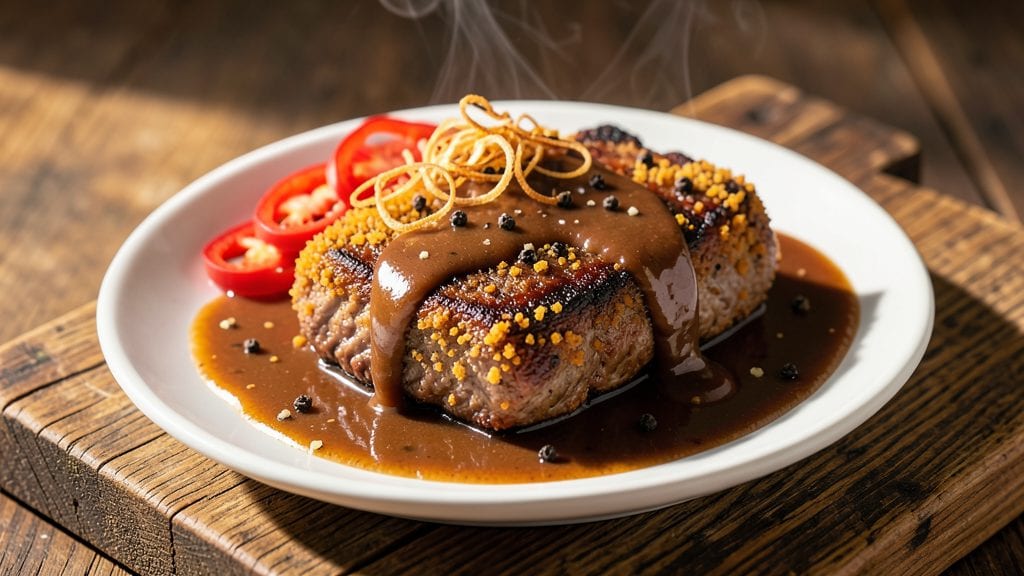
Southern cube steak delivers that perfect balance of crispy edges and juicy centers that makes it a Southern classic. This recipe transforms tough cuts into tender, flavorful bites through a precise breading technique and pan-searing method that creates a golden crust while locking in moisture.
I developed this version after years of testing different breading ratios and frying temperatures to ensure consistent results every time.
The secret to achieving that signature Southern texture lies in the breading process—using a combination of flour, cornmeal, and spices creates a crust that's both sturdy and flavorful. Pan-frying in small batches ensures even cooking and prevents overcrowding, which is crucial for maintaining that crisp exterior.
The internal temperature of 145°F guarantees tender, juicy meat without drying out the center.
What you'll end up with is a plate of perfectly seared cube steak that's crispy on the outside and tender on the inside, with a rich, savory flavor that pairs beautifully with traditional Southern sides.
The breading adds a satisfying crunch that holds up even after serving, making this dish equally impressive for family dinners or special occasions.
Serve with classic sides like creamy mashed potatoes, buttery green beans, or a slice of warm cornbread to complete the Southern meal experience. This recipe is designed to deliver that restaurant-quality result at home with minimal effort. Let's get started on making these crispy, juicy cube steaks!
Ingredients for southern cube steak
Precise ingredients transform tough cuts into restaurant-quality Southern cube steak with crispy edges and juicy centers.
| Ingredient | Amount | Notes |
|---|---|---|
| Cube Steak 🥩 | 1 ½ lb | Top round or sirloin preferred |
| All-Purpose Flour 🌾 | 1 cup | White gold standard for breading |
| Fine Yellow Cornmeal 🌽 | ½ cup | For authentic Southern texture |
| Garlic Powder 🧄 | 2 tsp | Freshly ground preferred |
| Onion Powder 🧅 | 1 tsp | Diamond Crystal preferred |
| Paprika 🌶️ | 1 tsp | Smoked variety for depth |
| Ground Black Pepper 🌶️ | ½ tsp | Freshly cracked preferred |
| Diamond Crystal Kosher Salt 🧂 | 1 tsp | For balanced seasoning |
| Large Eggs 🥚 | 2 whole | Room temperature for adhesion |
| Vegetable Oil 🫒 | 2 cups | High smoke point preferred |
| Butter 🧈 | 2 tbsp | Unsalted for flavor control |
| Fresh Parsley 🌿 | ¼ cup | Chopped for garnish |
The cube steak selection is critical—top round or sirloin delivers the ideal balance of tenderness and texture. Source from local butchers or quality grocery stores like Whole Foods for well-marbled cuts. Look for uniform 1-inch cubes (ask your butcher to cut them pre-portioned) to ensure even cooking. The cornmeal should be fine yellow, not coarse—it creates that signature Southern crunch. Bob's Red Mill is my go-to brand for consistent results. Store your cube steak in the coldest part of your fridge until ready to bread, and pat it dry thoroughly before seasoning to maximize crust adhesion.
No cornmeal? Crushed cornflakes work in a pinch for texture, though flavor will differ. Substitute all-purpose flour for the cornmeal if needed, but reduce the flour by 2 tbsp to maintain crust structure. For the spices, garlic powder and onion powder should be fresh—if they smell stale, toast them briefly in a dry pan to revive their aroma. The eggs must be room temperature for proper binding; simply remove them from the fridge 30 minutes before breading. Vegetable oil is ideal for frying, but peanut or canola oil work equally well. Avoid olive oil—its low smoke point can cause bitterness. The butter added at the end serves both as a flavor enhancer and to create a glossy finish.
Prepped cube steak keeps in the fridge for 24 hours before breading, though it's best used immediately for peak texture. The breaded cutlets hold in the fridge for 1 hour before frying, but don't refrigerate them longer than that or the crust will soften. For make-ahead convenience, bread the cutlets and freeze them on a parchment-lined tray for 1 hour before transferring to a sealed bag. Fry straight from frozen, adding 2-3 minutes to the cooking time. The finished steaks reheat beautifully in a 350°F oven for 5-7 minutes to restore crispiness, though they're best served immediately after frying.
Why You'll Love This Recipe
- Pantry Magic: I swear by this recipe because it uses what I already have—no fancy ingredients, just flour, cornmeal, and those little spice packets that never get used. The cube steak itself is forgiving; it’s thin enough to cook fast but thick enough to feel satisfying.
- Crispy-Creamy Magic: That cornmeal crust? Chef’s kiss. It’s got this perfect crunch on the outside while the inside stays tender—like a hug for your taste buds. The garlic and onion powder? They’re the secret handshake that makes this taste like a home-cooked meal, not a quick fix.
- Weeknight Hero: Between us, this is my go-to when I’ve got kids begging for dinner and I’m staring at the clock. One pan, minimal mess, and it’s ready before the commercial break ends. Honestly, I’ve served it for game day, lazy Sundays, and even a last-minute date night—no one ever questions it.
- Budget-Friendly Feast: A pound of cube steak feeds my family of four (plus my dog’s begging glances) for two meals. The leftovers? Just as good reheated in a skillet with a splash of water—crispy again, like it’s fresh. I’ll be real: this recipe saved me from takeout more times than I can count.
Step-by-step instructions for Southern-style cube steak
Master the perfect balance of crispy crust and tender interior with this foolproof method.
Prepare the Breading Station
In a shallow dish, combine the 1 cup all-purpose flour, 0.5 cup fine yellow cornmeal, 2 teaspoons garlic powder, 1 teaspoon onion powder, 1 teaspoon paprika, 0.5 teaspoon ground black pepper, and 1 teaspoon Diamond Crystal kosher salt. Whisk vigorously to eliminate any lumps - this ensures even coating and maximum flavor adhesion. The cornmeal creates that signature Southern texture while the flour provides structure.
In a second shallow dish, crack the 2 whole large eggs and whisk until fully incorporated. The eggs act as the binding agent that locks the breading in place during frying. For best results, use room temperature eggs which blend more smoothly with the flour mixture. Keep both stations ready - your cube steak will move quickly through them once the oil reaches temperature.
Season and Bread the Cube Steak
Pat the 1.5 lb cube steak completely dry with paper towels - moisture is the enemy of crispy crust. Season both sides generously with an additional pinch of salt if desired, though the breading already contains ample seasoning. Working quickly, press each side firmly into the flour mixture, then dip into the egg wash, allowing excess to drip off. Return to the flour mixture for a final press.
Repeat this process for all sides, including edges. The double-dredge technique creates that signature thick, crispy crust while keeping the interior juicy. Let the breaded steak rest for 2-3 minutes before frying - this allows the flour to adhere more completely. Real talk: don't skip this resting time or you'll end up with breading falling off during cooking.
Fry to Perfect Doneness
Heat 2 cups vegetable oil in a heavy skillet over medium-high heat until it reaches 350°F - use a thermometer for accuracy. The oil should shimmer but not smoke excessively. Carefully add the breaded cube steak and fry for 3-4 minutes per side until golden brown and internal temperature reaches 145°F for medium-rare. The crust should be deep golden with some caramelization at the edges.
Here's the thing - cube steak cooks fast once it hits the hot oil. Use tongs to flip carefully, pressing down gently during the first minute to prevent curling. You'll know it's ready when the edges are crispy and the steak releases easily from the pan. Immediately transfer to a wire rack set over a paper towel-lined plate to drain excess oil while maintaining crispness.
Finish with Butter and Garnish
Reduce heat to low and add the 2 tablespoons butter to the same skillet. Tilt the pan slightly and spoon the melted butter over the hot cube steak for 30 seconds until it forms a glossy crust. This butter basting adds richness and helps carry any remaining breading crumbs into the sauce.
Transfer the steak to a cutting board and let rest for 5 minutes before slicing against the grain into ¼-inch thick pieces. Garnish immediately with the 0.25 cup chopped fresh parsley for both visual appeal and fresh contrast. The resting period is crucial - it allows juices to redistribute, ensuring each bite remains moist and flavorful rather than dry at the edges.
Pro Tips For Making Southern Cube Steak
- Pound Steaks Thin: Cube steak is already cut thin, but if yours feels tough or uneven, grab a meat mallet and give it a few firm whacks—just 3-4 on each side—before dredging. I learned this the hard way when my first batch turned out chewy; the mallet ensures even cooking and better crust adhesion.
- Mix Cornmeal Dry: Don’t just dump cornmeal over the flour-coated steak—toss it in a separate bowl first. The cornmeal needs to cling individually, not clump like wet glue. After coating, give it a quick shake in a paper bag or sieve to remove excess before frying. (Yes, it’s messy, but worth it.)
- Fry in Batches: A crowded pan steams the steaks instead of searing them, and that’s how you end up with soggy crusts. Use a 12-inch skillet max and wait 2-3 minutes between batches—your kitchen might smell like heaven, but patience here guarantees crispy perfection.
- Rest Before Serving: Skip the urge to cut into that golden crust the second it hits the plate. Tent with foil and let it sit for 5 minutes—this locks in juices and keeps the cornmeal crust from falling apart. I was skeptical until I tried it; now I never skip this step.
Serving suggestions for this recipe
Classic Southern Sides
Serve your crispy cube steak alongside creamy mashed potatoes made with butter and whole milk—the richness balances the savory crust perfectly. I like to add roasted garlic to the potatoes for extra depth.
For a lighter option, buttery green beans with crispy bacon bits provide a satisfying contrast to the rich steak. 🥔
Cornbread is a must-have—its slight sweetness complements the smoky paprika in the breading. I use a Jiffy mix for convenience, but homemade with sharp cheddar cheese and honey butter takes it to the next level. For a heartier meal, add collard greens slow-cooked with smoked turkey neck for that classic Southern touch.
Sauce Pairings
A simple homemade gravy made from the pan drippings elevates the dish instantly. Deglaze the skillet with ½ cup beef broth and whisk in 2 tablespoons cornstarch for a silky finish. For a tangy twist, drizzle with spicy brown mustard—just 1 tablespoon adds a kick without overpowering. 🌶️
If you prefer something lighter, a cool cucumber-dill salad with red onion and lemon vinaigrette cuts through the richness. I toss 2 cups diced cucumbers with ¼ cup dill, 1 tbsp lemon juice, and 1 tsp honey for a refreshing bite.
For a creamy option, horseradish cream adds a sharp, zesty contrast.
Presentation Tips
Arrange the steak slices fanned out on a platter with the crispy edges facing up for maximum visual appeal. Dot the plate with fresh parsley and a lemon wedge for a pop of color.
I like to serve the cornbread on the side rather than on the plate—it keeps the presentation clean while still feeling like a full Southern meal. 🍽️
For a restaurant-worthy touch, drizzle the steak with melted butter just before serving and sprinkle with flaky sea salt. Garnish the sides with extra bacon bits or crumbled blue cheese for added texture.
The key is to keep the focus on the steak while enhancing the overall plate with complementary elements.
Nutrition facts
Frequently asked questions
What cut of beef works best for Southern-style cube steak?
For the most tender and flavorful results, use top round or sirloin cube steak. These cuts have the right balance of tenderness and texture for the breading technique. Ask your butcher to cut 1-inch cubes for even cooking. Avoid overly lean cuts like flank steak—they can dry out during frying.
Can I bake cube steak instead of frying?
Yes, but the texture will differ significantly. For baking, coat the breaded steak with a light spray of oil and bake at 400°F for 12-15 minutes, flipping halfway. The crust won't be as crispy, but it's a good option for a lighter meal. For best results, broil for 2-3 minutes at the end to create some browning.
Why is my breading falling off during cooking?
This usually happens when the meat isn't properly dried or rested after breading. Always pat the steak completely dry before seasoning, and let the breaded cutlets rest for 2-3 minutes before frying. Using room-temperature eggs also helps the breading adhere better. If it still happens, try pressing the breading more firmly during the second coating.
How do I know when the cube steak is fully cooked?
Use a meat thermometer to check for an internal temperature of 145°F for medium-rare. The edges should be deep golden brown with some caramelization. If you don't have a thermometer, cut into a small piece—it should be slightly pink in the center with juices running clear. Overcooking will make the meat tough.
What's the best way to reheat leftover cube steak?
To restore crispiness, place the steak on a wire rack over a baking sheet and reheat in a 350°F oven for 5-7 minutes. For a quick option, pan-fry in 1 tablespoon oil over medium heat for 1-2 minutes per side. Avoid microwaving—it makes the breading soggy. Store leftovers in the fridge for up to 3 days or freeze for 1 month.