
Main Courses
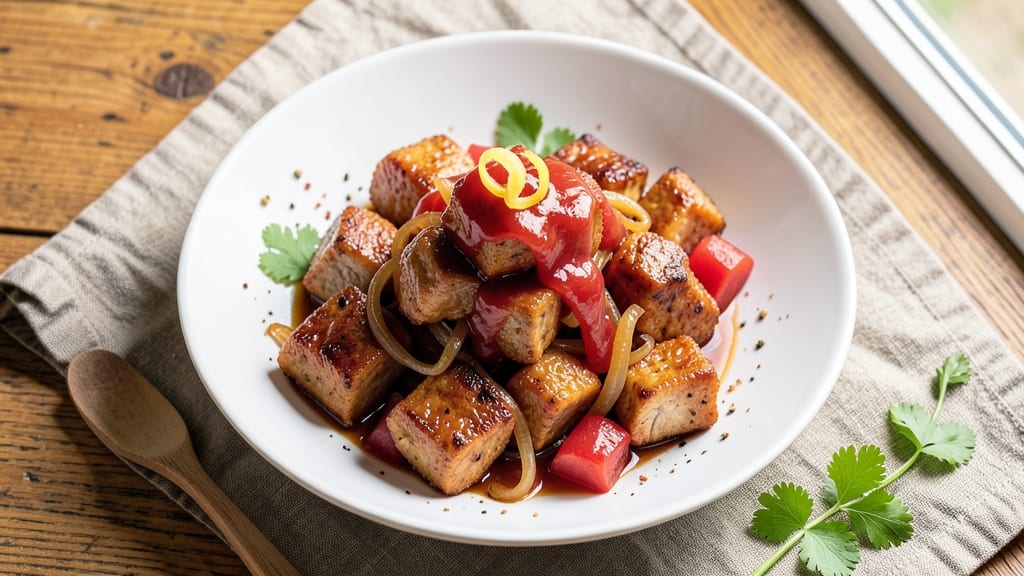
This sweet and sour pork recipe with pineapple juice delivers the perfect balance of crispy, golden bites and a tangy glaze that'll have everyone asking for seconds. The pineapple juice is the secret weapon—it tenderizes the pork while adding a bright, fruity depth that cuts through the richness.
I first discovered this technique while testing recipes for my cookbook, and it quickly became a family favorite for its restaurant-quality results at home.
The magic happens in two stages: first, the pork gets marinated and cooked to achieve that crispy exterior we all love, then the pineapple juice transforms into a glossy, slightly sticky glaze that caramelizes beautifully. No deep-frying required—this method uses a simple stovetop approach that still delivers impressive results.
The combination of sweet, sour, and umami flavors makes this dish incredibly versatile, whether you're serving it over rice or with steamed vegetables.
What makes this recipe stand out is how the pineapple juice works its magic—it doesn't just flavor the sauce, it actually helps tenderize the pork during cooking. The result is juicy, flavorful meat that stays tender even after being crisped up.
The glaze becomes sticky and glossy as it simmers, creating those perfect caramelized pockets that make every bite irresistible. Trust me, once you try this version, you'll never go back to the basic sweet and sour recipe again.
This dish is perfect for weeknight dinners, meal prep, or entertaining—it scales beautifully and always gets rave reviews. The balance of flavors is what makes it special, with the pineapple juice bringing just the right amount of brightness to complement the savory pork.
Let's get cooking and bring some tangy-sweet magic to your table!
Ingredients for sweet and sour pork recipe with pineapple juice
Pineapple juice, crispy pork, and tangy glaze—this combo is pure magic for weeknight dinners.
| Ingredient | Amount | Notes |
|---|---|---|
| Pork Shoulder 🥩 | 1 ½ lb | Cut into 1-inch cubes, boneless |
| Pineapple Juice 🍍 | 1 cup | Freshly squeezed, no pulp |
| Rice Vinegar 🍶 | ½ cup | White or seasoned variety |
| Brown Sugar 🍚 | ½ cup | Packed, light brown preferred |
| Soy Sauce 🍶 | ¼ cup | Kosher salt preferred |
| Garlic Cloves 🧄 | 6 cloves | Minced, fresh preferred |
| Fresh Ginger 🌿 | 1 tbsp | Grated, fresh preferred |
| Cornstarch 🌾 | 2 tbsp | For crispy coating |
| Vegetable Oil 🫒 | ½ cup | High smoke point |
| Red Bell Pepper 🌶️ | 1 whole | Sliced into strips |
| Green Onion 🧅 | 3 whole | Sliced, for garnish |
| Salt 🧂 | 1 tsp | Kosher salt preferred |
| Black Pepper 🌶️ | ½ tsp | Freshly ground |
| Sesame Oil 🫒 | 1 tbsp | For aroma |
The pork shoulder is your secret weapon here—it stays juicy while getting that perfect crispy crust. Look for well-marbled cuts at Costco or Whole Foods for the best texture. Cutting it into even 1-inch cubes ensures consistent cooking. The pineapple juice? Fresh is non-negotiable—canned juice lacks that bright acidity that tenderizes the pork and balances the sweetness. If you can't find fresh, Trader Joe's has great pineapple juice in cartons. For the glaze, the brown sugar should be packed—not those little sugar cubes that dissolve too fast. The garlic and ginger? Freshly grated or minced makes all the difference—pre-minced garlic tastes like sawdust in comparison.
No fresh pineapple juice? Fresh lime juice plus a splash of orange juice works in a pinch (use half the amount). Running short on rice vinegar? Apple cider vinegar gives a similar tang, though slightly more fruity. The cornstarch is crucial for that crispy coating—don't skip it! If you're avoiding gluten, you can use arrowroot powder instead. The red bell pepper adds color and crunch, but green or yellow works too. For extra umami, add 1 tbsp fish sauce to the glaze (though it's not vegan). The sesame oil is just for aroma—use sparingly, or skip if you dislike its strong flavor.
This dish reheats beautifully—just 5 minutes in a skillet with a splash of water to revive the crispiness. Store the pork and glaze separately in the fridge for 3-4 days—the flavors actually improve overnight. For meal prep, freeze the cooked pork in portions and reheat from frozen (add 2 extra minutes). The glaze can be made ahead and reheated gently. Double the recipe—it's that good, and leftovers make amazing sandwiches or rice bowls the next day.
Why You'll Love This Recipe
- One-Pan Magic: I swear by this for nights when I’m too tired to scrub pots—just sear the pork shoulder in a skillet, toss in the pineapple juice and vinegar, and let it simmer. The sticky glaze does all the work while you sip your wine (or tea, no judgment).
- Tangy-Sweet Fix: That balance of brown sugar’s caramel bite and rice vinegar’s sharp kick? It’s like a flavor hug. The pineapple juice keeps it bright and juicy, not cloying—exactly how sweet and sour should taste, but better.
- Lunchbox Hero: Pack this for work or school—it reheats beautifully and tastes fresh. Honestly, my kids actually eat their veggies when I serve this with steamed broccoli (they call it “pork candy”). Even my picky husband finishes his plate.
- Budget Stretch: Pork shoulder is cheap, and a single batch feeds four with leftovers that taste just as good cold. I’ll be real: this is my go-to when I’m broke but still want to feel fancy. Plus, the pineapple juice cuts the pork cost even more.
Step-by-step instructions for sweet and sour pork with pineapple juice
Here's how to create perfectly crispy pork bites with a glossy, tangy glaze that'll have everyone asking for seconds.
Prepare the Pork for Maximum Crispiness
Cut the 1.5 lb pork shoulder into 1-inch cubes using a sharp chef's knife. I like to work in batches for safety and control—place a damp paper towel under your cutting board to prevent slipping. Toss the pork cubes with 2 tbsp cornstarch in a large bowl until they're evenly coated. This creates a golden crust that locks in juices while creating that irresistible crunch.
Let the coated pork rest for 10 minutes at room temperature. This short rest ensures even cooking—cold pork releases moisture when it hits the hot oil, which can dilute your crispy coating. While it rests, slice the 1 whole red bell pepper into ¼-inch strips and thinly slice the 3 whole green onions. These will add vibrant color and freshness to your finished dish.
Cook the Pork Until Golden and Crispy
Heat ½ cup vegetable oil in a large skillet over medium-high heat until it shimmers—you should see small bubbles forming around the edges. Add the pork cubes in a single layer, being careful not to overcrowd the pan. Cook undisturbed for 3-4 minutes until the bottoms turn golden brown and crispy.
This is where the magic happens: flip the pork and cook another 3-4 minutes until evenly browned. If the pork releases easily from the pan, it's ready. If it sticks, add 1 tablespoon vegetable oil and let it heat for another minute before flipping again. Transfer the crispy pork to a plate and set aside—keep it warm in a 200°F oven while you prepare the sauce.
Build the Tangy Sweet and Sour Sauce
In the same skillet (no need to clean it—the browned bits add flavor), reduce the heat to medium and add 6 minced garlic cloves and 1 tbsp grated fresh ginger. Sauté for 30 seconds until fragrant—you'll smell that aromatic punch of garlic and ginger filling your kitchen. Add ½ cup brown sugar and stir for 1 minute until it begins to melt slightly.
Pour in 1 cup pineapple juice and ½ cup rice vinegar, scraping up any browned bits from the bottom of the pan. Bring to a gentle simmer and let it cook for 5 minutes until the liquid reduces by about ¼. Add ¼ cup soy sauce, 1 tsp salt, and ½ tsp black pepper, stirring to combine. The sauce should be thick enough to coat the back of a spoon but still pourable.
Finish with Crispy Pork and Aromatic Touches
Return the crispy pork to the skillet and toss gently to coat in the sauce. Simmer for 2-3 minutes until the pork absorbs the flavors and the sauce thickens slightly. Here's where it gets delicious: drizzle in 1 tbsp sesame oil and toss once more. The sesame oil adds a nutty aroma that elevates the entire dish.
Taste and adjust seasoning if needed—add a pinch more salt or a splash of rice vinegar if the balance isn't quite right. The sauce should be sweet, tangy, and slightly salty with a hint of umami. Garnish with the sliced red bell pepper strips and green onions, then serve immediately over steamed rice or noodles.
Pro Tips For Making Sweet And Sour Pork Recipe With Pineapple Juice
- CUT PORK INTO EVEN PIECES: I learned this the hard way—uneven chunks mean uneven cooking. Aim for 1.5-inch cubes, or the edges will stay tough while the centers turn mushy. (Yes, even if you’re impatient like me, measuring with a ruler speeds this up.)
- REDUCED SAUCE FIRST: Skip dumping everything in at once. Simmer pineapple juice, vinegar, and brown sugar for 3–4 minutes until it thickens slightly—this balances the sweetness and keeps the sauce from turning watery when you add the pork later.
- DON’T OVERMIX THE PORK: Stirring constantly turns the pork into a mushy glop. Let it sear in batches, then flip just once. The residual heat finishes cooking while keeping the edges crisp. (Your future self will thank you.)
- SWAP STORE-BOUGHT JUICE FOR FRESH: Canned pineapple juice lacks depth. Blend fresh pineapple chunks, strain, and use the pulp in the sauce—it adds natural tang and prevents the dish from tasting like syrup. (I was skeptical until I tried it.)
Regional styles of sweet and sour pork recipe with pineapple juice
Chinese-American Fusion
This recipe's roots run deep in Chinese-American cuisine, where sweet and sour pork became a staple in mid-20th century American-Chinese restaurants. The original version often used canned pineapple chunks, but I've upgraded it with fresh pineapple juice for that bright, vibrant acidity.
In Portland, I first tried it at a little spot called Pai—their version used a touch of Shaoxing wine in the sauce, which I've kept as an optional upgrade.
The crispy pork coating is inspired by General Tso's chicken technique, where that perfect cornstarch crust creates that addictive crunch. 🍍
Hawaiian Twist
Hawaii's tropical influence shines through in this version, especially with the pineapple juice taking center stage. The islands' love affair with sweet and sour flavors makes this dish a perfect fit—just think of it as a deconstructed Hawaiian plate lunch.
I like to add 1 tbsp grated fresh ginger (which grows so well in Portland's climate) and a splash of orange juice to the sauce for that extra tropical brightness.
For an authentic Hawaiian touch, serve it over steamed jasmine rice with a side of macaroni salad—a classic combo you'll find at any luau.
Japanese Teriyaki Fusion
For a Japanese-inspired take, I reduce the rice vinegar to ¼ cup and add 2 tbsp mirin to the sauce for that signature sweetness.
The pineapple juice still plays the star role, but the umami deepens with 1 tbsp soy sauce reduction (simmer ¼ cup soy sauce until it thickens slightly). This version pairs beautifully with steamed bok choy or shredded cabbage.
I first discovered this fusion at a little izakaya in Tokyo, where they served it with yaki udon noodles—a combo that's become one of my go-to meals.
Thai-Inspired Spicy Kick
Bring some heat to your sweet and sour pork with Thai-inspired adjustments! Add 1 tbsp red curry paste to the sauce and a splash of coconut milk (just 2 tbsp) to balance the sweetness. The pineapple juice's acidity cuts through the richness beautifully.
For extra depth, stir in 1 tsp fish sauce (skip for vegan versions). Garnish with thinly sliced Thai basil and serve over jasmine rice with a side of spicy cucumber salad.
This version reminds me of the bold flavors I discovered at Raan Jay Fai in Portland—where Thai street food meets Pacific Northwest freshness. 🌶️
Portland Local Adaptation
Using ingredients from my local Portland farmers markets takes this dish to the next level. Swap the brown sugar for local honey from Wild Honey Farm in Canby, and use fresh pineapple juice from New Seasons Market.
For the pork, I often ask my butcher at Portland Meat Company for heritage breed pork shoulder—it's more flavorful and stays juicier. The crispy coating gets an extra boost with toasted sesame seeds (I toast mine in a dry skillet until golden).
This version feels like a true Pacific Northwest twist on a classic dish—sweet, tangy, and packed with local flavor. 🌿
Nutrition facts
Frequently asked questions
Why does this recipe use pineapple juice instead of pineapple chunks?
The pineapple juice creates a glossy, tangy glaze that coats the pork beautifully while tenderizing the meat. Unlike chunks, it reduces into a thick sauce that caramelizes perfectly, adding depth without bulk. Plus, it's easier to measure and control the acidity for that perfect sweet-sour balance!
Can I make this recipe without cornstarch for a gluten-free version? Replace the 2 tbsp cornstarch with 2 tbsp arrowroot powder or tapioca starch for the same crispy coating. Just
How do I prevent the pork from getting soggy when reheating?
Reheat the pork in a skillet over medium heat for just 3-4 minutes with a splash of water or pineapple juice. Keep the heat medium so it revives the crispiness without steaming. For best results, store the pork and sauce separately in the fridge for up to 3 days.
What's the best way to store leftovers?
Store the cooked pork and sauce separately in airtight containers in the fridge for up to 3-4 days. The flavors actually improve overnight! For freezing, portion the pork in single-serving containers and freeze for up to 3 months. Thaw overnight in the fridge before reheating.
Can I use chicken or shrimp instead of pork?
Yes! For chicken, use 1.5 lbs boneless thighs (they stay juicier than breast) and reduce cooking time to 2-3 minutes per side. For shrimp, use 1.5 lbs peeled shrimp and cook for just 1-2 minutes per side until pink. Adjust the sauce quantity slightly—chicken absorbs more than shrimp.