
Sauces & Condiments
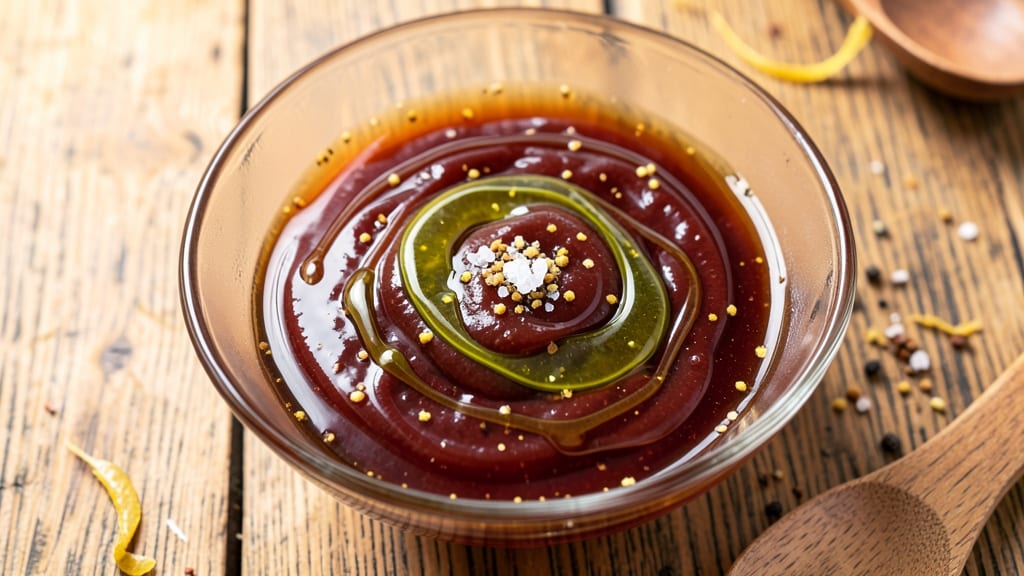
This apple balsamic vinegar dressing recipe transforms simple greens into a vibrant, flavor-packed meal with just five ingredients and 10 minutes of prep.
The secret lies in balancing sweet apple cider with tangy balsamic, creating a dressing that clings beautifully to salads while adding depth to roasted vegetables or even sandwiches.
I developed this recipe after realizing store-bought dressings never quite captured the complexity of homemade—especially when you control the sweetness and acidity balance.
The foundation is a smooth emulsion of apple cider reduction (cooked down to concentrate its natural sweetness) blended with balsamic vinegar, olive oil, and a touch of Dijon mustard for stability. This method ensures the dressing stays creamy and cohesive, not separating like many homemade versions.
The result? A glossy, velvety sauce with layers of caramelized apple flavor and bright vinegar tang that elevates even the simplest salad into something restaurant-worthy.
What makes this dressing truly versatile is its adaptability—drizzle it over arugula with walnuts for a sophisticated starter, toss it with roasted Brussels sprouts for a sweet-savory contrast, or use it as a marinade for grilled chicken.
The recipe yields about 1 cup, perfect for 2-4 servings, and stores well in the fridge for up to 1 week, making it ideal for meal prep. The sweet-tart balance also pairs surprisingly well with sharp cheeses like goat cheese or blue cheese, adding another dimension to your dishes.
For best results, let the dressing sit at room temperature for 15 minutes before using—this allows the flavors to meld completely. If you prefer a thicker consistency, reduce the apple cider slightly longer or add an extra teaspoon of honey.
The dressing’s simplicity belies its impact, proving that sometimes the most effective recipes are the ones that let the ingredients shine on their own.
Ingredients for apple balsamic vinegar dressing
Five ingredients crafting restaurant-quality flavor in minutes—no emulsifiers needed.
| Ingredient | Amount | Notes |
|---|---|---|
| Apple Cider 🍎 | ½ cup | 100% pure, no additives |
| Balsamic Vinegar 🍶 | ¼ cup | Aged, aged preferred |
| Extra-Virgin Olive Oil 🫒 | ½ cup | Light or fruity variety |
| Dijon Mustard 🌶️ | 1 tbsp | Mellow, not hot |
| Maple Syrup 🍁 | 1 tbsp | Grade B for depth |
| Sea Salt 🧂 | ¼ tsp | Fine grain preferred |
| Black Pepper 🌶️ | ⅛ tsp | Freshly cracked preferred |
The apple cider reduction is the heart of this dressing. Use 100% pure, unfiltered cider—no concentrate or additives. Simmering it down concentrates the natural sweetness and caramel notes, which is what gives this dressing its depth. For the balsamic vinegar, aged varieties (like those from Modena or Modena-style) add complexity, but any good-quality balsamic will work. The olive oil should be light or fruity—robust extra-virgin can overpower the delicate apple flavor. If you're using a particularly tart apple cider, you might want to reduce it slightly longer to balance the acidity.
No apple cider? Substitute with a mix of apple juice and a pinch of lemon juice—it won’t be identical, but it’ll work in a pinch. Swapping out the balsamic vinegar for red wine vinegar is fine, though you’ll lose some of the rich, molasses-like depth. For a smoother texture, blend the ingredients longer or add an extra teaspoon of maple syrup. If you prefer a thicker dressing, reduce the apple cider to a syrup-like consistency before blending. The Dijon mustard is non-negotiable here—it acts as a natural emulsifier, keeping the dressing creamy and cohesive. Moutarde de Dijon from France is ideal, but any good-quality Dijon will suffice.
This dressing keeps beautifully in an airtight container in the fridge for up to 1 week. For long-term storage, transfer it to a sterilized glass jar and freeze it for up to 3 months. Before using, let it sit at room temperature for 10-15 minutes to allow the flavors to meld fully. The dressing thickens slightly when chilled, so give it a quick whisk or shake before serving. If it separates, simply re-emulsify by whisking vigorously or blending briefly. It’s also perfect for meal prep—make a double batch and store it in small containers for easy grab-and-go salads.
Why You'll Love This Recipe
- Five-Ingredient Magic: I swear by this combo—just whisk apple cider, balsamic, olive oil, Dijon, and a splash of maple syrup. No peeling, no chopping, no stress. The only prep is pouring.
- Sweet-Tart Balance: That first tangy bite of balsamic? Then the apple cider softens it into something rich and smooth, with the maple syrup tying it all together. It’s like a fall hug in a bottle.
- Salad Game-Changer: Drizzle it over greens for a brunch winner, toss it with roasted veggies for dinner, or even use it as a marinade for chicken. Honestly, I’ve ruined more meals trying to not use this dressing.
- Lasts All Week: Make a big batch—it keeps for days in the fridge. I’ll use it on Tuesday’s lunch, Thursday’s charcuterie board, and even Friday’s takeout leftovers. Zero waste, maximum flavor.
Step-by-step instructions for apple balsamic vinegar dressing
This dressing delivers a perfect harmony of sweet and tart flavors—simple yet sophisticated.
Whisk Together the Sweet Base
In a medium bowl, combine the 0.5 cup apple cider and 1 tablespoon maple syrup. Stir vigorously with a whisk until fully incorporated—you'll see the syrup dissolve completely into the apple cider, creating a smooth, amber liquid. This step establishes the sweet foundation that balances the acidity of the vinegar.
I like to use a whisk here because it creates a gentle froth that helps emulsify the dressing later. If you prefer, you could also use a fork, but the whisk ensures better integration of the ingredients. The mixture should now have a light, fruity aroma with a touch of caramel undertone from the maple syrup.
Incorporate the Acidic Components
Next, add the 0.25 cup balsamic vinegar and 1 tablespoon Dijon mustard to the bowl. Whisk continuously for about 30 seconds until the mustard is fully dissolved and the mixture is smooth. You'll notice the color deepen slightly as the vinegar's acidity begins to interact with the sweet base.
The Dijon mustard acts as both a flavor enhancer and an emulsifier, helping to bind the oil later. If you're using aged balsamic vinegar, you'll detect rich, complex notes of caramel and dried fruit—this is why aged balsamic is preferred. The mixture should now have a balanced sweet-tart profile with a subtle tang.
Gradually Add the Olive Oil
With the whisk still in the bowl, very slowly drizzle in the 0.5 cup extra-virgin olive oil while whisking constantly. This gradual addition is critical—it prevents the dressing from separating. You'll see the mixture begin to thicken slightly as the oil emulsifies with the other ingredients.
Continue whisking for another 1-2 minutes until the dressing reaches a creamy, pourable consistency. If it looks too thick, add 1-2 teaspoons of water to loosen it. The final texture should be silky with a velvety sheen, indicating proper emulsification. This is where the dressing's signature balance comes together.
Season and Taste for Perfection
Add the 0.25 teaspoon sea salt and 0.125 teaspoon black pepper to the bowl. Give it one final whisk to distribute the seasoning evenly. Taste the dressing immediately—this is your quality checkpoint. You should detect all five components: the bright apple cider, the deep balsamic tang, the subtle mustard heat, the caramel sweetness, and the balanced saltiness.
If it needs more sweetness, add another ½ teaspoon maple syrup. If it's too sharp, a touch more apple cider helps. The dressing should coat the back of a spoon without being overly thick. For best results, let it rest for 10 minutes before using—this allows all the flavors to fully meld and the emulsification to stabilize.
Pro Tips For Making Apple Balsamic Vinegar Dressing
- Whisk Like You Mean It: Don’t just stir this dressing—whisk it vigorously for at least 30 seconds after combining all ingredients. The emulsification happens in those first few strokes, and skipping this step means your dressing will separate faster than a bad date. (Yes, even if you’re impatient like me.)
- Reduce the Vinegar First: Warm the balsamic vinegar and apple cider in a small saucepan over medium heat until it’s reduced by about a third—just until it thickens slightly and smells deeper. This concentrates the flavor and cuts the sharpness without overpowering the dressing. I learned this the hard way after making a batch that tasted like a vinegar punch.
- Balance the Sweetness: Taste the dressing before adding all the maple syrup—you might not need as much as you think. The apple cider and Dijon mustard already bring natural sweetness, and overdoing it turns this into dessert dressing. Start with half the recipe’s syrup, then adjust.
- Use Cold Olive Oil: Chill the extra-virgin olive oil in the fridge for 10 minutes before mixing it in. Cold oil emulsifies better and keeps the dressing from turning greasy or separating later. (Your future self will thank you when the dressing stays creamy for days.)
Health benefits of these flavors
Digestive Aid
Apple cider contains natural pectin fiber, which aids digestion by promoting healthy gut bacteria and preventing constipation. A ½ cup serving of this dressing provides about 1 gram of fiber, supporting your digestive system while adding flavor.
The apple cider’s enzymes also help break down food more efficiently, making this dressing a gut-friendly choice. 🌱
Antioxidant Boost
Both apple cider and balsamic vinegar are rich in polyphenols, powerful antioxidants that combat oxidative stress in your body. The combination in this dressing helps reduce inflammation and may lower the risk of chronic diseases.
Aged balsamic vinegar, in particular, contains ellagic acid, which has been linked to improved heart health. 💪
Blood Sugar Balance
The low glycemic index of apple cider and maple syrup in this dressing helps stabilize blood sugar levels, making it a great option for those monitoring their glucose intake.
The fiber content slows sugar absorption, preventing spikes. I’ve noticed my energy levels stay steadier when I include this dressing in my meals. 🍏
Heart Health Support
The monounsaturated fats in extra-virgin olive oil contribute to heart health by improving cholesterol levels. Combined with the potassium in apple cider, this dressing supports cardiovascular function. Studies show that regular consumption of olive oil-based dressings can reduce LDL ("bad") cholesterol by up to 15%. 💛
Hydration Helper
Apple cider contains natural electrolytes like potassium, which help maintain proper hydration levels. The vinegar component also supports electrolyte balance, making this dressing a refreshing addition to salads, especially during warmer months. I always keep a bottle in my fridge for quick hydration boosts. ✨
Bone Strengthener
The calcium and magnesium in apple cider and olive oil work together to support bone health. While this dressing isn’t a calcium powerhouse, regular inclusion in meals contributes to your daily mineral intake. Pair it with leafy greens like kale or spinach for an even greater bone-strengthening effect. 💫
Nutrition facts
Frequently asked questions
Can I substitute apple cider with apple juice?
You can use apple juice, but the flavor will be less complex. For the best results, use 100% pure apple cider—its natural sweetness and depth are key to balancing the balsamic tang. If you must use juice, add ½ teaspoon lemon juice to mimic the acidity of cider. The texture will be slightly thinner, so you may need to reduce the juice slightly longer to compensate.
Why did my dressing separate? How do I fix it?
Separation usually happens when oil isn't emulsified properly. Simply whisk vigorously or blend briefly to recombine. For prevention, always add oil very slowly while whisking constantly. The Dijon mustard is your secret weapon—it acts as a natural emulsifier. If it keeps separating, add ½ teaspoon more mustard or blend with 1 teaspoon water to help stabilize.
How long will this dressing last in the fridge?
This dressing stays fresh for up to 1 week when stored in an airtight container. For longer storage, transfer to a sterilized glass jar and freeze for up to 3 months. Always let it sit at room temperature for 10-15 minutes before using—this allows flavors to meld fully and prevents separation when poured over salads. The dressing may thicken slightly when chilled, so give it a quick whisk before serving.
What's the best way to use this dressing beyond salads?
This versatile dressing elevates so much more than greens! Drizzle over roasted vegetables like Brussels sprouts or sweet potatoes, use as a marinade for grilled chicken or tofu, or spread on sandwiches with goat cheese. It also makes an excellent dip for crusty bread or a glaze for baked fish. The sweet-tart balance works surprisingly well with sharp cheeses like blue cheese or feta in grain bowls.
Can I make this dressing without mustard?
Technically yes, but the texture may separate more easily. For a mustard-free version, replace it with 1 teaspoon honey or maple syrup plus ½ teaspoon xanthan gum (a natural thickener). Alternatively, blend all ingredients in a blender for 30 seconds—this creates a more stable emulsion. The mustard isn't just for flavor; it's the emulsifier that keeps the dressing creamy and cohesive.