
Main Courses
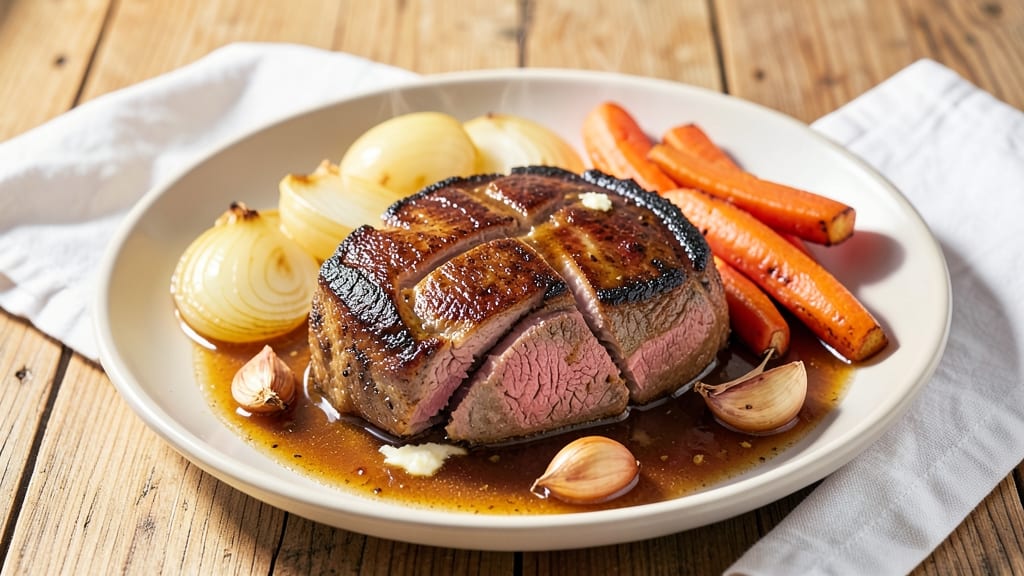
This apple cider chuck roast recipe delivers perfectly tender, fall-off-the-bone meat with a rich, caramelized sauce that transforms a simple weeknight dinner into a showstopper. The secret lies in slow-braising the chuck roast with apple cider—a technique that tenderizes the meat while infusing it with natural sweetness and depth.
I developed this recipe after years of experimenting with braising methods, and it consistently delivers juicy results that even skeptical meat lovers can't resist.
The process begins with searing the chuck roast to lock in flavors, followed by a slow cook in apple cider that breaks down the tough fibers into melt-in-your-mouth perfection. The cider doesn't just add moisture—it creates a glossy, slightly tangy sauce that pairs beautifully with the meat's natural richness.
Unlike other braised dishes, this recipe requires minimal effort but delivers restaurant-quality results with just a few simple ingredients and 3-4 hours of hands-off cooking time.
What you'll end up with is a dish that's equal parts comforting and impressive—a golden-brown roast surrounded by a velvety sauce that's perfect for drizzling over slices. The apple cider's natural acidity balances the meat's richness, while the slow cooking process ensures every bite is juicy and flavorful.
This is the kind of recipe that turns a basic dinner into a memorable meal without requiring advanced techniques.
Serve it with classic sides like mashed potatoes or roasted root vegetables to complete the meal. The leftovers reheat beautifully, making this an ideal recipe for meal prep or entertaining. Let's get started on creating this crowd-pleasing centerpiece for your table.
Ingredients for apple cider chuck roast
Six simple ingredients transform tough chuck roast into melt-in-your-mouth perfection with minimal effort.
| Ingredient | Amount | Notes |
|---|---|---|
| Chuck Roast 🥩 | 3 lb | Bone-in for maximum flavor |
| Unsalted Butter 🧈 | ½ cup | Cold, cut into patties |
| Apple Cider 🍎 | 2 cups | Unfiltered, preferably spiced |
| Yellow Onion 🧅 | 1 whole | Chopped into 1/2-inch pieces |
| Carrots 🥕 | 4 medium | Peeled, cut into 2-inch chunks |
| Garlic Cloves 🧄 | 6 cloves | Smashed, not minced |
| Fresh Thyme 🌿 | 2 sprigs | Stems removed, leaves only |
| Fresh Rosemary 🌿 | 1 sprig | Needles only, chopped |
| Diamond Crystal Kosher Salt 🧂 | 1 ½ tsp | For seasoning, not curing |
| Freshly Ground Black Pepper 🌶️ | ½ tsp | Cracked, not powdered |
| All-Purpose Flour 🌾 | 2 tbsp | For thickening sauce |
| Balsamic Vinegar 🍷 | 1 tbsp | For finishing sauce |
| Fresh Parsley 🌿 | ¼ cup | Chopped, for garnish |
The chuck roast is the star here—look for well-marbled cuts with visible fat pockets, which ensure juicy results. Costco or Whole Foods typically carry the best-quality roasts in 3-4 lb sizes, though any reputable butcher will have suitable options. For the apple cider, Mott's or Woodchuck brands offer the most authentic spiced varieties, but any unfiltered cider will work. The carrots and onions should be firm with no soft spots—Trader Joe's often has pre-cut vegetable mixes that save time. Fresh herbs are non-negotiable; Penzeys Spices sells them in bulk if your grocery store selection is limited. Prep all vegetables uniformly (about 2-inch chunks) to ensure even cooking throughout the braising process.
No spiced apple cider? Substitute with 1 cup apple juice plus 1 cup beef broth and 1 tsp cinnamon—the acidity remains intact. Running short on fresh thyme? Dried thyme at one-third the amount works, but toast it briefly in a dry pan first to deepen the flavor. The butter should be cold when patted onto the meat—this creates a flavorful crust during searing. For the flour, King Arthur or Bob's Red Mill brands are reliable choices that won't clump. If you prefer less acidity in the final sauce, reduce the balsamic to 1 teaspoon and add 1 teaspoon of honey instead (though this slightly alters the traditional balance). The rosemary can be swapped for sage if unavailable, though it will impart a different herbal profile.
This dish reheats beautifully—the sauce actually improves overnight as flavors meld further. Store leftovers in an airtight container in the refrigerator for up to 5 days, or freeze portions for 3 months. For meal prep, I recommend dividing the roast into individual portions with their sauce before freezing—this makes reheating a breeze. The sauce can also be reduced further on the stovetop if you prefer a thicker consistency. Garnish with fresh parsley just before serving to maintain vibrant color and brighten the dish's presentation. For a restaurant-quality finish, drizzle with an extra tablespoon of balsamic reduction before serving.
Why You'll Love This Recipe
- Foolproof Setup: I swear by this—just sear the roast, toss in chopped onion and carrots, pour the cider, and walk away. No fancy knife work, no last-minute chopping frenzy. The only real effort is stirring once, and honestly, that’s half the fun.
- Cider Magic: That first sip of apple cider reduction clinging to the meat? It’s like autumn in a bite—tangy, sweet, and rich all at once. The butter melts into the slow-cooked edges, turning every slice into something restaurant-worthy without trying.
- Weeknight to Holiday: Same recipe for a rushed Tuesday dinner or a Thanksgiving spread. Double the batch, freeze half, and you’ve got a stress-free meal for months. My kids don’t even know it’s the same dish—one night it’s "mom’s fancy roast," the next it’s "leftovers for lunch."
- Budget Win: A chuck roast costs less than half a steak, and the cider adds depth without breaking the bank. I’ve fed six people for under $15, and the leftovers? Even better the next day. (Yes, even on a Tuesday night.)
Step-by-step instructions for apple cider chuck roast
Transform a simple chuck roast into melt-in-your-mouth perfection using this slow-braised method.
Sear the Chuck Roast for Deep Flavor
Pat the 3 lb chuck roast completely dry with paper towels—this ensures a proper sear. Heat a heavy Dutch oven over medium-high heat and add 0.5 cup unsalted butter cut into patties. Once the butter foams, add the roast and sear on all sides until deeply browned, about 8-10 minutes total. This step creates a flavorful crust that locks in juices during braising.
While the roast sears, prepare your vegetables: chop the 1 whole yellow onion into ½-inch pieces and peel the 4 medium carrots, cutting them into 2-inch chunks. Add these to the Dutch oven along with the 6 smashed garlic cloves, 2 sprigs fresh thyme, and 1 sprig fresh rosemary. Stir gently to coat the vegetables in the rendered butter and sear for 2-3 minutes until fragrant.
Deglaze and Add Apple Cider
Remove the roast and set it aside. Pour in the 2 cups apple cider, scraping up all the browned bits from the bottom of the pot with a wooden spoon. This deglazing step captures all the caramelized flavors that would otherwise burn. Return the roast to the pot, along with the 1.5 tsp Diamond Crystal kosher salt and 0.5 tsp freshly ground black pepper, ensuring it's fully submerged in the liquid.
Bring the mixture to a gentle simmer over medium heat. Once simmering, reduce heat to low and cover the pot with a tight-fitting lid. The goal is to maintain a steady, barely-there simmer—not a rolling boil—which prevents the meat from toughening. This is where patience pays off: let it cook undisturbed for 2.5 hours.
Thicken the Sauce and Finish
After 2.5 hours, check the roast's doneness by inserting a meat thermometer into the thickest part. It should read 195-200°F—this is the "low and slow" sweet spot for tender, juicy chuck roast. If the sauce has reduced too much, add ¼ cup water to maintain adequate liquid for braising.
In a small bowl, whisk together the 2 tbsp all-purpose flour with 1 tbsp balsamic vinegar to create a slurry. Slowly pour this into the pot while stirring constantly. Let the sauce simmer uncovered for 5-7 minutes until it thickens to a glossy consistency, coating the back of a spoon. This step ensures a rich, velvety sauce instead of a watery one.
Rest and Serve with Garnish
Remove the roast from the pot and transfer it to a cutting board. Tent loosely with foil and let it rest for 15-20 minutes. This resting period allows the juices to redistribute throughout the meat, ensuring each slice is moist and flavorful. Meanwhile, taste the sauce and adjust seasoning with additional salt or pepper if needed.
Once rested, slice the roast against the grain into ¼-inch thick pieces. Ladle the sauce over the top and garnish with 0.25 cup chopped fresh parsley. Serve immediately with the braised vegetables and any accumulated juices from the pot. The result should be tender, fall-apart meat with a deeply aromatic sauce that balances sweet apple cider and tangy balsamic notes.
Pro Tips For Making Apple Cider Chuck Roast
- Brown the Chuck First: The rich, caramelized crust from searing the roast before adding cider is what makes this dish sing—don’t skip it. Use a heavy pot or Dutch oven and cook the meat over medium-high heat for 5-6 minutes per side until deep golden, or it’ll turn out bland and watery.
- Deglaze Aggressively: After browning, don’t just splash in the cider and walk away. Scrape up those stuck-on bits with a wooden spoon—those are packed with flavor. Let them dissolve for 30 seconds before adding onions and carrots, or you’re leaving half the taste behind.
- Simmer Low and Slow: This isn’t a race. Cover the pot and cook on low heat (or 300°F in the oven) for 3-4 hours, checking occasionally to add water or broth if the liquid evaporates. Rushing it makes the meat tough; patience makes it melt-in-your-mouth tender.
- Use Real Apple Cider: Store-bought juice won’t cut it—opt for fresh, unfiltered cider with sediment. The cloudiness adds depth, and the natural tannins help tenderize the meat. If you’re in a pinch, reduce a can of cider by half first to concentrate the flavor.
Wine and beer pairings for apple cider chuck roast
Red Wine Pairings
A bold Cabernet Sauvignon from Napa Valley is my go-to choice for this dish—its rich, dark fruit flavors and velvety tannins complement the apple cider's sweetness while standing up to the meat's richness.
Look for a 2018 or newer vintage with 14-15% ABV to ensure enough body to match the braised flavors. The wine's acidity cuts through the sauce's sweetness, creating a perfect balance. 🍷
For a more affordable option, try a Malbec from Argentina—it offers similar depth with juicy plum and blackberry notes that harmonize beautifully with the caramelized onions and thyme.
I recommend Catena Zapata Malbec as a reliable mid-range choice that won't break the bank. Avoid overly oaky wines like Chardonnay, as they'll clash with the dish's natural sweetness.
Beer Complements
A crisp amber ale like Samuel Adams Noble Experiment is my top beer pairing—its caramel malt sweetness mirrors the apple cider while the hop bitterness provides a refreshing contrast. The beer's moderate alcohol content (5.5% ABV) won't overpower the dish but enhances the meal's overall richness. 🍺
For craft beer enthusiasts, a Belgian-style dubbel from Allagash Brewing works beautifully. The malt-forward profile with notes of raisins and spices complements the apple cider's warmth, while the alcohol content (6.5% ABV) helps cleanse the palate between bites.
Avoid heavy stouts or IPAs, as their strong hop profiles can compete with the dish's delicate flavors.
Seasonal Variations
In fall, I love pairing this dish with a spiced Riesling from Germany—its slight sweetness and citrus notes enhance the apple cider's natural flavors. Look for a Kabinett-level Riesling with 7-8% ABV to maintain balance. The wine's acidity also helps cut through the richness of the braised meat. 🍎
For summer adaptations, switch to a dry rosé with crisp acidity like Whispering Angel. The wine's red fruit notes complement the caramelized flavors while its refreshing profile makes it perfect for lighter meals.
The key is choosing wines with enough body to stand up to the rich sauce without overwhelming it.
Non-Alcoholic Options
For non-drinkers, a sparkling apple cider like Martinelli's Sparkling Apple Cider makes an excellent pairing. The effervescence cleanses the palate between bites, while the apple notes enhance the dish's natural flavors. Serve it chilled to highlight its crispness. 🥤
Another great option is a ginger beer with a touch of honey—its spicy-sweet profile complements the apple cider's warmth while providing a refreshing contrast. I recommend Brew Dr. Brown's Ginger Beer for its balanced sweetness and ginger kick. The carbonation helps cut through the richness of the braised meat beautifully.
Nutrition facts
Frequently asked questions
Can I use regular apple juice instead of apple cider?
Apple juice works, but it won't give the same rich, spiced depth as apple cider. For best results, use unfiltered apple cider with spices—it has natural sweetness and subtle tartness that balances the meat's richness. If you must substitute, combine 1 cup apple juice with 1 cup beef broth and 1 tsp cinnamon for similar flavor.
How do I know when the chuck roast is tender enough?
Use a meat thermometer for accuracy—the roast is done when it reaches 195-200°F in the thickest part. The "low and slow" method breaks down tough fibers, so don't rush it! If you don't have a thermometer, check by inserting a fork—it should slide in easily with no resistance.
Can I make this recipe in a slow cooker?
Sear the roast first, then transfer everything to a 6-quart slow cooker on low for 6-7 hours or high for 4-5 hours. After cooking, thicken the sauce on the stovetop as directed. The slow cooker method is even more hands-off—just add everything and let it work its magic!
What's the best way to reheat leftovers?
Reheat leftovers in a skillet with a splash of apple cider or beef broth to maintain moisture. Cover and warm on low heat for 10-15 minutes, stirring occasionally. For microwave reheating, cover with a damp paper towel and heat in 30-second intervals until warmed through.
Why did my roast turn out dry?
Overcooking or skipping the resting time are common culprits. Always rest the roast for 15-20 minutes before slicing—this lets juices redistribute. Also, ensure the roast stays submerged in liquid during braising. If you prefer a shorter cook time, try a 3-hour braise at 325°F instead of 2.5 hours.