
Sauces & Condiments
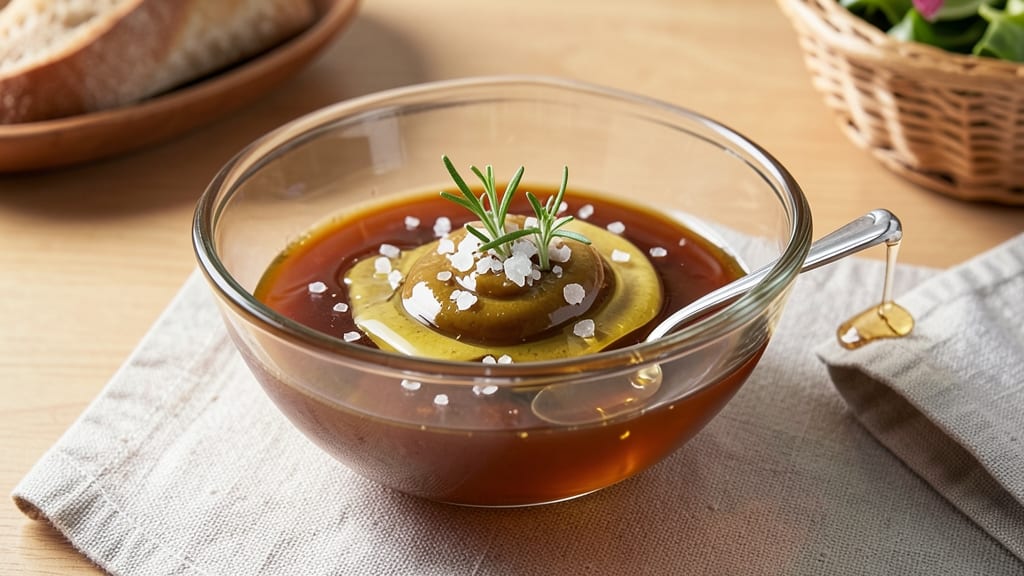
This apple cider vinegar vinaigrette dressing recipe transforms any salad from bland to bold with just five simple ingredients. The secret lies in balancing sharp apple cider vinegar with smooth olive oil, creating a dressing that clings perfectly to greens without overpowering their natural flavors.
I developed this formula after years of testing—it's the one that finally earned compliments from even the most skeptical salad eaters.
The magic happens when Dijon mustard acts as an emulsifier, ensuring the dressing stays silky rather than separating. You'll need just 1/3 cup apple cider vinegar, 3/4 cup olive oil, 1 tablespoon Dijon, and a pinch of salt to create a dressing that's tangy, slightly sweet, and richly aromatic.
The ratio is precise but forgiving, making it perfect for both beginners and seasoned cooks.
What you'll end up with is a dressing that adds vibrant zing to crisp greens, hearty grains, or roasted vegetables. The apple cider vinegar brings bright acidity that cuts through rich ingredients, while the olive oil provides luxurious mouthfeel.
This dressing keeps for up to a week in the fridge, making it ideal for meal prep.
Use it immediately for maximum freshness or store in an airtight container. The flavors actually improve as they meld, so it's worth making a batch ahead. Trust me—once you try this dressing, your salad game will never be the same.
Ingredients for apple cider vinegar vinaigrette dressing
Five ingredients, endless salad possibilities—this dressing is your new secret weapon.
| Ingredient | Amount | Notes |
|---|---|---|
| Apple Cider Vinegar 🍏 | ⅓ cup | Raw, unfiltered preferred |
| Extra-Virgin Olive Oil 🫒 | ¾ cup | Light or fruity variety |
| Dijon Mustard 🥬 | 1 tbsp | High-quality, smooth type |
| Sea Salt 🧂 | ¼ tsp | Fine grain preferred |
| Honey 🍯 | 1 tsp | Raw or local preferred |
Apple cider vinegar makes or breaks this dressing. Bragg or Zephyr Hill are my go-tos—they've got that perfect balance of tang and sweetness. If you can only find pasteurized, no biggie, but unfiltered has more depth. The olive oil? Trader Joe's or California Avocado Ranch brands are budget-friendly and delicious. For the honey, local raw is ideal (I grab mine from Whole Foods bulk section), but any light honey works. The Dijon mustard should be smooth—Amoy or Maille are solid choices, but don't use whole-grain unless you're feeling adventurous.
No apple cider vinegar? White wine vinegar or rice vinegar work in a pinch, but add an extra teaspoon of honey to compensate. Olive oil shortage? Avocado oil is a neutral swap, though it lacks the fruity notes. Skip the honey? Maple syrup or agave at half the amount keeps things vegan. The salt is flexible—use kosher or sea salt, but measure carefully. If your mustard is too thick, thin it with a teaspoon of water before mixing. This dressing is forgiving, but the ratio of oil to vinegar is key—don't go too heavy on either.
This keeps beautifully for up to 1 week in the fridge, but the flavors actually get better after a day or two as everything melds. Store in an airtight jar with a tight lid—shake well before each use. For meal prep, make a double batch and portion into small containers. The honey will crystallize over time, so give it a quick stir. If it separates (which it won't with Dijon as emulsifier), just shake it like crazy—it'll come back together every time.
Why You'll Love This Recipe
- Five-Ingredient Magic: I swear, this is the dressing that proves you don’t need a fancy pantry—just a bottle of apple cider vinegar, olive oil you’d actually drink, and a spoon. Honestly, I’ve made it while my coffee brewed, while waiting for pasta to boil, even while scrolling through my phone. The ratio is forgiving, the mixing takes 30 seconds, and the result? Always spot-on.
- Tangy-Sweet Balance: That first bite of honey cutting through the sharpness of apple cider vinegar? It’s like a hug for your taste buds. The Dijon mustard adds this little kick that makes it way more interesting than basic vinaigrette, and the sea salt—just a pinch—ties it all together. I’ll be real: I’ve drizzled this on everything from grilled chicken to cold pasta salads, and it never disappoints.
- Salad Game-Changer: Between us, this is the dressing that makes my simple greens feel like a restaurant dish. It’s my go-to for lunchboxes, potlucks, or when I’m too tired to think about dinner. The acidity cuts through rich ingredients like avocado or cheese, and the honey keeps it from being too harsh. Plus, it’s the one thing my picky-eating teenager actually finishes his salad with.
- Lasts All Week: I make a big batch on Sundays and keep it in the fridge—no fancy jars, just a clean bottle. It doesn’t separate, doesn’t go bad, and honestly? The flavor gets even better as it sits. It’s my secret weapon for quick lunches, last-minute dinners, or when I forget to pack a dressing. And since it’s just pantry staples, it’s cheaper than buying dressings that taste like sadness.
Step-by-step instructions for apple cider vinegar vinaigrette dressing
This bright, tangy dressing comes together in minutes with just five simple ingredients.
👨🍳 Step 1: Whisk Together the Vinegar and Honey
In a small bowl, combine the 0.33 cup apple cider vinegar with the 1 teaspoon honey. Use a fork or small whisk to stir until the honey dissolves completely. You'll notice the mixture becomes slightly syrupy and translucent—this is what gives the dressing its signature balance of sweetness and acidity.
I like to use a small bowl for this step so I can easily monitor the texture. If you're using raw honey, it might take a few extra seconds to fully incorporate, but don't worry—just keep stirring until smooth. The vinegar will start to mellow slightly as it mixes with the honey, creating a more approachable tang that won't overwhelm your greens.
🍳 Step 2: Add the Dijon Mustard and Salt
Next, add the 1 tablespoon Dijon mustard and 0.25 teaspoon sea salt to the vinegar-honey mixture. Whisk vigorously for about 30 seconds until everything is completely combined. The mustard will help emulsify the dressing later, while the salt enhances all the flavors and prevents the vinegar from being too sharp.
Here's where it gets interesting—the mustard acts like a natural emulsifier, helping the oil and vinegar blend smoothly. You'll see the mixture thicken slightly as you whisk. If you notice any streaks of mustard remaining, just keep whisking for another 10-15 seconds until it's perfectly smooth. This step is crucial for preventing separation later.
🥘 Step 3: Slowly Incorporate the Olive Oil
With the whisk still in the bowl, begin adding the 0.75 cup extra-virgin olive oil very slowly—about 1 tablespoon at a time. After each addition, whisk vigorously for 5-10 seconds until the oil is fully incorporated. This gradual approach is what creates that silky, emulsified texture we're after.
I know it's tempting to pour in all the oil at once, but trust me—this slow method makes all the difference. You're looking for a dressing that's thick enough to coat greens but still pourable. If you add the oil too quickly, you'll end up with a separated dressing that looks like oil floating on top of vinegar. Keep whisking until the mixture looks completely uniform and glossy.
⏰ Step 4: Taste and Adjust the Balance
Give your vinaigrette a taste and adjust the seasoning if needed. If it tastes too sharp, add another pinch of salt. If it needs more sweetness, stir in a tiny bit more honey. For extra tang, you can add a splash more vinegar—just ¼ teaspoon at a time—until you achieve that perfect balance of bright, tangy, and slightly sweet.
This is where your personal preference comes into play. Some people like their vinaigrettes more acidic, while others prefer a sweeter touch. The beauty of this recipe is how easily it adapts. Once you've achieved your ideal flavor, give it one final whisk to ensure everything is well combined. The dressing should coat the back of a spoon but still flow freely when poured.
🥗 Step 5: Let It Rest and Use Immediately
Transfer the dressing to a clean jar or airtight container and let it sit at room temperature for 5-10 minutes. This brief resting period allows all the flavors to meld together perfectly. You'll notice the dressing becomes even more cohesive and flavorful during this time.
Use your vinaigrette immediately for the best results, especially if you're dressing a fresh salad. The flavors are at their peak right after mixing. If you need to store it, keep it in the refrigerator for up to 1 week, giving it a good shake before each use. The dressing might separate slightly when refrigerated, but a quick whisk will bring it back to its original silky texture.
Pro Tips For Making Apple Cider Vinegar Vinaigrette Dressing
- Whisk in stages: Start with the vinegar and mustard—this emulsifies faster than dumping everything at once. Add the olive oil slowly while whisking like you’re trying to win a race, then finish with honey and salt. I used to pour it all in at once, and it’d split every time.
- Use raw honey: Cooked or pasteurized honey loses its depth, and this dressing deserves the real stuff. Drizzle in raw honey while whisking—it blends smoother and adds a subtle floral note. (Yes, it’s pricier, but your salad will taste like you actually care.)
- Salt the mustard: Taste your Dijon before mixing—it’s often bland straight from the jar. Sprinkle a pinch of salt directly into the mustard while you whisk it into the vinegar. This cuts through the bitterness and balances the whole dressing upfront.
- Shake it later: If you’re making this ahead, store the vinegar, mustard, and salt in one jar and the oil in another. When ready, just shake like a snow globe—no lumps, no stress. The oil will emulsify perfectly once combined. (I learned this after ruining three batches by pre-mixing.)
Storing and reheating your apple cider vinegar vinaigrette dressing
Fridge Storage Tips
Store your apple cider vinaigrette in an airtight glass jar with a tight-sealing lid—I love using Ball mason jars for this. Keep it refrigerated at 40°F or below for up to 1 week. The glass preserves the dressing's freshness better than plastic, and the tight seal prevents oxidation. 🧂
Before using, give it a good shake—the ingredients naturally separate slightly in the fridge. The Dijon mustard helps keep it emulsified, but a quick whisk ensures that signature silky texture. I always make a double batch so I have it ready for salads all week.
Freezer Preservation
While vinaigrettes aren't ideal for long-term freezer storage, you can keep this dressing for up to 3 months in the freezer. Portion it into ice cube trays first, then transfer the cubes to a freezer bag.
This makes it easy to thaw just what you need—simply pop a cube into a jar and let it sit at room temperature for 10 minutes before shaking.
The texture may become slightly grainy after freezing, but a quick whisk restores it. The flavor actually deepens over time, making it perfect for meal prep when you want to keep ingredients on hand for weeks. Just avoid freezing if you plan to use it within the week.
Reviving Separated Dressing
If your vinaigrette separates after storage, don't toss it! Simply shake vigorously for 20-30 seconds—the Dijon mustard acts as a natural emulsifier, so it will come back together beautifully.
For extra insurance, add ½ teaspoon of water to help re-emulsify if needed. This trick works every time, no matter how long it's been stored.
If the honey crystallizes, a quick warm water bath (place the jar in a bowl of warm water for 2-3 minutes) will restore its smooth texture. Just avoid heating it directly—gentle warmth is all you need. The dressing should return to its original consistency in no time. ✨
Meal Prep Strategy
Make a double batch and store it in small, portion-controlled containers for easy grab-and-go salads. I use 3-ounce mason jars so I can toss one in my bag for quick lunches. The dressing stays fresh for 5-6 days this way, and the portions are perfect for a single serving.
Label your containers with the date to track freshness. If you're prepping for a week, store one portion separately and use it first—this ensures you're always using the freshest dressing.
The flavors actually improve slightly over time, so even if it's been stored for a few days, it'll still taste amazing. 💡
Nutrition facts
Frequently asked questions
Can I substitute apple cider vinegar with white wine vinegar?
Yes, but you'll need to adjust the sweetness! White wine vinegar has a sharper taste, so add an extra ½ teaspoon of honey to balance it. The texture and emulsification will remain the same—just the flavor profile will shift slightly toward classic French-style vinaigrette.
Why does my dressing separate after making it?
Separation happens when oil and vinegar aren't properly emulsified. The Dijon mustard is key—if you didn't whisk it thoroughly or added oil too quickly, the dressing may split. Next time, whisk the mustard into the vinegar first, then add oil 1 tablespoon at a time while whisking constantly.
How much dressing should I make for a family of 4?
This recipe yields about 1 cup, perfect for 4-6 servings. For a hearty salad with multiple toppings, double the batch. Pro tip: Store extras in small jars so you can grab just what you need without waste—each ¼ cup portion dresses about 2 cups of greens beautifully.
Can I use this dressing on things besides salads?
The tangy sweetness works perfectly on roasted vegetables, grilled chicken, or even tossed with pasta. For pasta, use about 2 tablespoons per serving—the acidity cuts through rich sauces beautifully. Just avoid using it on delicate seafood where the acid might overpower.
What if I don't have Dijon mustard?
No problem! Use 1 teaspoon of regular yellow mustard or even ½ teaspoon of honey mustard as a substitute. For a mustard-free version, add 1 teaspoon of water to help emulsify the oil, though the dressing may separate slightly faster. The flavor will be slightly milder but still delicious.