
Sauces & Condiments
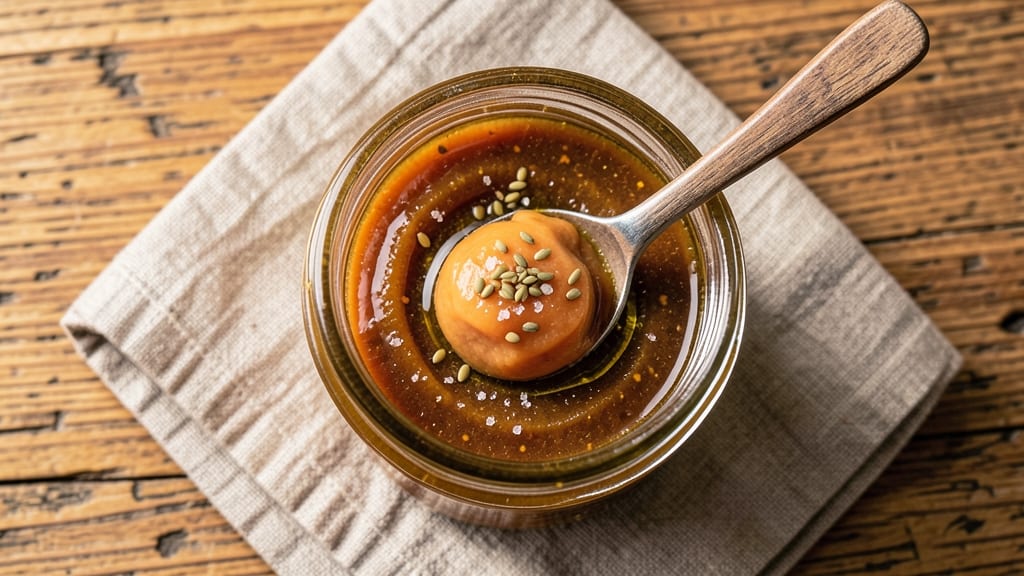
This apple Dijon dressing recipe transforms simple pantry staples into a velvety emulsion with bright acidity and a subtle crunch from celery seeds. The balance of sweet apple cider vinegar, tangy Dijon mustard, and smooth apple purée creates a dressing that elevates everything from crisp salads to roasted vegetables.
What makes this recipe special is how the emulsification technique—using a blender or whisk—ensures a silky texture that won’t separate, even after sitting for hours.
The dressing’s versatility is its greatest strength: drizzle it over mixed greens for a sweet-tangy contrast, use it as a marinade for pork tenderloin, or toss it with roasted Brussels sprouts for a caramelized finish.
The secret to success lies in the ratio of oil to vinegar (equal parts) and the slow incorporation of Dijon mustard, which adds depth without overpowering the apple’s natural sweetness.
For an extra layer of texture, a pinch of celery seeds or finely chopped celery adds a subtle crunch that lingers with every bite.
Once blended, this dressing stays fresh in the refrigerator for up to a week, making it perfect for meal prep. The flavors deepen slightly over time, so it’s even better the next day.
Whether you’re dressing a hearty harvest salad or using it as a glaze for grilled chicken, this recipe delivers restaurant-quality results with minimal effort. The key is patience—letting the flavors meld before serving ensures a harmonious balance of sweet, tangy, and savory notes.
For those who love customization, swap the apple cider vinegar for white wine vinegar for a more sophisticated touch, or add a dash of smoked paprika for a hint of warmth. The dressing also works beautifully as a dip for fresh bread or a finishing sauce for seafood.
With just a handful of ingredients and a few minutes of prep, you’ll have a dressing that’s as impressive as it is delicious.
Ingredients for apple dijon dressing
Eight simple ingredients transform into a velvety dressing with perfect sweet-tangy balance.
| Ingredient | Amount | Notes |
|---|---|---|
| Apple Cider Vinegar 🍎 | ½ cup | Raw, unfiltered preferred |
| Dijon Mustard 🌶️ | 2 tbsp | High-quality, smooth variety |
| Extra-Virgin Olive Oil 🫒 | ½ cup | Fruity, peppery preferred |
| Apple Purée 🍎 | ¼ cup | Unsweetened, smooth texture |
| Celery Seeds 🌿 | 1 tsp | Freshly ground for best flavor |
| Granulated Sugar 🍚 | 1 tbsp | Adjust to taste |
| Sea Salt 🧂 | ½ tsp | Fine grain preferred |
| Freshly Ground Black Pepper 🌶️ | ¼ tsp | Freshly cracked for aroma |
| Fresh Celery Ribs 🧅 | 2 pieces | Finely chopped for texture |
The apple cider vinegar should be raw and unfiltered—it adds depth and complexity that pasteurized versions lack. Bragg or Texas Pete are solid choices, but any raw vinegar works. For the Dijon mustard, Maille is the gold standard, but any high-quality smooth Dijon will do. The olive oil matters too—California Extra Virgin or Spanish Picual oils have the fruity notes that complement the apple. Celery seeds are key for that subtle crunch; Penzeys sells them in bulk if you want to stock up. The sugar balances acidity, but if you prefer less sweetness, reduce to 1 teaspoon.
No apple cider vinegar? White wine vinegar or balsamic work in a pinch, though the flavor profile shifts slightly. Swap the celery seeds for fennel seeds if you prefer a different herbal note, but use half the amount. For a smoky twist, add 1/4 teaspoon smoked paprika—it pairs beautifully with the apple. The fresh celery isn’t just for texture; it adds a subtle earthiness that rounds out the dressing. If you’re short on time, skip it, but trust me, it’s worth the extra minute. The sugar can also be swapped for maple syrup or honey for a deeper sweetness, though honey isn’t vegan.
This dressing keeps beautifully in the fridge for up to 1 week, though it tastes even better after flavors meld for 24 hours. Store it in an airtight jar with a thin layer of olive oil on top to preserve freshness. For meal prep, double the batch—it’s perfect over salads, roasted veggies, or grilled proteins. If it thickens over time, just whisk in a splash of water or vinegar to restore consistency. Freezing isn’t recommended, as the texture may separate.
Why You'll Love This Recipe
- No Blender Needed: I’ll be honest—this dressing comes together with just a whisk and a bowl. The apple purée blends right in with the Dijon and vinegar, no fancy gadgets required. Honestly, I’ve made it standing up while waiting for dinner to cook.
- Tangy-Sweet Magic: That first bite of crisp greens with this dressing? It’s the perfect balance—sharp apple cider vinegar cuts through the richness of the olive oil, while the Dijon mustard and celery seeds add a deep, earthy kick. I’ll admit, I’ve been known to drizzle it on toast just to taste it plain.
- Salad Fatigue Solved: Between us, I was tired of basic vinaigrettes. This one works on everything—grilled chicken salads, roasted veggie bowls, even as a marinade for pork tenderloin. The apple purée keeps it from tasting too harsh, so it’s actually approachable for picky eaters.
- Lasts a Week: I make a big batch on Sundays and keep it in the fridge. The flavors only get better as the vinegar and mustard mellow out. It’s my secret weapon for lazy nights—no last-minute shopping, no stress. Plus, the olive oil keeps it from going rancid fast.
Step-by-step instructions for apple Dijon dressing
This method creates a perfectly balanced emulsion with vibrant apple flavor and subtle celery crunch.
Whisk Together the Vinegar, Mustard and Sweetener
In a medium bowl, combine the 0.5 cup apple cider vinegar, 2 tablespoons Dijon mustard, 1 tablespoon granulated sugar, 0.5 teaspoon sea salt and 0.25 teaspoon freshly ground black pepper. Use a whisk to blend vigorously for 30 seconds until the sugar and salt fully dissolve. The mixture should be smooth with no visible sugar crystals remaining.
This initial blending creates a flavor base that will emulsify with the oil later. The Dijon mustard acts as our natural emulsifier, while the sugar balances the vinegar's acidity. Don't skip the whisking—proper dissolution ensures a silky texture in the final dressing.
Incorporate the Apple Purée and Celery Seeds
Add the 0.25 cup apple purée and 1 teaspoon celery seeds to the vinegar mixture. Whisk continuously for 1 minute until completely combined and smooth. The purée should blend seamlessly without any visible chunks. If you notice any lumps, strain the mixture through a fine-mesh sieve to achieve a perfectly smooth consistency.
The apple purée adds natural sweetness and body while the celery seeds contribute subtle earthy depth. Here's the thing—if you're using store-bought purée with skin or seeds, straining ensures a velvety texture. The seeds will infuse flavor without visible texture at this stage.
Gradually Emulsify the Olive Oil
With the whisk still moving, very slowly drizzle in the 0.5 cup extra-virgin olive oil over 2-3 minutes. Add just a few drops at first, then gradually increase the flow as the mixture begins to thicken. Continue whisking vigorously until the dressing reaches a thick, mayonnaise-like consistency that coats the back of a spoon.
This slow addition is critical—it prevents the oil from separating. You'll notice the mixture transform from thin to thick as the mustard emulsifies the oil. If it starts to break (separate), immediately add 1 teaspoon hot water and whisk vigorously to re-emulsify. The final texture should be glossy with no visible oil separation.
Add the Celery Ribs for Texture
Finely chop the 2 pieces fresh celery ribs into small dice, about 1/8-inch pieces. Gently fold them into the dressing using a rubber spatula, being careful not to overmix which could break the emulsion. The celery should be evenly distributed but still visible for that signature crunch.
Here's where the texture comes together—the celery adds contrast while maintaining the dressing's stability. I like to use a sharp chef's knife for this chopping to get uniform pieces. The celery will soften slightly when tossed with the dressing but maintain its bite, especially when chilled.
Rest and Adjust Seasoning
Cover the bowl with plastic wrap pressed directly onto the surface to prevent a skin from forming. Let the dressing rest at room temperature for 15 minutes. After resting, taste and adjust seasoning if needed—additional sugar or salt may be required depending on your apple purée's sweetness level.
Resting allows flavors to meld completely. The dressing will thicken slightly as it sits. If it becomes too thick after chilling, whisk in 1-2 teaspoons water to reach your desired consistency. For best results, refrigerate for up to 1 week, shaking well before each use to redistribute the celery pieces.
Pro Tips For Making Apple Dijon Dressing
- Whisk in Stages: Start with just the vinegar and mustard—whisking them together first creates a smooth base before adding the oil. Dumping everything in at once leads to lumps, and nobody wants a gritty dressing.
- Strain the Purée: Skip the pulp if you want a silky texture—blend your apples, then strain through a fine-mesh sieve before adding to the mix. I learned this the hard way when I ended up with a dressing that tasted like apple sauce.
- Temper the Celery Seeds: Toast them for 30 seconds in a dry pan before grinding—this deepens their flavor without bitterness. Cold seeds just sit there like wallflowers, but toasted ones bring the whole dish to life.
- Emulsify with Warm Oil: Heat the olive oil to 100°F (38°C) before slowly drizzling it in while whisking vigorously. Cold oil makes the dressing split like a bad relationship, but warm oil binds everything together effortlessly.
Perfect pairings for these flavors
Salad Pairings
This dressing shines on mixed greens with apples, walnuts, and Gorgonzola cheese—the sweet-tangy balance cuts through creamy textures beautifully. I love tossing it with arugula, radicchio, and endive for a peppery contrast.
For heartier salads, add roasted butternut squash or shaved Brussels sprouts—the dressing caramelizes slightly when heated, adding depth. 🥗
Protein Pairings
Use it as a marinade for pork tenderloin or chicken breasts—the apple and Dijon tenderize while adding flavor. I brush it on during the last 10 minutes of grilling for a sticky glaze.
For seafood, drizzle it over grilled salmon or seared scallops right before serving to prevent overpowering delicate flavors. The acidity also works wonders with grilled shrimp skewers.
Vegetable Applications
Toss this dressing with roasted Brussels sprouts, sautéed kale, or caramelized onions for a sweet-savory finish. I like to roast the veggies first at 425°F for 20 minutes, then toss with the dressing while still warm.
It also elevates grilled eggplant or asparagus—the celery seeds add a subtle crunch that complements the smoky char. 🌱
Bread & Dips
Spread it on crusty baguette slices or sourdough for an open-faced appetizer. Warm the bread slightly to let the dressing soak in. For dips, pair it with cucumber slices, radishes, or carrot sticks—the texture contrast makes it irresistible.
I also use it as a dipping sauce for fried chicken or mozzarella sticks, balancing richness with acidity. 🍞
Dessert Twist
Yes, really! Drizzle it over vanilla ice cream or cheesecake for a tangy contrast. The apple and Dijon complement sweet desserts surprisingly well. I also use it as a glaze for baked apples or poached pears—simmer the dressing with the fruit for 5 minutes to create a glossy finish.
Trust me, the flavor combo is unexpected but brilliant. 🍎
Nutrition facts
Frequently asked questions
What's the secret to keeping this dressing from separating?
Slowly drizzle the oil while whisking continuously—this creates a stable emulsion. If it starts to break, add 1 teaspoon hot water and whisk vigorously. The Dijon mustard acts as a natural emulsifier, but proper technique is key. Always rest the dressing for 15 minutes before refrigerating to let flavors meld and stabilize.
Can I make this dressing without a blender?
A whisk works perfectly for emulsification. Start by whisking the vinegar, mustard, and sugar until smooth, then gradually add oil while whisking vigorously. This method takes 3-5 minutes of steady whisking to achieve the same velvety texture. Patience is key—don't rush the process or the dressing may separate.
How does this dressing differ from traditional French dressing?
This recipe adds apple purée and celery seeds for natural sweetness and subtle crunch, while traditional French dressing relies on ketchup or tomato paste for color. The Dijon mustard gives it a deeper, more complex flavor than basic vinaigrettes. It's also more versatile—works as a marinade, dip, or glaze, not just a salad dressing.
What can I do if my dressing is too sweet?
Add 1-2 teaspoons apple cider vinegar and whisk to redistribute. For a more balanced flavor, you could also add a pinch of smoked paprika or freshly cracked black pepper. The dressing's sweetness depends on your apple purée—if you used unsweetened, you might need less sugar next time. Taste as you go!
Can I substitute apple cider vinegar with something else?
Yes! Try white wine vinegar for a more sophisticated flavor or balsamic vinegar for depth (reduce to 0.3 cup and add 1 teaspoon extra sugar to balance). For a fruity twist, use apple juice vinegar (same amount). Avoid red wine vinegar—it's too strong and will overpower the apple flavors.