
Sauces & Condiments
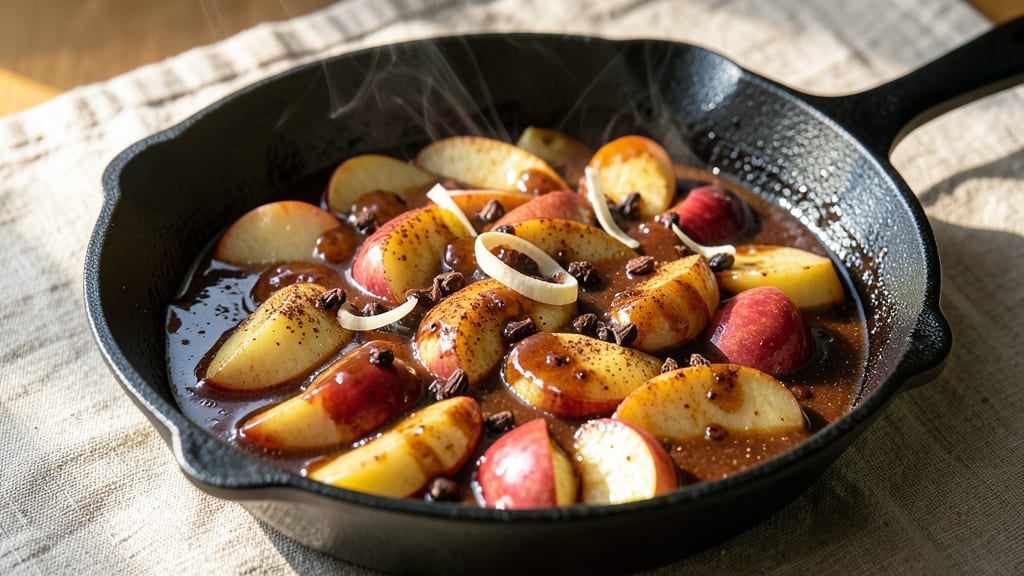
This apple pan hickory sauce recipe transforms simple weeknight meals into restaurant-worthy dishes with its perfect balance of smoky depth and sweet apple brightness.
The secret lies in simmering apple cider with hickory syrup and warm spices until it thickens into a glossy, velvety glaze—ideal for drizzling over roasted chicken, pulled pork, or even grilled vegetables.
What sets this sauce apart is how effortlessly it marries the natural sweetness of apples with the rich, woodsy notes of hickory, creating a flavor profile that’s both comforting and sophisticated.
What makes this sauce so versatile is its foolproof technique: just combine pantry staples like apple cider, hickory syrup, and a touch of vinegar, then simmer until the consistency reaches that perfect balance between pourable and clingy.
The result is a sauce that’s rich enough to stand alone but light enough to enhance, not overpower. Whether you’re glazing a holiday ham or elevating a simple weeknight roast, this sauce delivers restaurant-quality results with minimal effort.
By the time you’re done, you’ll have a batch of sauce that’s deeply aromatic, with a glossy sheen and a texture that clings beautifully to meats or vegetables. The hickory syrup adds that signature smoky warmth, while the apple cider keeps it bright and tangy—no artificial flavors needed.
This isn’t just a sauce; it’s a flavor booster that turns ordinary dishes into showstoppers.
The best part? This sauce keeps well in the refrigerator for up to a week, so you can make a big batch and use it throughout the week. It’s perfect for meal prepping or gifting—just store it in an airtight container and reheat gently before serving.
Let’s get started on creating this versatile, crowd-pleasing glaze that will become a staple in your kitchen.
Ingredients for apple pan hickory sauce
Six pantry staples and four spices create this restaurant-quality smoky-sweet glaze.
| Ingredient | Amount | Notes |
|---|---|---|
| Apple Cider 🍎 | 2 cups | Unfiltered for best flavor |
| Hickory Syrup 🍯 | 1 cup | Pure, not imitation |
| Apple Cider Vinegar 🍶 | 1 tbsp | For tangy brightness |
| Brown Sugar 🍚 | ½ cup | Light or dark preferred |
| Ground Cinnamon 🌿 | 1 tsp | Freshly ground preferred |
| Ground Cloves 🌶️ | ¼ tsp | Whole cloves work too |
| Ground Nutmeg 🌿 | ¼ tsp | Freshly grated preferred |
| Unsalted Butter 🧈 | 2 tbsp | Cold for glossy finish |
| Salt 🧂 | ½ tsp | Kosher or sea salt |
| Black Pepper 🌶️ | ¼ tsp | Freshly cracked preferred |
Hickory syrup is the star here—Mollie Katzen’s brand is my go-to, but any pure hickory syrup works. The apple cider should be unfiltered for that rich, apple-y depth. Trader Joe’s carries great options, or check the cider aisle at Whole Foods. For the spices, freshly ground cinnamon and nutmeg make all the difference—if you’ve got whole spices, toast them in a dry pan for 30 seconds before grinding. That extra step unlocks so much more flavor. The brown sugar adds caramel notes, but turbinado sugar gives a slightly crunchier texture if you want to experiment.
No hickory syrup? Maple syrup plus a dash of liquid smoke gets you close—just use half the amount of liquid smoke. Substituting apple cider? White grape juice works in a pinch, though it’ll be slightly less tangy. Running low on spices? Pumpkin pie spice blend has cinnamon, nutmeg, and cloves already mixed—just use half the amount. The butter is key for that glossy finish, but vegan butter works too if you’re avoiding dairy. For a deeper smoky flavor, add 1/4 teaspoon smoked paprika to the spice mix.
This sauce thickens as it cools, so don’t stress if it looks runny right after making. Store it in a glass jar in the fridge for up to 1 week—the flavors actually deepen overnight. For gifting, transfer to small jars and tie a ribbon. Reheat gently in a saucepan over low heat, stirring until smooth. Freezes beautifully for 3 months—just thaw in the fridge before reheating. A little goes a long way, so make a big batch and use it on everything from roasted chicken to grilled vegetables.
Why You'll Love This Recipe
- Five-Ingredient Magic: I swear, this sauce comes together with just a pot, a whisk, and 10 minutes of my time. No peeling apples, no fancy techniques—just dump, simmer, and stir.
- Smoky-Sweet Obsession: That hickory syrup and apple cider vinegar combo? It’s like fall in a jar—deep, tangy, and just sweet enough to make you reach for seconds. The cinnamon ties it all together like a cozy hug.
- Pantry Stash Power: Honestly, you’re probably already making this. Apple cider, brown sugar, and cinnamon? Those are staples. No last-minute grocery runs, no weird ingredients—just what you’ve got.
- Leftovers That Shine: This sauce keeps for weeks in the fridge and freezes like a dream. Drizzle it over oatmeal, toss it in baked beans, or slather it on grilled chicken—it’s my go-to for lazy mornings and impromptu dinners.
Step-by-step instructions for apple pan sauce with hickory
This smoky-sweet glaze comes together in minutes with simple ingredients.
Melt Butter and Combine Wet Ingredients
Place the 2 tablespoons unsalted butter in a medium saucepan over medium heat. Let it melt completely, then reduce heat to low. Add the 2 cups apple cider, 1 cup hickory syrup, and 1 tablespoon apple cider vinegar. Stir gently to combine, being careful not to let the mixture bubble over.
Here's the thing—you want to keep the heat low enough to prevent boiling, but high enough to maintain a gentle simmer. The sauce should feel warm to the touch but not hot. This gradual heating helps the flavors meld without developing a harsh edge. Let it simmer for 5 minutes, stirring occasionally, until the mixture begins to thicken slightly and the butter fully incorporates.
Add Sweetener and Spices
Increase heat to medium-low and sprinkle in the ½ cup brown sugar, 1 teaspoon ground cinnamon, ¼ teaspoon ground cloves, ¼ teaspoon ground nutmeg, ½ teaspoon salt, and ¼ teaspoon black pepper. Stir continuously for 2-3 minutes until the sugar dissolves completely and the spices are evenly distributed.
Watch the sauce closely—it should thicken noticeably as the sugar integrates. You'll notice the aroma become more complex, with warm cinnamon notes mingling with the smoky hickory. If the sauce starts to bubble vigorously, reduce heat to low immediately to prevent scorching. This is where the magic happens—the spices infuse deeply into the liquid, creating that signature apple-pan-house flavor.
Simmer Until Thick and Glossy
Return heat to medium-low and let the sauce simmer uncovered for 8-10 minutes, stirring occasionally. You're looking for a reduction that coats the back of a spoon with a glossy sheen. The sauce should thicken enough to lightly coat the back of a wooden spoon when you lift it from the pan.
Here's what I do: I taste the sauce after 5 minutes of simmering. If it's still too thin, I continue cooking—if it's perfect, I'll remove it from heat. The ideal consistency should be thick enough to cling to proteins but still flow smoothly. If you let it reduce too much, you can always add a splash of warm apple cider to loosen it up later. The sauce should smell rich and complex, with apple, cinnamon, and hickory notes dancing together.
Finish and Adjust Seasoning
Once the sauce reaches your desired consistency, remove it from heat. Taste and adjust seasoning if needed—add more salt if it's too sweet, or a pinch of cinnamon if you want more warmth. Let it cool slightly for 2-3 minutes before serving, as it will continue to thicken as it sits.
This sauce is incredibly versatile—poured over roasted pork chops, glazed on grilled chicken thighs, or drizzled over apple-cider brined ribs. The key is using it warm, so the flavors really sing. If you're making it ahead, store it in an airtight container in the fridge for up to 3 days and reheat gently before serving. The flavors only get better with a little time!
Pro Tips For Making Apple Pan Hickory Sauce
- Simmer Slow and Steady: I learned this the hard way—rushing the sauce on high heat turns it into a sticky mess. Keep it at a gentle boil (around 200°F) for 15-20 minutes, stirring occasionally, so the apple cider vinegar and hickory syrup meld instead of burning.
- Strain for Smoothness: Hickory syrup and brown sugar have a way of clumping, and you don’t want grainy bits in your sauce. After simmering, strain the mixture through a fine-mesh sieve into a clean pot—it’s extra work, but the texture is noticeably better.
- Balance the Vinegar: Too much apple cider vinegar and your sauce will taste sharp and unfinished. Start with 1 tablespoon, taste as you go, and add more only if needed—you can always adjust, but you can’t take it out.
- Toast the Cinnamon First: Skip the ground cinnamon straight from the jar—it’s already lost its depth. Lightly toast whole cinnamon sticks (or a pinch of ground) in a dry pan for 30 seconds until fragrant, then grind it fresh. The aroma jumps off the plate.
Best sauces and condiments for this apple pan hickory sauce
Classic Pairings
This sauce shines on roasted pork chops—simply pan-sear them until golden, then pour the warm sauce over the top. The smoky-sweet glaze caramelizes beautifully when broiled for 2-3 minutes at the end.
For pulled pork, use it as a finishing drizzle after shredding, or brush it on during the last 10 minutes of slow cooking. 🍖
Unexpected Uses
Try it on grilled vegetables like Brussels sprouts or sweet potatoes for a sweet-savory twist. Drizzle over homemade pancakes with a sprinkle of cinnamon for breakfast, or use it as a glaze for baked apples by brushing inside the halves before roasting.
Even roasted chicken thighs benefit from this sauce when basted during the last 15 minutes of cooking.
Beverage Harmony
A crisp apple cider (like Woodchuck Hard Cider) complements the sauce’s flavors perfectly, while a bourbon like Maker’s Mark enhances the caramel and spice notes. For non-alcoholic options, sparkling apple juice adds a refreshing contrast. Avoid heavy beers—they’ll overpower the delicate balance of sweet and smoky. 🍺
Garnish Game-Changers
Finish with toasted pecans for crunch and a touch of crème fraîche for creaminess. A sprinkle of flaky sea salt (like Maldon) elevates the dish, while fresh thyme leaves add a bright herbal note. For a festive touch, garnish with candied ginger or dried apple slices before serving.
Global Twists
For a Mexican-inspired version, add ½ teaspoon chili powder and serve with tortilla chips as a dipping sauce. A Japanese fusion twist includes 1 teaspoon mirin and ½ teaspoon grated ginger, pairing beautifully with teriyaki-glazed salmon. The possibilities are endless—let your creativity guide you! 🌍
Storage Secrets
Store leftovers in an airtight glass jar in the fridge for up to 1 week, or freeze for 3 months. To reheat, warm gently in a saucepan over low heat, stirring occasionally until smooth.
If the sauce thickens too much, thin with 1-2 teaspoons of warm apple cider. The flavors deepen over time, making it even more delicious the next day. ❄️
Nutrition facts
Frequently asked questions
Can I substitute hickory syrup if I don't have it?
Yes! You can replace 1 cup hickory syrup with ¾ cup pure maple syrup plus ¼ teaspoon liquid smoke. For a deeper smoky flavor, add ½ teaspoon smoked paprika to the spice mix. The sauce will still taste delicious, though the authentic hickory depth will be slightly different.
How do I adjust the consistency if the sauce is too thick or too thin?
If your sauce is too thick, thin it by adding 1-2 teaspoons of warm apple cider at a time, stirring until smooth. For a thicker sauce, simmer uncovered for an extra 2-3 minutes to reduce further. The sauce will also thicken as it cools, so don't worry if it looks runny right after cooking.
Can I make this sauce ahead of time?
This sauce keeps well in an airtight glass jar in the fridge for up to 1 week, and it actually tastes better after resting. For longer storage, freeze it for up to 3 months. Just reheat gently over low heat, stirring occasionally until smooth. The flavors deepen over time, making it perfect for meal prep.
What's the best way to use leftover sauce?
Leftover sauce is incredibly versatile! Use it as a glaze for roasted meats, drizzle over grilled vegetables, or even spoon over homemade pancakes for breakfast. It also makes a fantastic dipping sauce for fresh fruit like apple slices or tortilla chips. The possibilities are endless!
Why does my sauce look cloudy or have a skin on top?
This happens when the sauce cools too quickly or sits uncovered. To fix it, gently reheat the sauce over low heat, stirring constantly until smooth. To prevent it, always store the sauce in an airtight container and reheat slowly. The cloudiness is harmless and won't affect the taste.