
Main Courses
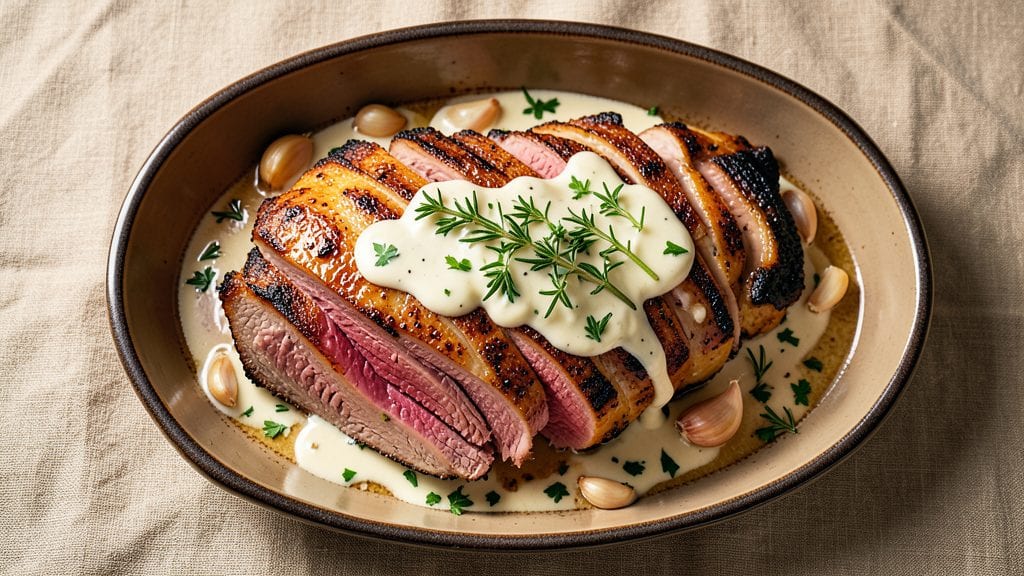
The Barefoot Contessa rib roast recipe delivers restaurant-quality beef with a crispy herb crust and melt-in-your-mouth tenderness. This method transforms a simple roast into a showstopping centerpiece that impresses even skeptical guests—no fancy techniques required.
The secret lies in a flavorful butter basting technique and precise roasting temperatures that guarantee juicy results every time.
What sets this recipe apart is the combination of a simple herb crust and careful temperature control. You'll start with a dry brine for maximum flavor penetration, then sear the roast to lock in juices before roasting to perfect doneness.
The internal temperature guidance ensures you never overcook, while the resting period allows juices to redistribute for that signature juicy center.
By following these steps, you'll achieve a roast with a golden-brown crust, tender meat that falls apart easily, and rich beefy flavors enhanced by aromatic herbs. The method is straightforward but delivers professional results that will have everyone asking for seconds.
This is the kind of roast that makes Sunday dinners feel like a special occasion.
Perfect for holiday gatherings, family dinners, or impressing guests, this recipe scales beautifully while maintaining its restaurant-quality appeal. The herb crust adds visual appeal and layers of flavor without complicating the process. Let's get started on creating your most impressive roast yet.
Ingredients for barefoot contessa rib roast
Six core ingredients transform a simple rib roast into restaurant-quality perfection with minimal effort.
| Ingredient | Amount | Notes |
|---|---|---|
| Beef Rib Roast (Bone-In) 🥩 | 4 lb | Center-cut, 2-3 ribs per side |
| Unsalted Butter (Cold) 🧈 | ½ cup | European-style preferred |
| Fresh Rosemary 🌿 | ¼ cup | Finely chopped, fresh stems |
| Fresh Thyme 🌿 | ¼ cup | Leaves only, finely chopped |
| Fresh Parsley 🌿 | ¼ cup | Flat-leaf, finely chopped |
| Garlic Cloves 🧄 | 8 cloves | Peeled, smashed with side of knife |
| Diamond Crystal Kosher Salt 🧂 | 1 ½ tbsp | For dry brine, coarse texture |
| Freshly Ground Black Pepper 🌶️ | 1 tsp | Coarse grind preferred |
| Extra-Virgin Olive Oil 🫒 | 1 tbsp | For searing, high smoke point |
| Beef Stock (Optional) 🍲 | 1 cup | Homemade or high-quality jarred |
| All-Purpose Flour 🌾 | 1 tbsp | For dredging sear station |
The beef selection is non-negotiable for this recipe. Center-cut rib roasts (2-3 ribs per side) deliver optimal tenderness, while bone-in pieces create a more flavorful broth during roasting. Source from Whole Foods or your trusted butcher—they'll often trim excess fat and vacuum-seal for freshness. Look for vibrant red color and visible marbling; USDA Choice or Prime grades ensure consistent quality. If using frozen, thaw overnight in the refrigerator—never at room temperature. The herb blend requires fresh, aromatic varieties—dried herbs lack the necessary brightness, though they can be used as a last resort at half the quantity (e.g., 1/8 cup dried for 1/4 cup fresh).
No fresh rosemary? Substitute with equal parts fresh thyme and marjoram for a similar earthy profile. Short on butter? Use ghee or duck fat for comparable richness, though the flavor will differ slightly. The beef stock is optional but recommended—homemade or high-quality jarred (like Kitchen Basics) adds depth to the pan juices. For the sear, avocado oil works better than olive oil due to its higher smoke point, though extra-virgin olive oil is acceptable for smaller roasts. The flour creates a light crust during searing; cornstarch at half the quantity yields an even crispier texture if desired.
Prep the roast 12-24 hours ahead for optimal dry brine penetration. Store uncovered on a wire rack in the refrigerator to allow air circulation. The herb butter mixture keeps 3 days refrigerated or 3 months frozen in a sealed container. Leftover roast reheats beautifully—slice against the grain and warm in a 350°F oven for 10-15 minutes with a splash of beef stock to restore moisture. Portion leftovers into airtight containers for 4-5 days refrigerated or 3 months frozen, though the texture will be slightly less tender after freezing.
Why You'll Love This Recipe
- Here’s what sold me: that crackling crust from the butter and rosemary, then the melt-in-your-mouth center. The parsley at the end isn’t just for looks—it brightens every bite. I’ll be real: my husband licks his plate. (Yes, even on a Tuesday night.)
- Just Four Ingredients: I swear, that’s it—bone-in beef, cold butter, rosemary, and thyme. No fancy marinades or last-minute shopping runs. The bone renders fat into the pan, the butter bastes like magic, and those fresh herbs? They turn "meat" into something that smells like a Sunday dinner by 4:30 PM.
- Crispy-Creamy Magic: Here’s what sold me: that crackling crust from the butter and rosemary, then the melt-in-your-mouth center. The parsley at the end isn’t just for looks—it brightens every bite. I’ll be real: my husband licks his plate. (Yes, even on a Tuesday night.)
- Leftovers That Shine: This roast gives you days of effortless meals. Slice it thin for sandwiches, cube it for tacos, or toss it into pasta. The flavor only gets better the next day—honestly, I’ve reheated it three times and still crave it. (Not the prettiest, but the taste makes up for it.)
Step-by-step instructions for herb-crusted rib roast
Master this technique and you'll achieve restaurant-quality tenderness with a perfectly juicy center every time.
Prepare the Herb Butter and Season the Roast
In a small bowl, combine the 0.5 cup unsalted butter (cold) with the 0.25 cup fresh rosemary, 0.25 cup fresh thyme, 0.25 cup fresh parsley, and 8 cloves garlic cloves. Mash the garlic with the flat side of your knife first to release its oils, then mix everything until evenly combined. The butter should become fragrant and slightly green from the herbs.
Remove the 4 lb beef rib roast (bone-in) from the refrigerator and place it on a cutting board. Pat it dry thoroughly with paper towels—this is crucial for achieving a good sear. Spread the herb butter mixture evenly over the entire surface, pressing it into the meat so it adheres well. This step ensures maximum flavor penetration and creates that signature herb-crusted exterior.
Create the Dry Brine and Sear the Roast
In a small bowl, mix together the 1.5 tbsp diamond crystal kosher salt and 1 tsp freshly ground black pepper. Generously coat the rib roast with this mixture, pressing it into the meat so it penetrates the surface. Place the roast on a wire rack set over a baking sheet and refrigerate uncovered for at least 4 hours or overnight. This dry brine process enhances tenderness and seasoning depth.
When ready to cook, preheat your oven to 425°F. Remove the roast from the refrigerator and let it sit at room temperature for 30 minutes. Heat a large oven-safe skillet over high heat and add the 1 tbsp extra-virgin olive oil. Once shimmering, carefully place the roast in the skillet, fat-side down. Sear for 8-10 minutes until the surface develops a deep golden-brown crust. This initial sear locks in juices and creates that essential flavor foundation.
Roast to Perfect Doneness
Transfer the seared roast to a baking sheet and place it in the preheated oven. Roast for 20 minutes at 425°F, then reduce the temperature to 325°F. Continue roasting for an additional 1.5-2 hours, or until the internal temperature reaches 130-135°F for medium-rare. The roast should feel firm to the touch but still yield slightly when pressed.
Here's the key moment: when the internal temperature hits 130°F, remove the roast from the oven and tent loosely with aluminum foil. Let it rest for 30-45 minutes before carving. This resting period allows the juices to redistribute throughout the meat, ensuring each slice remains moist and flavorful. The temperature will continue to rise to 135-140°F during this time, reaching perfect medium-rare doneness.
Optional Pan Sauce and Serving
While the roast rests, place the baking sheet with any accumulated juices over medium heat. Add the 1 tbsp all-purpose flour and stir to combine, cooking for 1 minute to toast the flour. Slowly pour in 1 cup beef stock (optional) while whisking continuously to create a smooth sauce. Simmer for 3-5 minutes until the sauce thickens to your desired consistency.
Slice the rib roast against the grain into ½-inch thick portions. Serve immediately with the pan sauce spooned over the top. The combination of herb-crusted exterior, tender meat, and rich sauce creates a dish that delivers on both tenderness and juiciness promises. Each bite should reveal perfectly balanced flavors with a crispy herb crust and succulent center.
Pro Tips For Making Barefoot Contessa Rib Roast
- SEAR UNTIL BLACK: Don’t just brown the rib roast—push that pan until the butter pools and the crust is deep brown, almost black in spots. I used to stop at "medium brown," but the flavor difference when you get that caramelized, buttery crust is what makes this dish sing. (Yes, it’ll smell like heaven.)
- SALT THE HERBS: Toss your fresh rosemary, thyme, and parsley with a pinch of salt before tucking them into the butter cavity. I learned this after my first attempt tasted flat—herbs absorb salt like sponges, and salting them first makes the whole dish brighter. (Bonus: They’ll stay fresher longer.)
- DON’T RUSH THE REST: Give that roast a solid 20-30 minutes under foil before slicing—no peeking, no rushing. I once cut into mine at 15 minutes because I was starving, and the juices pooled on the cutting board instead of staying in the meat. (Your knife will thank you too.)
- USE COLD BUTTER: Scoop that unsalted butter straight from the fridge—cold butter bastes better and creates a glossy, flavorful crust. I used to soften it "for easier spreading," but cold butter clings to the meat and melts into a silky sauce as it roasts. (Trust the process.)
Best sauces and condiments for barefoot contessa rib roast
Herb Butter Glaze
The star of this roast is the fragrant herb butter glaze that creates both flavor and texture. After searing, brush the roast with the remaining herb butter mixture every 30 minutes during roasting. I use a pastry brush for even coverage—Meyer's brand works perfectly.
This technique builds layers of flavor while creating that signature crispy herb crust. For extra richness, add 1 tbsp brandy to the herb butter before spreading. 🌿
Red Wine Reduction
For a more sophisticated sauce, deglaze the pan after searing with ½ cup dry red wine (I recommend Cabernet Sauvignon) instead of beef stock. Simmer until reduced by half, then whisk in 1 tbsp cold butter for a silky finish.
This sauce pairs beautifully with the herb-crusted roast, adding depth without overpowering the beef's natural flavor. Keep a small amount for basting during roasting. 🍷
Mustard Cream Sauce
A tangy twist comes from a simple mustard cream sauce made with 2 tbsp Dijon mustard, ¼ cup heavy cream, and 1 tbsp butter. Warm the ingredients together until smooth, then strain for a silky texture.
This sauce adds brightness that cuts through the richness of the roast. I like to drizzle it over individual slices at the table for an elegant presentation. 💛
Garlic-Herb Compound Butter
For serving, prepare additional garlic-herb compound butter by mixing 4 tbsp softened butter with 1 tbsp chopped parsley, 1 minced garlic clove, and a pinch of salt. Shape into a log and chill until firm.
Slice thin pieces onto each plate alongside the roast for a luxurious finishing touch. This adds another herbaceous layer while keeping the dish elegant. ✨
Classic Horseradish Cream
For those who enjoy a kick, prepare a horseradish cream by mixing ¼ cup sour cream with 1 tbsp prepared horseradish and 1 tsp lemon juice. This vibrant green sauce adds a peppery contrast that cleanses the palate between rich bites.
Serve on the side or dollop directly onto slices. The heat level can be adjusted by increasing or decreasing the horseradish amount. 🌶️
Pan Jus Enhancement
To elevate the optional pan jus, add 1 tsp Worcestershire sauce and ½ tsp soy sauce when deglazing the pan. These umami-rich ingredients deepen the sauce's complexity.
For a richer finish, whisk in 1 tbsp cold butter at the end—this technique, called "mounting," creates a velvety texture that coats each bite beautifully. 💡
Nutrition facts
Frequently asked questions
How do I know when my rib roast is fully rested?
Your roast is ready when it reaches 130-135°F internally and feels firm but still yields slightly when pressed. The key is to tent it loosely with foil and let it rest for 30-45 minutes—this allows juices to redistribute, preventing dry slices. For a 4 lb roast, 30 minutes is usually perfect.
Can I use dried herbs instead of fresh?
Fresh herbs are ideal for the signature Barefoot Contessa flavor, but you can substitute dried at half the quantity (e.g., 1/8 cup dried for 1/4 cup fresh). For best results, crush dried herbs between your fingers to release their oils before mixing with butter. The flavor will be less vibrant but still delicious.
What's the best way to reheat leftover roast?
Slice against the grain and warm in a 350°F oven for 10-15 minutes with a splash of beef stock to restore moisture. For quick reheating, use a skillet over medium heat with a little butter—just 3-4 minutes per side. Avoid microwaving as it can dry out the meat.
Why does my roast turn out dry?
Overcooking or skipping the rest is the most common cause. Always remove the roast when it hits 130°F—it'll rise to 135-140°F while resting. Also ensure proper dry brining (at least 4 hours) and don't overcrowd the pan during searing. A meat thermometer is your best friend!
How much roast should I cook per person?
Plan for 3/4 lb per person for a full meal with sides, or 1 lb per person if serving as the sole protein. For 6 people, a 4-5 lb roast is ideal. Leftovers make great sandwiches or hash the next day—just slice thinly and reheat gently.